
Quick Take
- A brilliantly colored bird managed to hide for 13 years, and this is the unlikely moment that finally ended its streak. See the rediscovery →
- 114 species are officially 'lost', though the rules for what qualifies are stranger than you'd expect. Explore the lost bird rules →
- Despite its vivid orange, yellow, and black plumage, this bird is nearly impossible to spot. Meet the elusive bird →
- Finding the cuckooshrike answered one big question, but it immediately raised several harder ones about its survival. See the open questions →
Researchers recently rediscovered an elusive “lost” bird in West Africa’s Upper Guinean rainforest. The elusive Ghana cuckooshrike in Côte d’Ivoire’s Taï National Park was photographed after 13 years of no reported sightings. It took a team effort to snap a photo of the shy bird after field researcher Paulo Ditzel first spotted the vibrant orange, yellow, and black bird through his binoculars.
Standing next to his teammate and photographer, Stephanie Bartlett, on a small bridge near an ecological research station, Ditzel carefully called out the cuckooshrike’s whereabouts. Luck was on their side, and Bartlett captured what John Mittermeier, director of Search for Lost Birds, described to Mongabay as “probably the best photos ever taken of this bird,” and the only known video ever recorded of it.
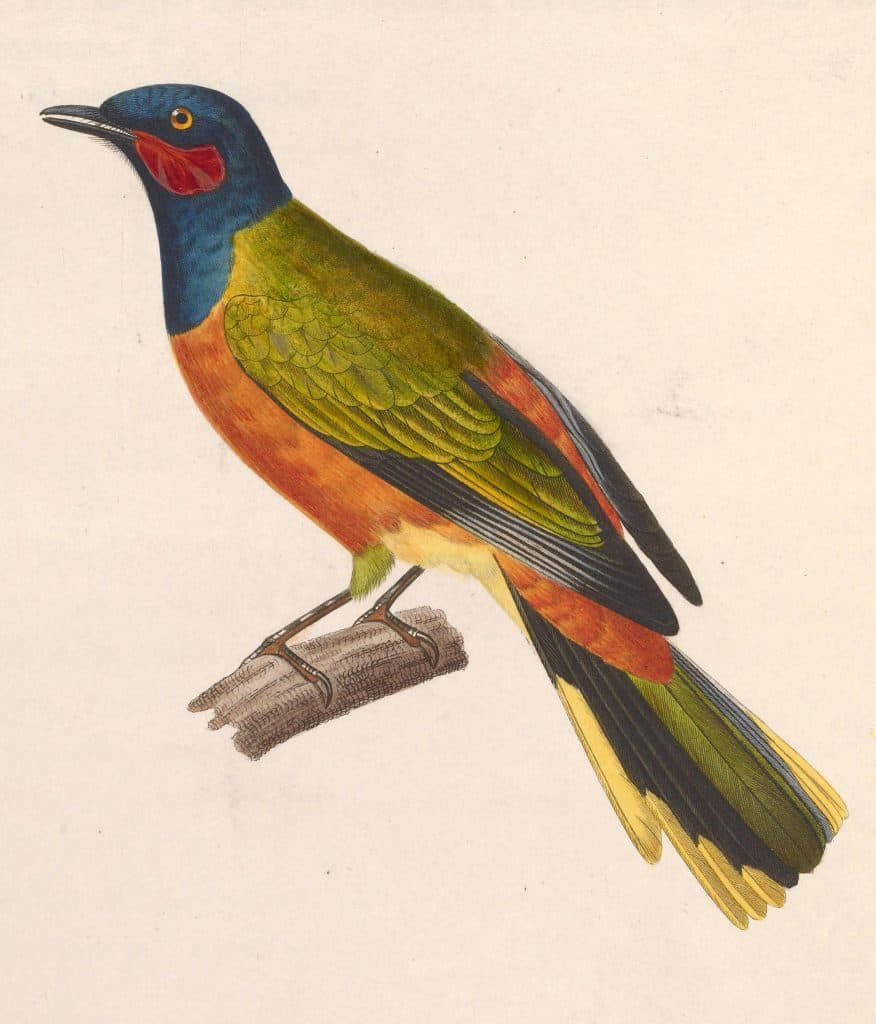
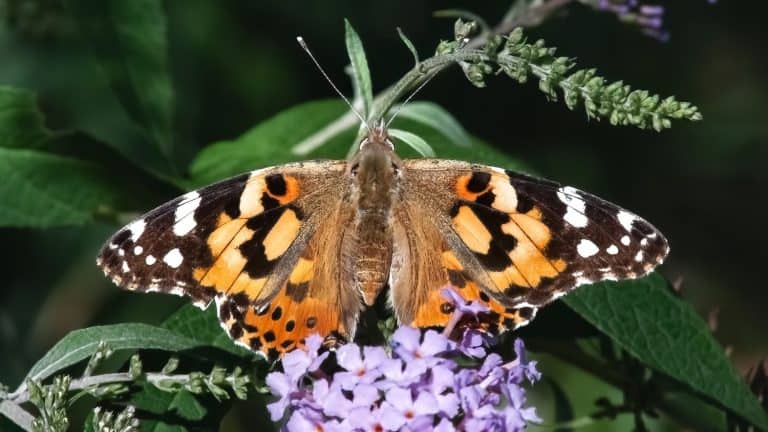
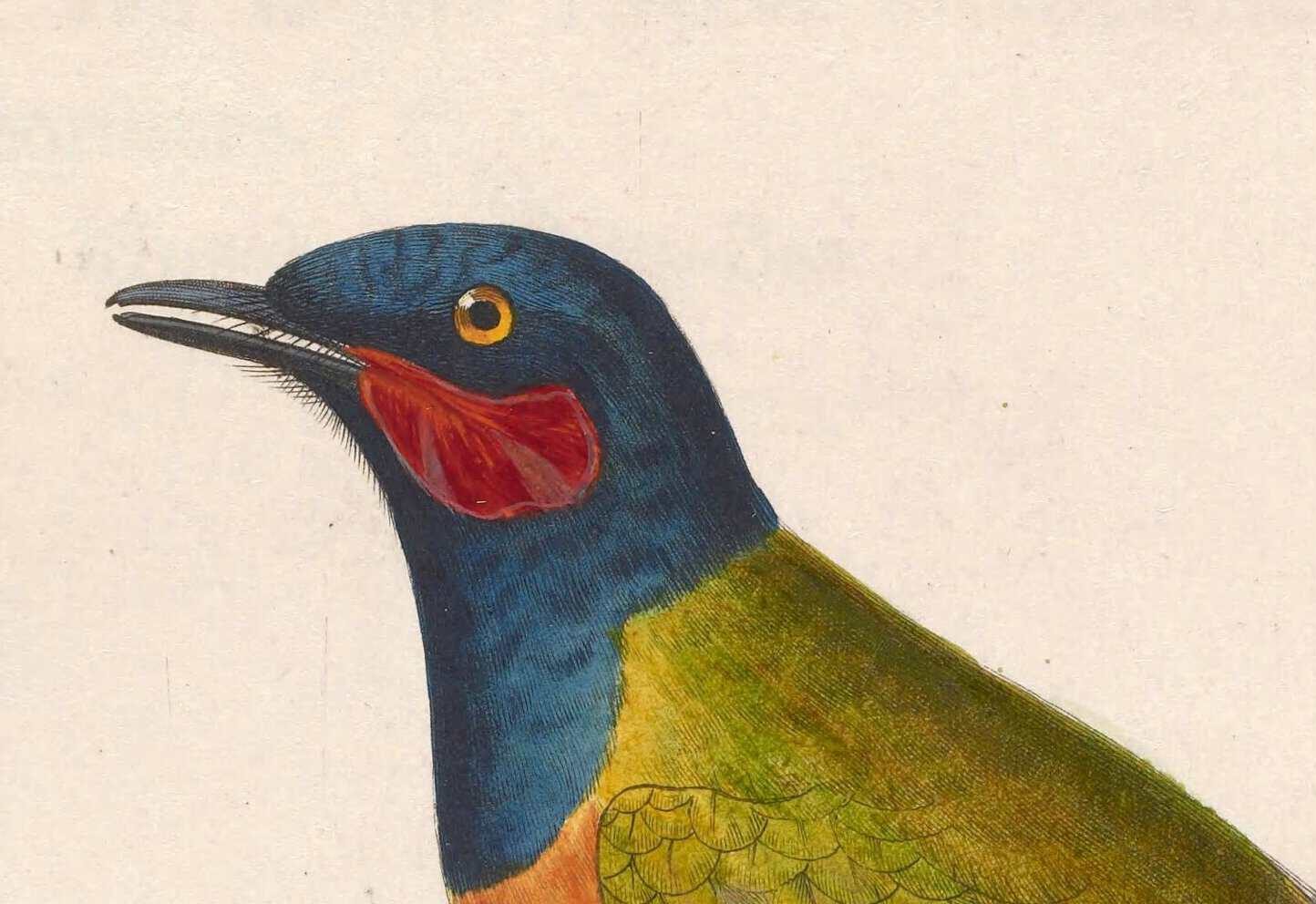
The male Ghana cuckooshrike has more vibrant colors than the female.
©Nicolas Huet, Public domain, via Wikimedia Commons – Original
What Is a Lost Bird?
Lost birds are birds that have not been scientifically documented in 10 years or more. Birds found only in zoos may be lost to the wild, but they would not make the list. Also, a bird will remain on the list if it hasn’t been photographed, even if it has been recently seen. As of September 2026, 114 bird species are confirmed as “lost.” However, the list updates whenever a lost bird is documented or, on the other hand, confirmed to be extinct.
Conservationists can’t protect a species if they don’t know where it lives, what it needs to survive, or whether it still exists. The Search for Lost Birds was founded in 2021 by American Bird Conservancy, Re:wild, and BirdLife International. The list helps conservationists know where to funnel resources to the species that need them the most.
Meet the Ghana Cuckooshrike
Scientists don’t know much about the Ghana cuckooshrike (Lobotos lobatus). It’s one of the few bird species that has never been recorded singing or calling. Its diet mainly consists of insects, such as grasshoppers and caterpillars. Also known as the western wattled cuckooshrike, these birds are native to the lowland rainforests and swamp forests across the Upper Guinea rainforest in West Africa. They have been seen breeding in logged forests and plantations, but they mainly depend on natural forest habitats.
This colorful bird is hard to find because it lives high above in the dense forest canopy. Despite its brightly colored orange chest and yellow-green and black wings, it can be nearly impossible to spot through the thick, intertwining branches above. Before this sighting, researchers last photographed the cuckoshrike in 2013 in the Atewa Forest Reserve in Ghana.
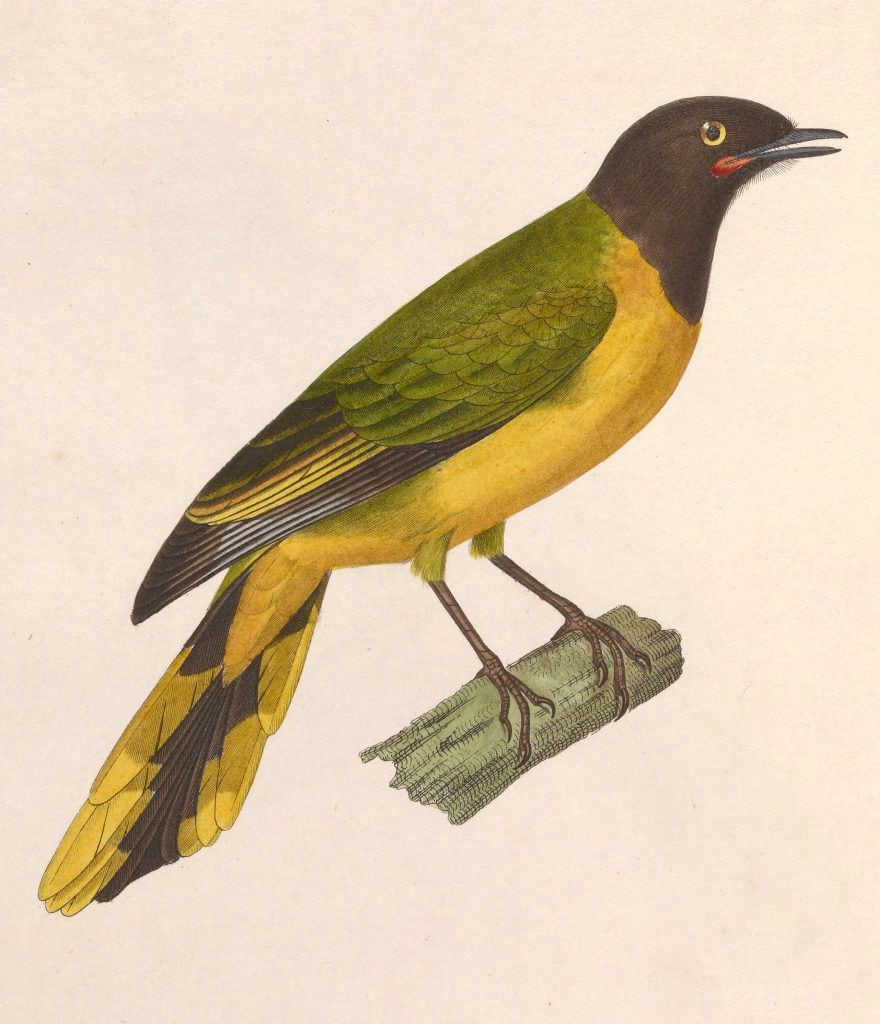
Ghana cuckooshrikes are off of the “lost” birds list after being sighted in June 2026.
©Nicolas Huet, Public domain, via Wikimedia Commons – Original
Ghana cuckooshrikes travel in mixed flocks. This was confirmed by Bartlett and Ditzel. They found it flying with chestnut-capped flycatchers (Erythrocercus mccallii) and a white-breasted nigrita (Nigrita fusconotus).
How Researchers Rediscovered the Ghana Cuckooshrike
When Bartlett and Ditzel rediscovered the cuckooshrike, they were on a bird survey across four West African countries with the International Bird Conservation Partnership (IBCP). Taï National Park, a UNESCO World Heritage site, is home to an incredibly diverse number of plants and animals. The area is an ancient ecosystem. The habitats are rich with rare animals such as pygmy hippopotamuses, African forest elephants, leopards, forest duikers, and pangolins.
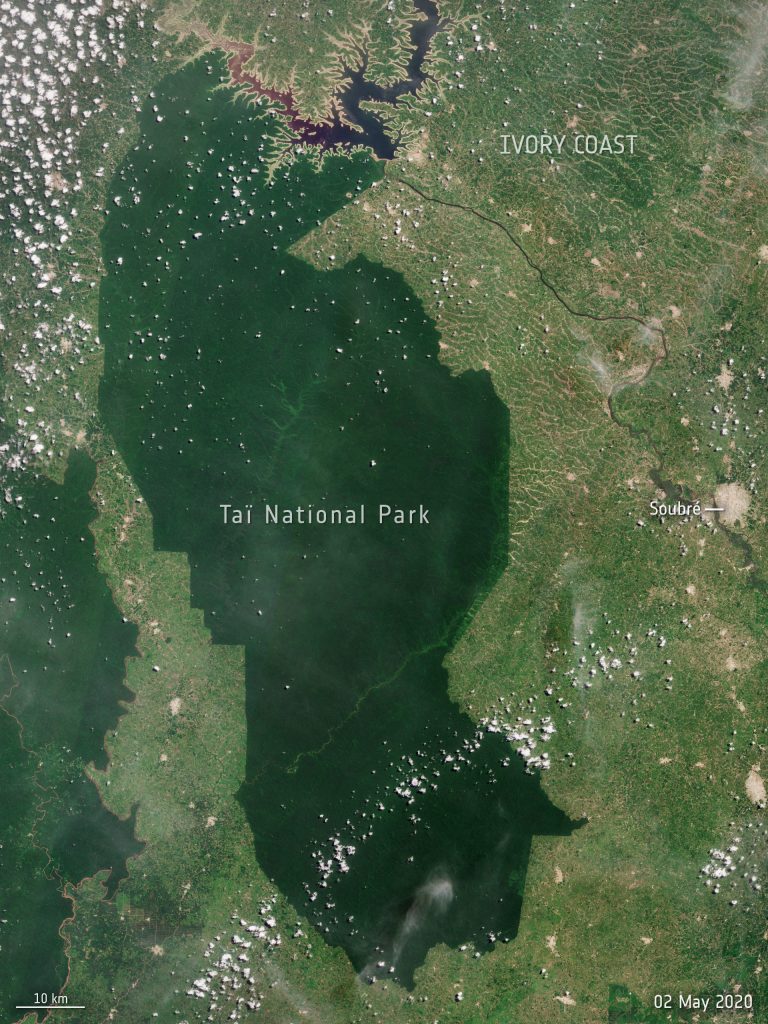
Taï National Park contains one of the last areas of primary rainforest in West Africa.
©Contains modified Copernicus Sentinel data 2020, CC BY-SA 3.0 IGO, via Wikimedia Commons – Original / License
Bartlett and Ditzel knew the Ghana cuckooshrike may be living in the area, but they also knew their chances of finding it were slim. It took luck, teamwork, and fantastic photography skills for the researchers to get not only images, but video of the elusive bird. They even got to witness it eating a fuzzy caterpillar. Although they hiked over 9 miles the next day hoping for another sighting, they didn’t see it again.
A Fragmented Forest Threatens West African Wildlife
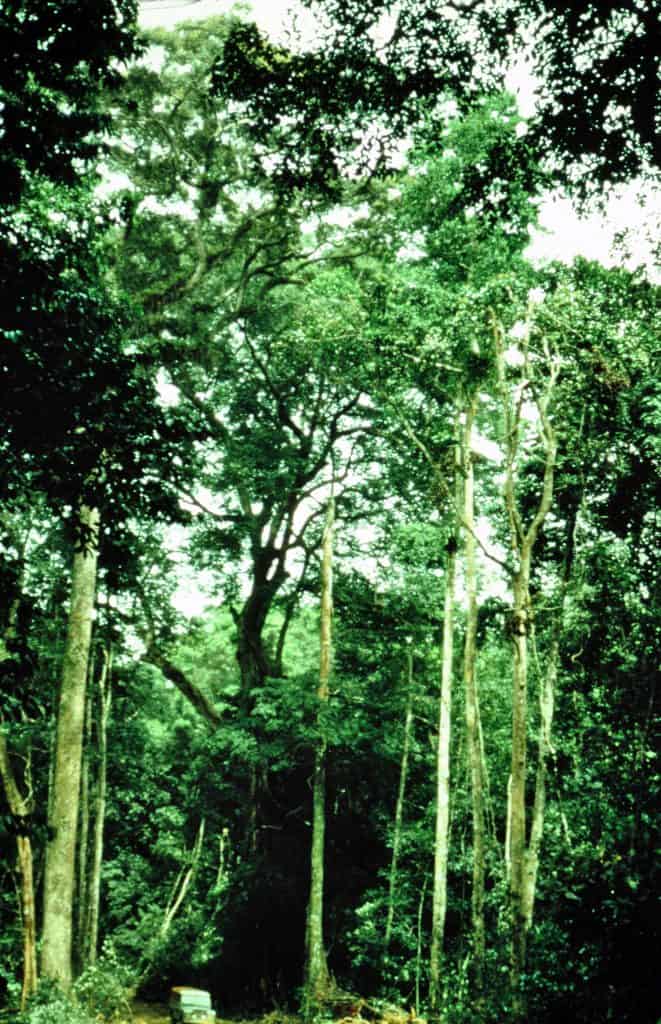
The Ghana cuckoostrike lives high above in the dense forest canopy of the rainforest.
©W. Barthlott 1977, University of Bonn, www.lotus-salvinia.de, CC BY-SA 4.0, via Wikimedia Commons – Original / License
Sadly, West Africa’s rainforests are fragmented by logging, plantations, and human development. Habitat fragmentation may block wildlife from using their traditional migration paths. However, Taï National Park contains one of the largest remaining blocks of Upper Guinean rainforest.
Many areas inside this biodiverse hotspot are so geographically challenging to get to that they’ve never been documented. Despite the park’s protected status, the area and the wildlife in it are threatened by ever-encroaching agriculture and logging, and illegal hunters and miners within the park.
Finding One Bird Raises More Questions
Finding the Ghana cuckooshrike after 13 years is incredible and highlights the importance of conservation for the area. Although we now know the cuckooshrike is not extinct and it is no longer lost, there is still much to learn regarding how many remain and what conservation steps need to be taken to save them.