
Quick Take
- A global crisis handed scientists a rare natural experiment in human-wildlife interaction. How lockdowns enabled the study →
- Human construction reshapes animal habitats, and researchers found another human behavior that may matter just as much. See how presence shapes behavior →
- Some animals retreat when people move in, but at least one predator does the opposite. The reason is worth understanding. Explore the varied responses →
- The places where human presence hits animals hardest are not cities but somewhere most people would never guess. Discover the surprising hotspots →
For better or worse, human beings are the great movers on this Earth. For the past several thousand years, our activity has radically influenced the planet’s surface. That influence has only grown over time. But with each new building we construct and road we build, an untold number of animals are affected. Areas that once contained a large number of animals now contain vast cities. It can be hard to accept, but easy to understand: humans are the most impactful predators on the planet.
A new study from researchers at UC Santa Barbara, the Smithsonian’s National Zoo, and Yale University aimed to find out just how much animals are influenced by our activity. To do this, researchers combined GPS tracking from 37 animal species and cell phone location data from across the United States. They found that animals respond to human activity and presence depending on the species and just how much a landscape has been transformed. Let’s learn more about this research, what it tells us about interspecies relations, and how the findings could help scientists better strategize for wildlife conservation practices.
Continue reading
Using Lockdowns to Study Wildlife Responses
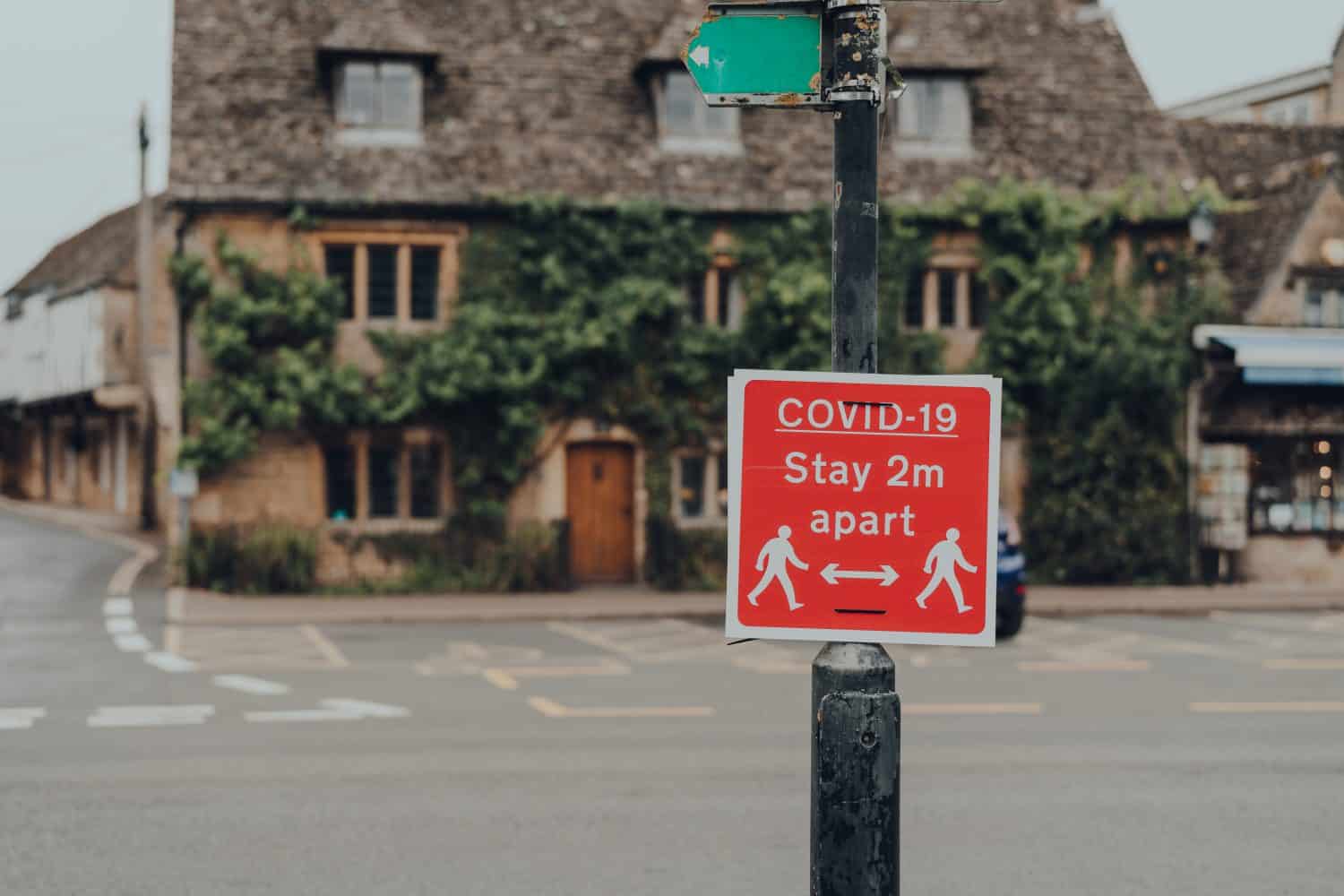
The lack of human activity during the COVID-19 lockdowns gave scientists an opportunity to study animal responses.
©Alena Veasey/Shutterstock.com
Scientists have always known that the activity of human beings has a radical effect on biodiversity. It’s evident in the number of animal species that called an environment home when it was wilderness compared to when it is full of housing developments. The lockdown policies of COVID-19, however, gave researchers an opportunity to separate human influence from the effects of lasting changes to an environment. A team of collaborators from UC Santa Barbara, the Smithsonian’s National Zoo and Conservation Biology Institute, and Yale University set out to discover how animals respond to changes in human activity.
To do so, they studied the GPS records from 4,581 mammals and birds living across the United States between 2019 and 2020. But animal movement was only one piece of the puzzle. To supplement the data, the researchers also analyzed anonymized cellphone geolocation data down to individual neighborhoods. In the past, studies of the interactions between animals and humans typically relied on indirect measures such as urban development. By using cellphone data, the researchers could directly study the influence of human movement.
Co-lead author Scott Yanco, a research ecologist at the Smithsonian’s National Zoo, explained that cellphone data came into their hands to help reveal the effect of COVID-19 lockdowns. He told Science Daily, “Typically, private companies hold onto [this data], which made this a rare opportunity for us to quantify how human presence impacts wildlife, and to demonstrate that there is more to consider than just land modification to create robust conservation plans.”
The Findings
With both GPS animal tracking data and anonymized cellphone data, the researchers could make direct comparisons. While landscape modification affected animal activity, the presence of people mattered just as much. As described in the paper, published in the journal Science, human presence and environmental modification affected 57% of animal species studied. When humans were around, however, 67% of mammal species and 68% of bird species changed the amount of territory they occupied or the size of their environmental niche.
In almost all examined situations, human influence on the environment remained connected with human presence. Animals responded in different ways depending on the degree of environmental transformation. Their reactions became more pronounced when landscape modification resulted in increased human presence. Animals reduced the area they occupied when both landscape modification and human presence were present. However, these effects were most pronounced in areas with little to no human development, such as national parks.
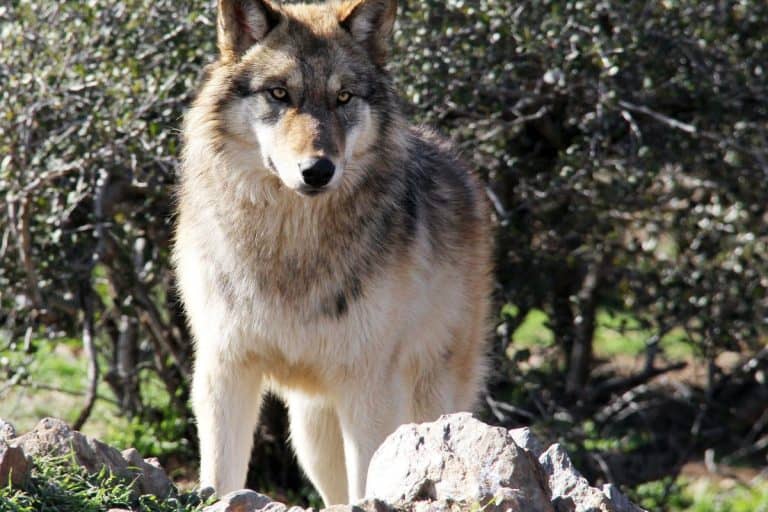
The type of response also varied by species. White-tailed deer, for example, expanded their niches as landscapes transformed, but shrank when human presence grew. Interestingly, sandhill cranes showed the reverse response, contracting their habitat use as landscapes transformed but expanding it when human presence grew. Wolves, by contrast, expanded their habitat use when humans were present. Ruth Oliver, assistant professor in UCSB’s Bren School of Environmental Science & Management, suggested the findings had conservation implications. She told Science Daily, “Every species has different habitat requirements, its own particular behavioral tendencies, and faces unique threats. Effective conservation requires that we understand the particular challenges that each species faces.”
Environmental Implications
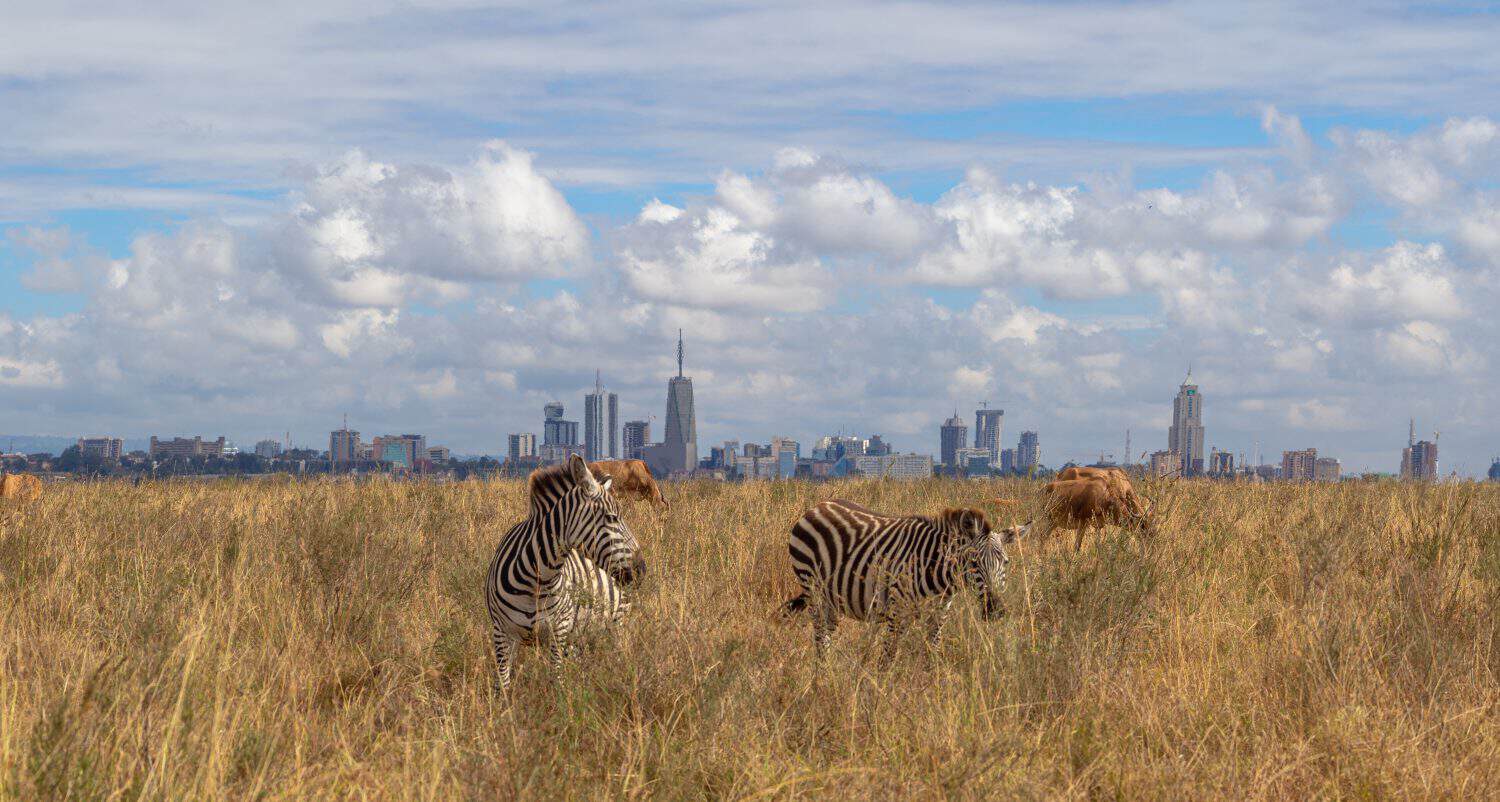
Research like this could help better shape conservation policies to help humans and animals peacefully coexist.
©luckymi/Shutterstock.com
This study came about thanks to an international effort to study the effects of radical changes in human activity on animals. We live in the Anthropocene era, but the sudden drop-off in human activity led some researchers to call the lockdowns the “anthropause.” The study is also one of the most ambitious of its kind, involving 600 partners, 13,000 animals, and 1 billion location records. The research provides a detailed look at how human mobility, land modificaiton, and animal movement are related. It also opens up a discussion about better conservation strategies.
Despite humanity’s apparent domination of the Earth, researchers like Ruth Oliver remain optimistic that humans and animals can coexist peacefully through more nuanced environmental management and conservation policies. She told Science Daily, “Our current study shows that animals change how they use space and resources, but we don’t know if these changes are helping them adapt or are a sign of stress. Our group is now digging into that question by asking whether animals that change their behavior in response to human pressures are at greater or lower risk of dying.”