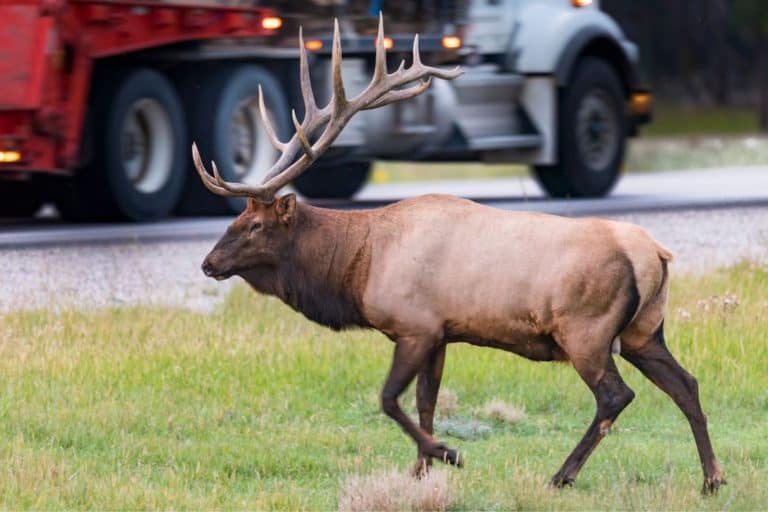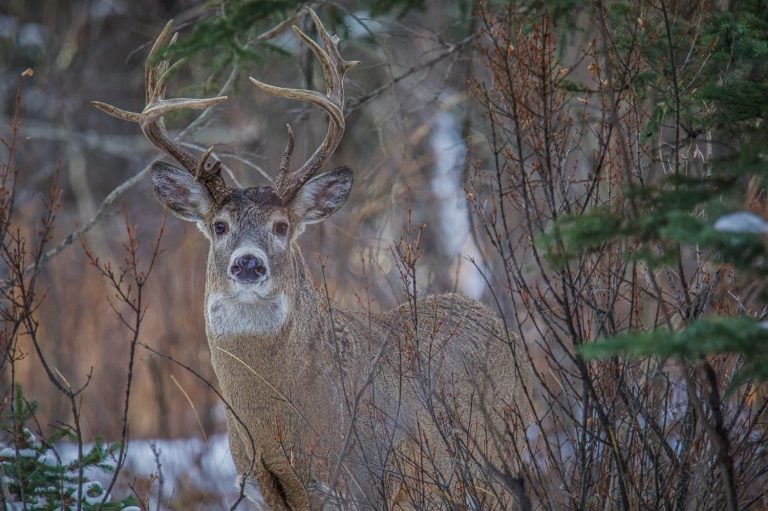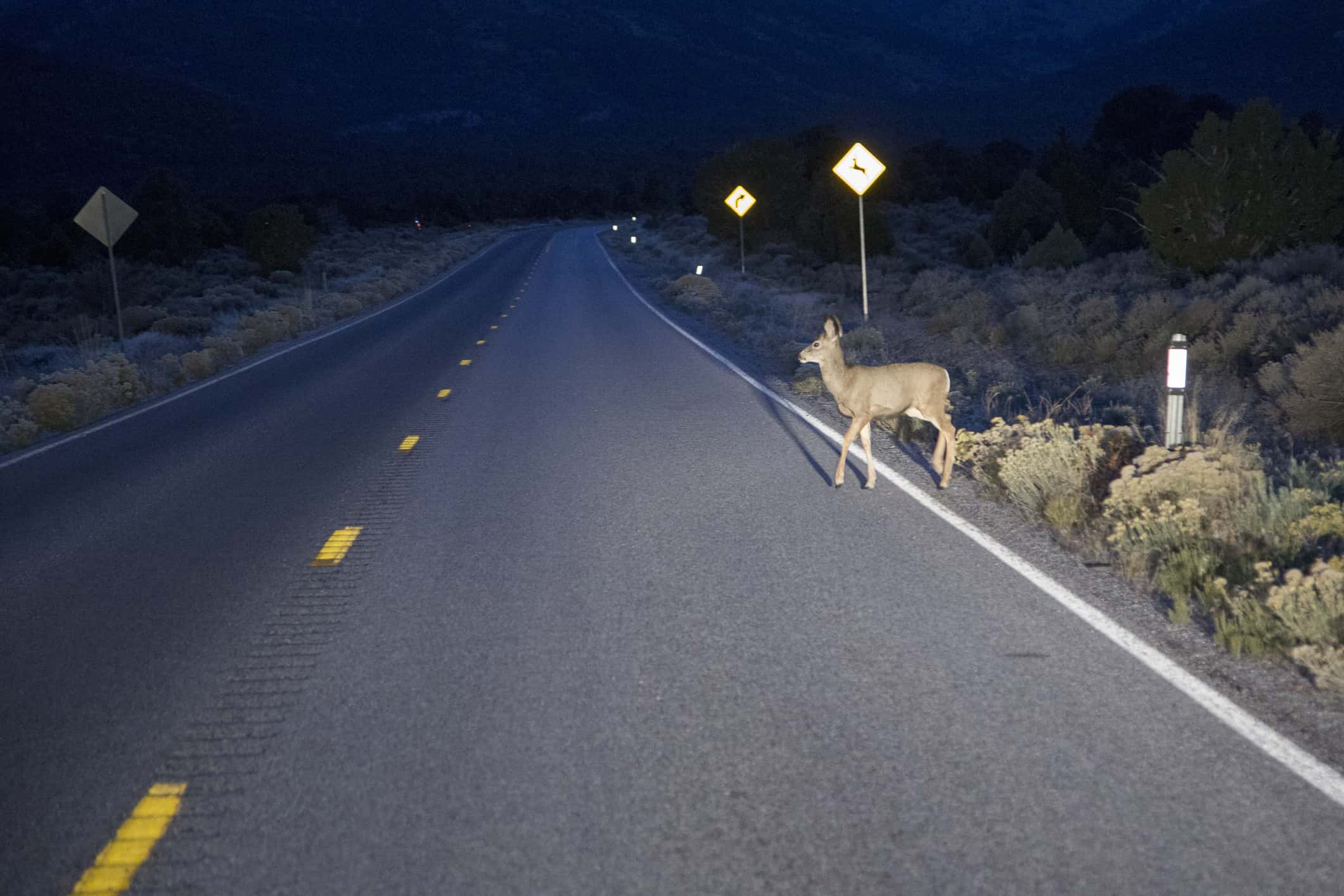

Autumn is deer mating season—especially from October to December. During this time of year, deer become more active at dawn and dusk, resulting in risky behaviors near roads and highways. As a result, it’s common to see deer carcasses on the side of highways and interstates.
Whenever you’re driving through wooded or deer-populated areas, it’s crucial to take the proper precautions. If you do hit a deer, there are specific steps you should take to ensure safety—for both yourself and the animal.
Hitting a deer is incredibly shocking for any driver, but it’s important to remain level-headed in the aftermath.
Joshua Branch, Founder and Personal Injury Attorney at Law Offices of Joshua W. Branch
Four Crucial Steps

If you hit a deer while driving, it’s crucial to remain calm and pull over.
©GUNDAM_Ai/Shutterstock.com
Here are four crucial steps to take if you hit a deer.
1. Pull Over Immediately
As you would after any accident, pull to the side of the road immediately after hitting a deer.
“Whether you saw the deer and tried to avoid it or it came out of nowhere, you should pull over to a safe spot on the side of the road,” says Joshua Branch, Founder and Personal Injury Attorney at Law Offices of Joshua W. Branch. “Put on your hazard lights, especially at night, to stay visible.”
2. Remain Calm
Hitting a deer—especially in the early morning hours or the middle of the night—can be traumatizing. However, staying calm ensures you can properly handle the aftermath of the accident.
“Hitting a deer is incredibly shocking for any driver, but it’s important to remain level-headed in the aftermath,” says Branch. “Make sure that if you get out of your vehicle, you do not enter traffic lanes.”
3. Check on the Deer
You might wonder whether you should get out and check if the deer is still alive. This can help you assess the situation and decide if you need to call for help.
However, keep in mind that “while [deer] can be docile creatures, when they are stunned, they can be incredibly unpredictable,” Branch explains. “It is best to keep your distance, even if it appears wounded or deceased.”
4. Call for Assistance
If you find the deer is in bad shape, call for help so they can receive the proper medical attention.
“An injured deer can still pose a danger to you and other people in the area, and a dead one can be impossible to move without help,” says Branch. “Officials stress that drivers should never attempt to move the deer and instead call the police or your local wildlife agency for guidance.”
If the deer ran off, you are generally not required to alert authorities about the animal. But if your vehicle is damaged and you are injured, you have some calls to make.
“If the deer runs off and your vehicle is damaged or you are hurt, call 911,” says Branch. “In some states, the law requires you to report injuries or major property damage, and knowing what is mandatory in your state can keep you out of trouble if you ever find yourself in this situation.”
How to Avoid Hitting a Deer

Deer will often wander into the roadway without realizing the risk.
©Tom Reichner/Shutterstock.com
While it’s not always avoidable, there are some ways to lessen the risk of hitting a deer.
Reduce Your Speed Through High-Risk Areas
Speeding greatly increases your chance of hitting a deer or other animal, as you won’t have as much time to avoid them once they’re in your path.
“It’s true that deer are most active during dusk or dawn, and armed with that knowledge, drivers can take some proactive steps,” says Branch. “If you’re driving through a high-risk area where you’re more likely to encounter a deer, typically woodland or creek areas, reduce your speed, which can minimize damage and injury if you do hit a deer.”
Use Your High Beams
Using your high beams can help you see any deer lurking on the side of the road or further down the street.
However, “drivers should never swerve abruptly, as this can lead to a far worse accident,” says Branch. “Ideally, slowing down, using your high beams, and being hypervigilant for the potential presence of deer should minimize your risk.”
Practice Awareness
It’s easy to zone out while you’re driving, especially if it’s early in the morning or late at night. Perhaps you’re exhausted, or maybe you’re jamming out to your favorite album. Whatever the case, make sure you’re vigilant to avoid any accidents.
“Deer tend to stick together and often traverse the land in groups. So, if you see one on the shoulder of the road or crossing the street, there are probably more of them following behind,” says Branch. “Deer are known to suddenly bolt from cover, though driving slowly and with high beams can help you see them on the sides of the road. When deer are mating or migrating, or you’re in an area known to be where deer like to call home, always exercise extra prudence while behind the wheel.”