
Anyone who has ever had a dog will have encountered at least one episode of doggy diarrhea. It is the most common condition seen in small animal primary care, but many more cases are dealt with at home by dog owners. Only 37 percent of dogs with any form of diarrhea are reported to receive veterinary care. We often dismiss it as unimportant and down to ‘something they ate or a bug”. Given the scavenging nature of most dogs, this is not an unreasonable assumption. However, there can sometimes be more to it. This may not be the most glamorous of subjects, but this article will share some recent research conducted in the UK into the incidence, risk factors, and management of this common canine complaint.
How Was the Research Conducted?
The researchers collected data from all dogs participating in a particular care programme during 2019. Records of the dog’s breed, age, neuter status, clinical condition, body weight, and treatment were collected. Statistical analysis was used to calculate the incidence of diarrhea and risk factors for the condition.
Importantly, the diarrhea cases in this study were not recorded within a broader formal diagnosis of another condition or of poisoning. Diarrhea is a symptom of many other diseases/conditions in dogs, including pancreatitis and liver disease. The study findings do not relate to those diseases.
Incidence of Diarrhea
The study found that 8.18 percent of dogs under primary veterinary care in the UK suffered an episode of acute diarrhea over a one-year period. This is higher than that recorded in previous studies. The increase may be due to owners being more inclined to take their dogs to a vet or may reflect some new strains of enteropathogens circulating in the canine community. An alternative explanation is differences in the way the data were collected.
Which Dog Breeds Get Diarrhea the Most?
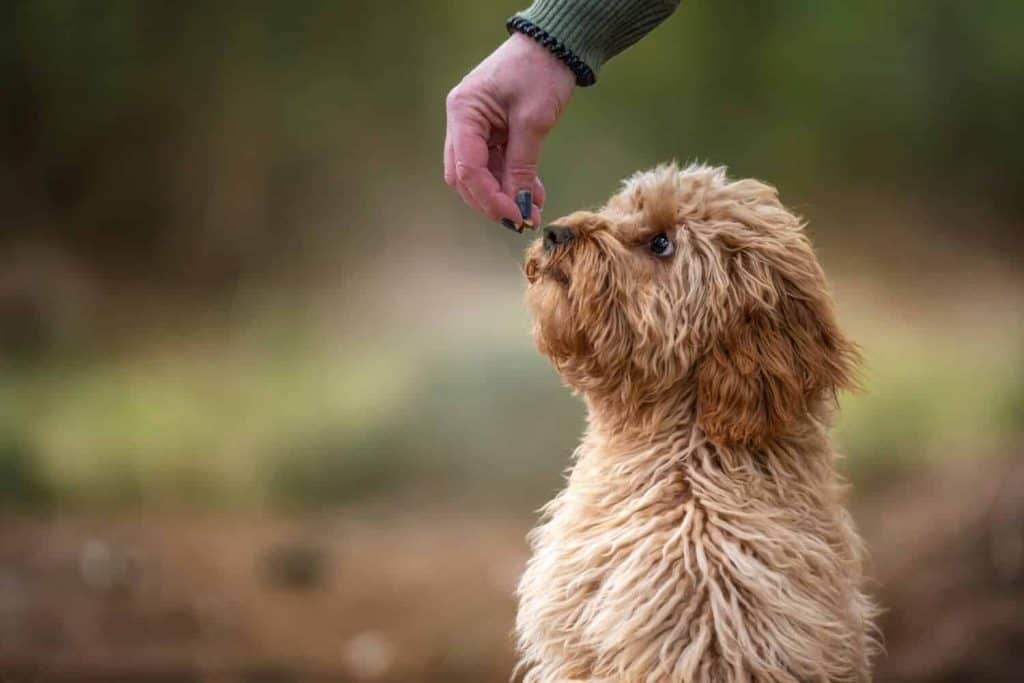
The incidence of diarrhea was higher in cavapoos.
©chrisukphoto/Shutterstock.com
Of the acute diarrhea cases, 48.16 percent were female. The breeds with the highest incidence were cavapoos, miniature poodles, German shepherds, Maltese, Yorkshire terriers, and cockapoos. This is an interesting finding. It was widely believed that crossbreeds are generally healthier because of genetic diversity, so why are they more likely to get diarrhea?
The answer may lie in the vulnerability of the new so-called designer crossbreeds, which include cavapoos and cockapoos. These data show that these dogs were 1.34 times more likely to get diarrhea compared to other crossbreeds. Of course, this may simply reflect that owners of these breeds are more likely to take them to a vet. However, since poodles also have a predisposition to diarrhea, this vulnerability may be inherited from their poodle parent. This is particularly significant because it suggests that there is a genetic element to the condition.
There is good news for the owners of the brachycephalic breeds, such as French bulldogs. This study indicated that these dogs were less likely to get diarrhea, although the reasons for this are not known.
Which Ages Are Most at Risk?
The dogs most likely to get diarrhea are the young (under three years) and old (over nine years). In the young dogs, this may be explained by increased scavenging. We all know that pups will eat anything, and most owners put in a lot of effort to curb this behavior as the dogs get older. This is where the ‘leave it’ command comes in useful! However, once a dog reaches nine years of age, their risk increases again. This may be due to age-associated health conditions or altered gut microflora.
Symptoms and Treatment
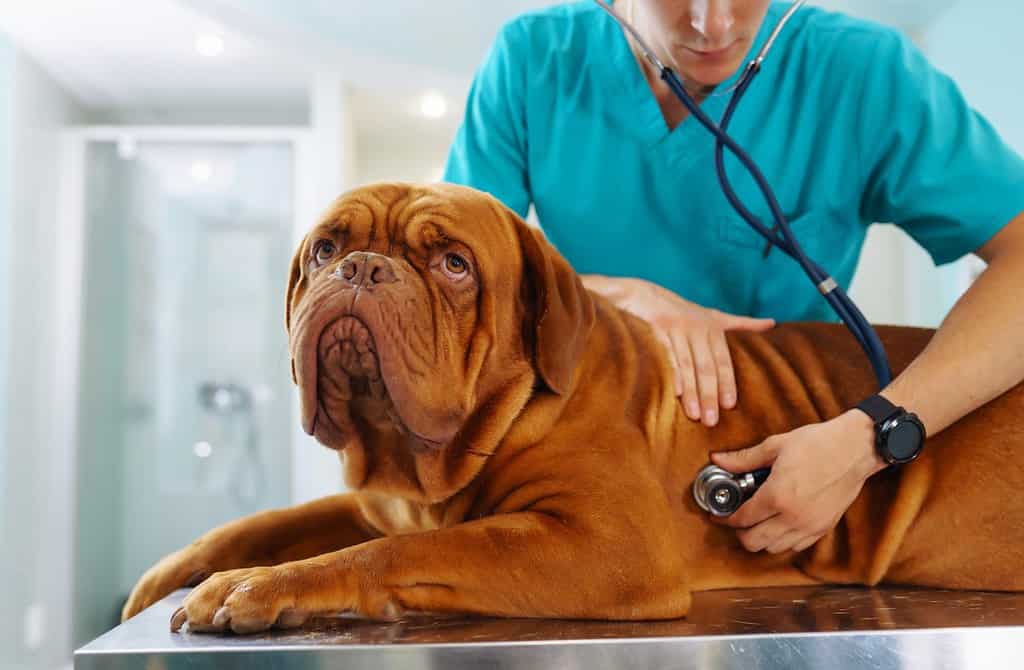
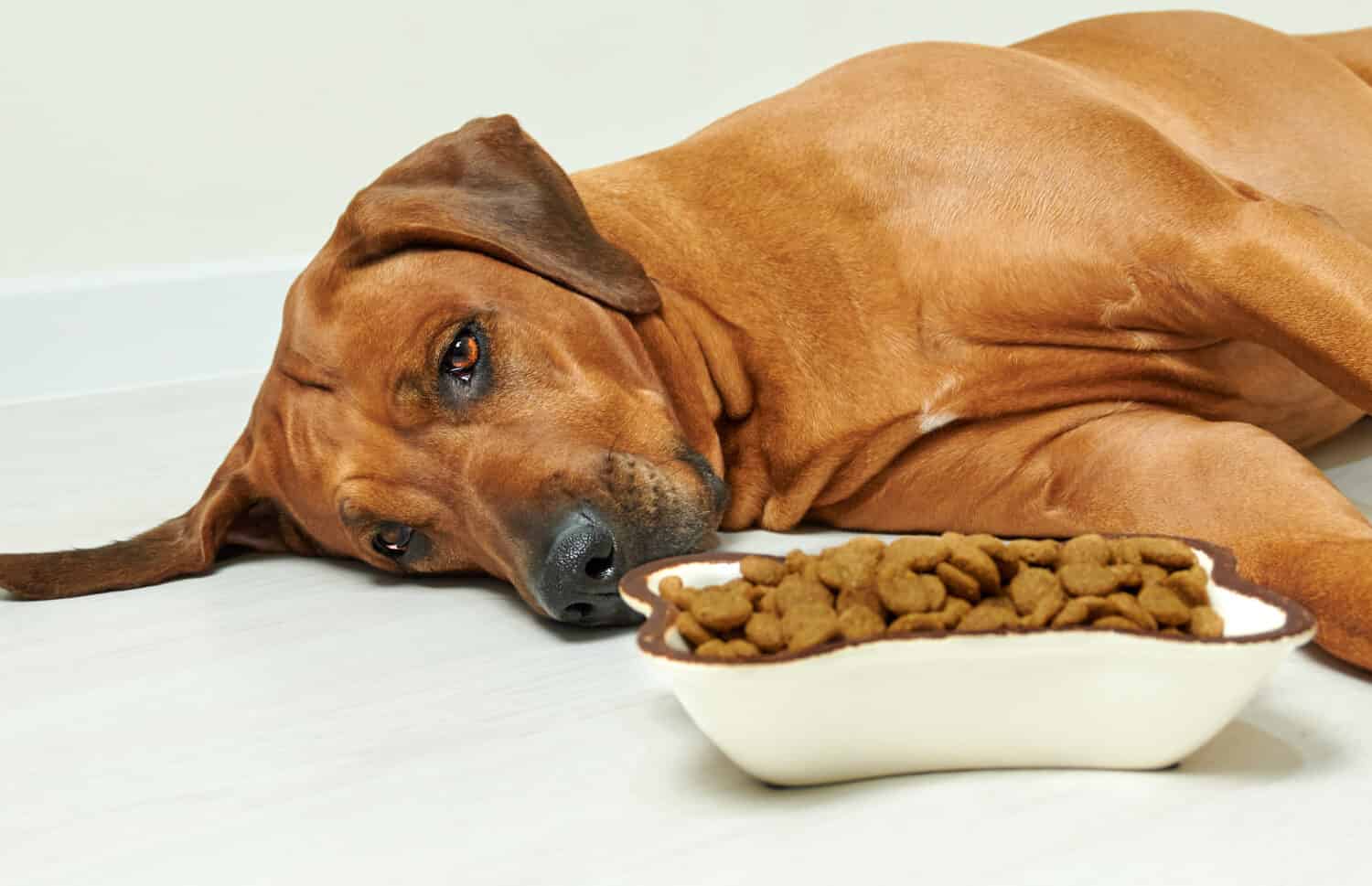
Most dogs make a good recovery from diarrhea.
©maxbelchenko/Shutterstock.com
Obviously, all the dogs included in this study had diarrhea. Also, 44.25 percent of them had vomiting, 27.68 percent had a reduced appetite, and 24.5 percent had lethargy. Other common symptoms were abdominal pain, pyrexia (fever), and dehydration. Sometimes (in 29.32 percent of cases), there was blood in the dog’s poop – this is called hemorrhagic diarrhea and is alarming for owners.
Some dogs underwent further investigations, including hematology, biochemistry, and fecal sample analysis. However, in the majority of cases, no laboratory tests were performed after the initial visit. Most of the ill dogs (59.62 percent) were treated with probiotics, and 43.98 percent received dietary advice. Other treatments were antibiotics and maropitant (an antiemetic). For the majority of dogs, acute diarrhea will not be a serious problem. Over 80 percent of cases did not need a second veterinary visit.
What Causes Doggy Diarrhea?
It is worth noting that no suspected trigger was recorded in 40 percent of the cases. However, for those where a trigger was identified, or at least suspected, the most common was scavenging or ‘dietary indiscretion’, which basically means that the dog has eaten something that it should not have. Many owners have caught their dogs emerging from a bush with a guilty look on their face and know instinctively that they have found something tasty to eat that will probably not agree with them! Other triggers identified by the study were gastroenteritis, colitis, a reaction to NSAID therapy, and dietary change.
Summing Up
The key takeaway from this study is that doggy diarrhea may be even more common than previously thought. There is evidence that some ages and breeds are predisposed to the condition, and this is important information for dog owners. The reassuring findings are that most cases are not serious and make a full recovery. Nevertheless, if you have any concerns, you should always speak to your vet.
Finally, as if we did not already know it, science has confirmed that dogs are their own worst enemy when it comes to gulping down things they should not eat!