
Quick Take
- Surviving a 1-foot nest encounter requires managing hundreds of aggressive insects simultaneously.
- The Vespa bicolor classification represents a lethal and ongoing threat to honeybee larvae populations.
- The internal tiers provide a counterintuitive housing capacity regardless of the outer shell dimensions.
- Completing the manual destruction stage requires full-body coverings to ensure survival against mass stings.
Many people are terrified of hornets, and for good reason—their potent, painful stings are extremely unpleasant and provide ample reason to avoid them. It’s extremely concerning when they gather in large numbers at their nests, especially since they will defend them with their lives. This Instagram post by @pubity shows a man, donned in safety gear, destroying a large black shield hornet nest with his hands. Read on to learn more about these hornets and their nests.
You should probably hire a professional to remove a black shield hornet nest.
©junrong/Shutterstock.com
Don’t Disturb Black Shield Hornets
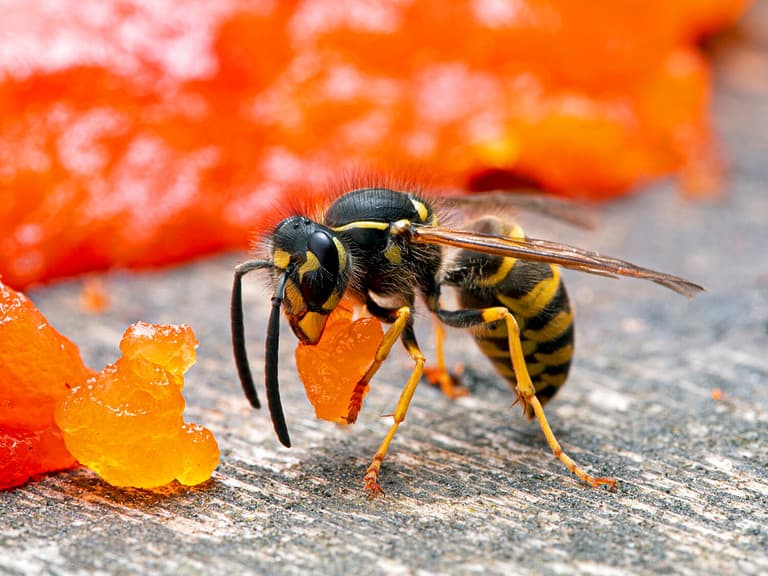
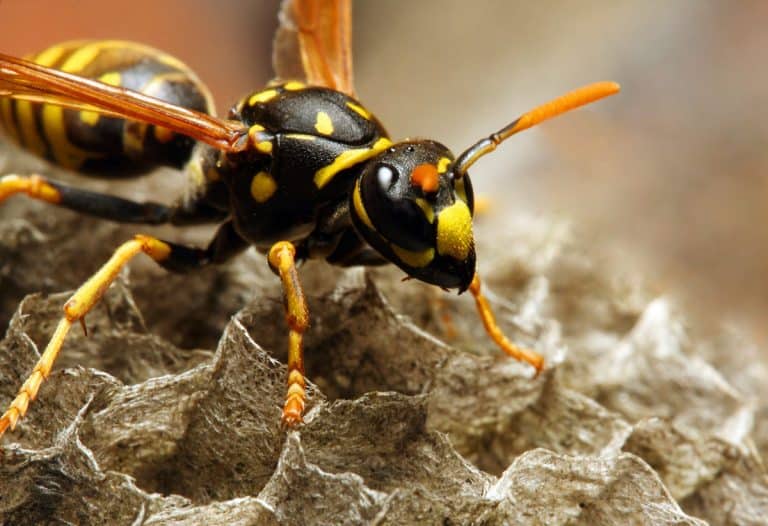
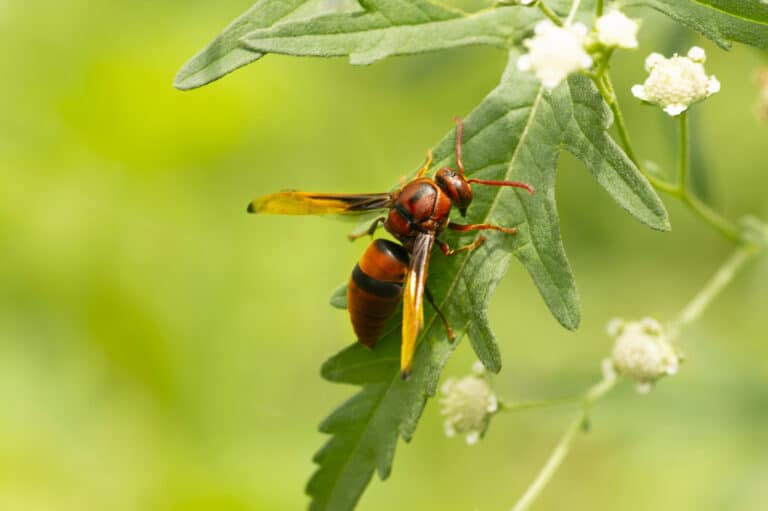
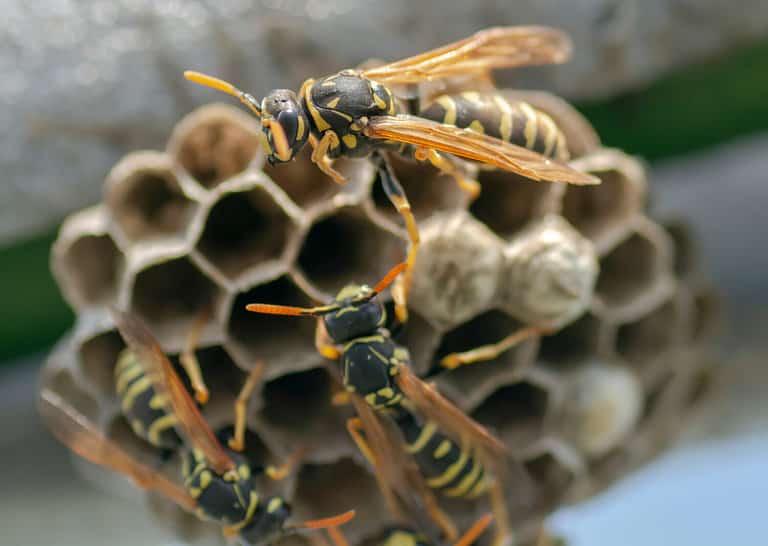
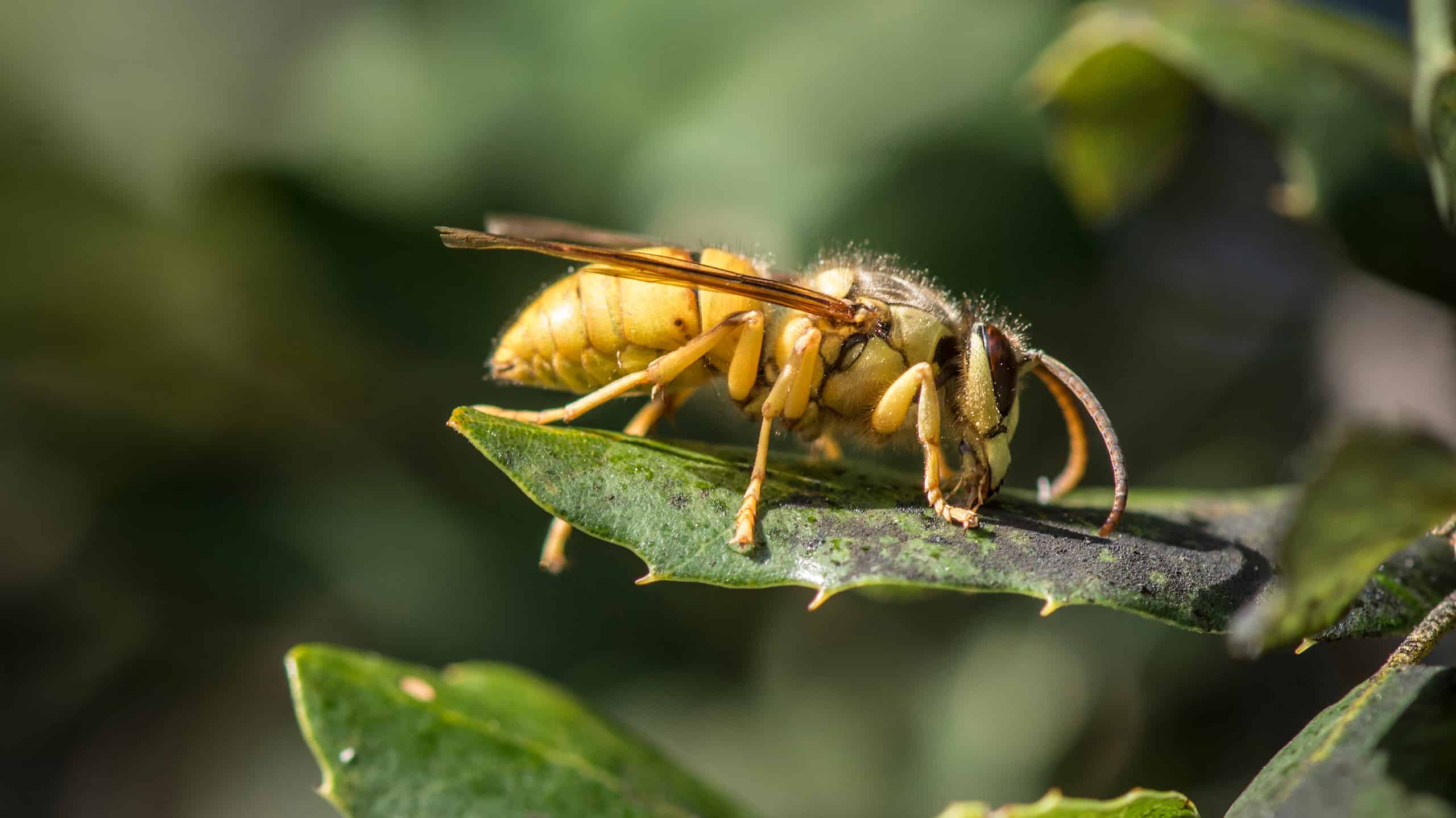
Black shield hornets (Vespa bicolor) are a common wasp native to Asia. They are primarily black and yellow in color, with some individuals displaying reddish-brown accents. They prey on insects such as honeybee larvae, making them a threat to the already declining bee population. These hornets commonly nest near humans, such as on buildings or trees, and with painful stings, can be dangerous. They often nest near humans because these areas provide abundant food and shelter, which hornets depend on.
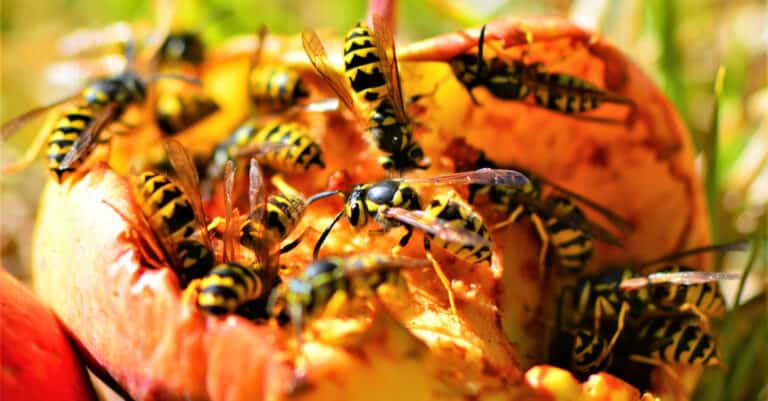
Because a large nest can contain thousands of hornets, it is crucial to ensure safe removal. If there is a nest near you, always call a professional to handle it. Professionals have special safety equipment, such as full-body coverings, that can protect them from stings. While the video above shows a crude method of removal, professionals typically use insecticides and specialized tools to remove nests.
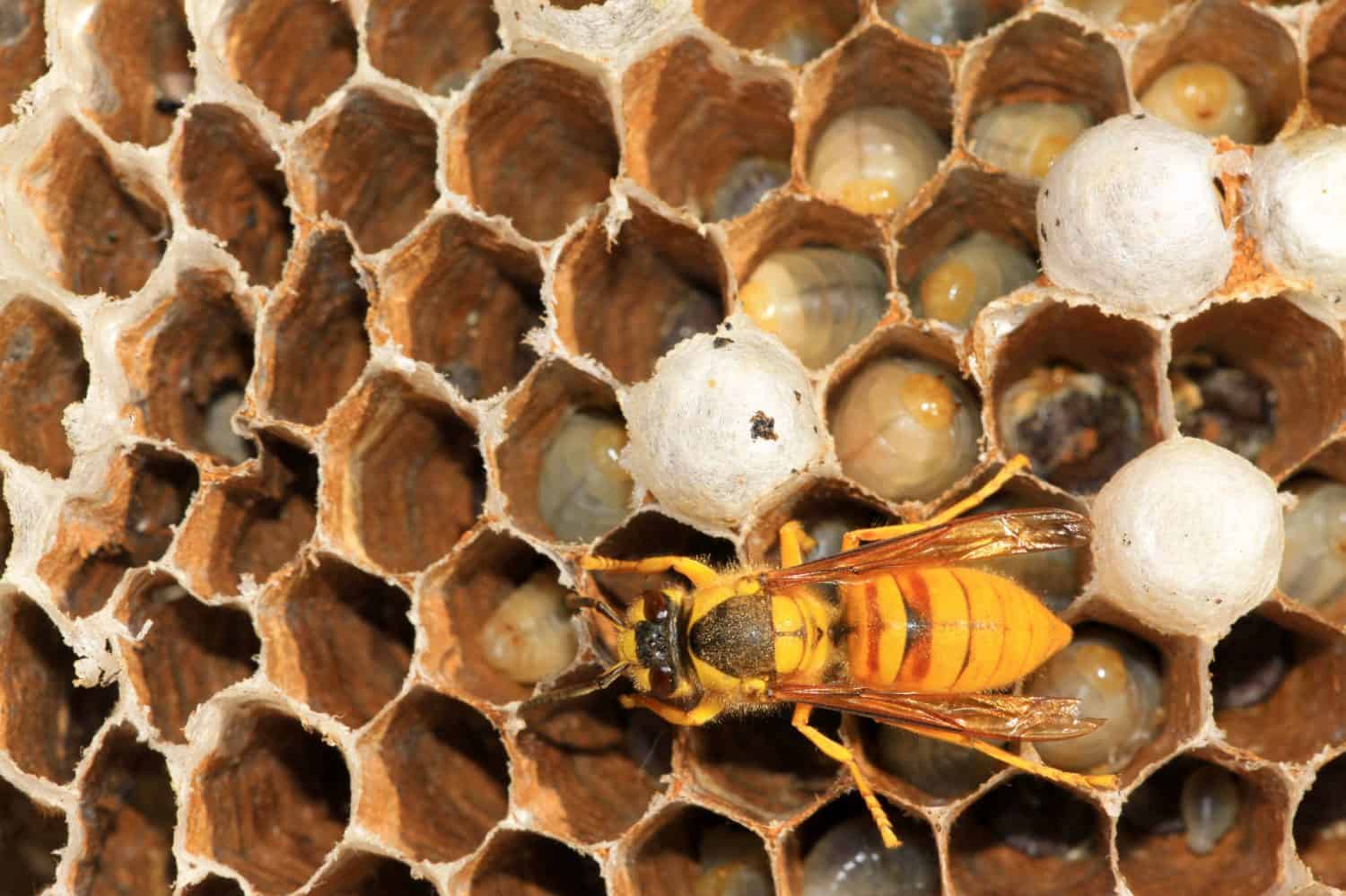
Like other hornet nests, black shield hornet nests are complex, papery structures. The hornets use chewed-up wood pulp and their saliva to create the structure. While they start small, with only a few cells, they grow larger as the colony population increases. They can grow up to about a foot in diameter, typically hosting several hundred hornets.
The internal structure of a nest is extremely complex, consisting of different tiers of cells. These combs of cells house the hornets and their larvae. The interior is deceptively spacious, housing more hornets than you might expect. This is why so many hornets swarm the man in the video above, despite the nest’s seemingly small size. This is why it is important to call a professional for a hornet nest removal.