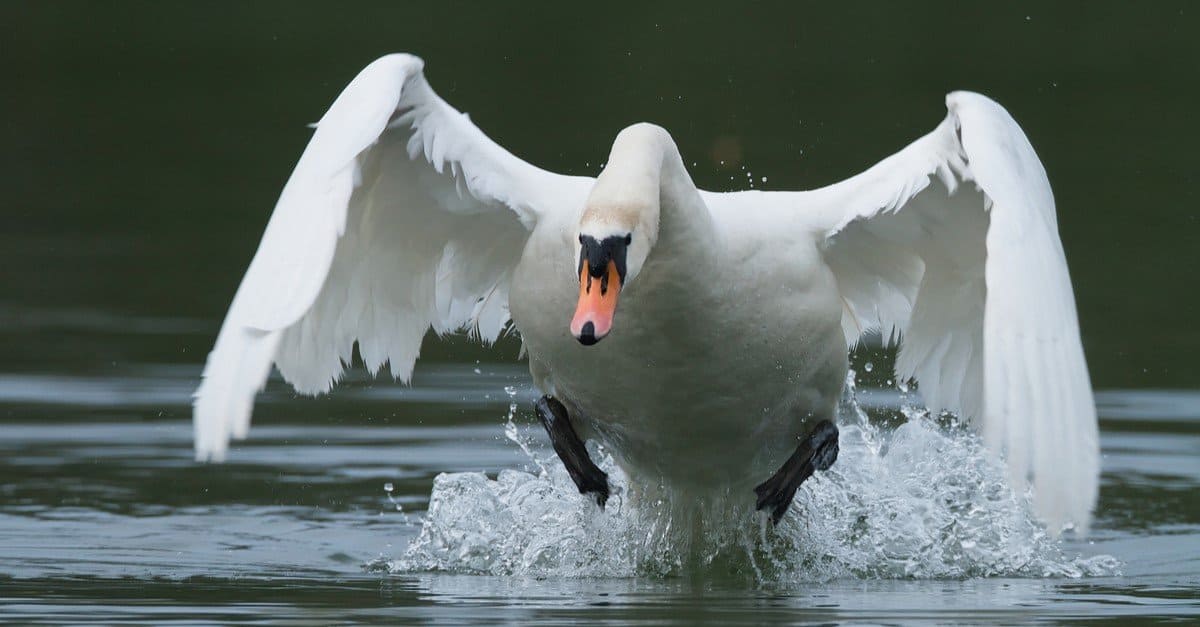

Hunters have been given the right to kill mute swans by the California Department of Fish and Wildlife. These elegant and serene birds are more destructive than their appearance would suggest. Measures are now being taken to control their numbers and protect other species.
Mute Swan Range
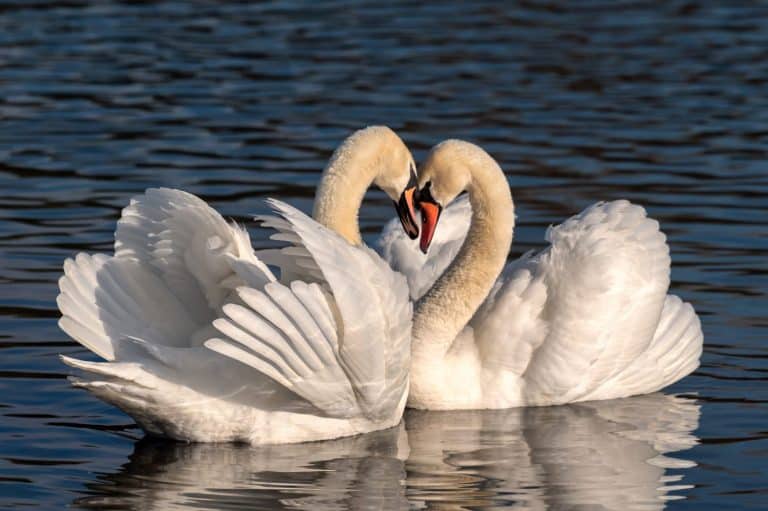
Mute swans (Cygnus olor)are large birds with a wingspan of between 6.5 and 8 feet. Their preferred habitats are well-sheltered bays, open marshes, lakes, and ponds. They are a native species of north-central Europe and north-central Asia, but were successfully introduced to North America during the 1800s. Originally, their beauty was valued here in parks and private estates, but many escaped and their populations have expanded in the wild, including in California.
In California, they were first detected by the California Department of Fish and Wildlife (CDFW) in Suisun and Napa marshes in 2007. However, their current population has been growing.
Problems Caused by Mute Swans
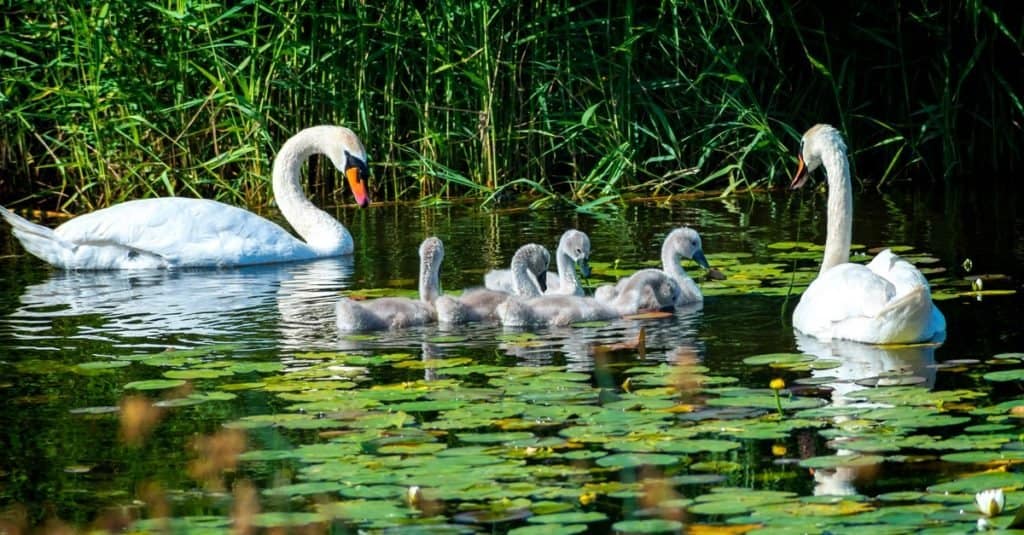
Mute swans are big eaters.
©Sergei25/Shutterstock.com
Whenever a new species is introduced into an ecosystem, it can disturb the delicate balance of creatures and plants that are already found there. Mute swans eat mainly aquatic vegetation supplemented by small quantities of insects, fish, and frogs. These birds do not have to dive to eat; they reach food by plunging their heads under the water. Unfortunately, they can outcompete other bird species that feed in a similar way.
In an interview in this article on the San Francisco website SFGATE, CDFW spokesperson Melanie Weaver described these swans as “aquatic feral pigs,” putting away up to 8 pounds of vegetation a day. They can also drive away other birds from their nests and even kill other species. These swans have even driven away Canada geese.
Mute swans have a reputation for being aggressive birds, which explains why they have very few predators. The adults are usually only preyed on when they are old or ill. Starting January 1, 2026, people with a California hunting license will be able to “take,” or kill, invasive mute swans.