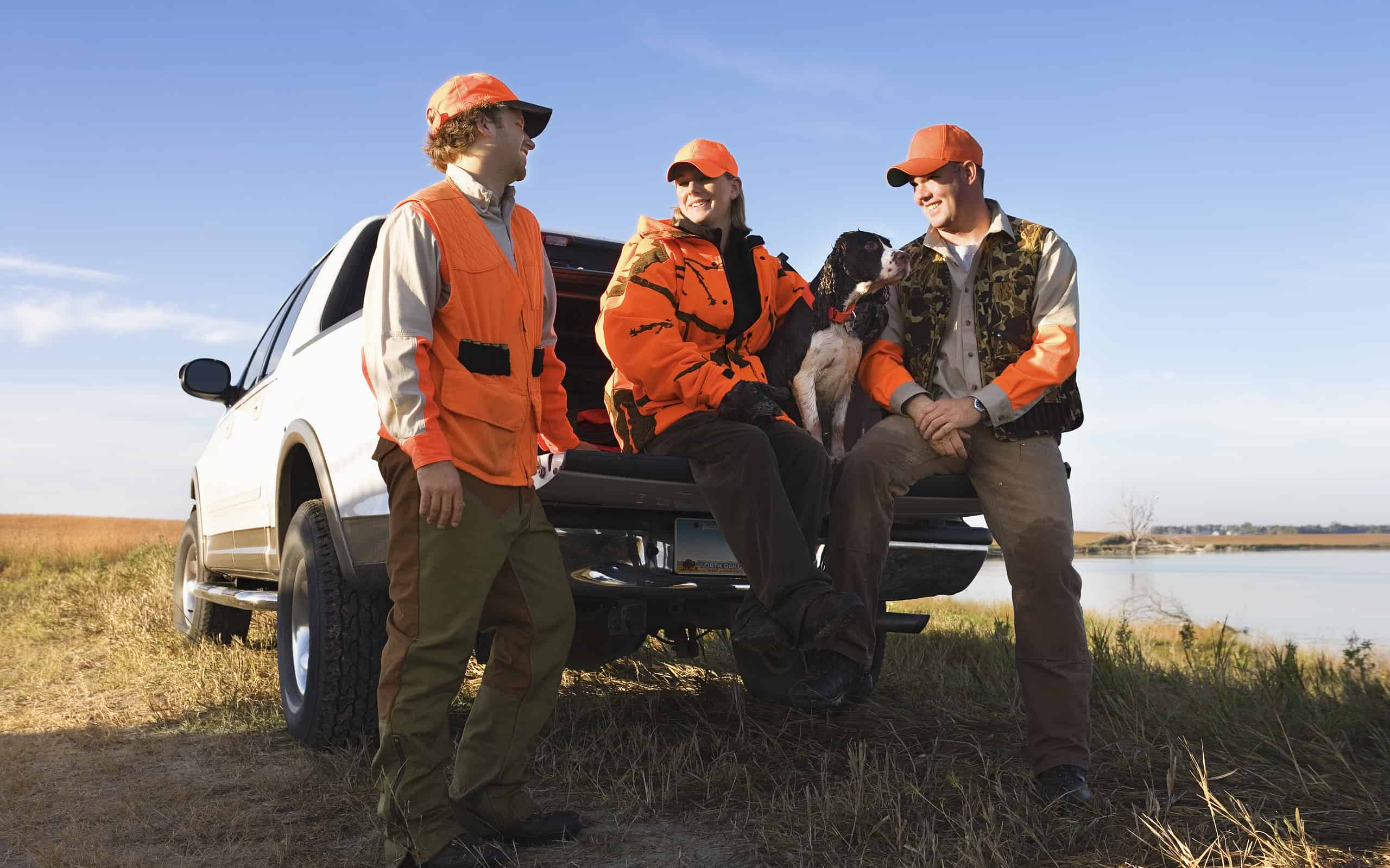

New Hampshire’s forests are ideal hunting grounds for many species and game, but black bears are a top-tier choice for many hunters in the region. Black bear hunting season in 2025 has an official start date, continuing a long-standing schedule that has helped New Hampshire maintain one of the most stable bear populations in the Northeast. When does this season begin, and what regulations should you know about before setting off into NH’s forests?
We’ll break down New Hampshire’s black bear hunting season, their requirements and regulations, and ethical practices, as well as an overview of the state’s evolving approach to wildlife management. Let’s dive into the details every bear hunter in New Hampshire should know.
Season Dates and Hunting Methods
©Mark Castiglia/Shutterstock.com
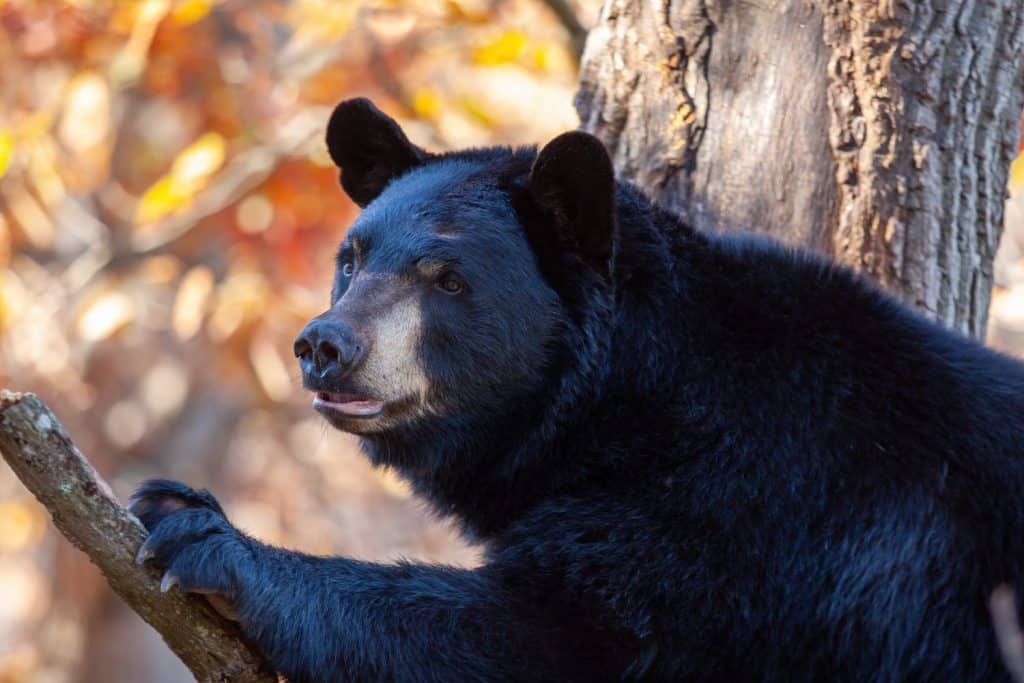
The 2025 black bear season in New Hampshire officially began on September 1st and extends through most of the fall. Hunters can hunt bears using a variety of methods, including still hunting, stalking, or hunting with bows, crossbows, or muzzleloaders. Specialized methods, such as baiting or hunting with dogs, are only permitted during specified portions of the season. Additionally, each method requires separate licensing and adherence to strict guidelines.
The state’s general bear hunting season aligns with NH’s broader fall hunting calendar, running through November in most areas. The exact closing date depends on the hunter’s chosen method and location, but most of the state offers several weeks of hunting opportunities.
Licensing, Tags, and Legal Requirements
©Josef Pittner/Shutterstock.com
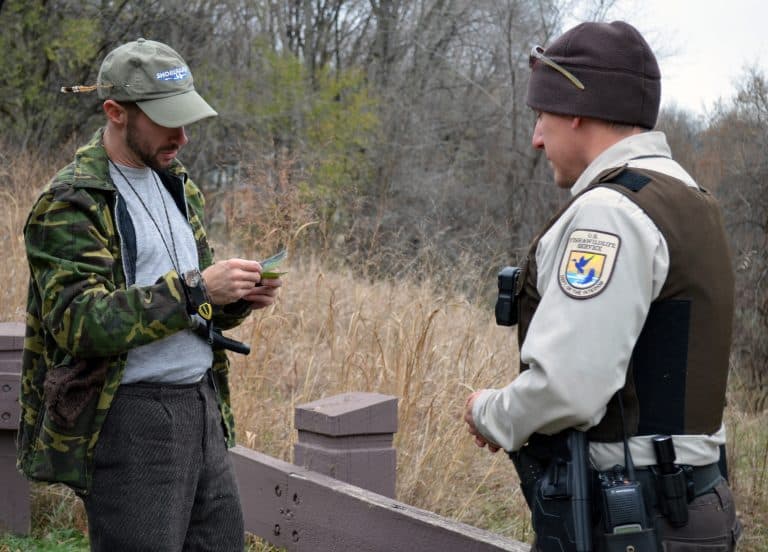
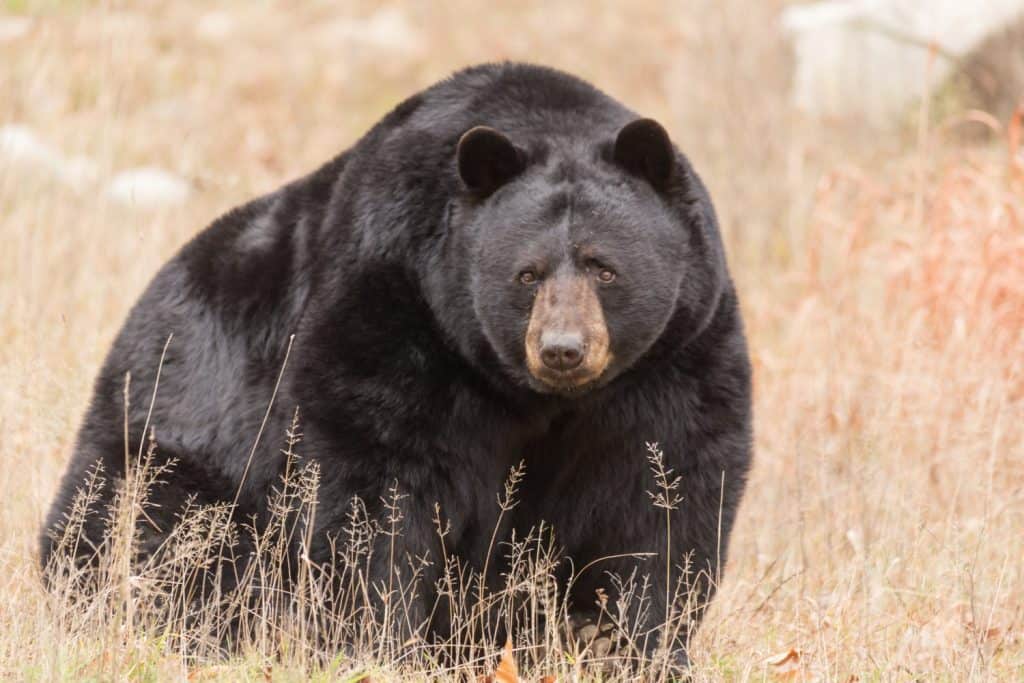
To hunt bears in New Hampshire, all hunters over the age of 16 must possess a valid state hunting license as well as a bear license and tag. Hunters under the age of 16 must also hold a bear license but are exempt from needing a general hunting license.
Only one bear may be taken per hunter, per season, and every harvested animal must be properly tagged immediately after the kill. Registration is also mandatory within 24 hours of the harvest. Hunters are required to bring the bear to an official check station or contact a Conservation Officer for verification.
Hunting with Dogs or Bait
©juliazara/Shutterstock.com
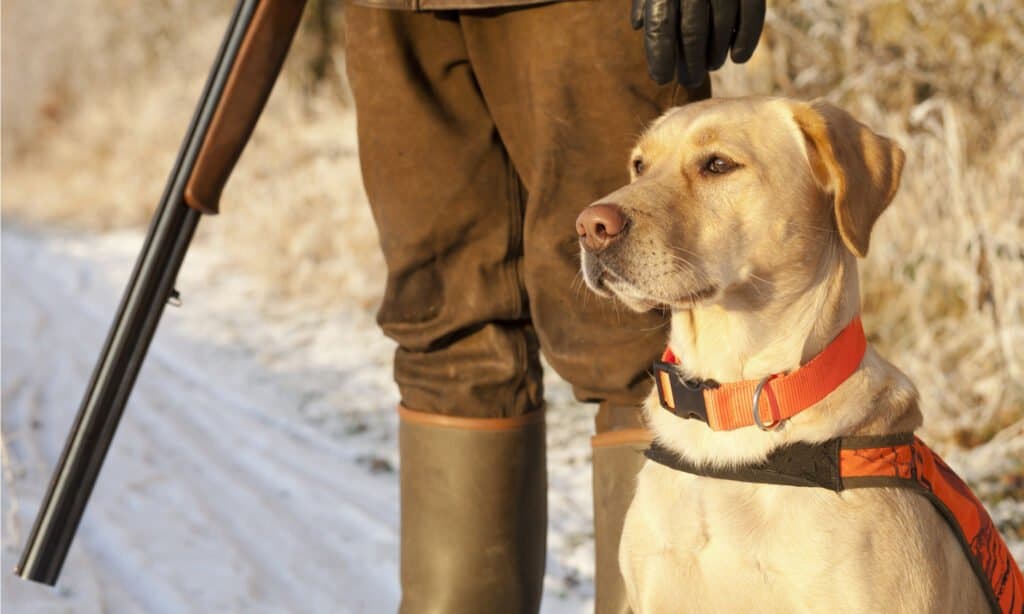
Hunting bears with dogs or over bait is a long-standing practice in New Hampshire, but both require extra steps and additional regulation. Hunters who want to use dogs while hunting must apply for a special permit. However, nonresidents are permitted to bring dogs if their home state allows bear hunting with hounds and they obtain the proper paperwork.
Baiting for bears is allowed in certain areas but under strict conditions. Hunters must apply for a permit and are responsible for maintaining clean, lawful bait sites. The state prohibits bait placement on public trails, near occupied dwellings, or in areas where it could create conflicts with other outdoor recreation opportunities.
What Hunters Should Know Before Hunting in NH
©Ben McMurtray/Shutterstock.com
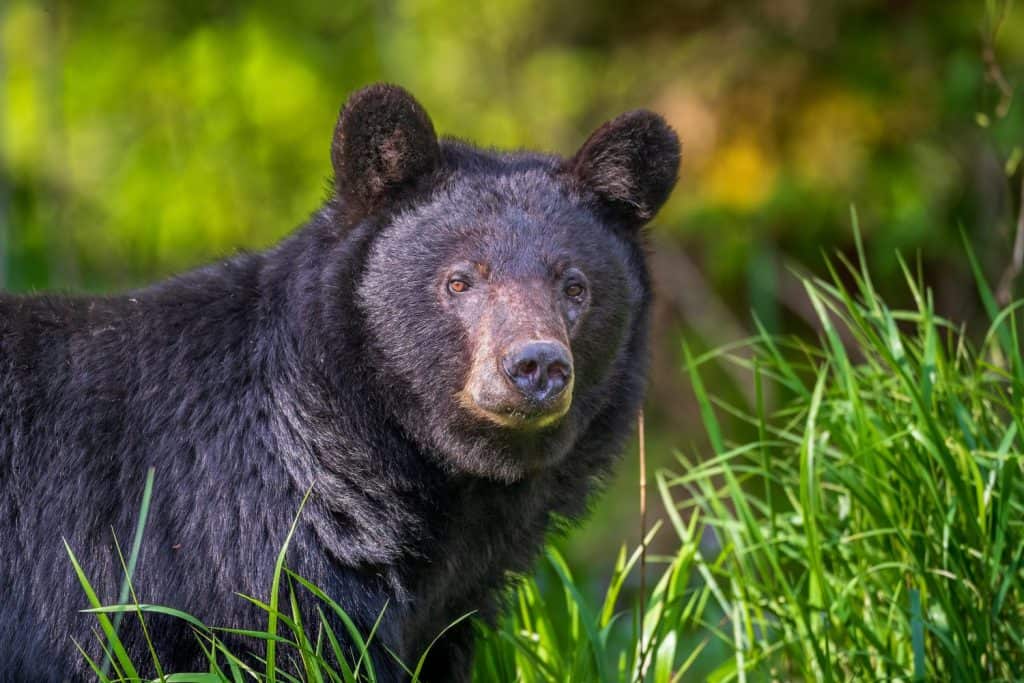
Preparation is one of the most important parts of a successful bear hunt in New Hampshire. Bears are most active in early morning and late evening, and experienced hunters recommend scouting for fresh signs like tracks, overturned logs, and claw marks on trees before the season even opens.
New Hampshire wildlife officials encourage hunters within the state to take only clear, ethical shots and to avoid unnecessary suffering. Hunters should also be mindful of scent control, as bears have an exceptional sense of smell and can detect human presence from long distances; they may smell you and avoid you.
Equally important to the state and for hunters to remember is habitat preservation. Leaving no litter, avoiding disturbance of den sites, and respecting private land boundaries all contribute to maintaining this recreational opportunity for years to come.
Bear Populations and Numbers in New Hampshire
©PVminer2/Shutterstock.com
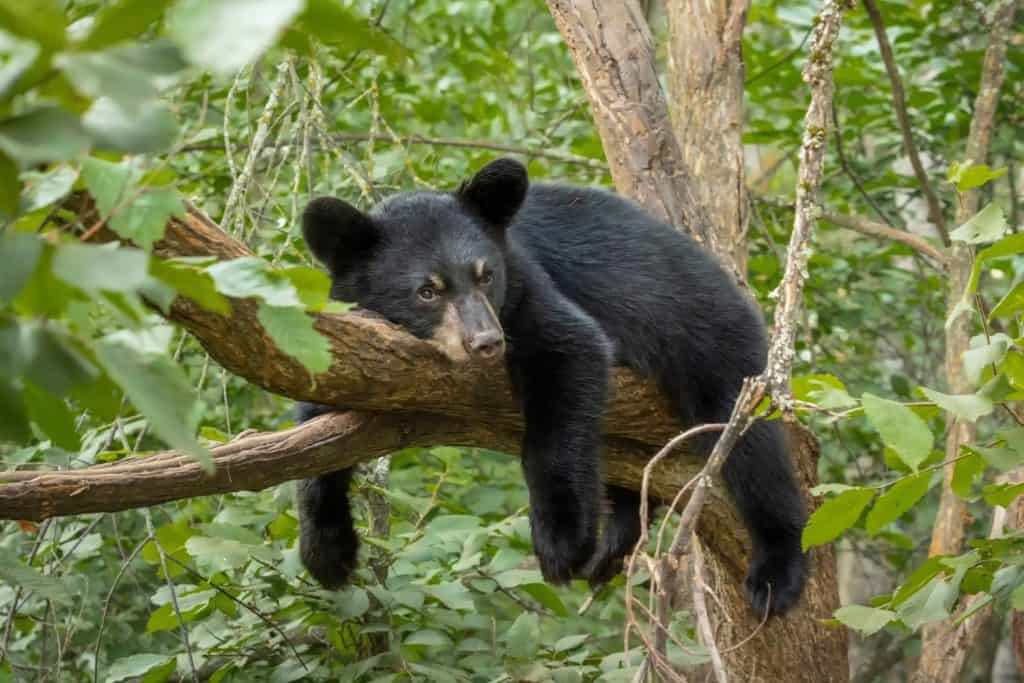
New Hampshire’s black bear numbers have steadily increased over the past few decades, stabilizing at sustainable levels even with a regulated, annual harvest. In fact, in 2024, the state reported one of its highest recorded bear harvests, likely due to adjusting season lengths and regional quotas as needed to maintain this balance.
Bear biologists track all harvest data, reproduction rates, and cub survival to determine whether future adjustments to NH’s hunting season are necessary. Sustainability is the state’s main priority, no matter what.
What’s Ahead for 2025
©paul geilfuss/Shutterstock.com
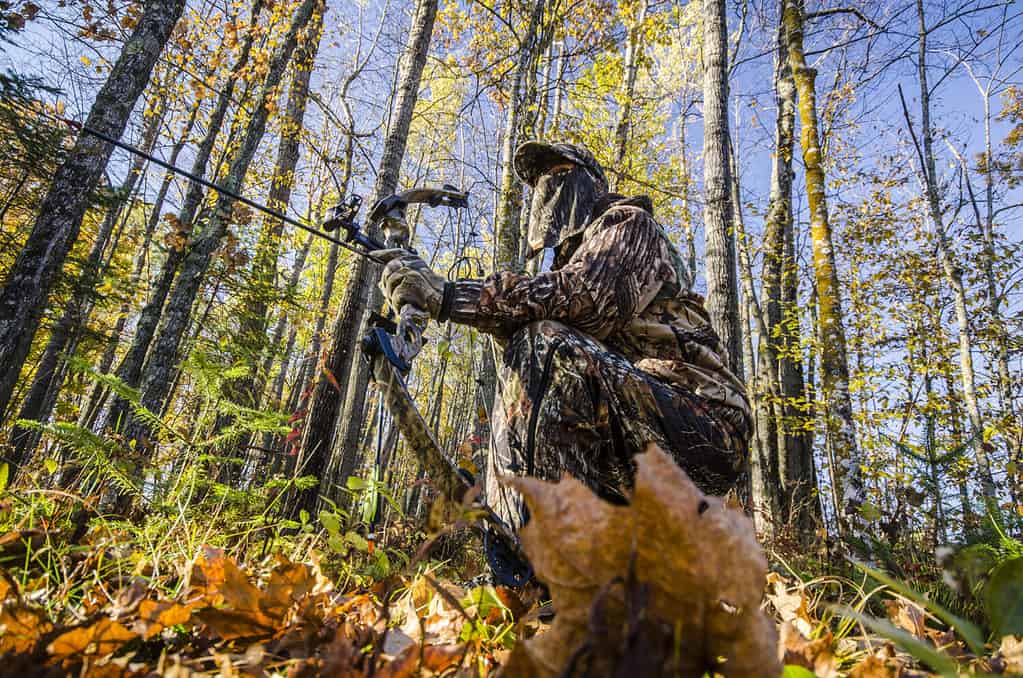
The 2025 season is expected to follow the same structure as previous years, though state officials continue to evaluate data from recent harvests in case the hunting season needs to end a bit early. Because of this, hunters are advised to review the latest regulations as the season progresses, as rules can change based on new wildlife data.
For those who hunt and enjoy hunting black bears in New Hampshire, your time has begun. Remember that stewardship and sustainability are core concepts behind this state’s success, so always follow all protocols and advisories as you prepare your next big hunting trip.