
Quick Take
- Black vultures have expanded into the Midwest as winters warm, targeting calves and young livestock and causing ranchers’ losses.
- Black vultures are protected under the Migratory Bird Treaty Act, so they cannot be hunted unless a permit is issued after documented depredation.
- The Black Vulture Relief Act would allow more killings, but conservationists warn it could harm ecosystems and unfairly target beneficial vultures.
As if more evidence were needed of the detrimental impact of climate change, recent reports from the Midwest state that ranchers are losing money hand over fist due to the increasing population of a bird that was once only a visitor to the region. Ranchers are at a loss financially and in terms of how to control the birds that target their young, vulnerable animals. But with black vultures protected, there is currently little that can be done to deter these wily birds, which both consume carrion and attack baby livestock shortly after birth.
Why Have Black Vultures Increased Their Reach?
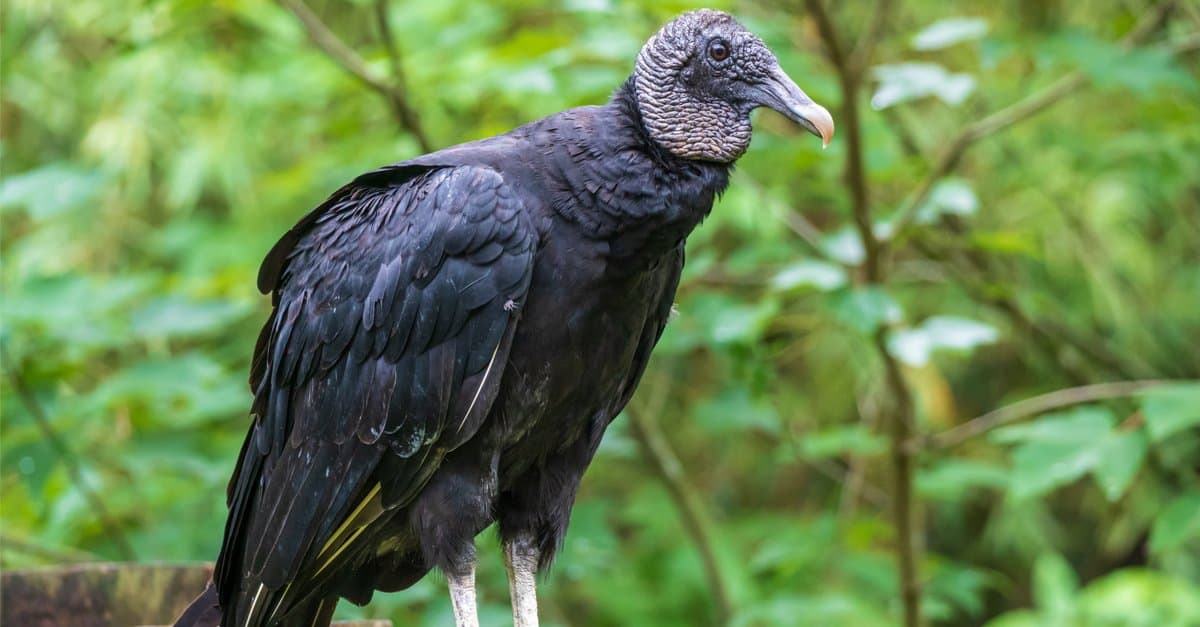
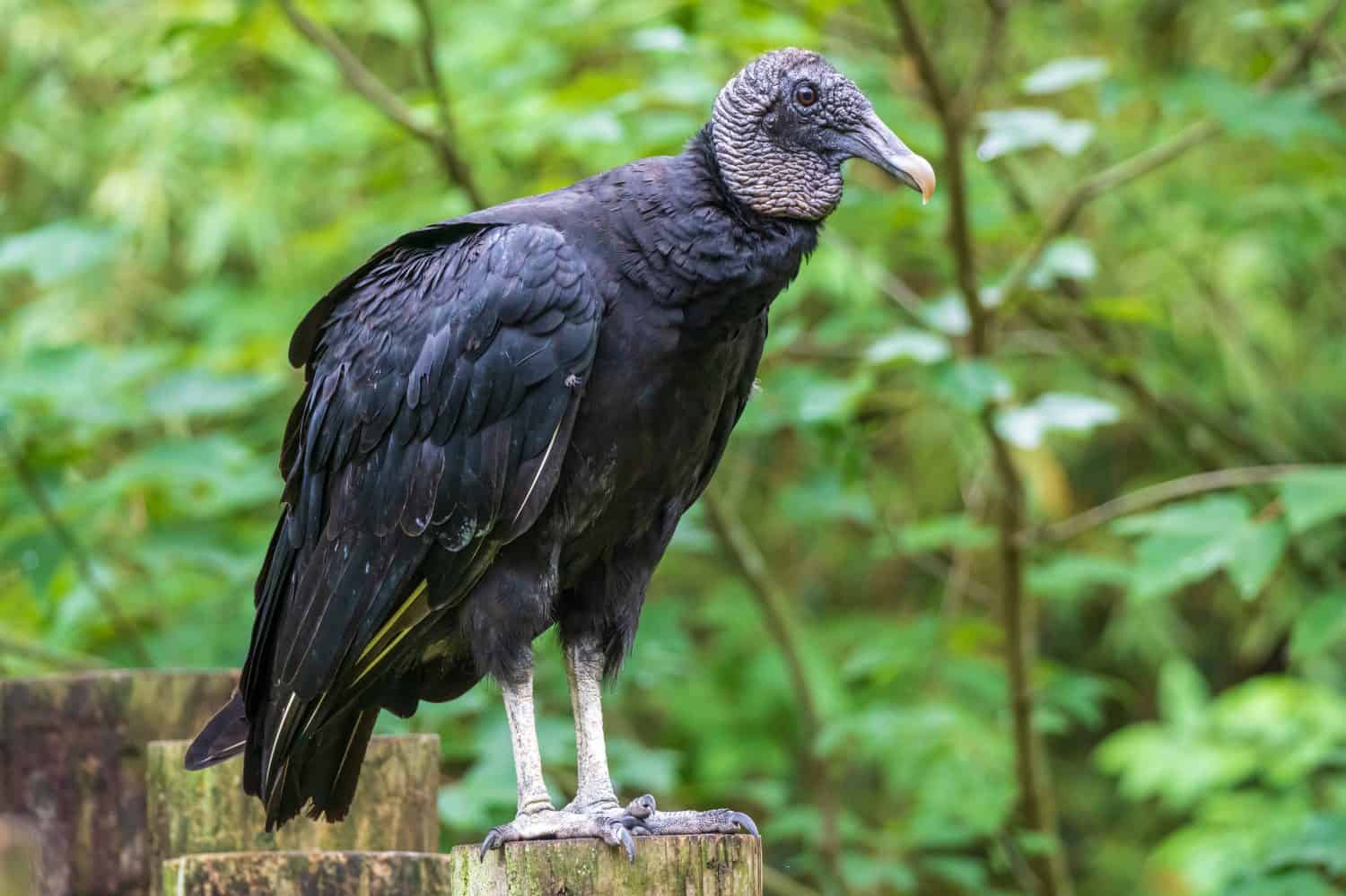
Black vulture populations have increased in the Midwest due to climate change.
©tamara321/Shutterstock.com
Black vultures have been a part of the Midwest for over a century. During that time, the bird population was relatively small. The cold winters forced the birds to live south of the region, leaving the region’s states virtually free of them.
Over the last several decades, temperatures in the Midwest have increased significantly. Not only is this felt in the summer months, but also in the winter. It is the milder winter temperatures that have allowed the black vulture to expand its territory from the South into more northern states and live there year-round.
Temperatures alone are not the only reason black vultures have been successfully increasing their populations in the Midwest. Thanks to ranches throughout the region, black vultures have more than one resource for food. This is because, unlike the turkey vulture, which consumes only carrion, black vultures will eat both carrion and live vulnerable animals. Consequently, young animals are attacked by black vultures during the birthing season, causing economic problems for ranchers.
Ranchers Aren’t Happy with Black Vultures’ Expanded Territory
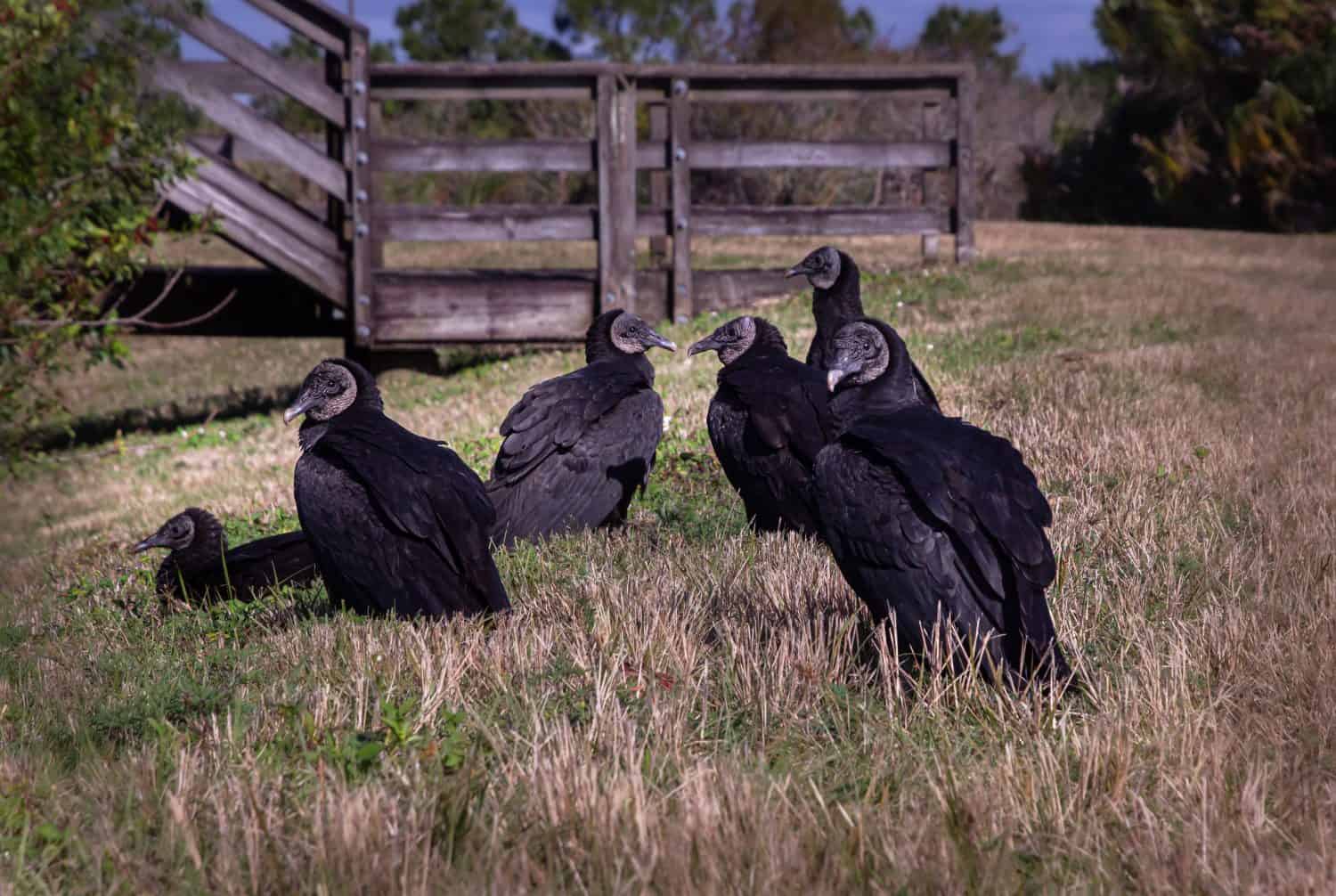
Black vultures are problematic for ranchers as they target calves, piglets, and lambs shortly after birth.
©buteo/Shutterstock.com
Before the black vultures began to call the Midwest home in large groups, the only vultures that were in states like Missouri, Illinois, and Indiana were turkey vultures. These vultures are not aggressive and feed only on carrion, keeping the environment healthy in the process.
However, due to the ban on DDT in the 1970s and increasingly warmer winter temperatures in the Midwest, black vultures have expanded their territory northward over the last several decades. In some cases, this has led to two vulture species in the environment. The difference between the two vulture species is that black vultures not only eat carrion but also go after sick and weak livestock, causing ranchers to lose thousands annually.
Black vultures target calves, piglets, and lambs. According to ranchers, they essentially eat the animal alive. Not only is this gruesome for the animal, but it can be traumatic for the others in the herd. Factor in the economic losses, and it is no wonder ranchers want black vultures nowhere near their properties.
According to a USDA document entitled “Death Loss in U.S. Cattle and Calves Due to Predator and Nonpredator Causes, 2015,” black vultures were responsible for 2.1 million calf deaths that year. This accounts for 1% of the total calf deaths reported to the USDA. However, a 2020 study published in Biological Conservation found that not all cattle deaths for which black vultures were blamed were their fault. Instead, the black vultures were at the scene cleaning up the carrion, which they are designed to do.
Does this mean that black vultures are not a problem in the Midwest? No. For ranchers, the loss of any of their livestock affects their profits. Is the death toll as significant as reported? It is unclear. Currently, though, black vultures cannot be hunted. This leaves ranchers finding deterrents to keep the birds away from their livestock, so no money is lost, and the animals can grow into adulthood.
Can Black Vultures Be Hunted?
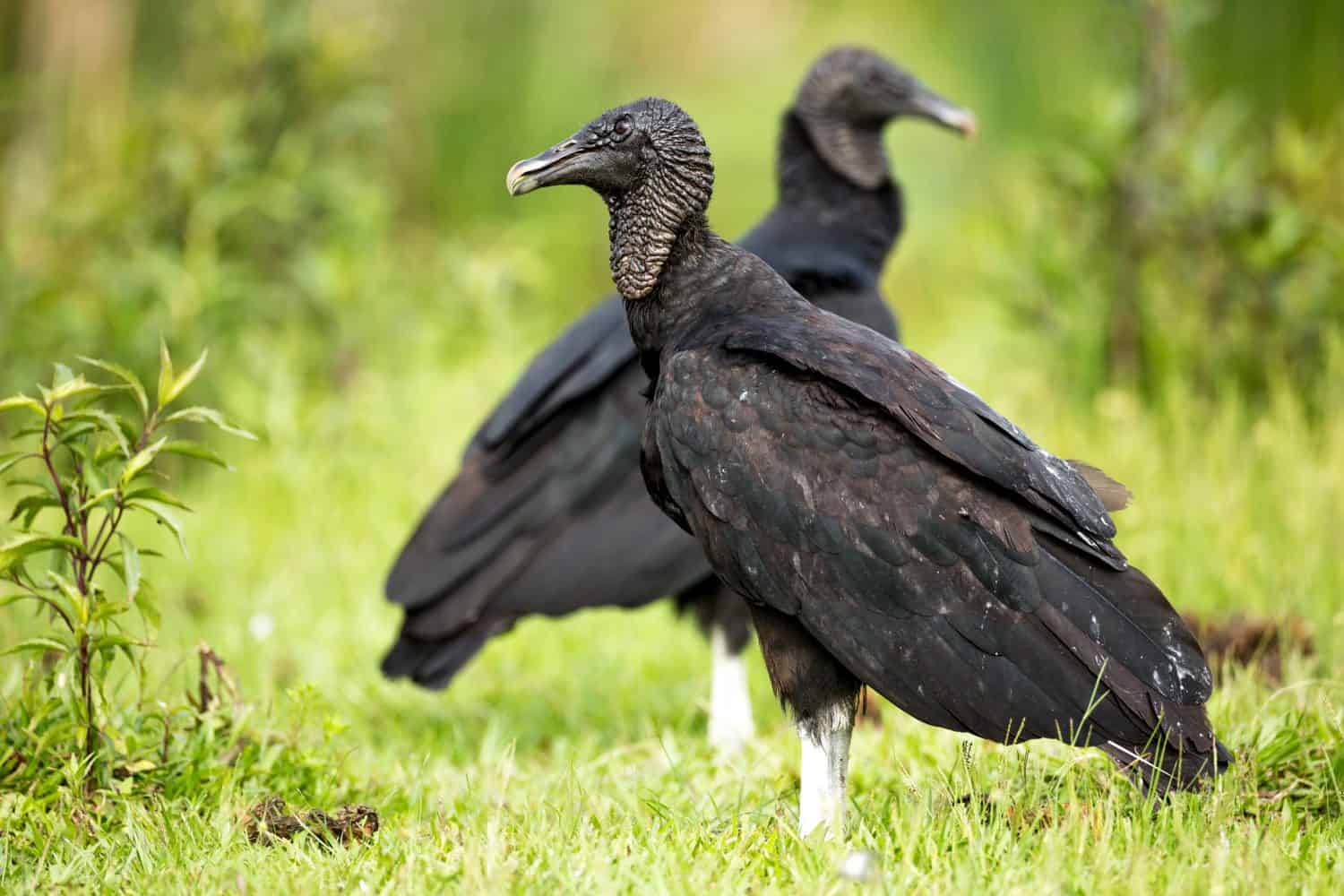
Black vultures are protected under the Migratory Bird Treaty Act.
©Sunshower Shots/Shutterstock.com
Black vultures may be a nuisance to ranchers, but they cannot simply be killed for being part of the environment or because of the belief that they are a threat to livestock. Instead, there has to be a history of depredation on livestock documented, as well as efforts to keep the black vultures from returning, before anything can be done.
Under the Migratory Bird Treaty Act, black vultures cannot be hunted because they are protected. The black vultures cannot be killed, threatened, captured, or have their eggs damaged or removed from nests under the Act. However, there is a loophole in the Migratory Bird Treaty Act. If black vultures continue to target one ranch despite efforts to get them to leave, ranchers can apply for a permit from their state’s Farm Bureau. This would allow them to kill a specific number of black vultures in one year.
The permitting process, while free, is not enough, according to some farmers. They believe that the number of calves being targeted is causing them to lose significant money. This is why the Black Vulture Relief Act was introduced to the House in 2025 by a group of Republican senators. The Black Vulture Relief Act would allow more black vultures to be killed. However, under the Act, ranchers would have to document each killing and report it to state Fish and Wildlife agencies to maintain an accurate count of the birds.
The Black Vulture Relief Act has yet to be passed, leaving ranchers with no legal alternative but to get permits to kill the birds.
Conservationists believe that if the Act passes, it will cause black vulture populations to swing drastically in the wrong direction. Further still, because black vultures are not always the culprits in calf deaths, conservationists say they will be unfairly targeted, eliminating the good they do for the environment.
The Vital Ecological Role of Black Vultures
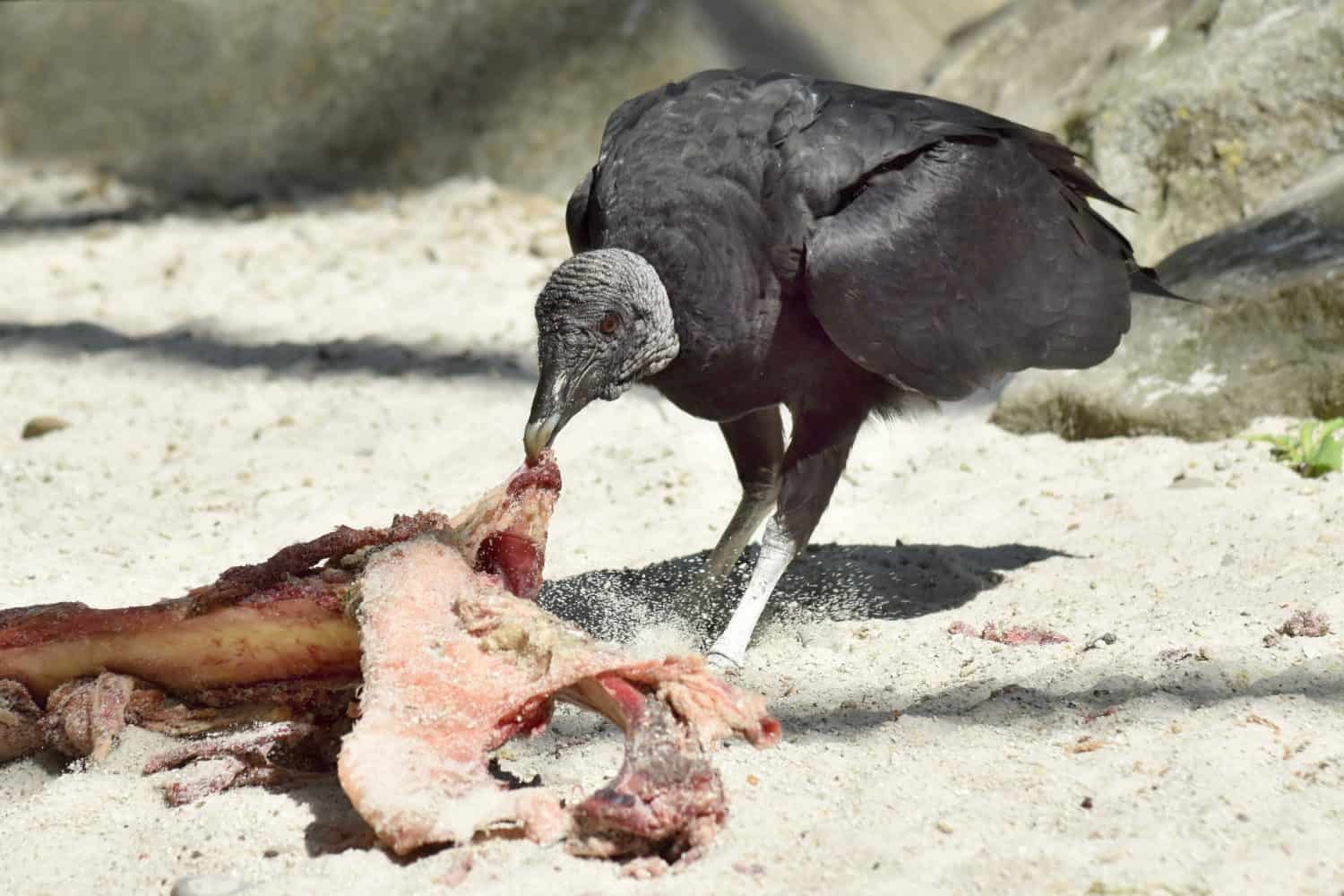
Black vultures clear the environment of carrion, making it cleaner and disease-free.
©Petr Szymonik/Shutterstock.com
With all the negative news about black vultures, the obvious question is whether they benefit the environment or are simply a nuisance. As it turns out, black vultures are incredibly beneficial to the environments they live in, as without them, people, animals, and habitats would be unhealthier.
Black vultures play a significant role in the habitats they live in. The presence of black vultures benefits in the following ways:
- Black vultures control diseases from spreading, such as anthrax and rabies
- Black vultures help the soil remain fertile by breaking down carrion and releasing nutrients that help plants grow
- Black vultures prevent carrion from accumulating by being part of Mother Nature’s waste management system
- Ranchers and farmers benefit from their presence as they do not have to be responsible for removing carrion from their property, which could spread disease to their livestock and soil
- Biodiversity is created as the black vultures move around, cleaning one environment at a time
With all of these benefits that black vultures bring to an environment, it would be hard to imagine what would happen if they were removed. Were that to happen, habitats would begin to transform quickly, and not for the better.
What Would Happen If Black Vultures Were Eradicated?
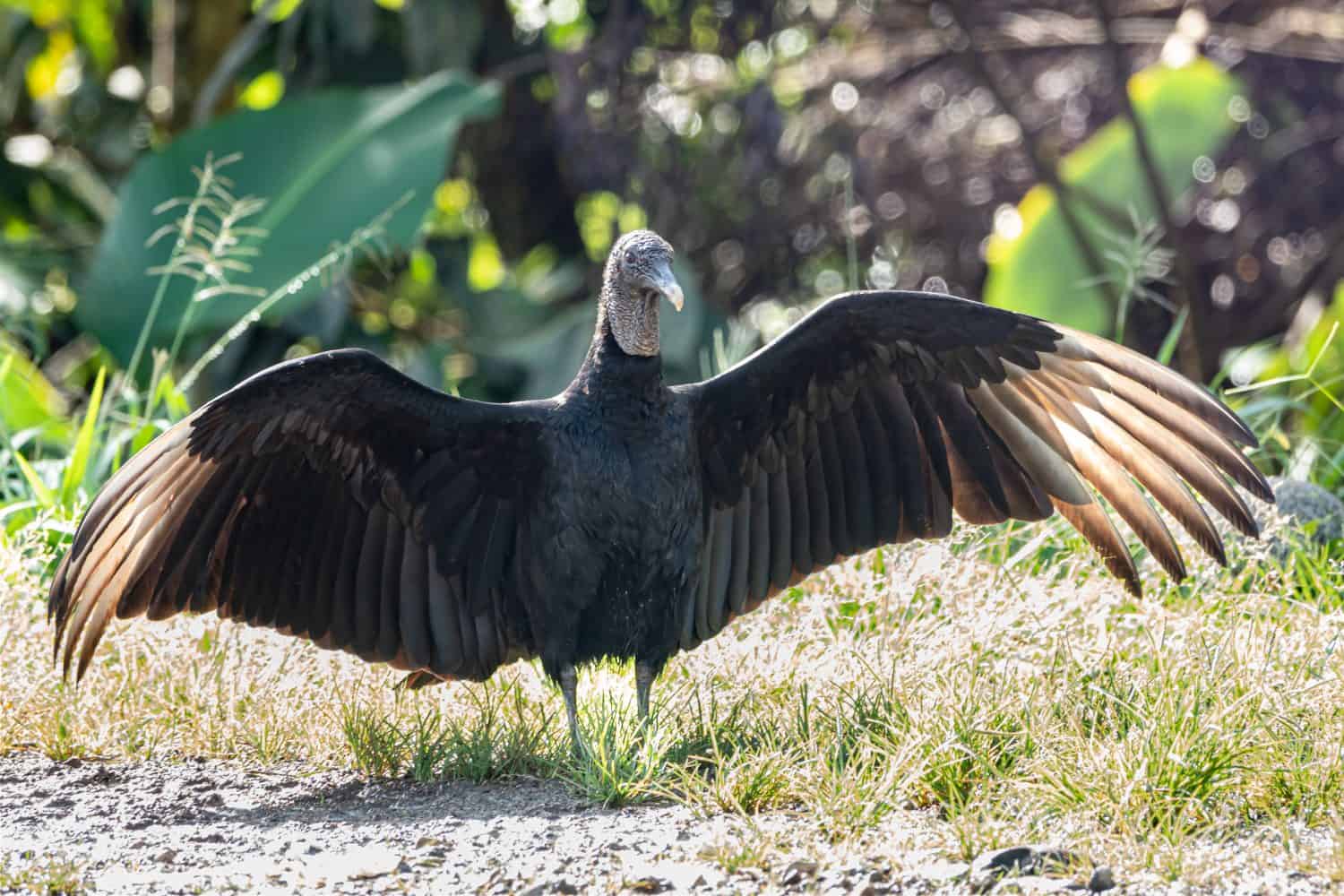
If black vultures were eradicated, the environment would suffer for it.
©Galaxymix/Shutterstock.com
As Midwest ranchers continue to lose money with the deaths of their calves and other young animals, they are calling for black vultures to be eradicated from the region. However, conservationists say doing so could have unintended consequences.
Over the last several years, black vultures have gained a foothold in the Midwest thanks to milder temperatures. Their presence has moved other scavengers out, making black vultures the main scavengers in some places. Therefore, if vultures were to be removed entirely, the following could occur:
- Spread of Disease – Black vultures clean up dead animals, preventing diseases like rabies and brucellosis from spreading.
- Increased Population of Other Scavengers – Other scavengers, such as rats, would increase in population size, spreading disease.
- Destabilized Ecosystem – Without black vultures, nutrient cycling would not occur as efficiently, making the ecosystem sicker for it.
If the black vultures were gone, would the turkey vultures be able to pick up the slack and be the top scavengers in the Midwest? Possibly. But it is the work of the two vultures in the region that helps to keep the environment clean and clear of disease. There is no denying that this situation is not ideal for ranchers. However, conservationists believe there is a way for ranchers and black vultures to live together peacefully.