
Quick Take
- One animal on this list has front legs so underdeveloped they barely count as legs at all, and the way it moves is something you might not expect from a mammal. Meet the vestigial-limbed jerboa →
- A beloved dog breed's stubby legs weren't bred for cuteness. They exist to survive something genuinely dangerous on the job. Why corgis stayed short →
- Several of these animals look slow and awkward, but at least one can outrun what you'd reasonably expect from something that waddles. See the wombat's surprising speed →
- One creature on this list isn't what its name suggests, with odd proportions hinting at an evolutionary history stranger than either animal it's named after. Discover the otter shrew →
Mammals come in a variety of proportions, and some species evolved legs so short they almost look goofy. Many of these short legs seem impractical for the animal in question. In many cases, these stubby limbs have evolved for a purpose. They may be specialized adaptations for digging, burrowing, swimming, or navigating through dense vegetation. However, some domestic animals, namely dogs, ended up with these short legs due to breeding for specific features. Many of these short-legged mammals look adorable, or even strangely cartoonish moving about. Despite their unusual proportions, these animals are often successful in their environments. These are some mammals with the shortest legs in the animal kingdom.
Dachshund
©Sue Thatcher/Shutterstock.com
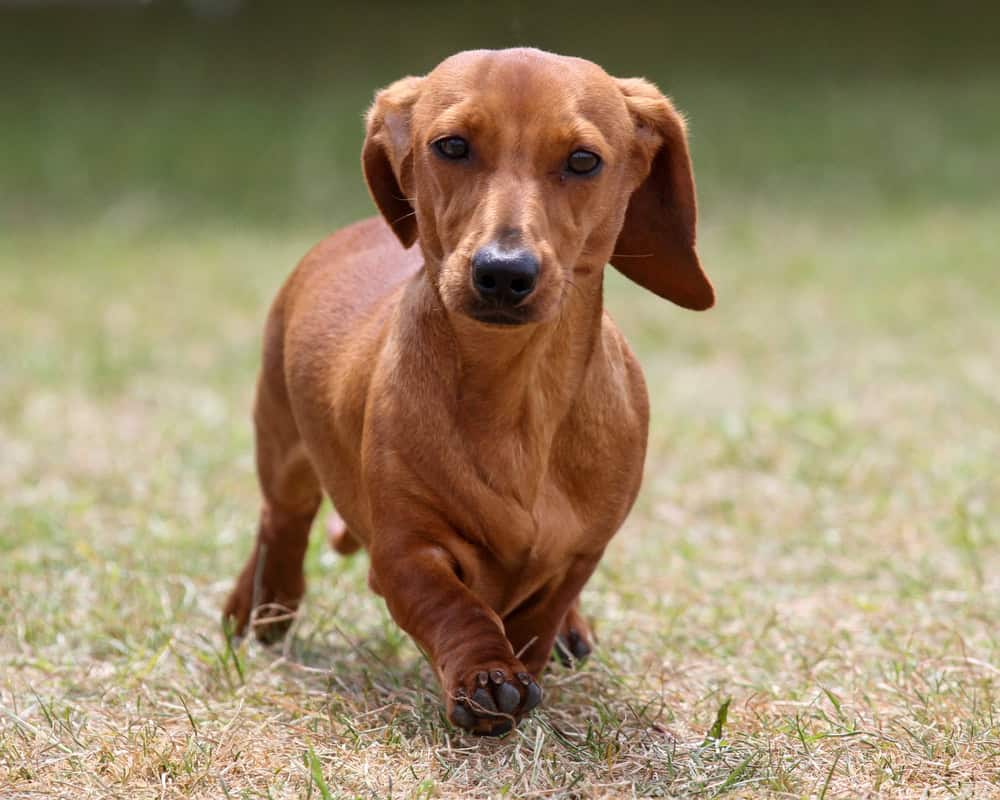
The dachshund may be the most famous short-legged mammal on Earth. Originally bred to hunt badgers, these dogs have tiny legs perfect for squeezing into underground tunnels. Their stubby legs alongside their elongated bodies make these pups resemble hot dogs, leading to the nickname “wiener dog.” Their low-to-the-ground stature makes them incredibly unique-looking canines. Despite their small legs, dachshunds are energetic and fearless.
Basset Hound

©GoDog Photo/Shutterstock.com
Basset hounds have some of the shortest legs relative to body size of any dog breed. Their stubby legs work perfectly with their sleepy eyes, droopy ears, and heavy bodies. They somehow manage to look both exhausted and ready to roll at all times. These dogs were bred for scent tracking, so their unusually short legs help keep their noses close to the ground. Their slow, waddling movement only adds to their charm.
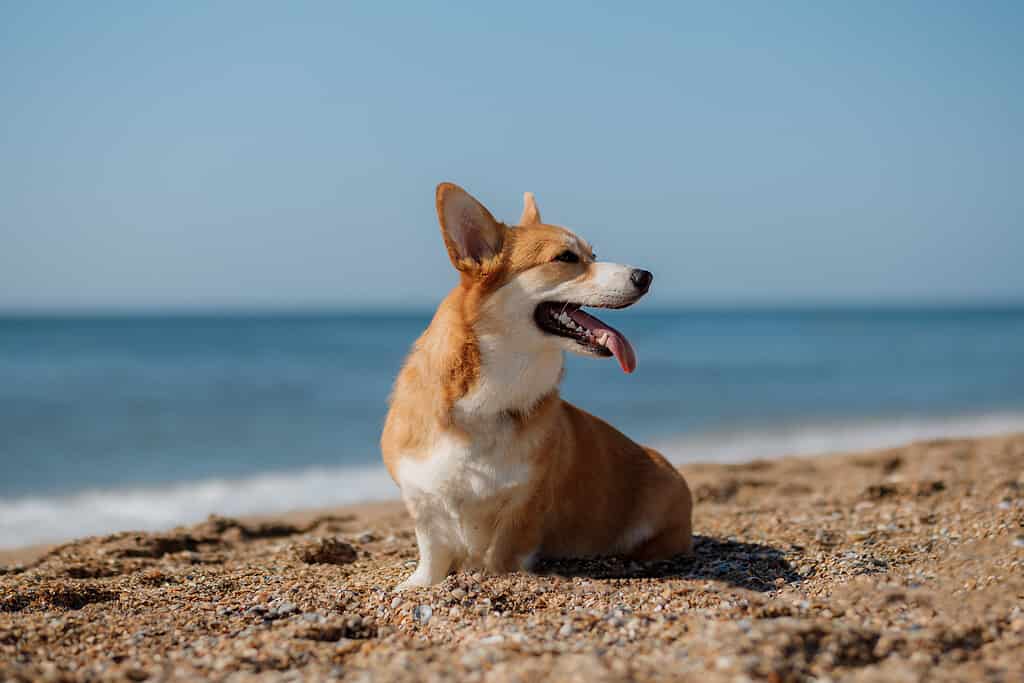
Corgi
©BONDART/iStock via Getty Images
Corgis are famous for combining little legs with big personalities. Originally bred as cattle-herding dogs, their short stature helped them avoid dangerous kicks from livestock. Their compact bodies and fluffy appearance are highly distinctive. These athletic and highly intelligent working dogs don’t even seem to know they are the squirts of the dog world, running around happily. Watching their little legs move at full speed is surprisingly giggle-inducing.
Mole
©nipa74/Shutterstock.com
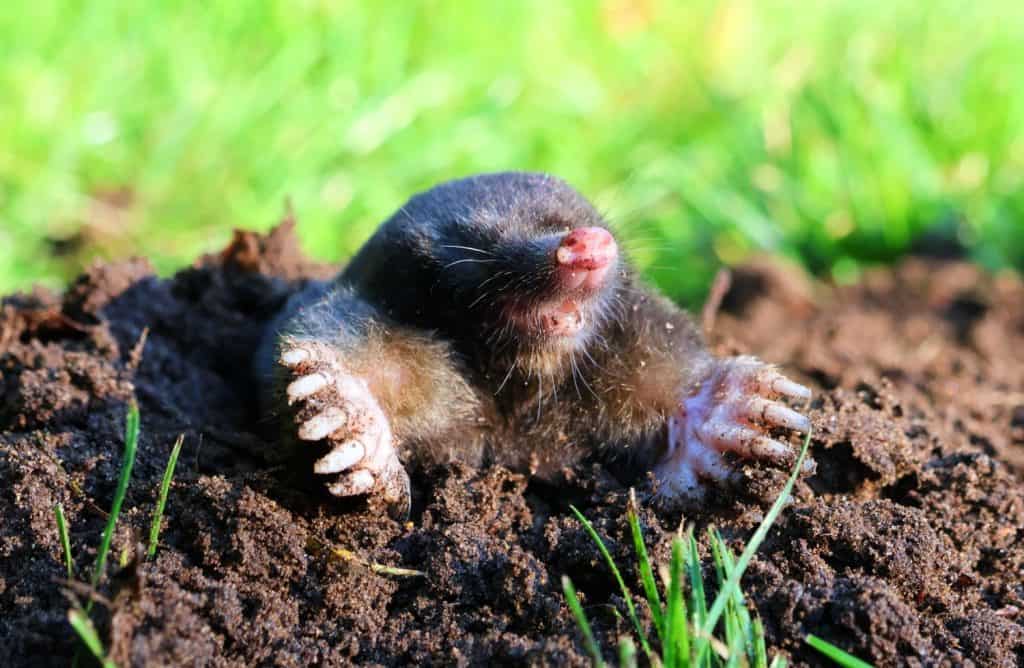
Moles have incredibly short legs perfectly adapted for lives spent primarily underground. Their powerful front limbs work more like digging tools than traditional legs. In fact, above ground, moles often function awkwardly and move inefficiently because their bodies evolved entirely for tunneling. In addition to functioning like tiny bulldozers, short limbs help reduce resistance while squeezing through tight underground passages.
Otter Shrew
©"giant otter shrew, giant otter-shrew" by Julien Renoult is licensed under BY 4.0. – Original / License
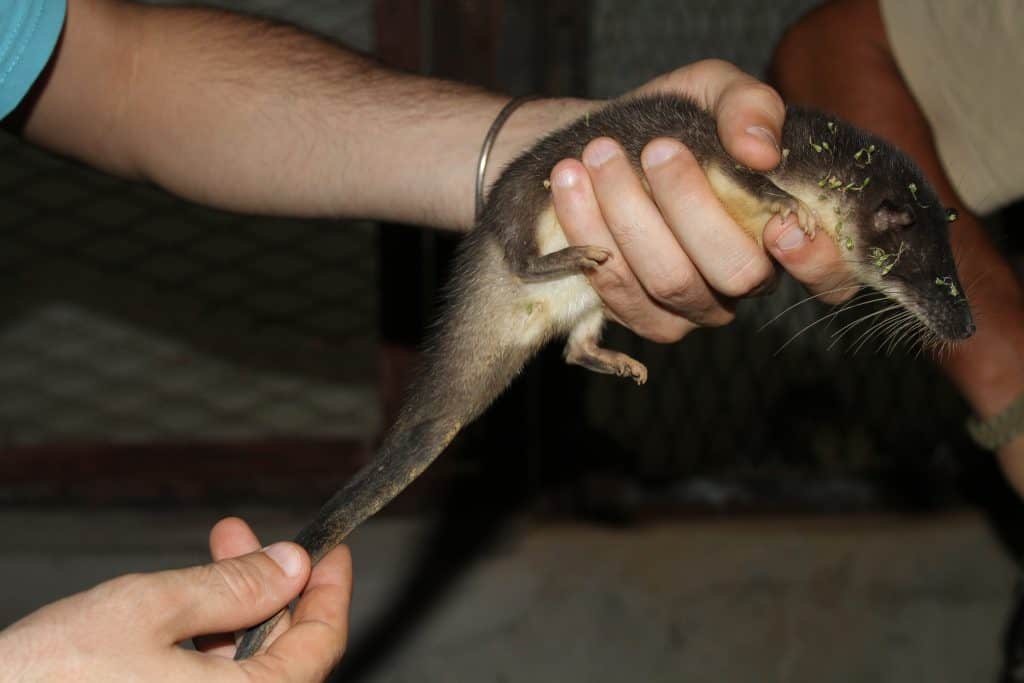
The otter shrew looks like several unrelated animals combined into one tiny creature. Oddly enough, this animal is neither otter nor shrew. Native to Africa, this unusual mammal has very compact legs to help it navigate through water and dense vegetation. The otter shrew’s long body and tail help it to navigate its semi-aquatic environment, while odd proportions make this little animal look sort of prehistoric.
Pygmy Jerboa
©awaytrent / CC BY 3.0 / Wikimedia Commons – Original / License
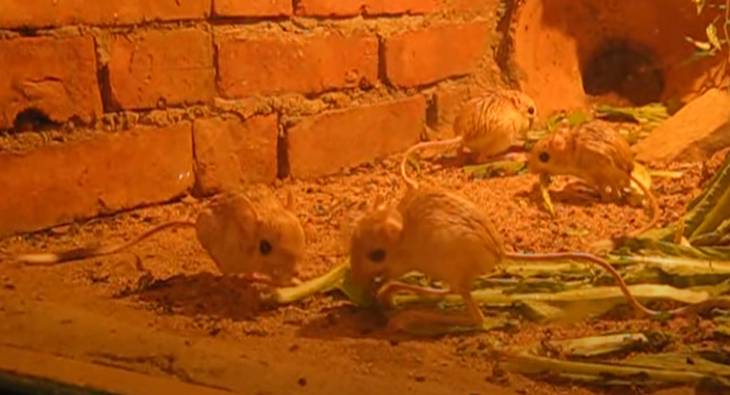
The pygmy jerboa has some of the tiniest front legs of any mammal alive today. Its front limbs are so underdeveloped they almost seem unfinished compared to the rest of its body. With their almost nonexistent front legs, the desert rodent relies mostly on massive hind legs for hopping, kind of like a kangaroo. The jerboa’s oversized ears and long tail make the proportions look even stranger. These pocket-sized creatures resemble a cartoon character more than a real animal.
Wombat

©Andreas Ruhz/Shutterstock.com
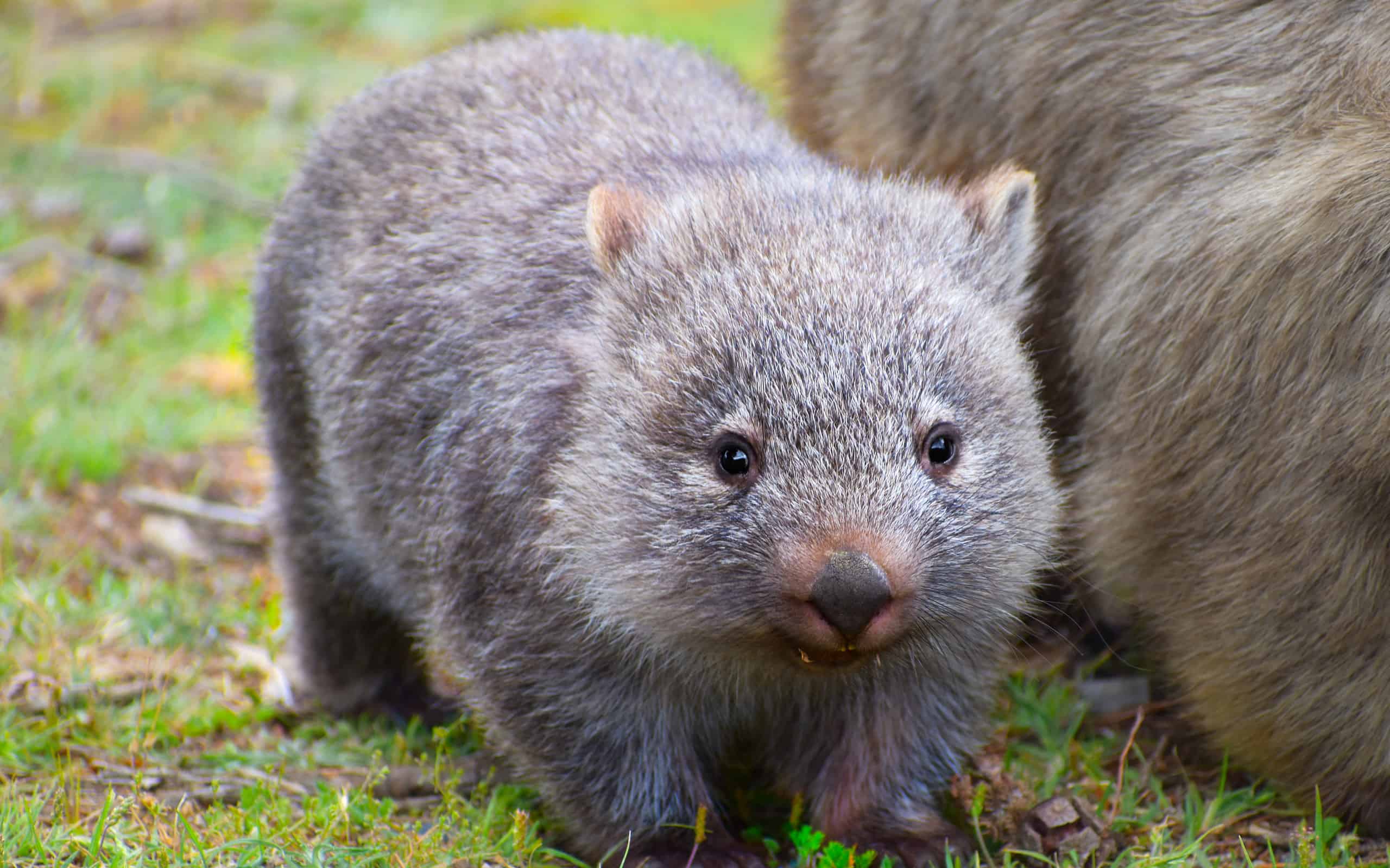
Wombats are thick-bodied marsupials with surprisingly short legs that aid them in digging extensive underground burrow systems throughout Australia. Their low center of gravity also helps protect them from predators. Despite looking slow and clumsy, wombats can actually run surprisingly fast when they need to. Watching a wombat waddle across the ground is surprisingly entertaining.
Pika
©Tom Reichner/Shutterstock.com
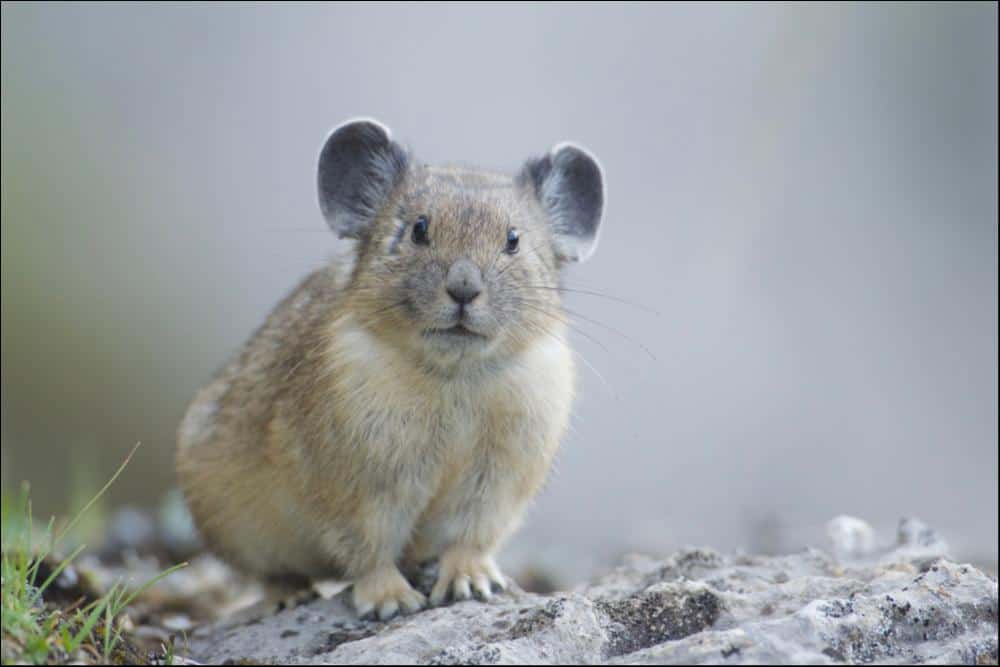
Pikas are tiny relatives of rabbits that live near rocky mountain slopes. Their pocket-sized rounded bodies, along with their short limbs, help conserve heat in cold environments. Pikas move with quick bursts of speed rather than in long strides. Their proportions make them experts at hiding between rocks. Few mammals look more naturally suited for tiny spaces.
Hedgehog

Beneath their round, spiny bodies, hedgehogs have extremely short legs. Staying low to the ground is an advantage when hunting for insects and foraging for other food. Due in part to their tiny legs, hedgehogs can curl into tight defensive balls when threatened. In fact, when rolled up in a spiny ball, their tiny legs almost disappear completely.
Pygmy Hippopotamus
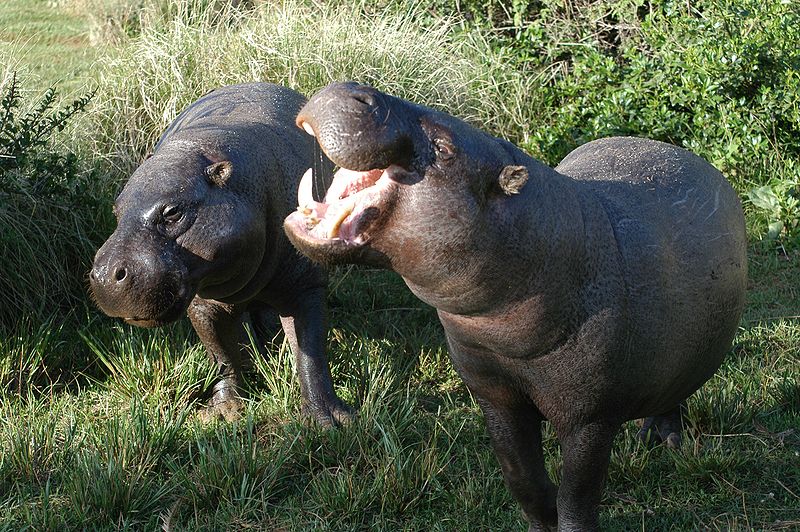
The pygmy hippopotamus resembles a miniature version of its enormous relative. While adorable, their proportions make them look slightly awkward. Though a great deal smaller than a standard hippo, this mammal still has a heavy body. The fact that such short legs can support their weight is remarkable. But these stubby legs are quite capable of carrying them through muddy forests and along riverbanks. Like all hippos, pygmy hippos spend a great deal of time in water, so buoyancy reduces stress on their short legs.