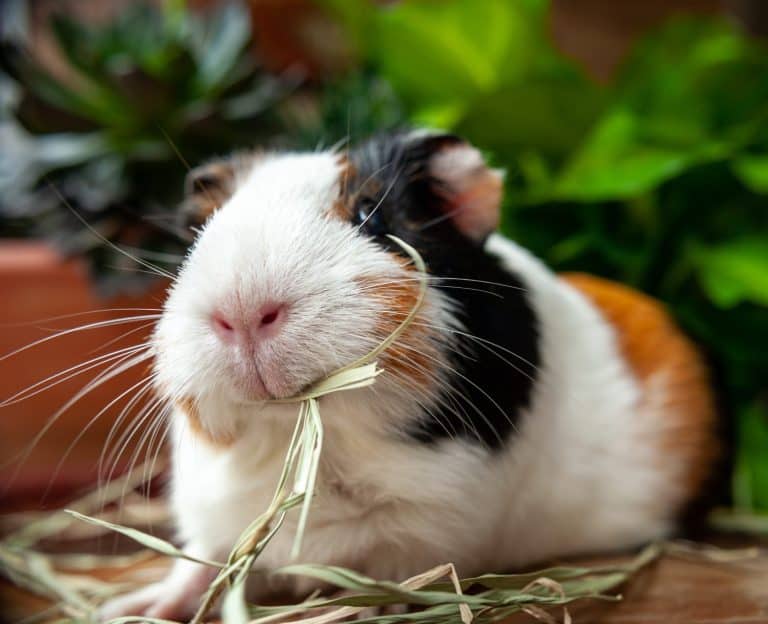

The appropriately named ‘Randy’ the guinea pig had the most memorable time of his life back in 2014. According to this recent Instagram post and reports in the UK media from 2024, Randy may have fathered up to 400 offspring after nights of passion with no fewer than 100 females! Although this happened more than a decade ago, the story continues to resurface in the media. Randy was supposed to be relaxing in his male-only enclosure at Hatton Adventure World in Warwickshire, UK, but the furry Lothario ended up in the female enclosure instead
Randy Swaps Pens
The first thing the staff noticed was an underweight guinea pig in the female enclosure. After further investigation, they realized it was actually a male, and the reason for his weight loss was that he had been very busy with the females! Staff at the park suspected that a child may have accidentally placed him back in the wrong enclosure. Randy may have been in the enclosure for several weeks.
Guinea Pig Reproduction
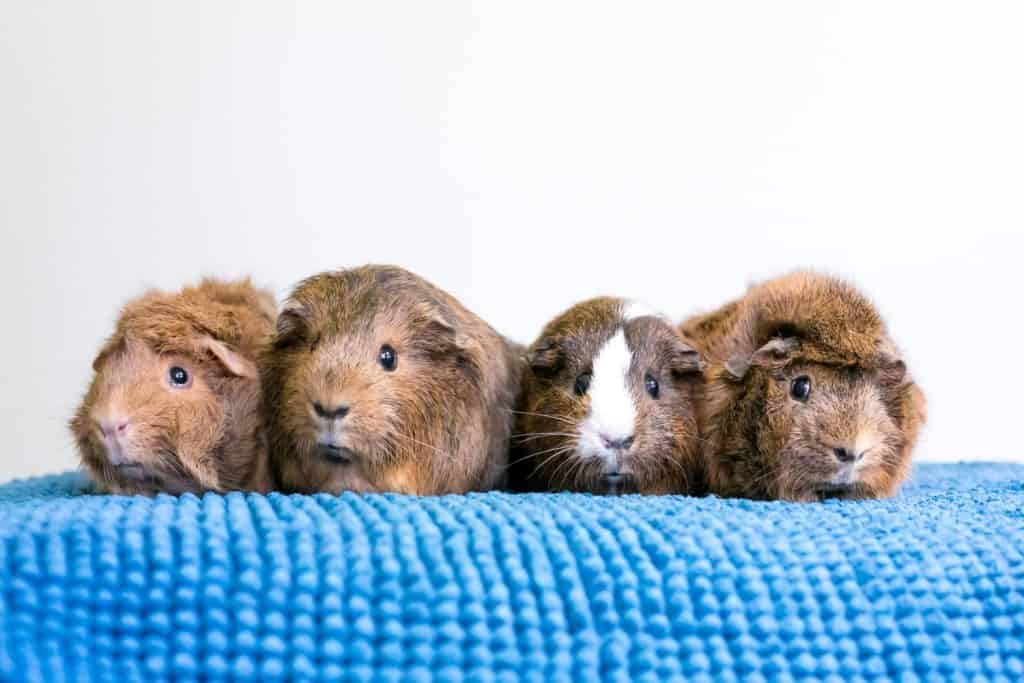
Cavies get pregnant very often!
©Mary Swift/Shutterstock.com
Domestic guinea pigs, also called cavies, are actually a type of rodent. They became very popular pets after being introduced to Europe and North America by European traders in the 16th century. Typical pet breeds weigh between 1.5 and 2.6 pounds and can live for up to eight years.
Guinea pigs are very prolific! The females are capable of getting pregnant between 4-8 weeks of age. A female will come into season every 16 days and will be willing to mate with a male for 6 to 11 hours towards the end of her cycle. Pregnancies last between 59 and 72 days, and they produce litters of two to five pups on average. Just 2 to 15 hours after giving birth, the female is ready to conceive again! If she mates again, she has a 60 to 80 percent chance of getting pregnant.
Caring for the Young
The female cares for the young alone. The pups are born with fur and with their eyes open. They even have teeth, and within a few hours, they can move around. Feeding on the sow’s milk is very important, but pups begin eating solid food and drinking water within hours of birth. If the sow abandons them before they are a week old, their chances of survival are reduced. However, sows will readily foster pups from different litters, so there is still hope for abandoned young.