
Quick Take
- One animal on this list doubles as a living thermometer, a claim supported by an actual formula. See Dolbear's Law →
- These tiny insects begin storm-proofing their homes hours before clouds even form, and their preparation method is more engineered than instinctive. See how ants prepare →
- A folk belief farmers have repeated for generations turns out to have a real scientific explanation, though not the one most people assume. See the real reason →
- Sea turtles make a nesting decision that involves long-range weather forecasting, and researchers are still unraveling how they do it. Explore turtle nesting cues →
Before modern day weather satellites and smartphone apps, people looked to nature for information about changing conditions. Animals are incredibly sensitive to subtle changes in air pressure, humidity, temperature, and even electrical fields that humans cannot detect. Their behaviors can give people surprisingly accurate clues regarding rain, storms, and seasons. Here are eight animals that unintentionally act as natural weather forecasters.
1. Cows
©Flying broccoli/Shutterstock.com
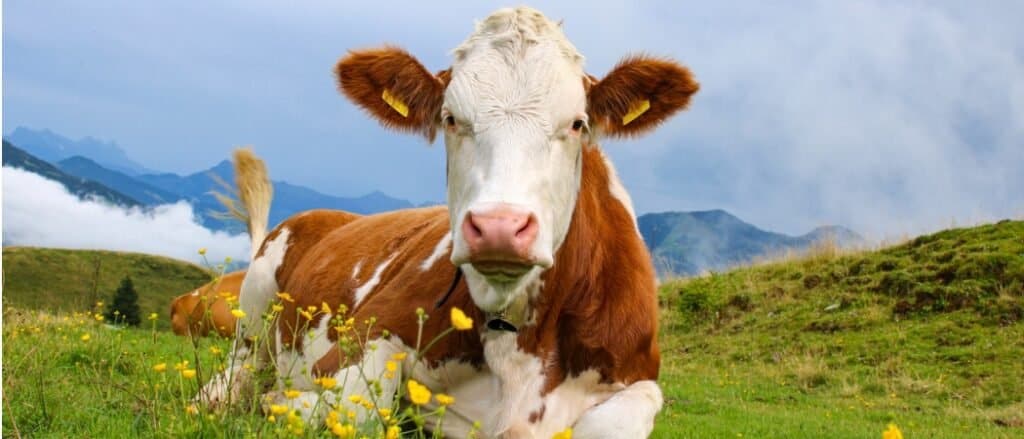
For decades, farmers have claimed that cows lie down before it rains. While the idea isn’t proven, researchers believe cows may lay on the ground before rain because cooler, more humid conditions make dry ground more comfortable. It’s also possible that atmospheric pressure changes make cows less active. Either way, a pasture full of resting cows might mean rain is swiftly approaching.
2. Swallows
©iStock.com/drakuliren
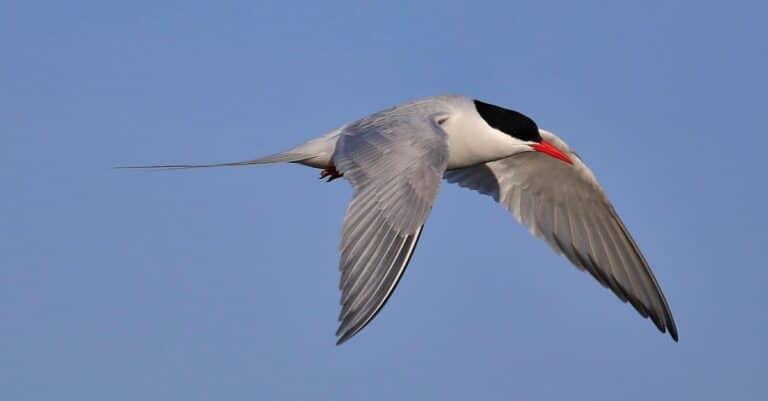
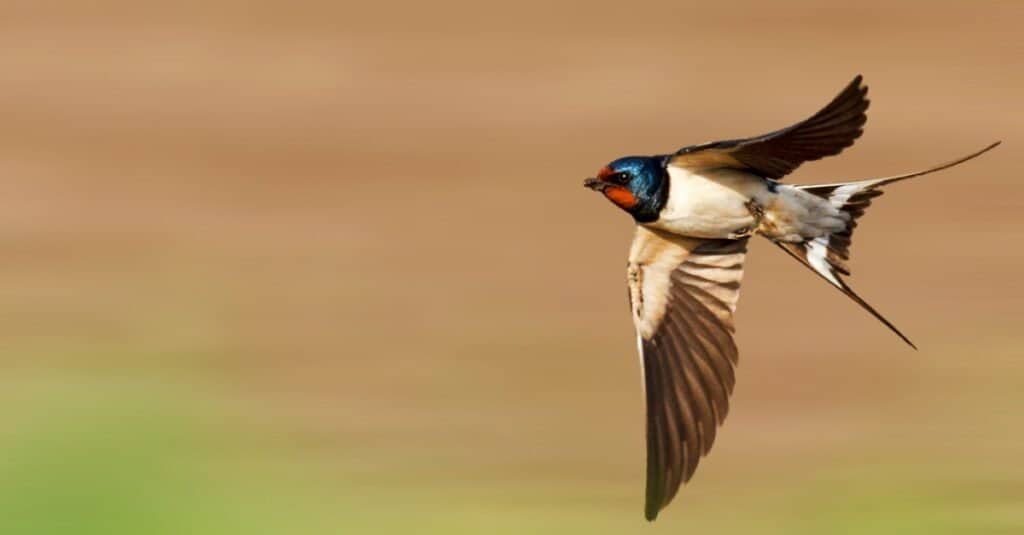
Swallows fly way lower than usual before a storm. The birds are simply doing this to better catch their food. When humidity rises and air pressure drops, flying insects stay closer to the ground, forcing swallows to hunt lower as well. For generations, birdwatchers have recognized this low-level soaring as a sign that rain is likely on the way.
3. Frogs
©Daniel Prudek/Shutterstock.com
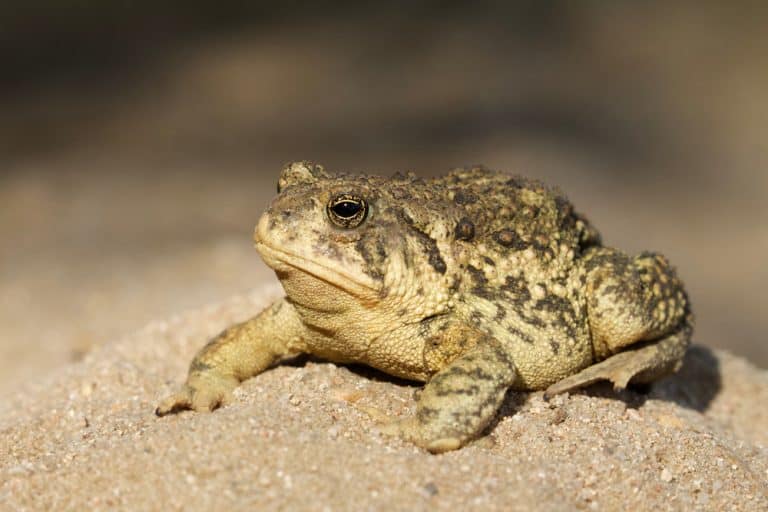
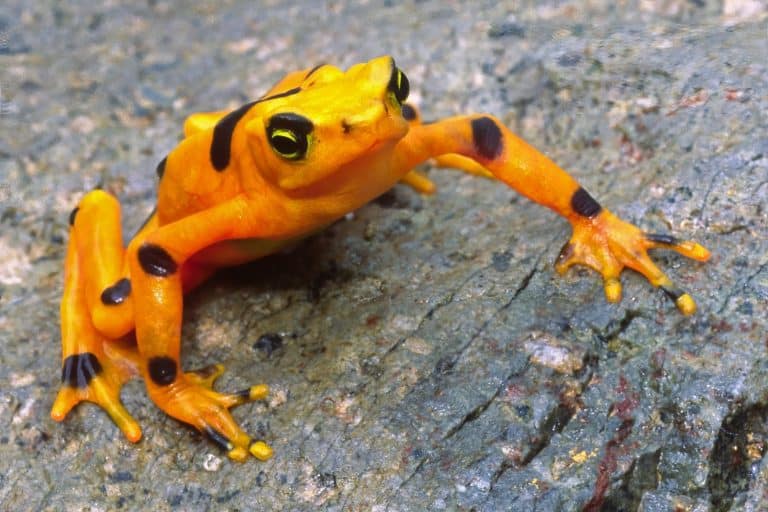
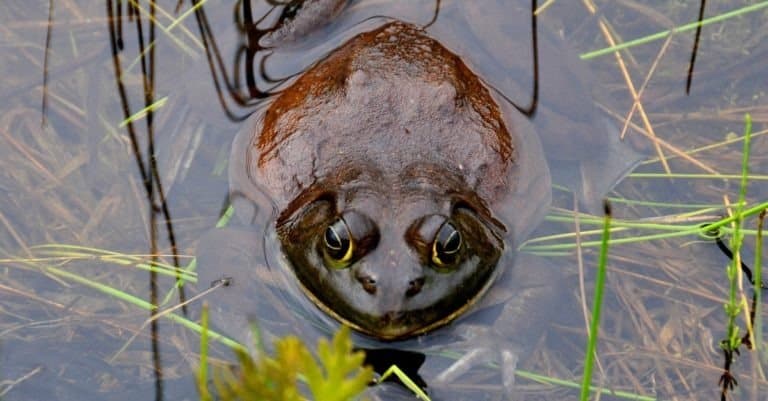
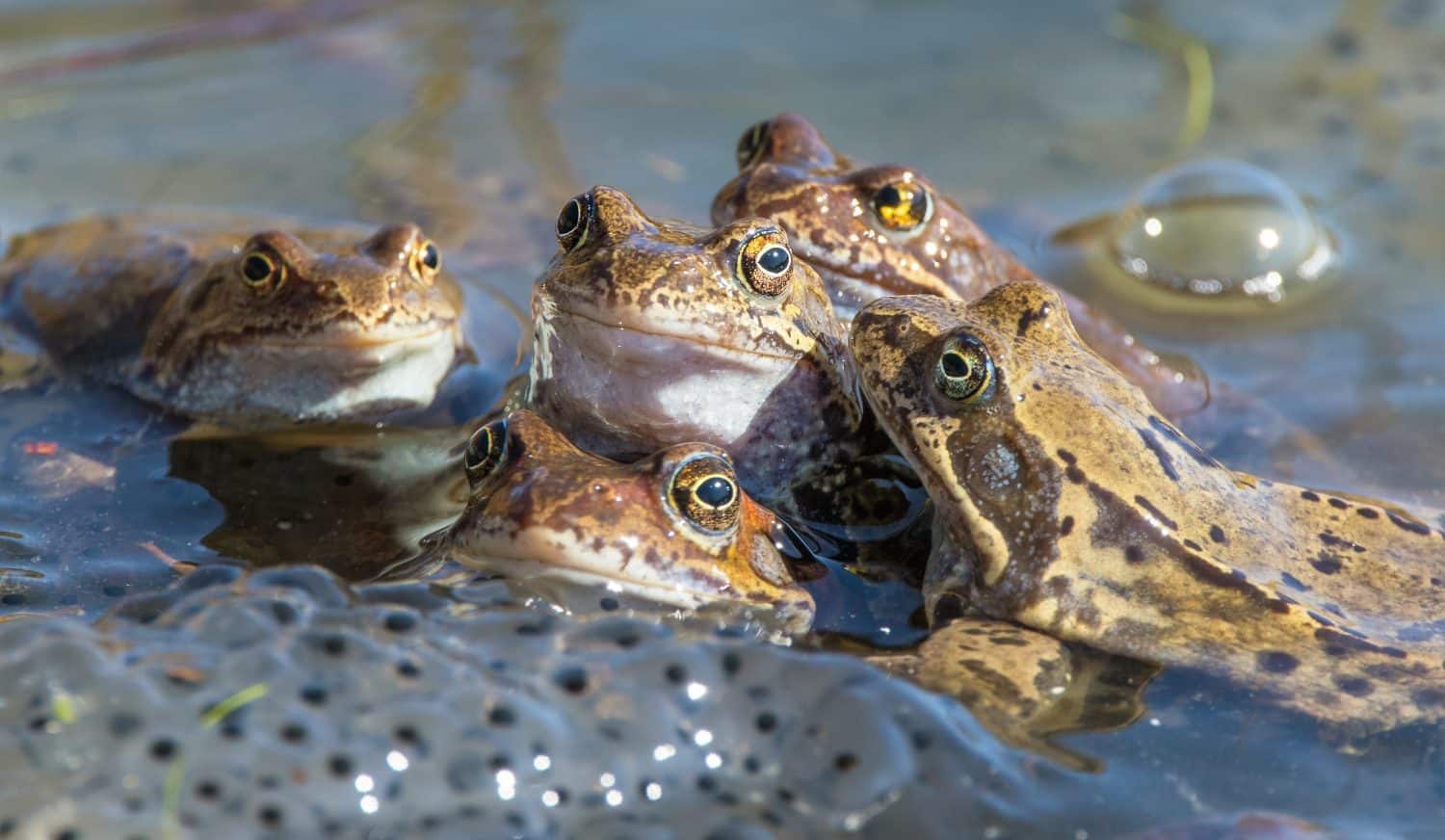
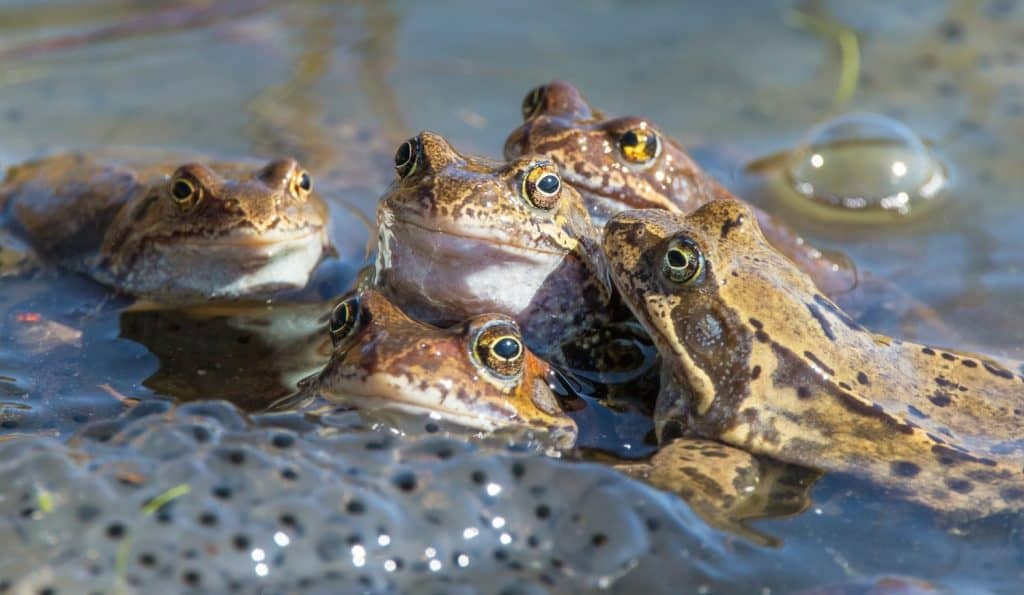
Many frog species become especially vocal before rain. Essentially, this loud chorus is a result of happy frogs. Higher humidity keeps their skin moist and creates ideal conditions for breeding and feeding. Some frogs even come out of hiding spots just before a storm. Their sudden burst of sound and activity makes them reliable rain indicators.
4. Honeybees
©Donna Bollenbach/Shutterstock.com
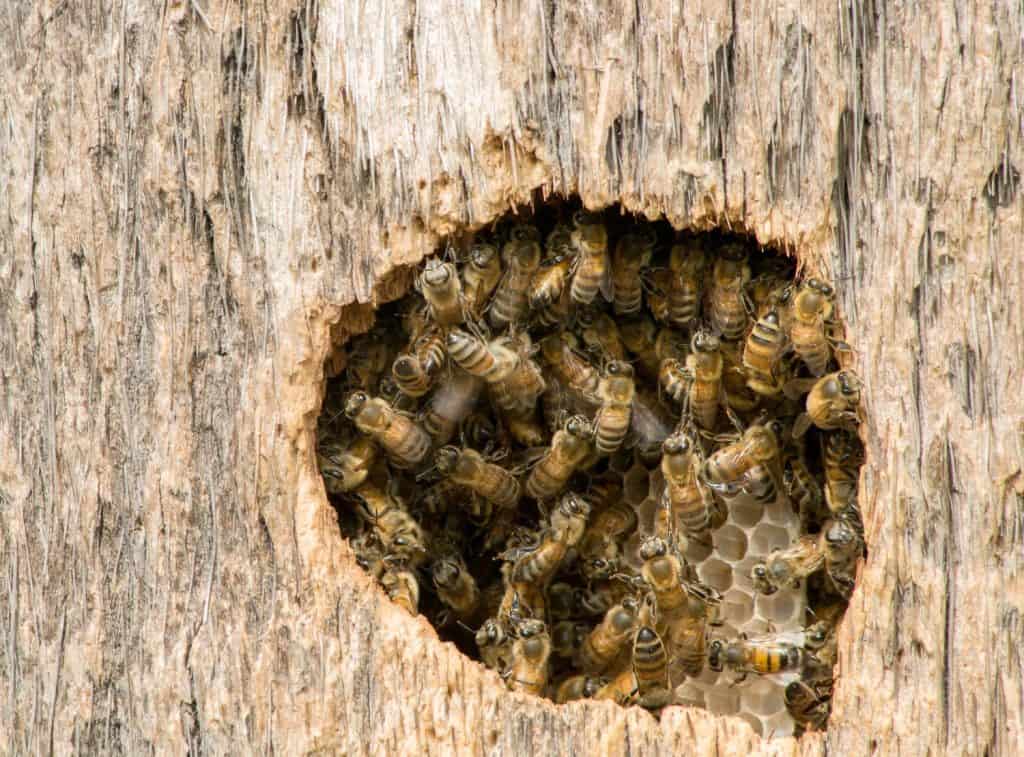
Honeybees are surprisingly sensitive to shifts in air pressure. If they sense rain or strong winds are imminent, worker bees go back to the hive and reduce foraging activity. This helps protect the bees from getting caught in bad weather mid-flight. Beekeepers notice unusually quiet and inactive bee colonies before storms arrive.
5. Seagulls
©MaryShutterstock/Shutterstock.com
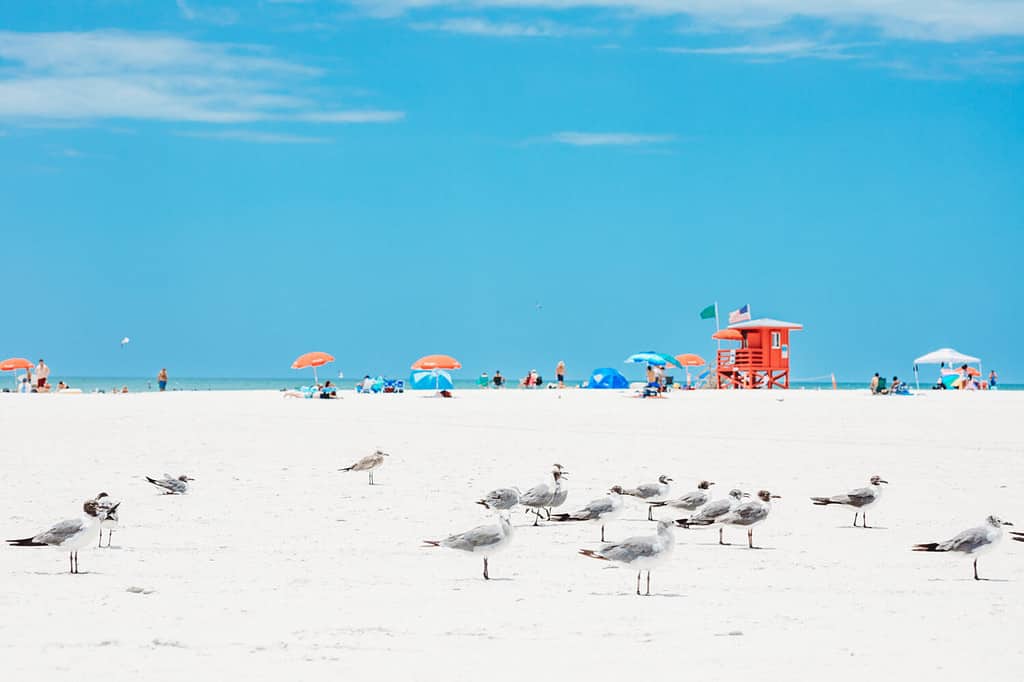
Seagulls don’t mind a bit of rain, but they will alter their behavior before severe coastal storms. The seaside birds move inland or congregate on beaches. As pressure falls and strong winds rush in from offshore, flight over open water becomes dangerous. It is also more difficult to fly in these conditions, so seeking shelter conserves energy. Coastal residents have noticed seagull’s behavior change just before the sea grows rough.
6. Ants
©Ursula Page/Shutterstock.com
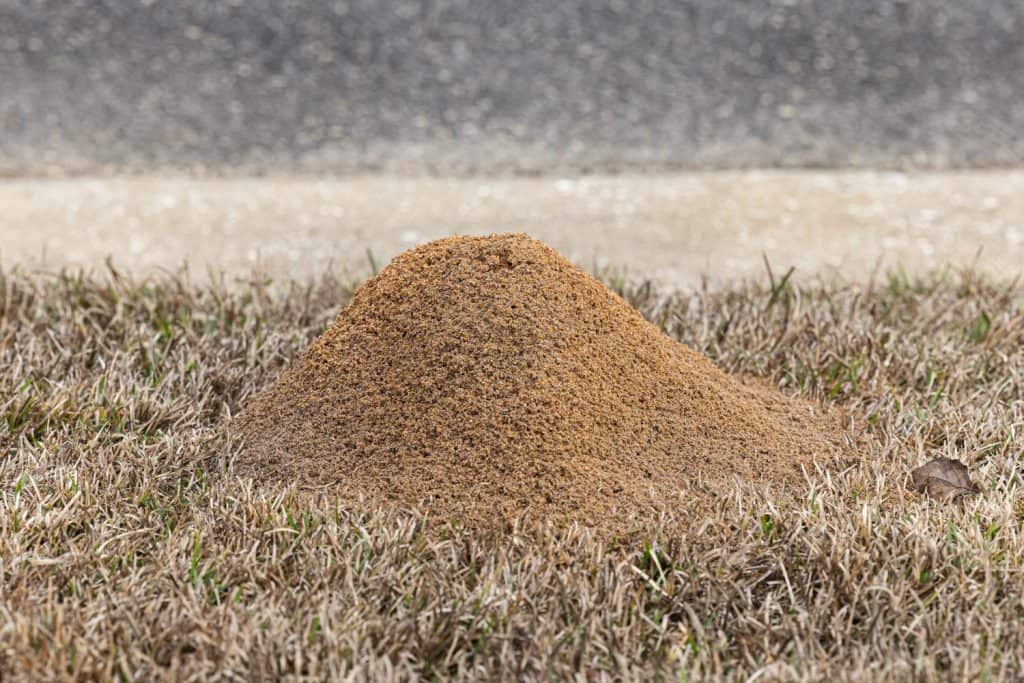
Certain ant species build up the entrances to their nests before heavy rain. Researchers think rising soil moisture and changes in humidity trigger this behavior. The well-sealed nest helps prevent flooding inside the colony. Some ants even relocate chambers to higher areas of the nest before extended periods of rain. Amazingly, these tiny insects prepare hours before the first raindrops fall.
7. Crickets
©Alexander Sviridov/Shutterstock.com
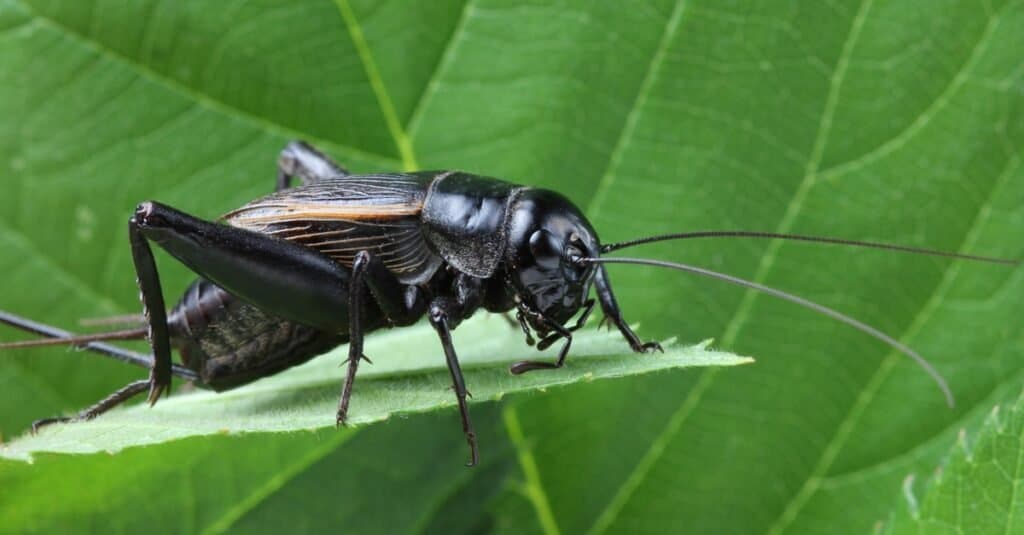
Crickets are famous not only for their chirping but also for what those chirps tell us about temperature. As the air warms, a cricket’s metabolism speeds up, causing it to chirp at a faster pace. By counting the number of cricket chirps in a specific timeframe, scientists can make accurate temperature estimates. The process even has its own unique formula called Dolbear’s Law. Crickets are essentially nature’s audible thermometers.
8. Sea Turtles
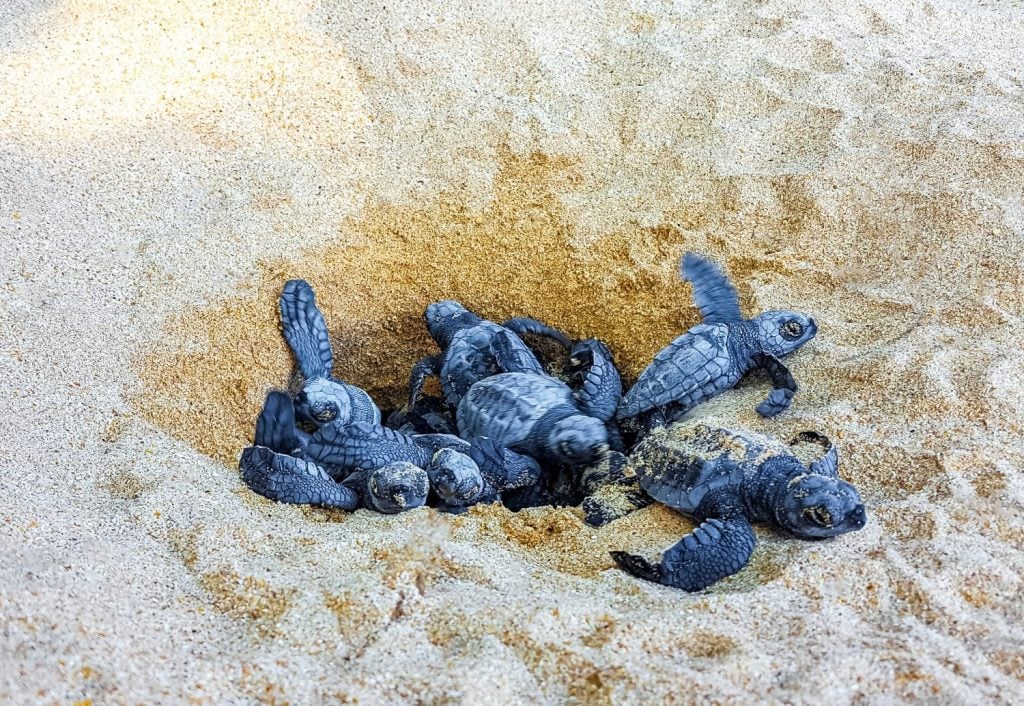
©Arkadij Schell/Shutterstock.com
Female sea turtles carefully choose where to lay their eggs. The decision is based partly on environmental conditions connected to weather and tides. To keep their nests from being washed away, they intuitively nest above the highest expected tide line, researchers believe turtles use a wide variety of subtle cues. Remarkable, they may take into account factors like beach slope, moisture, and seasonal weather patterns when choosing a nesting site. In this way, their nesting behavior communicates the highest tides the beach is expected to experience.