
Quick Take
- Its exoskeleton contains a secret ingredient almost never found in other insects, which is the reason biting or stinging it is basically pointless. Explore the metal-reinforced exoskeleton →
- Scientists put velvet ants in front of a room full of hungry predators, and what happened next was almost unbelievable. See the predator experiments →
- When its other defenses fail, this wasp has two last-resort weapons that most people don't even know insects can use. Uncover the last-resort defenses →
The velvet ant wasp has been lauded as the most indestructible insect on the planet. These wingless female insects should be sitting ducks when it comes to predation, yet they have evolved an extraordinary array of defensive tactics and structures that very few animals can overcome. You have to hand it to these wasps; they are super tough!
What Are Velvet Ant Wasps?
There can be a lot of confusion around these creatures. Even though they are called ants, they are actually wasps! Also, they are not a single species; the name ‘velvet ants’ refers to a group of parasitic wasps in the family Mutillidae.

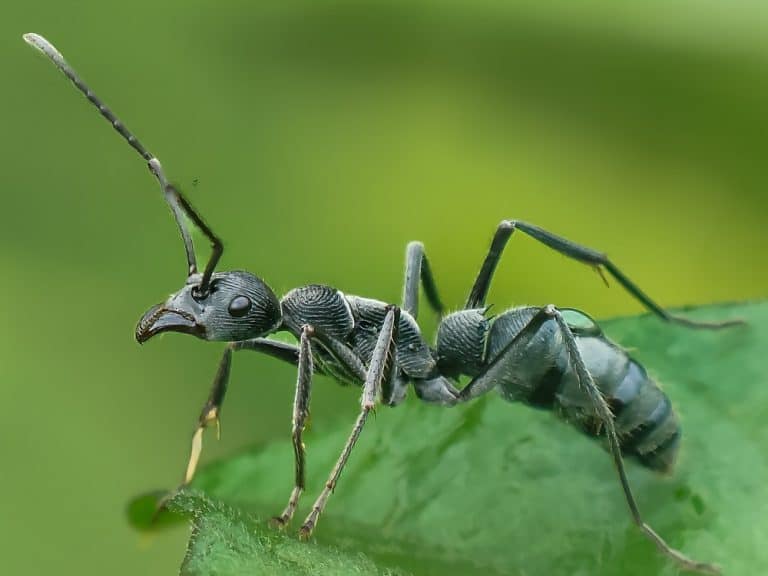
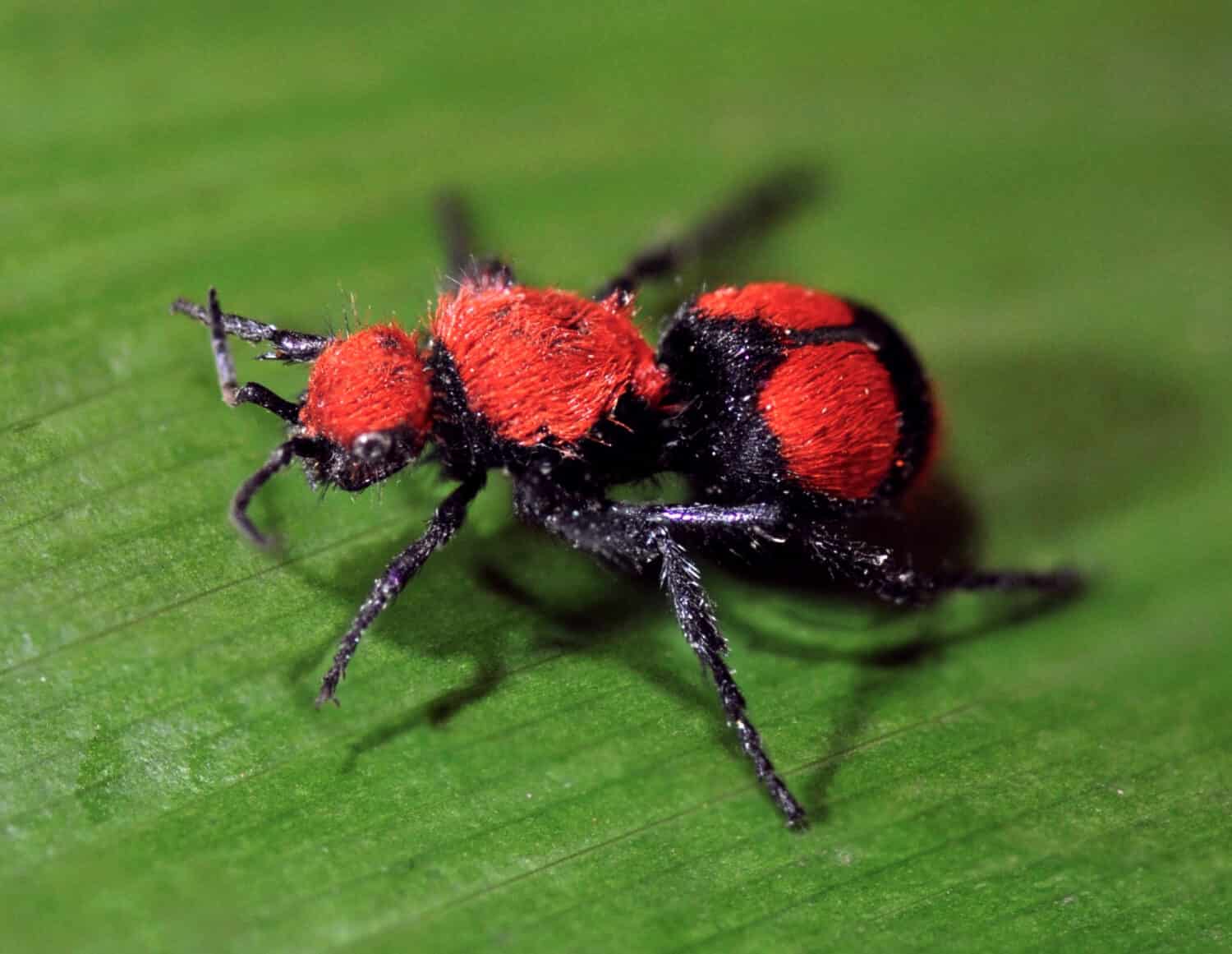
Velvet ants are not ants!
©Gerry Bishop/Shutterstock.com
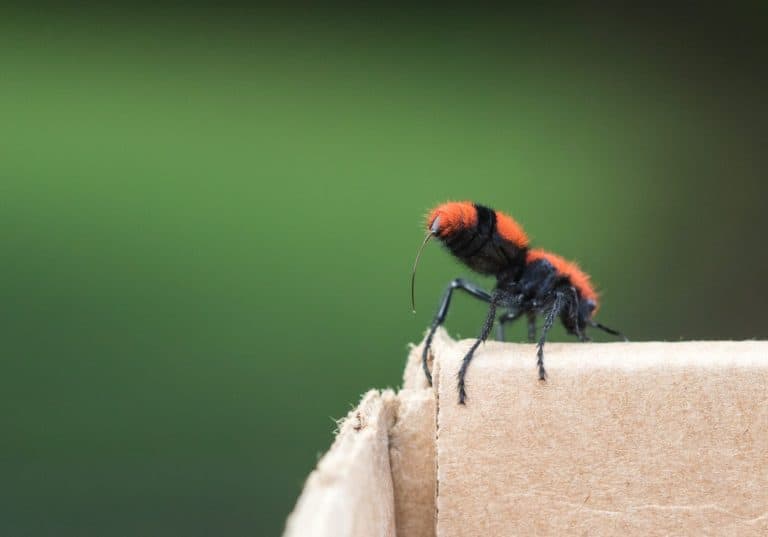
They appear fuzzy, with dense hair covering their bodies, and are brightly colored. The females are wingless and resemble ants covered in velvet, which is how they got their name. Female velvet ants spend most of their lives searching for suitable places to lay their eggs. As parasitoid wasps, they need to lay their eggs on the pupae of other insects. The problem is that these hosts can be spread out over some distance. The females must spend a lot of time in the open. This makes them extremely vulnerable to predators. As a result, female velvet ants have developed impressive defenses.
The Velvet Ant’s Tough Exoskeleton
The exoskeletons of female velvet ants are built to withstand intense attacks. Studies have demonstrated that it takes 11 times more force to crush them than is needed to crush a honeybee. Recent studies of exoskeleton composition suggest this strength may be related to the metals it contains. The research showed that velvet ant exoskeletons have a different metal profile from other aculeates (bees, wasps, and ants). Their cuticles contain iron, which is uncommon in other insects, as well as higher levels of aluminum, zinc, and calcium. There was also evidence that this metal reinforcement of their cuticle was more pronounced in the head and associated structures.
Additionally, their exoskeleton has a rounded shape, causing attempted stings or bites to glance off the abdomen rather than penetrate it. This makes it harder for potential predators to attack them.
Other Impressive Defenses
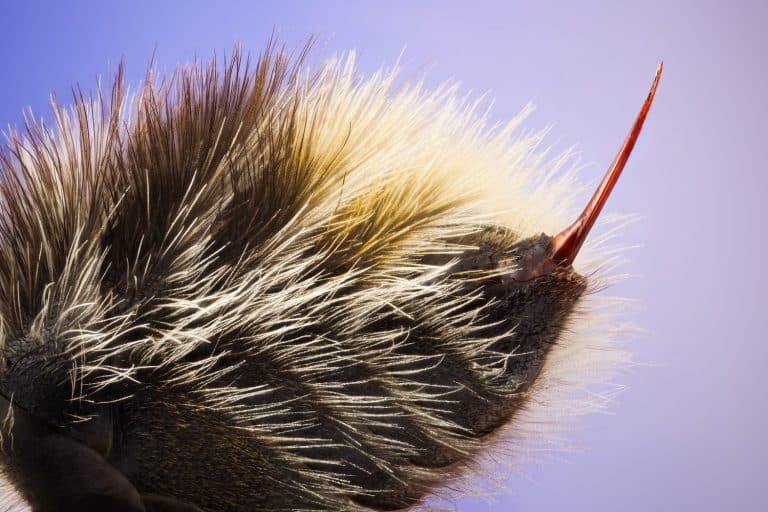
While their hard exoskeleton may be impressive, this is by no means the velvet ant’s only defense. The females possess a large stinger that can be nearly half the length of their body. It delivers a very painful venom, surpassed only by bullet ants and tarantula hawks on the human pain index. They also have striking aposematic coloration.
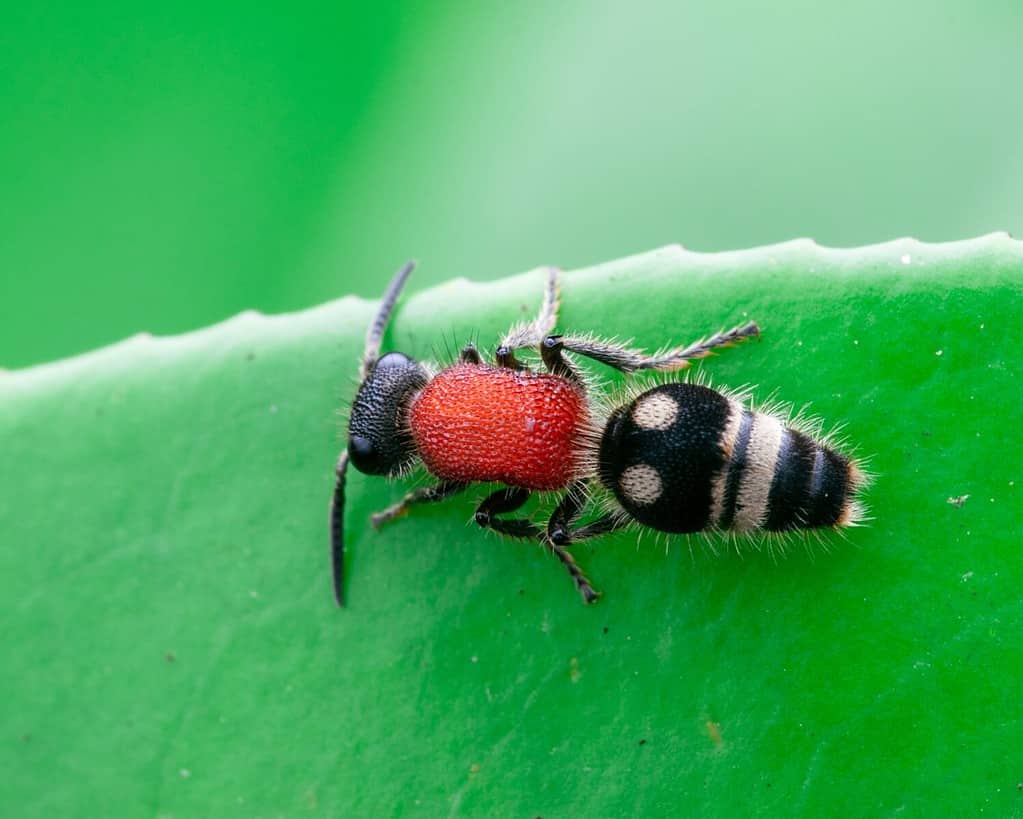
Bright colors warn off predators.
©RyanPictures/Shutterstock.com
The bright whites, oranges, yellows, or reds are a conspicuous signal to would-be predators that there is a price to pay for trying to eat them. This is an example of Müllerian mimicry, where two organisms independently develop similar anti-predator traits. Dozens of species of these wasps have these colors. But that is not all!
Even More Defense Mechanisms
When a female velvet ant wasp becomes distressed, for example, when she is being attacked, her abdomen contracts and produces an audible squeaking sound. The scientific name for this is auditory aposematism. Simultaneously, she releases an alarm secretion from her mandibular gland. This is called chemosensory aposematism. These mechanisms have evolved to warn potential predators that persisting in their attack will result in a painful sting.
Which Predators Will Attack Velvet Ants?
Given the range and ferocity of their defenses, you would assume that predation pressure drove the evolution of these strategies. Yet, very little is known about which animals actually try to hunt these wasps and how successful those attempts are.
One fascinating observational and experimental study exposed various vertebrate predators to velvet ants. The results provided valuable insights. Out of 100 interactions between potential predators and various species of velvet ant, there were only 16 occasions where feeding strikes occurred. It’s even more impressive that only four velvet ants were eaten and, of those, three were immediately regurgitated. Therefore, only one of the 100 ants was actually eaten.
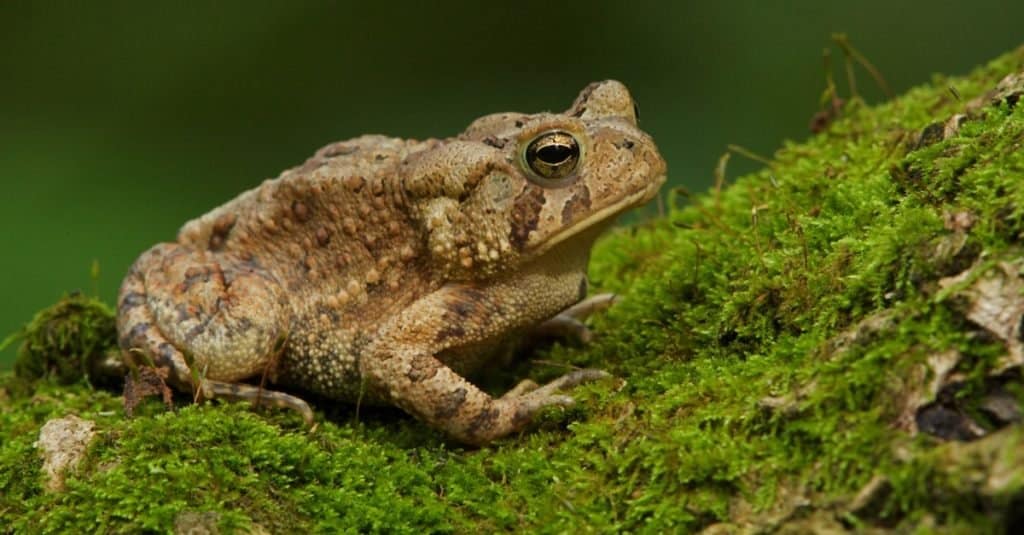
One American toad ate a velvet ant – but it didn’t go well!
©Tom Reichner/Shutterstock.com
In general, the birds in the study were wary around both live and dead velvet ants. Just one strike was recorded, and this was by a young (possibly inexperienced) bird. The lizards were similarly cautious. Over the 70 lizard-wasp interactions observed, no velvet ant was injured or eaten by a lizard. Shrews and moles also seemed to prefer to avoid them.
The only animal to successfully eat a velvet ant was an American toad. However, this was not an enjoyable meal! After swallowing the wasp, the toad showed weak or mild symptoms of distress, including opening and closing its eyes and mouth and whole body twitches. Its breath slowed, and it appeared to be preparing to regurgitate the velvet ant. The toad then stopped breathing, and its mouth gaped for a while, but eventually it recovered, and the wasp was never regurgitated. One week later, the same toad was presented with a second velvet ant, which it completely ignored. It clearly learned from its previous experience.