
Quick Take
- Only one type of bee actually dies after stinging you, and the reason behind it is far more gruesome than most people expect. See the gruesome reason →
- A bumblebee landing on you isn't actually a threat, though the instinct most people follow in that moment is exactly what provokes a sting. Avoid provoking a sting →
- A significant chunk of every bee population is physically incapable of stinging, and most people have no idea which ones they are. Find out which bees can't sting →
The animal kingdom is full of misconceptions and myths about its most fascinating species. Bees are also among the most important, but they come with a potentially fatal reputation. While the fear of these essential pollinators is not entirely unfounded—especially for those with bee allergies—it is often based on paranoia and misinformation.
Honeybees are unique in that they typically die after stinging mammals. Some bee species don’t even have stingers, despite looking like those that do. When it comes to the world of bees, stinging is typically an extreme and dramatic last resort.
Honeybees Meet a Tragic End After Stinging
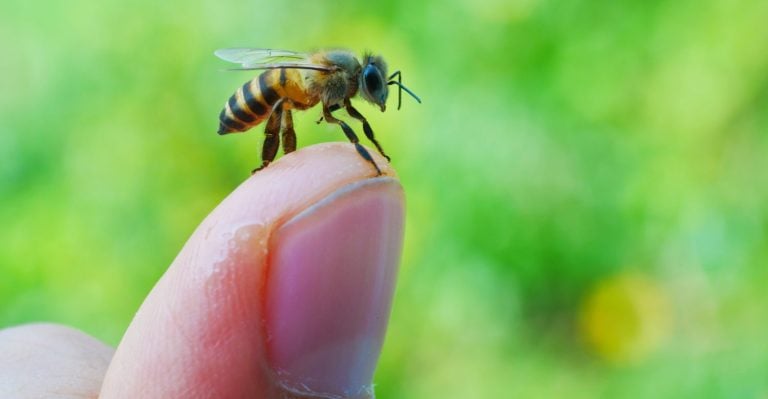
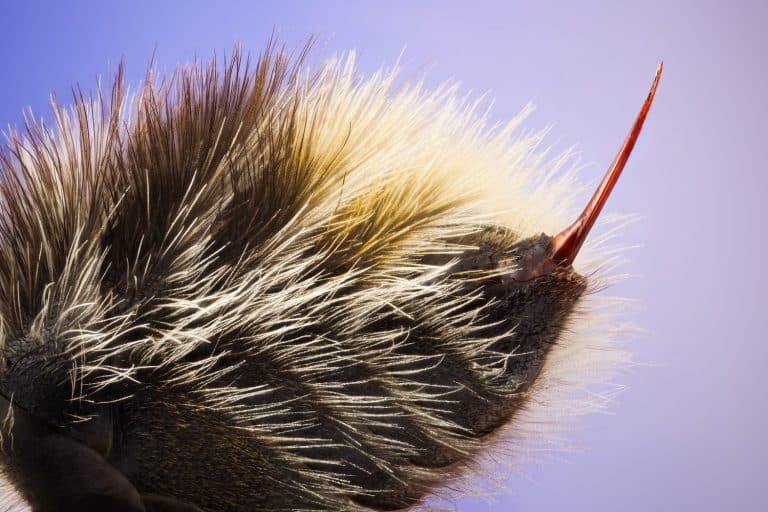
Sadly, one of the planet’s most important species is also the only one that dies after stinging mammals. Honeybees have barbed stingers that get stuck in mammalian skin due to its elasticity. While honeybees might sting animals or larger insects more easily, humans actually pose a greater threat to honeybees than honeybees do to humans. When a honeybee stings, its barbs help stabilize the stinger while it injects venom.
This venom, known as apitoxin, contains a variety of peptides, enzymes, and amines. Melittin causes the sting to become painful and red and makes up the largest proportion of honeybee venom. Interestingly, Phospholipase A2—the enzyme responsible for breaking down cells—makes up only 10% to 12% of a honeybee’s venom. However, this is the chemical compound that can cause severe allergic reactions in humans.
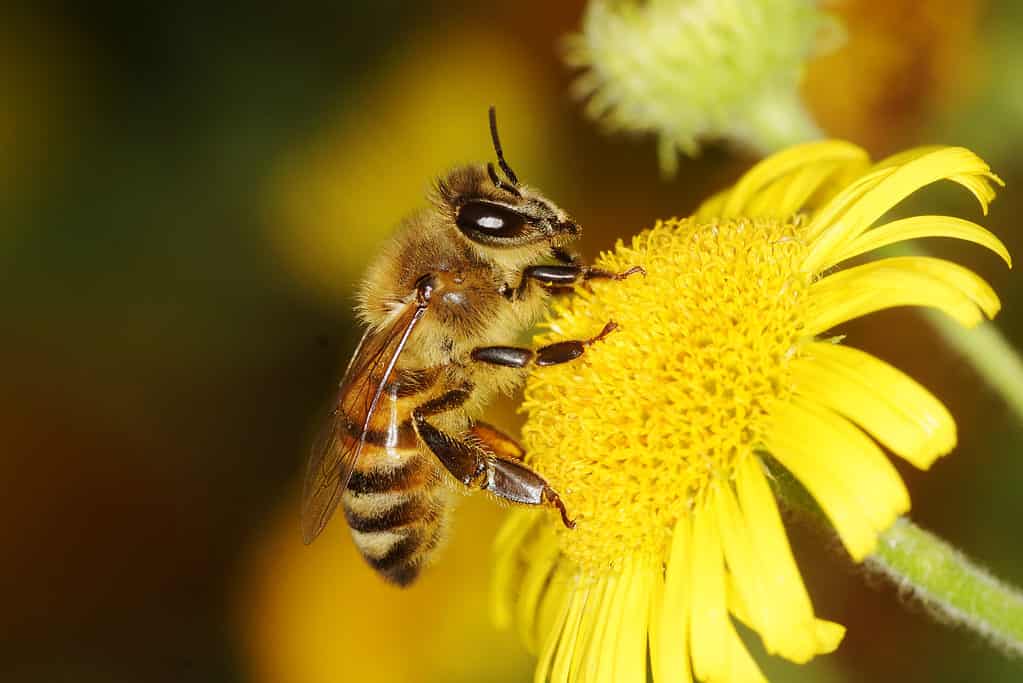
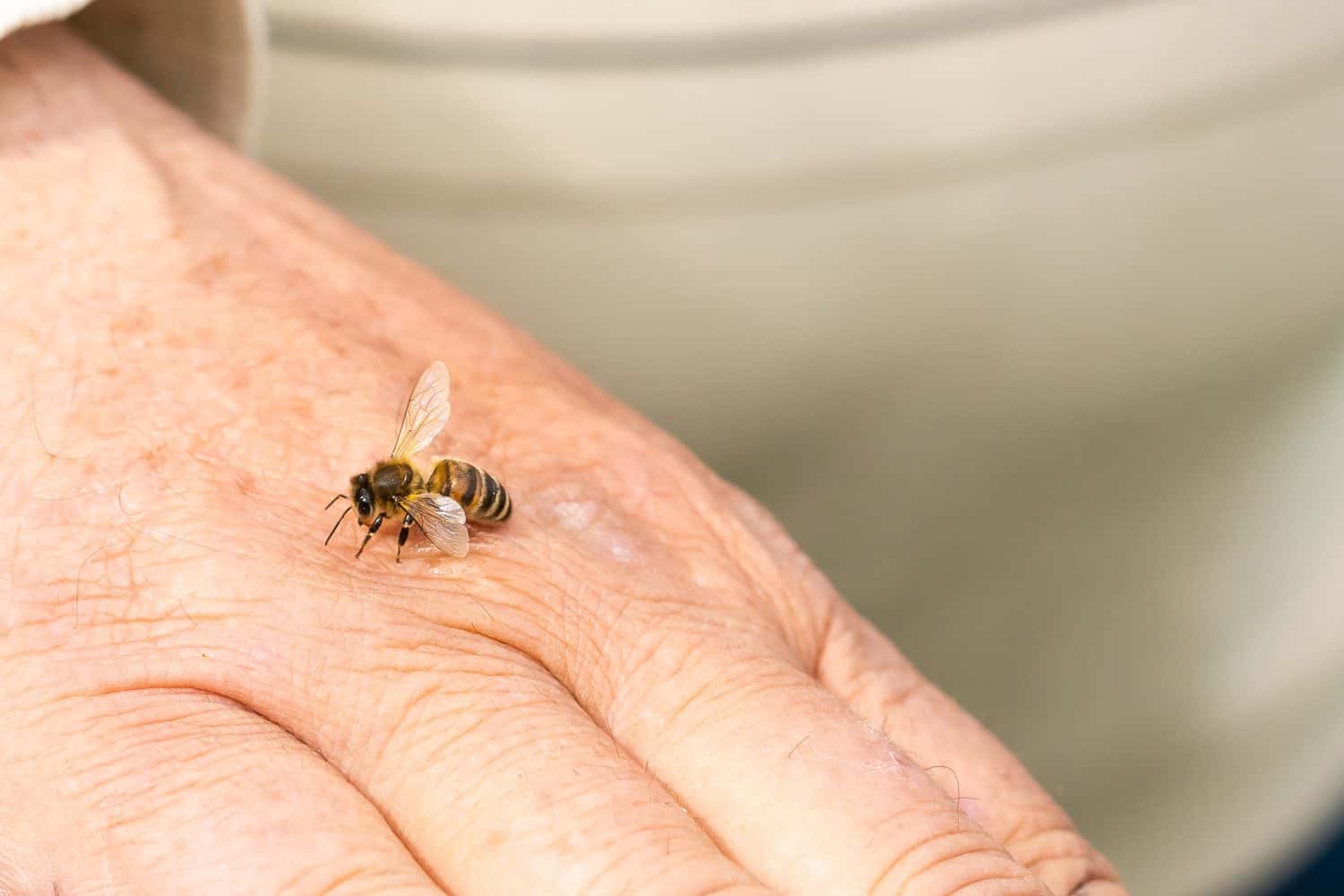
Honeybees will only sting if they feel threatened or are accidentally swatted.
©Maciej Olszewski/Shutterstock.com
Therefore, if you do not have a bee allergy, there is little reason to fear honeybees. Even if you are stung—which is usually accidental—typical reactions include temporary swelling, redness, localized pain, and itching. However, for the honeybee, the consequences are much more severe. When a honeybee realizes its stinger is caught in your skin, it twitches, rotates, and desperately tries to get free.
Most experts believe that honeybees have no idea pulling their stinger out will kill them. Sadly, if a honeybee gets free, its stinger remains lodged, which rips out its lower abdomen, digestive tract, and nerves. This is fatal for honeybees when they sting mammals, because their harpoon-like stinger is internally attached to vital organs while they secrete venom.
Bumblebees Are Gentle Giants With No Stinging Intentions
In contrast to the honeybee, the stinger of a bumblebee is smooth with no barbs. This means it can sting repeatedly and not die. They retain their stingers, as it’s easy to pull them out of the skin. When this happens, they also inject venom that causes localized itching, swelling, redness, and pain, and can also induce an allergic reaction in sensitive individuals. However, this is rarely, if ever, a concern when faced with a bumblebee.
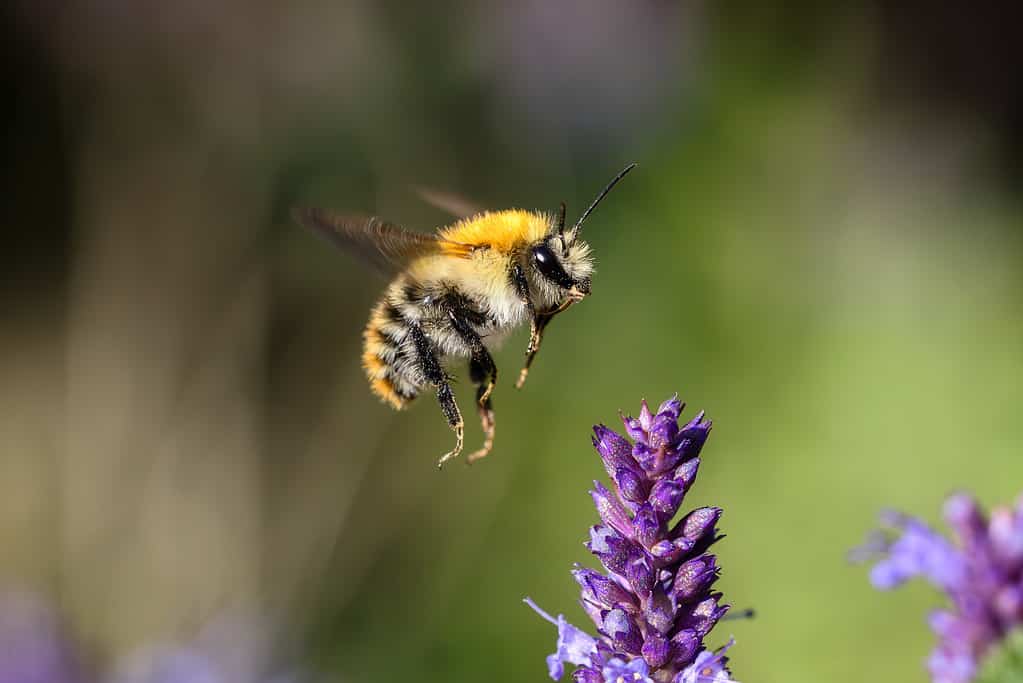
Bumblebees are perfectly content minding their own business, and aren’t interested in humans.
©chris-mueller/iStock via Getty Images
Considered the most “friendly” bee by far, bumblebees are the gentle giants of the bee world. They prefer to stay to their foraging and don’t usually mind if humans share their space. They remain focused on collecting pollen, and there are few human-bee interactions as long as you’re aware of their presence.
Some bumblebees have been known to land on humans for a rest or near them for a drink. If a bumblebee lands on you, it is best to remain calm and let the bee fly away on its own. Bumblebees do not land with the intention of stinging and will only sting if they feel extremely threatened. If a bumblebee displays any sign of aggression, it is usually a bluff to spook you away from its ground nest or pollinating source. Most stings occur when people accidentally step on their nests or swat them.
Male Bees Don’t Have Stingers At All
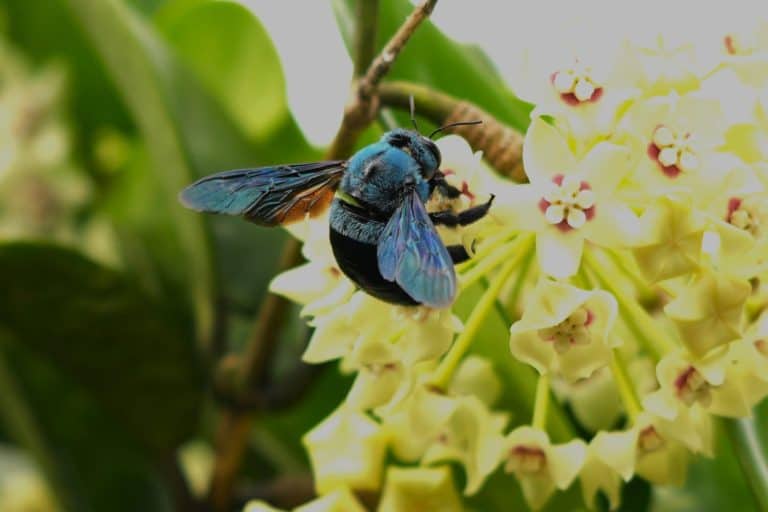
The fear of bees is only partially founded in truth, because male bees don’t have stingers at all. This includes male honeybees, bumblebees, and even carpenter bees, which are arguably more docile than bumblebees. This is why some people feel more comfortable handling bees or being around them. Knowing that a fraction of the population is unable to sting takes away a significant part of the fear behind their stings.
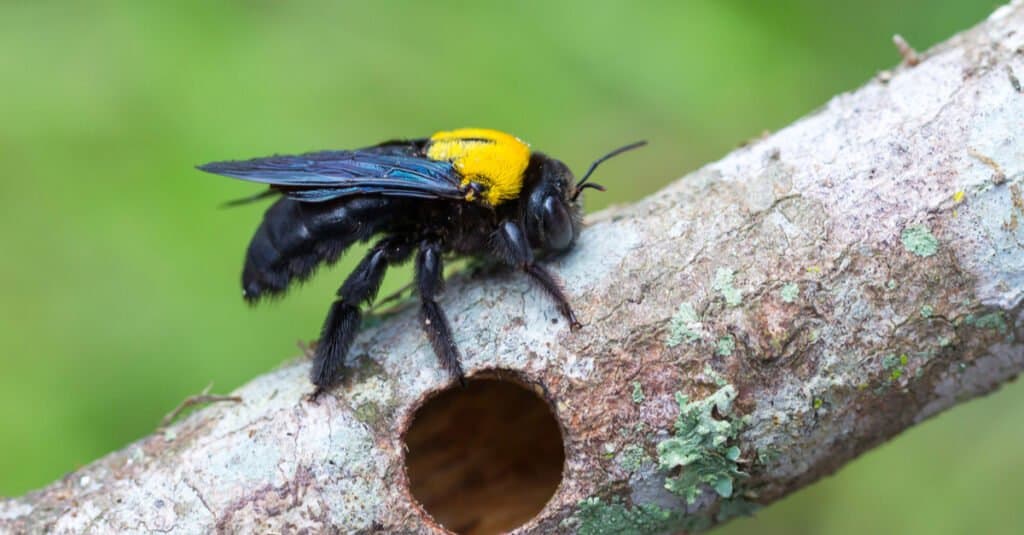
Carpenter bees are docile and are more preoccupied with wood boring than stinging.
©Zety Akhzar/Shutterstock.com
While a male can be aggressive if disturbed or harassed, the most they can do is buzz around in an attempt to show dominance. This is their only defense against threats, while females are the ones that protect the nest. Female bees are also responsible for foraging, but during spring and summer mating season, males are typically found flying with them. This further reduces the already low chance of being stung.