
Quick Take
- One creature on this list can safely eat a carcass riddled with anthrax or botulism, and its secret weapon is purely biological. How vultures handle pathogens →
- The insect most people call a destructive pest is actually one of the most important recyclers in tropical ecosystems. Termites as tropical recyclers →
- Some of these recyclers go beyond simply breaking down waste. They apply their own antimicrobial chemicals to control the process and block competitors. Beetles that control decomposition →
- One ocean-dweller recycles the seafloor the same way earthworms recycle soil, though almost nobody thinks of it that way. Sea cucumbers and seafloor recycling →
Nothing in nature is wasted, at least not for very long. Dead animals, fallen leaves, rotting wood, and even piles of feces eventually become food, shelter, or useful materials for another living thing. The critters that act as natural recyclers keep the world from becoming buried in waste. They also keep nutrients moving through ecosystems. From insects that gather and roll away dung to fungi that eventually break down entire forests, here are eight members of nature’s recycling crew.
1. Dung Beetle
©Michael Potter11/Shutterstock.com
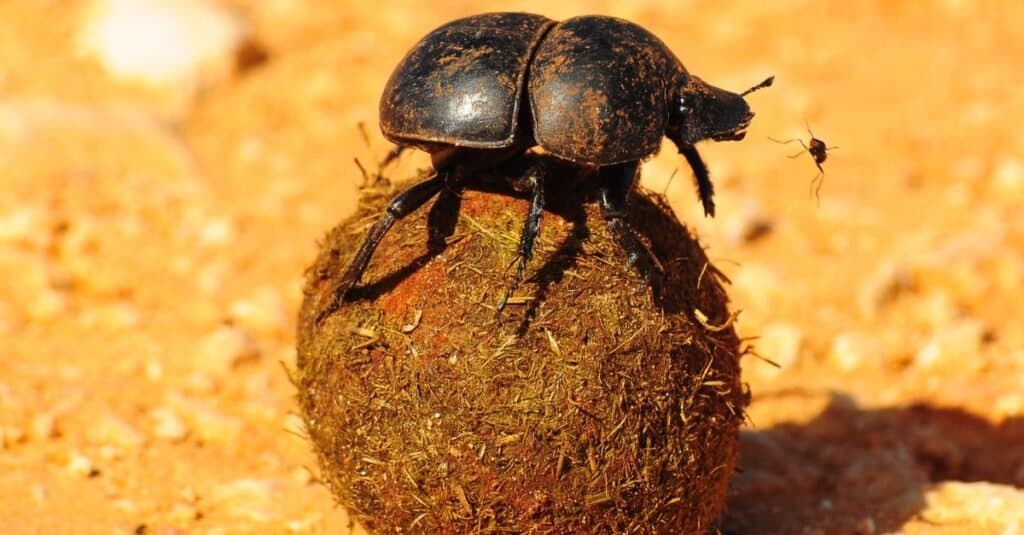
Dung beetles turn animal waste into food, shelter, and a nursery for their young. Many species gather manure, shape it into balls, and roll them away before burying them underground. The adults consume the liquid inside the feces, while their larvae eat the solid material. By removing waste, dung beetles do more than feed themselves. They reduce odors, limit breeding grounds for flies, and return nutrients to the soil. Some can bury an impressive amount of dung in a single night.
2. Vulture
©Petr Szymonik/Shutterstock.com
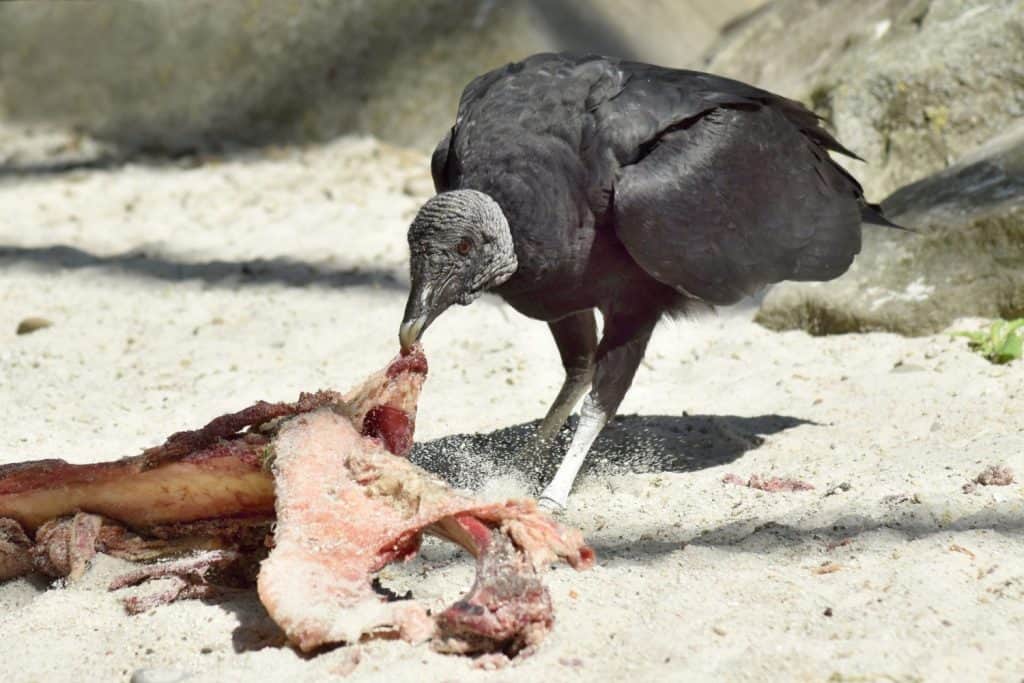
Vultures act as nature’s ultimate cleanup crew by almost exclusively consuming animals that have already died. If the animal has perished due to disease, it isn’t a problem for these resilient birds. Their highly acidic stomachs can destroy dangerous bacteria and toxins that would make most animals seriously ill. This allows them to safely eat carcasses infected with diseases such as anthrax or botulism. By removing rotting carcasses, vultures slow the spread of disease to other living creatures and keep ecosystems cleaner. Without them, dead animals can sit around for days and attract huge numbers of pests.
3. Earthworm
©Nick N A/Shutterstock.com
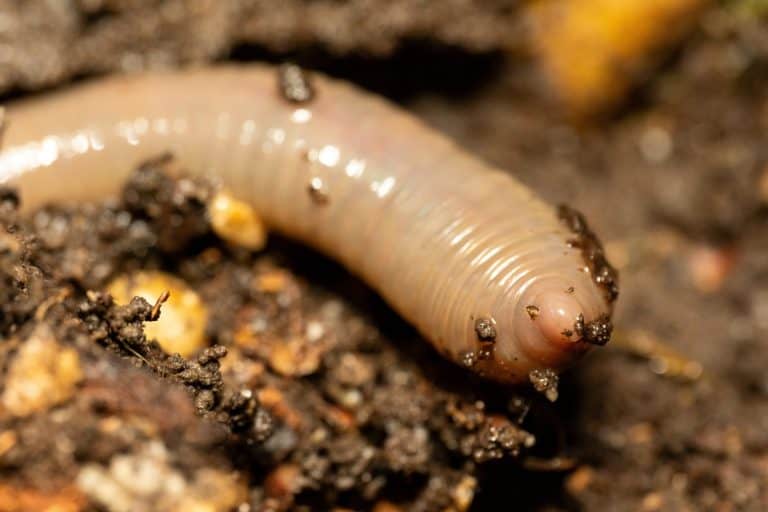
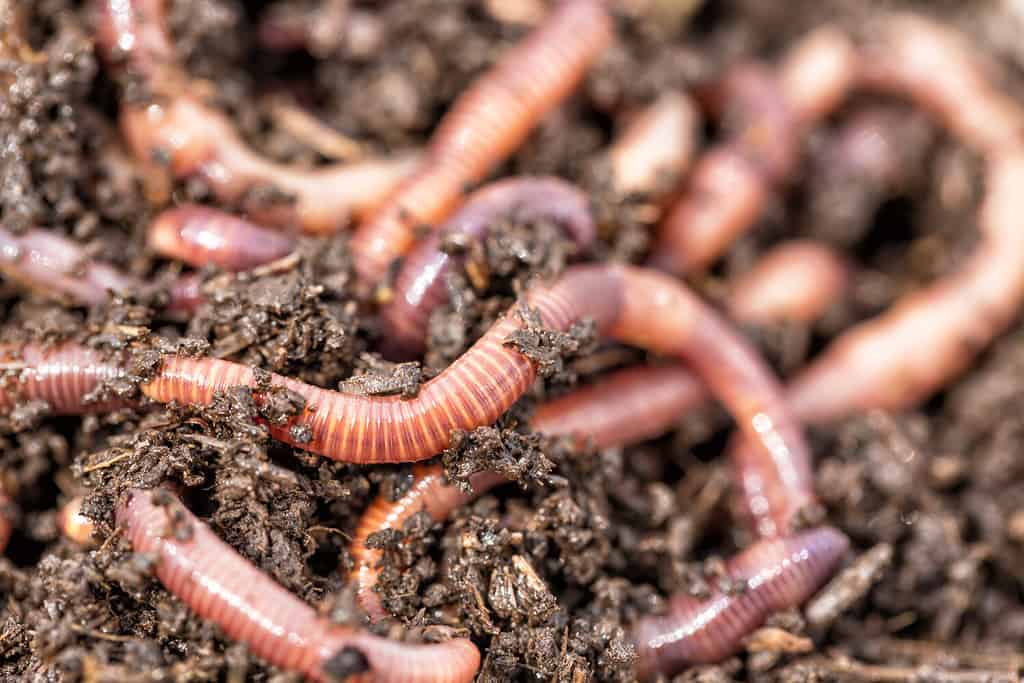
Earthworms spend their lives pulling dead leaves and other decaying material into the soil. As the material passes through their bodies, it is broken down and released as nutrient-rich castings. Their tunneling behavior also loosens compacted ground, allowing air and water to reach plant roots more easily. A healthy population of earthworms can completely alter the soil in a field or forest. While recycling plant waste, they improve the ground for the next generation of growth.
4. Turkey Tail Fungus
©Sheila Brown/iStock via Getty Images
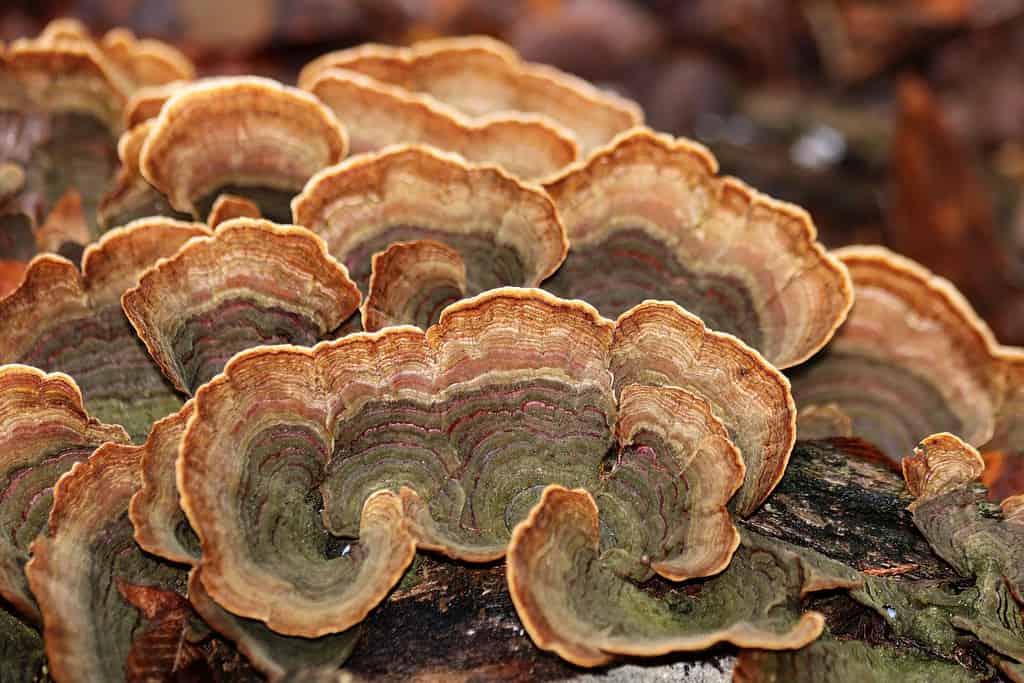
Turkey tail fungus grows on fallen logs and dead tree trunks, forming colorful bands that look quite a bit like a bird’s tail feathers. Like many fungi, it releases enzymes that break down the tough material inside wood. Over time, this changes a solid tree trunk into soft matter that can return to the soil. Without wood-eating fungi, forests would be overflowing with dead trees. Their work helps unlock and reuse nutrients that would otherwise stay trapped inside old wood.
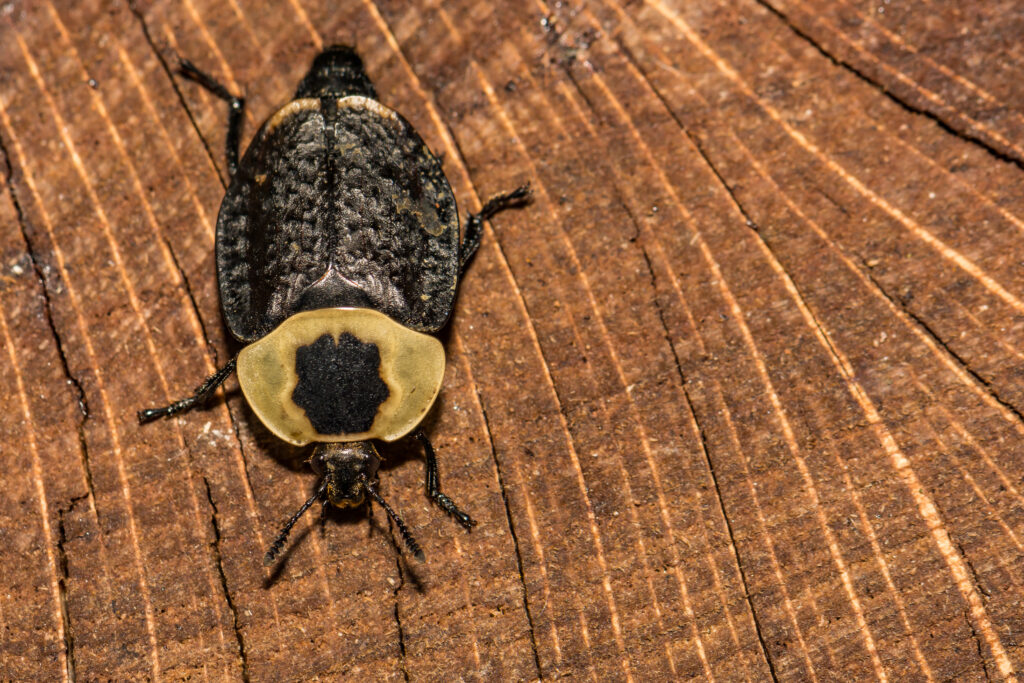
5. Carrion Beetle
©Jay Ondreicka/Shutterstock.com
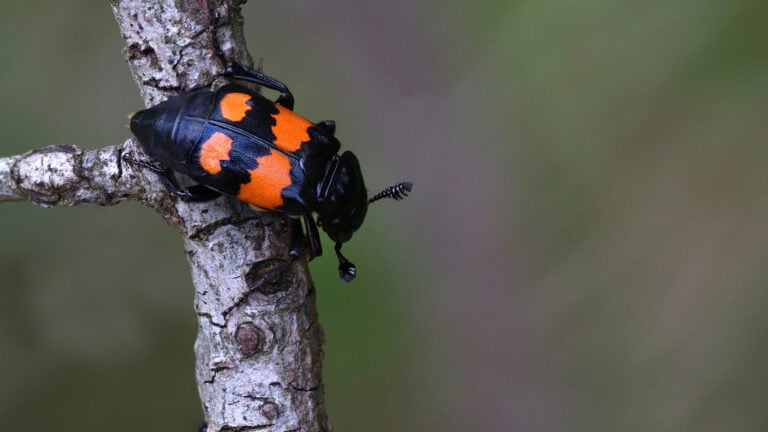
Carrion beetles are experts at finding dead animals, sometimes locating a small carcass in mere hours. Some species bury the body underground, where it becomes food for their larvae. The adults may remove fur or feathers and cover the carcass with antimicrobial chemicals that slow decomposition and ward off competing insects. By dragging bodies under the soil, these beetles turn dead animals into nutrients for both their young and nearby plants. In the wild, even a dead mouse is worth recycling.
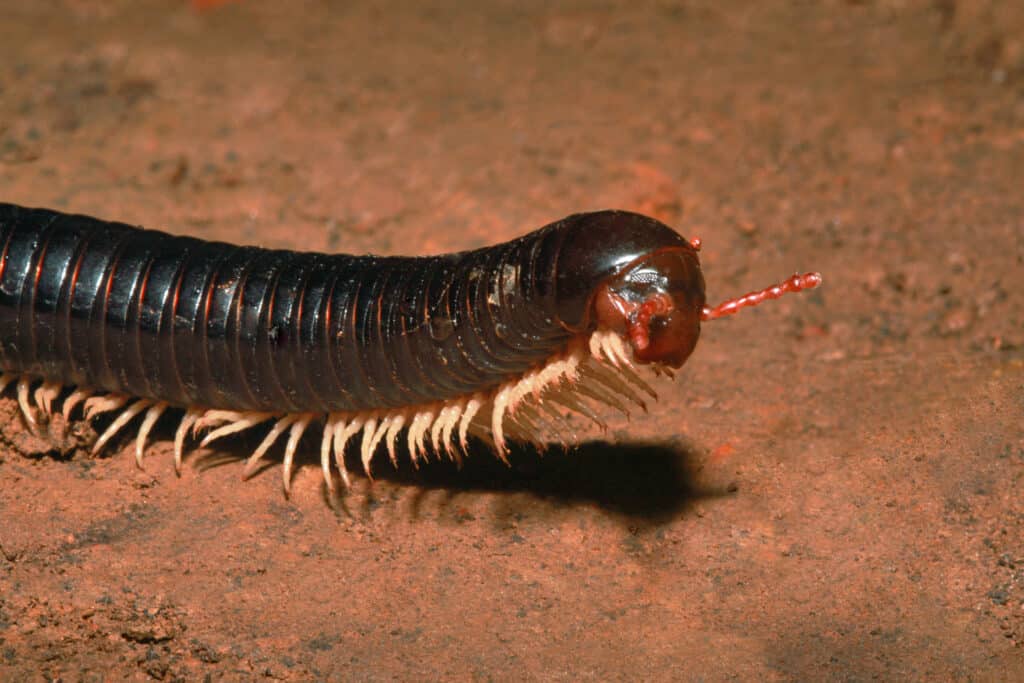
6. Millipede
©iStock.com/ePhotocorp
Millipedes mainly eat fallen leaves, rotting wood, and other dead plant material scattered across the forest floor. Their chewing breaks large pieces of debris into smaller fragments. These tinier pieces are easier for fungi and bacteria to digest. As the material moves through the millipede, nutrients are released back into the soil. They may not completely decompose a leaf on their own, but they make the process faster overall. In damp forests, enormous numbers of millipedes join forces underneath the leaf litter.
7. Sea Cucumber
![Scuba diver holding up a sea cucumber (Holothuroidea) [MR]](https://a-z-animals.com/media/2025/06/shutterstock-121845376-huge-licensed-scaled-1024x685.jpg)
©e2dan/Shutterstock.com
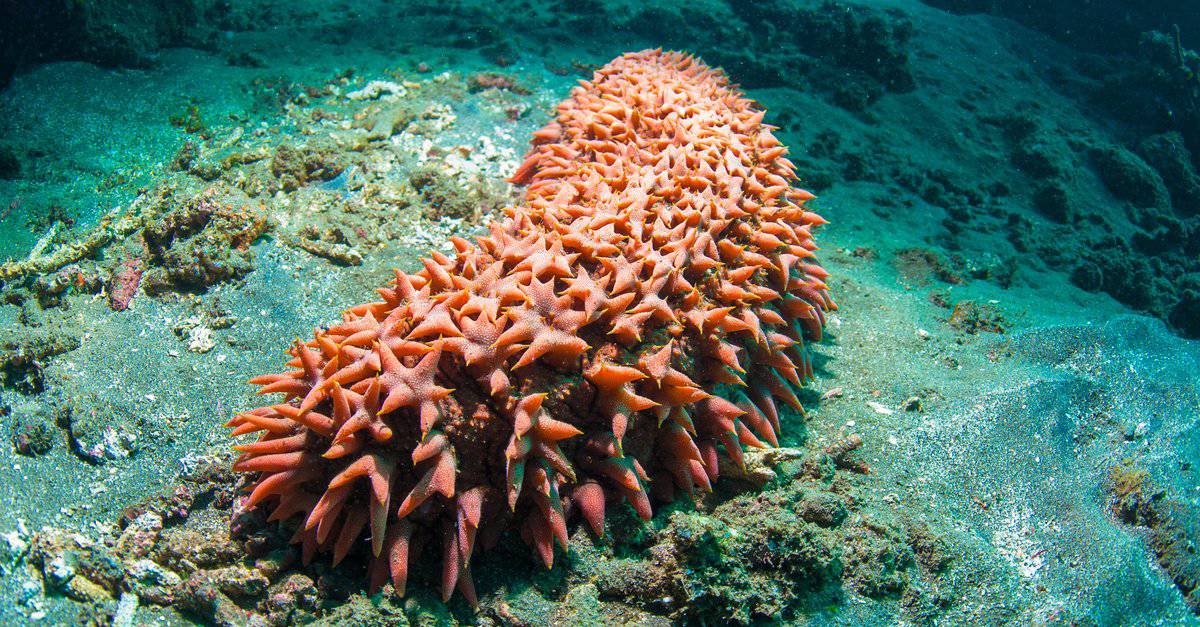
Sea cucumbers recycle waste on the ocean floor by swallowing sand and mud. They digest the tiny bits of algae, bacteria, and organic debris mixed inside. Then, they release cleaner sediment behind them. This process helps incorporate oxygen into the seafloor and makes nutrients available to other marine life. A single sea cucumber can process a surprisingly large amount of sediment each year. They function almost like living vacuum cleaners, except that these vacuums can transform dirty particles into something useful.
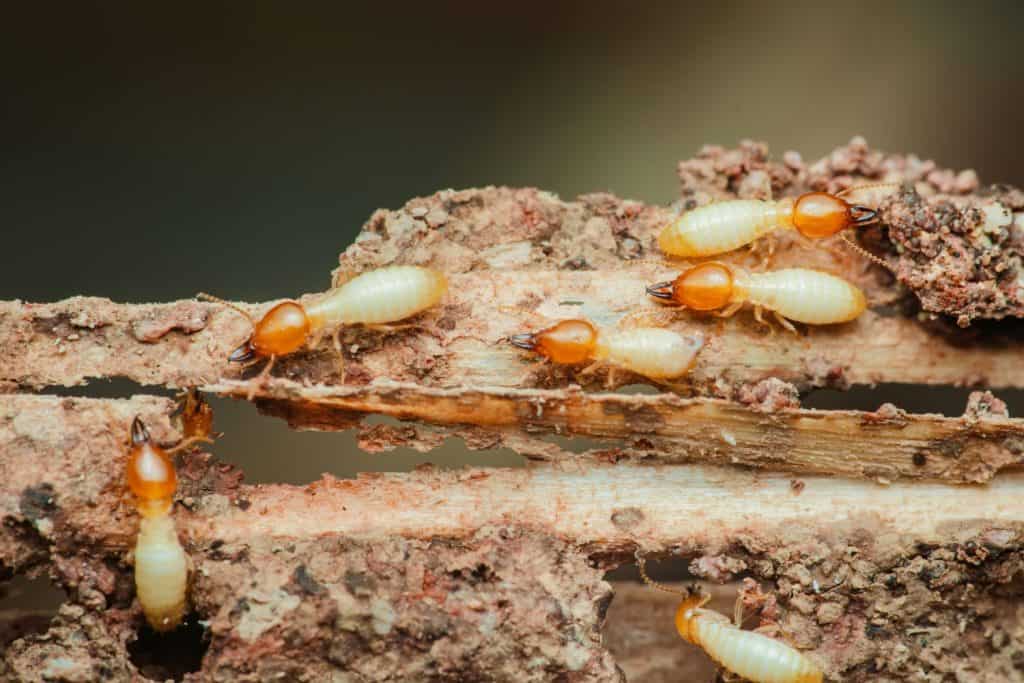
8. Termite
©Pawich Sattalerd/Shutterstock.com
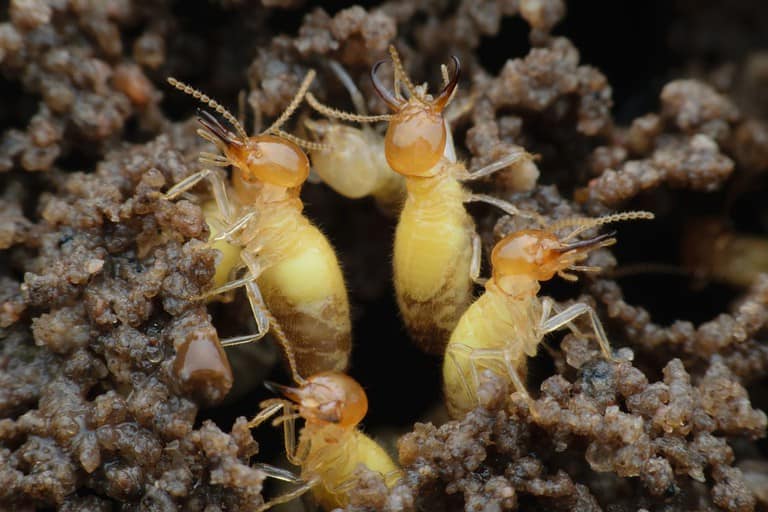
Termites are called destructive pests, but in natural ecosystems they are important recyclers of dead wood. Microorganisms inside their digestive systems help them break down cellulose, a tough material that many animals cannot digest. As termites eat fallen branches, tree stumps, and dead grass, they return stored nutrients to the soil. Their underground tunnels also improve drainage and mix different layers of soil. In many tropical ecosystems, termites tend to handle the recycling work that earthworms take on in temperate regions.