
Quick Take
- Sea snakes have a skin problem that would be fatal on land, and their solution turns out to be stranger than any adaptation scientists expected. See the strange adaptation →
- The knotting behavior solves more than one problem, and you may find the second reason even more surprising than the first. Discover the second reason →
- A viral video claims sea snakes knot up to stay afloat, but the actual biology tells a completely different story. See what knotting really does →
- Yellow-bellied sea snakes never touch land, which means every basic survival task works nothing like you'd imagine.
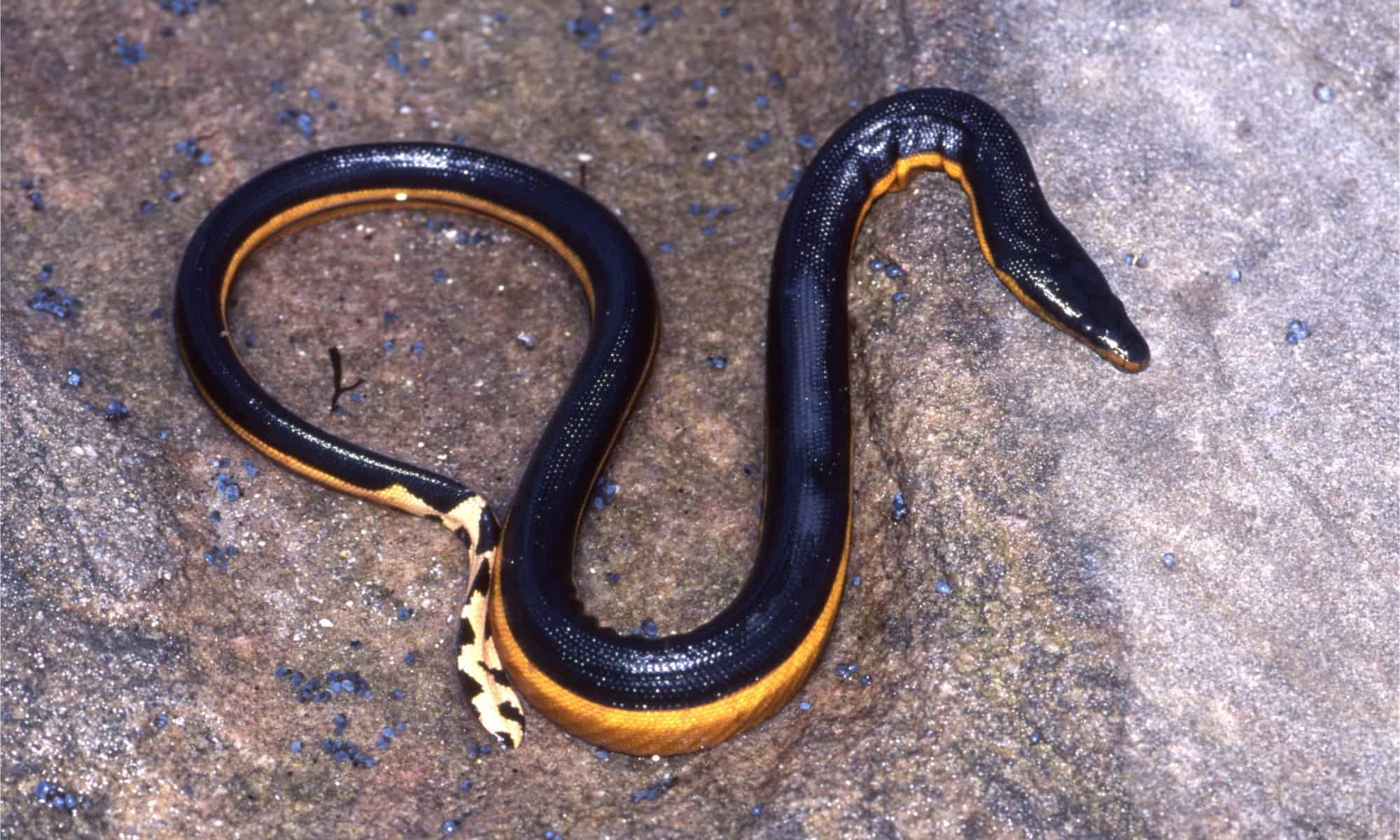
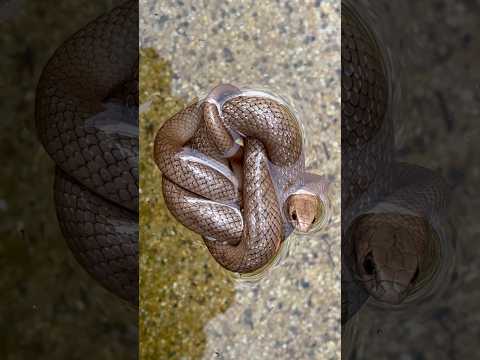
The yellow-bellied sea snake is a marine snake that spends the majority of its time in the water. While they’ve adapted to this environment, it comes with some challenges. For example, what do they do when they need to shed their old skin, but have no rough surface to rub on? One solution is for the snake to wrap its body into a knot. This YouTube Short by @actsnakeremovals7213 shows a snake wrapped up in a knot. Read here to learn more.
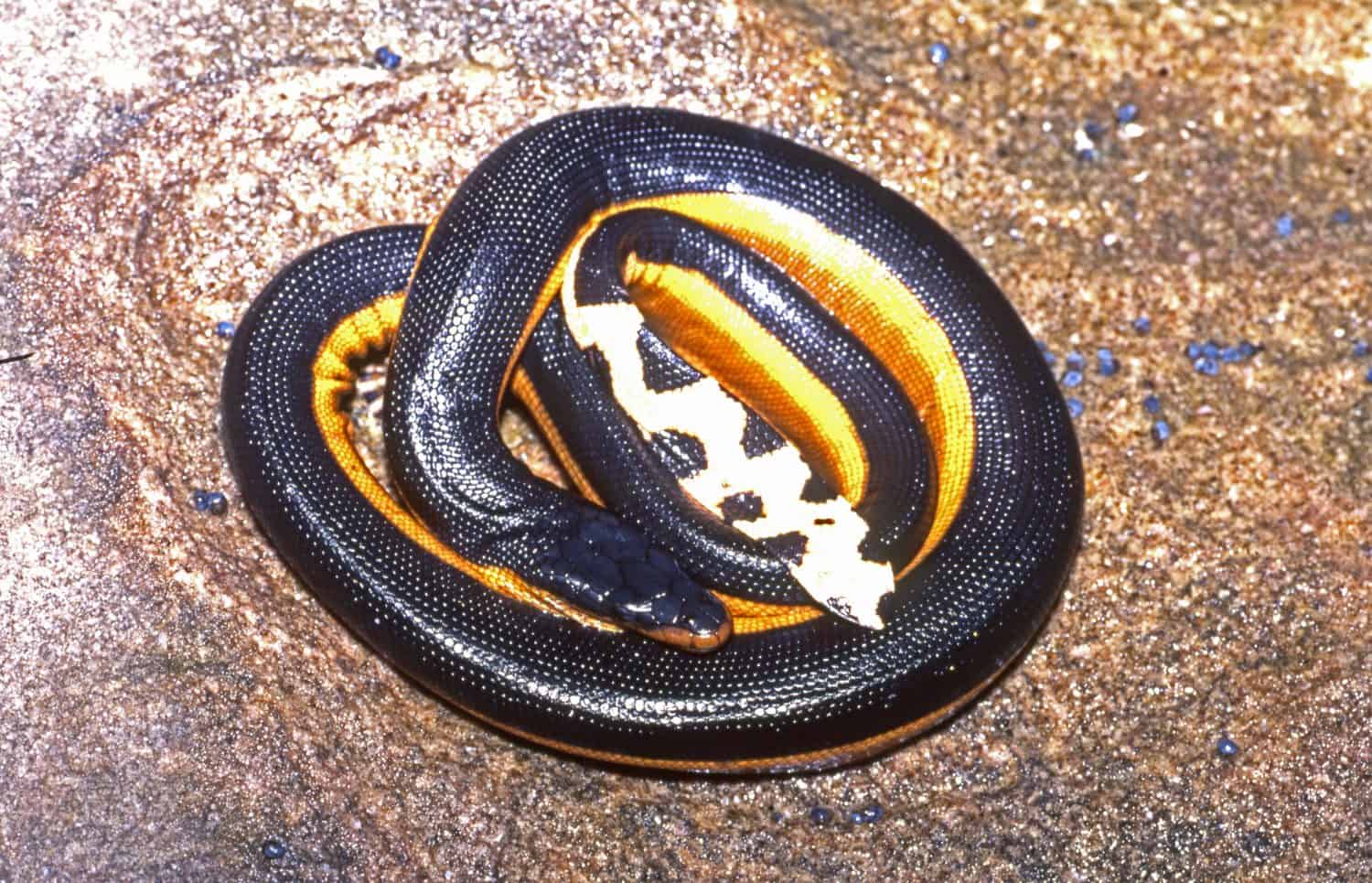
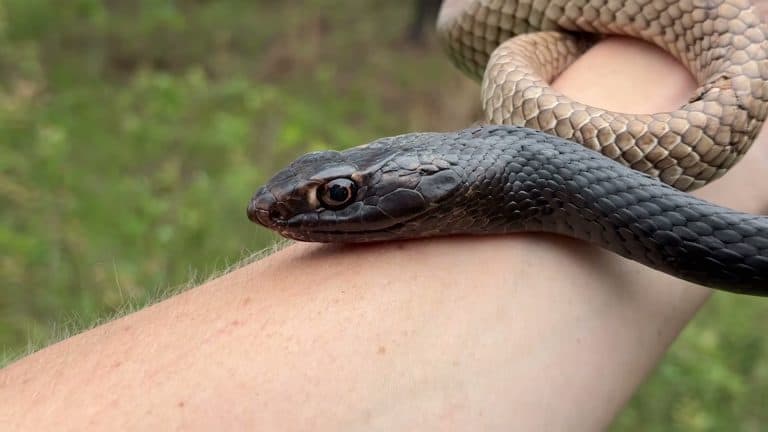
The yellow-bellied sea snake is one of the most aquatic snakes in the world and can spend its entire life without coming on land.
©Ken Griffiths/Shutterstock.com
How Sea Snakes Groom Themselves
The video above is a short look at one of the most unique forms of grooming in nature. Unlike terrestrial snakes, marine species like the yellow-bellied sea snake have a difficult time with shedding old skin. As snakes grow larger over time, they need to lose their old skin as it becomes too tight. Terrestrial snakes normally remove their skin by slithering their way through vegetation and rocks, scraping their scales against these rough surfaces. In doing this, the friction catches on loose skin and helps peel it off as the snakes move forward. However, marine snakes don’t have this same luxury. Instead, they tie themselves into a knot by crossing over their own body multiple times — and this is what they use to shed their old skin.
To shed their skin, the knot acts as a great source of friction. While tying themselves, the scales rub against one another to loosen them, similar to terrestrial snakes. With each pass, the skin slowly sheds backwards. This action not only helps with shedding skin but also keeps the snakes clean. Like other marine animals, yellow-bellied sea snakes often have algae, parasites, or other small marine organisms growing on them. The knot shape can remove all of this unwanted debris and keep the snake healthy. The video above suggests that the snake ties itself in a knot to stay afloat. However, for the yellow-bellied sea snake specifically, this is unlikely. Yellow-bellied sea snakes are buoyant enough as is to stay afloat without support. This is because their lungs are extremely long, extending throughout much of their body.