
Quick Take
- The desperate urge to breathe underwater isn't measuring what you think it is, and that mismatch is what makes breath-holding genuinely dangerous for humans. See why air hunger misleads →
- Seals can stay calm at CO2 concentrations that would send a human into full panic, and the biological reason why is stranger than it sounds. Explore seal CO2 tolerance →
- A seal's spleen functions like a piece of dive equipment, activating exactly when the animal needs it most. See the spleen scuba tank →
- The same neurological precision that lets seals dive without panic also gives them a completely unrelated ability. Discover the surprising byproduct →
The longer you hold your breath, the more a desperate pressure in your chest grows — this is what scientists call “air hunger.” This panicked, suffocating feeling acts as a fundamental mammalian “panic button” that prompts us to breathe, but it is actually triggered by a different biological mechanism.
Most mammals, including humans, can’t actually “feel” the oxygen levels in their blood. Instead, our bodies track the buildup of carbon dioxide. When carbon dioxide levels rise, it triggers a powerful physical urge that forces us to gasp for air—usually long before we actually run out of oxygen. However, if a human’s oxygen level drops too quickly before the carbon dioxide alarm is triggered, they can pass out (a “blackout”) without any warning.
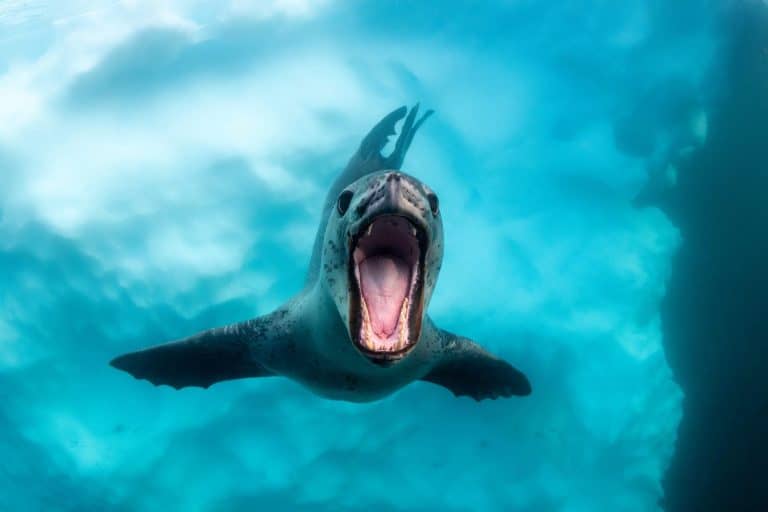
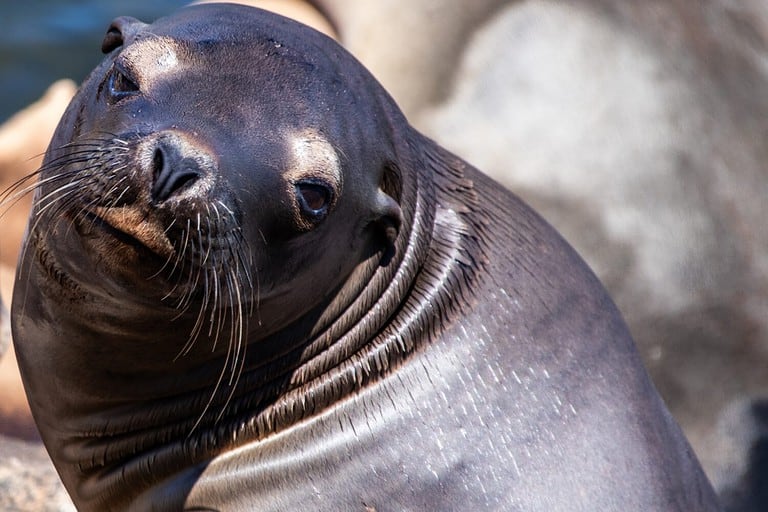
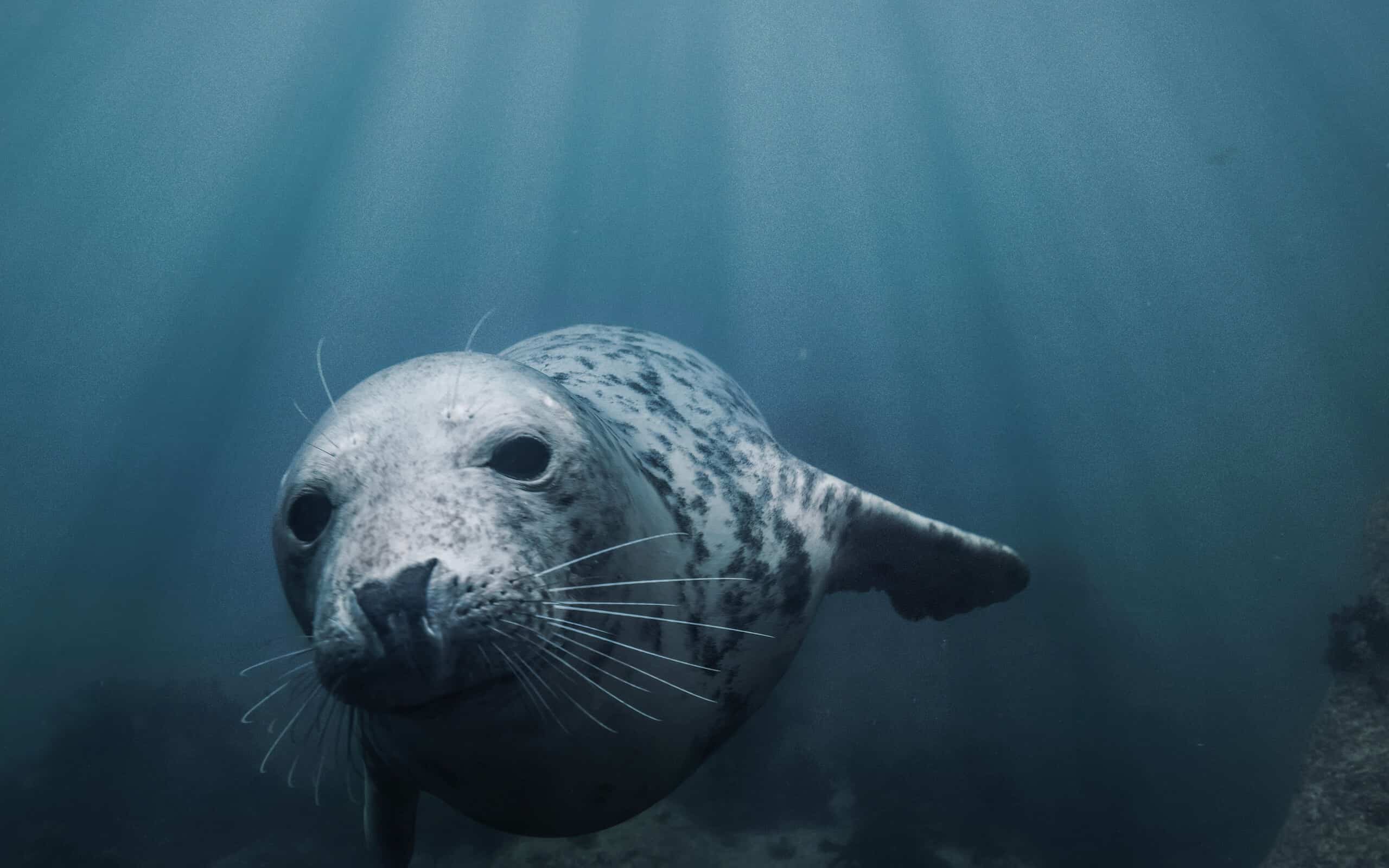
Gray seals, in contrast, have evolved to solve this problem. While they share the same basic diving instincts as humans, seals have essentially turned off that carbon dioxide alarm. Instead of relying on a false panic signal, seals monitor how much oxygen they actually have left, allowing them to remain calm in situations that would send a human into immediate distress.
Direct Oxygen Screening
New research shows that gray seals have “oxygen perception.” They can directly sense how much oxygen is circulating in their bodies by using specialized clusters of sensors in their necks called carotid bodies. These are much larger than ours and are tuned to prioritize oxygen levels over carbon dioxide.

Human free-divers train their bodies to increase their carbon dioxide tolerance, but they still don’t have the immense oxygen storage that seals do.
©Diego Grandi/Shutterstock.com
Because they track oxygen instead of carbon dioxide, seals don’t react to the buildup of waste gases the way humans do. Even when exposed to carbon dioxide levels 200 times higher than normal, they stay calm and keep diving as if nothing is wrong.
Built-In Oxygen Supply
While humans rely on the air held in our lungs, seals carry their main oxygen inside their blood and muscles. A seal’s spleen acts like a built-in scuba tank. During a dive, it contracts and releases a surge of oxygen-rich red blood cells into the body precisely when needed. Seals also have about 10 times as much myoglobin — a protein that stores oxygen — in their muscles as humans do. This internal reserve keeps their brain and body supplied with oxygen even during long, deep dives, helping them stay focused while hunting underwater.
Reflex vs. Control
Even with the same basic mammalian dive reflex, humans and seals experience it very differently.
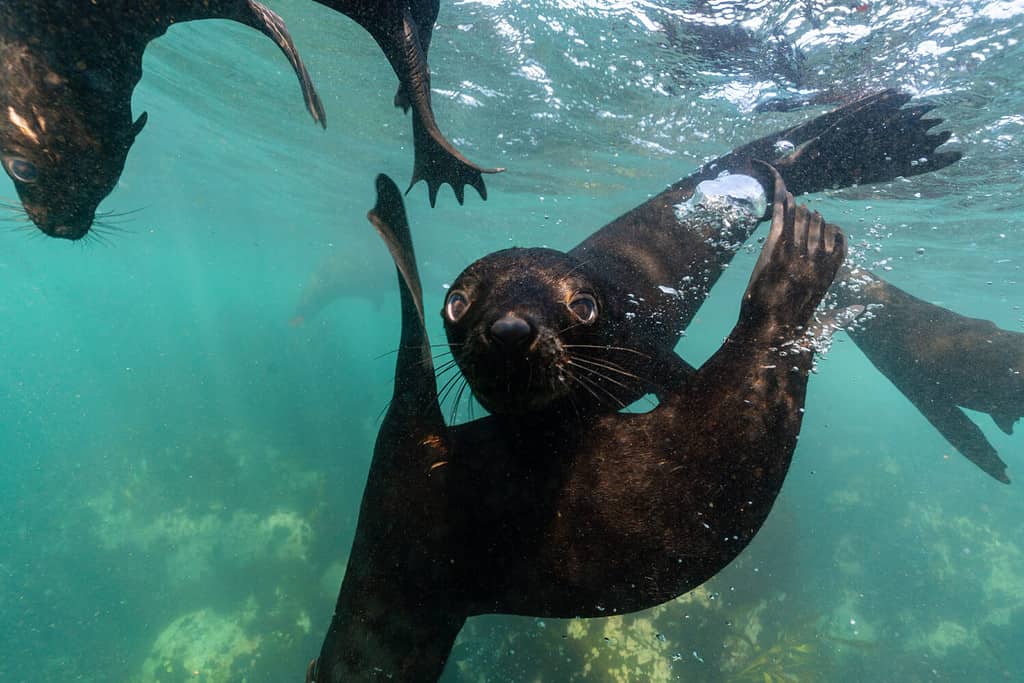
Seals often sleep underwater.
©cookyourtrips.com/Shutterstock.com
When your face hits cold water, your heart rate slows down — a process called bradycardia. In humans, this is a basic, automatic reflex. In seals, it is a finely tuned survival tool. A seal’s heart rate can drop from 100 beats per minute to as low as four to 10 beats per minute during a dive. By drastically slowing its heart rate, a seal conserves oxygen for critical organs such as the brain and heart.
In humans, however, this reflex is much weaker and is in constant conflict with the body’s panic response. As oxygen levels drop, the brain begins sending distress signals, creating an overwhelming urge to breathe. The result is a constant internal battle: the body tries to conserve oxygen while simultaneously demanding air.
Seals experience no such conflict. Their neurons remain stable even at low oxygen levels, allowing them to stay calm and make controlled decisions underwater. Because they can accurately track their oxygen supply, seals can adjust their behavior instantly—ending a chase early if they are low on air or extending a dive when they have enough reserves.
Pressure Mechanics and Collapse
Even with oxygen under control, there is yet another challenge to diving: pressure.
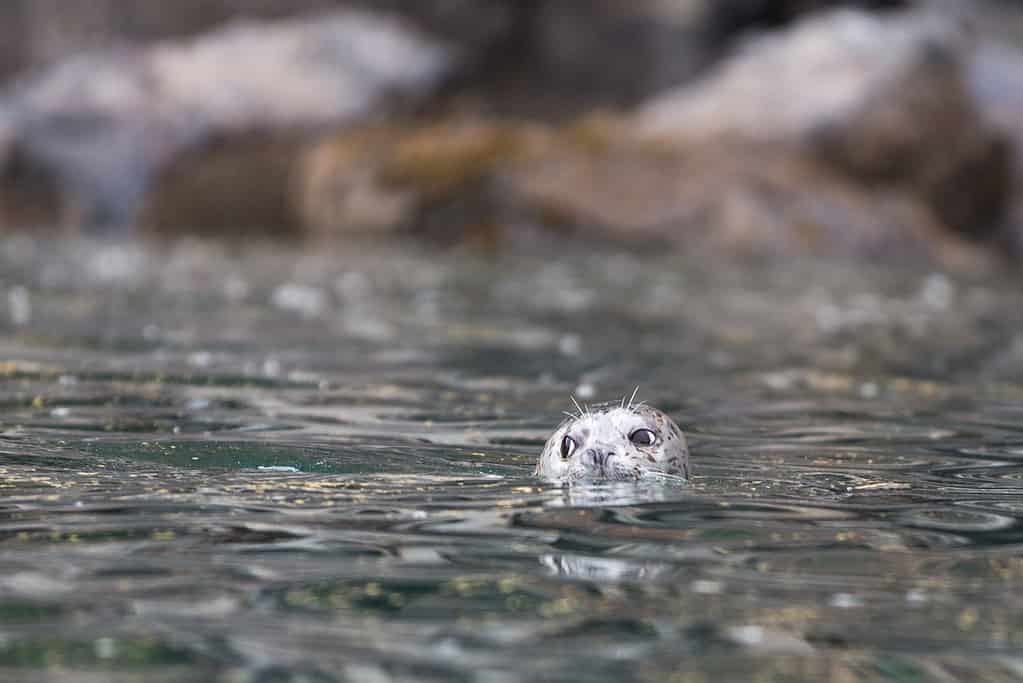
Before diving, seals exhale instead of inhaling.
©RobsonAbbott/ via Getty Images
Humans naturally resist the weight of the ocean, and much of the panic or discomfort we feel underwater comes from air being compressed inside a rigid ribcage.
Seals, in contrast, embrace the pressure. Rather than taking a giant breath before diving, they exhale most of the air in their lungs. This makes them negatively buoyant, allowing them to sink effortlessly instead of struggling to stay submerged, which saves a significant amount of energy.
A seal’s ribcage and lungs are designed to collapse safely under pressure, pushing any remaining air into areas where it can’t be absorbed into the bloodstream. This protects them from decompression sickness (“the bends”) and nitrogen narcosis, both of which can cause disorientation and panic in human divers.
An Evolutionary Bypass
The difference between how humans and seals experience diving ultimately comes down to how their bodies interpret danger.
For land mammals like humans, “air hunger” is a powerful survival mechanism—an early warning system that forces us back to the surface long before our oxygen reserves are actually depleted.
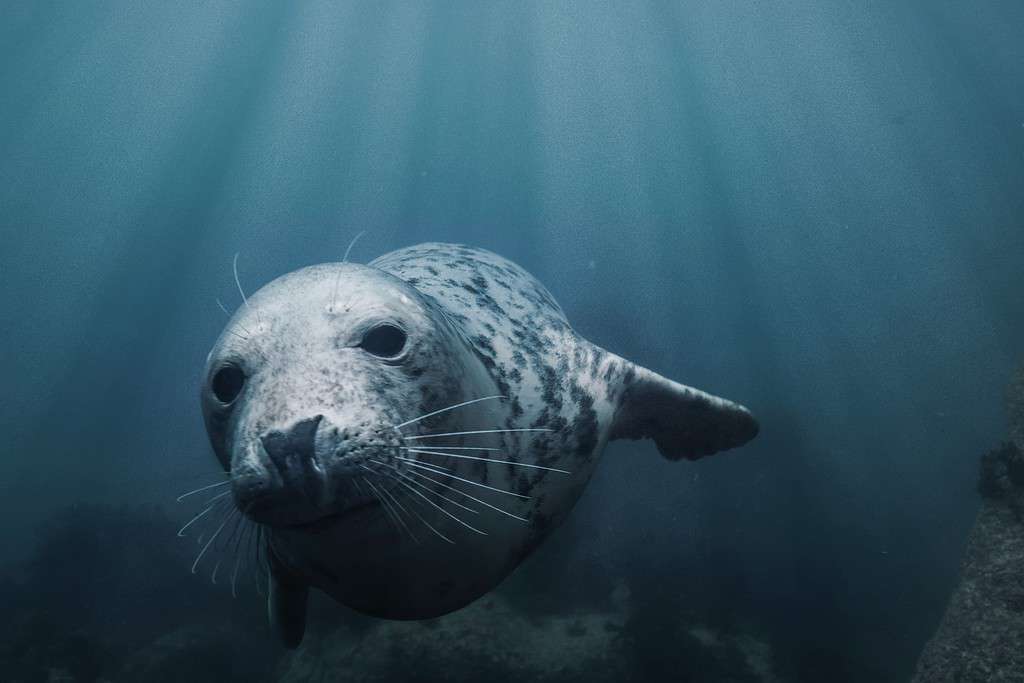
Seals have streamlined bodies that allow them to gracefully speed through the water.
©Wirestock/ via Getty Images
For seals, that alarm has been replaced by precision monitoring. Instead of panic, they rely on their internal systems and built-in oxygen reserves. They don’t have to panic or guess when to surface, because they know exactly how much time they have left.
That same superior level of control isn’t limited to diving. The neurological precision seals have evolved to manage their oxygen, and breathing also gives them surprising mastery over their vocal abilities. Some species can even mimic human speech.