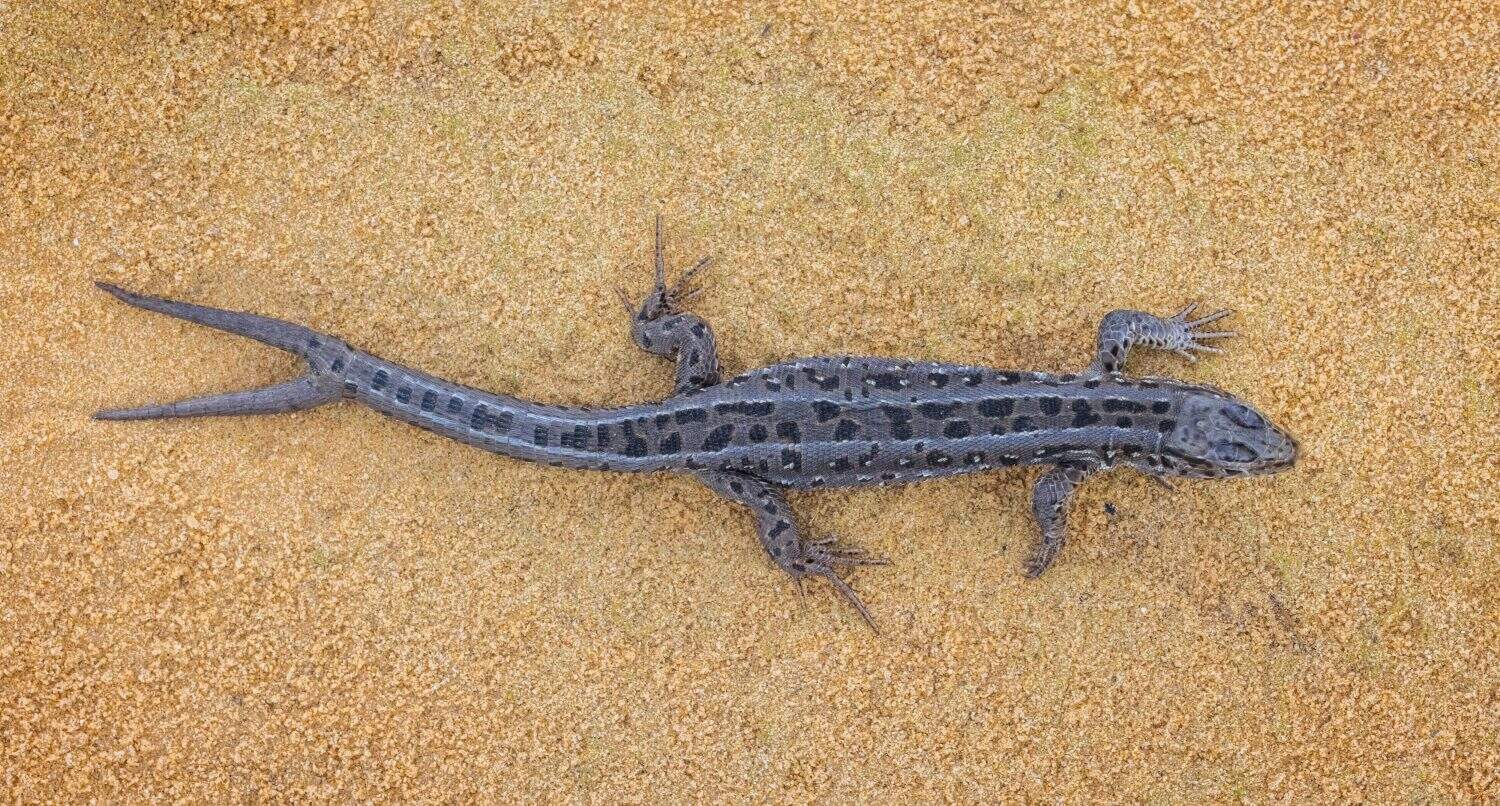

Quick Take
- Anole lizards can achieve a rare 2-tailed structure under specific physiological conditions.
- The blastema creates a distinct structural risk during the regeneration window.
- A partial injury often results in more complexity than a complete loss.
- The epithelial cap stage is required to initiate the duplication process.
Lizards have amazing regeneration abilities. When in danger, they may purposefully lose their tail, only for it to regrow later. While this is a feat of evolution, sometimes regeneration can go wrong, resulting in unique outcomes. One example can be seen in the Instagram post by @bewilderedbryan. The post shows an anole lizard with a forked tail, which does not often occur. Read on to learn why this lizard might have a forked tail.
How an Injury May Result in Two Tails
Anole lizards, belonging to the genus Anolis and native to the Americas, are just one example among many lizard groups that can regrow their tails. Tail regeneration is a biological process that is most observed in lizards and amphibians and uses stem cells to rebuild tissue, cartilage, muscle, nerves, and skin. This process occurs after a lizard has lost its tail, often as a purposeful loss to escape predators or danger. After the tail falls off, the wound is covered with an epithelial cap, a protective layer of tissue. At this point, stem cells form a blastema—a mass of cells that initiates the regeneration process. Over the course of a few days to weeks, depending on the species, the tail structure is rebuilt. It’s at this stage that the tail may fork into two directions.
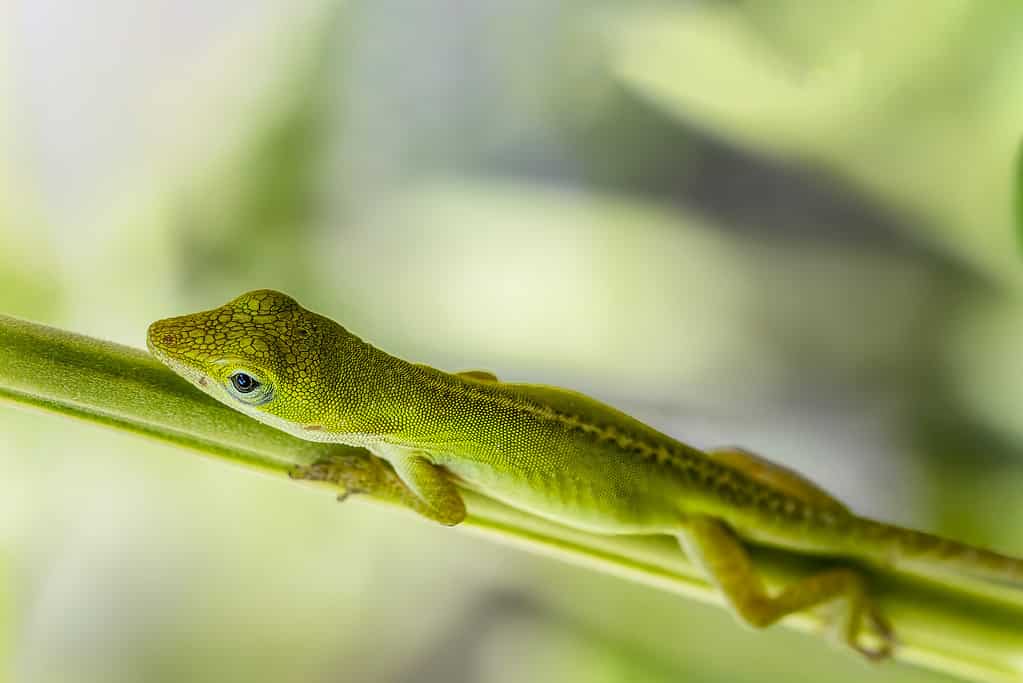
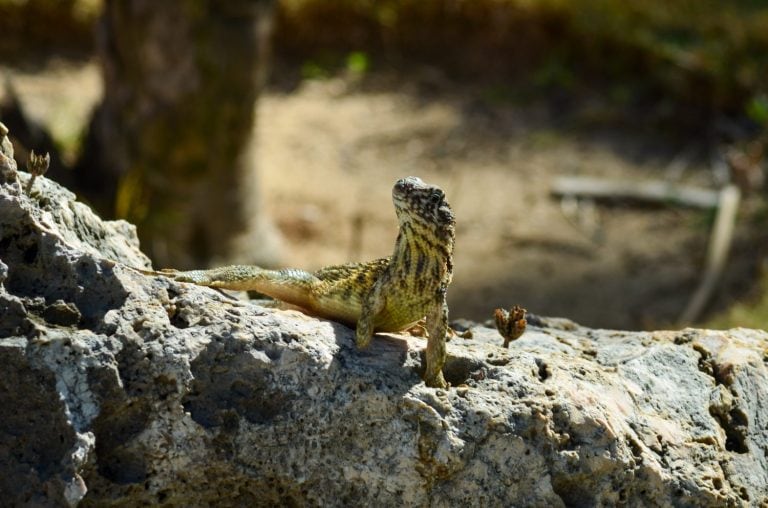
Anoles have the ability to regenerate their tails.
©DjMiko/iStock / Getty Images Plus via Getty Images
As seen in the video, regrown tails may experience strange mutations that result in two tails. This is called bifurcation when the tail forks at the tip, or duplication when the tail forks at the base. This can occur for a few reasons. One cause is partial injury. If a tail is not completely detached but is injured, it can still trigger the regeneration process, potentially causing a new tail to grow from the original and create a fork. In rare occurrences, the regeneration process may simply go awry. This could result in two new tails even when only one should have grown. While an odd and rare phenomenon, it highlights the amazing regenerative abilities that lizards have!