
Quick Take
- One animal on this list goes further than simply losing a limb. It actually ejects its own internal organs as a weapon. See the organ-ejecting defense →
- For at least one species, a single severed body part doesn't just twitch. It can grow into an entirely new animal. Discover the arm-to-animal trick →
- One of the nine animals is probably in your backyard, and its sacrifice costs it permanently in ways most people never notice. See the squirrel's permanent cost →
- A detached leg that keeps twitching for over an hour sounds like a superpower, yet for this creature, that trick comes with a catch it can never undo. Meet the twitching leg creature →
When faced with a predator, most animals run, hide, or fight back. Some, however, turn to a more dramatic survival strategy: sacrificing part of their own body. As a last-ditch effort to survive, these creatures give up expendable body parts to confuse predators and buy themselves time to escape. Remarkably, in many cases, the lost body part can even grow back. Here are 9 animals that willing detach body parts to get a second chance at life.
1. Leopard Gecko
©Milan Zygmunt/Shutterstock.com
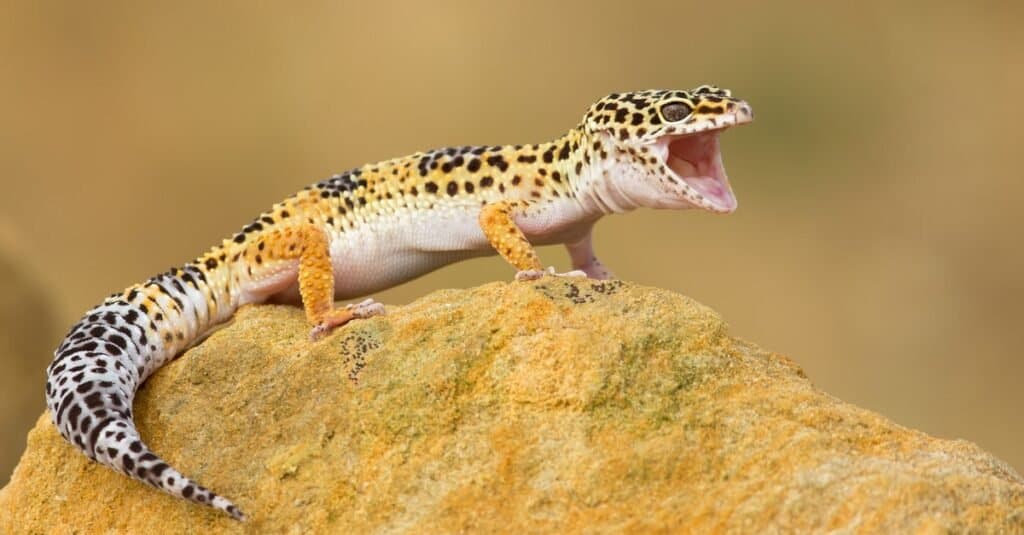
Leopard geckos are famous for their ability to detach their tails when threatened. Strangely, the separated tail continues to wriggle violently for several minutes. The movement distracts the predator, giving the gecko an opportunity to run to safety. Dropping a tail comes with tradeoffs, as the reptile loses valuable fat stores, but surviving the attack is obviously most important. Over time, the gecko regrows a replacement tail, though it usually looks shorter and different from the original.
2. Blue-Tongued Skink
©Lutsenko_Oleksandr/Shutterstock.com
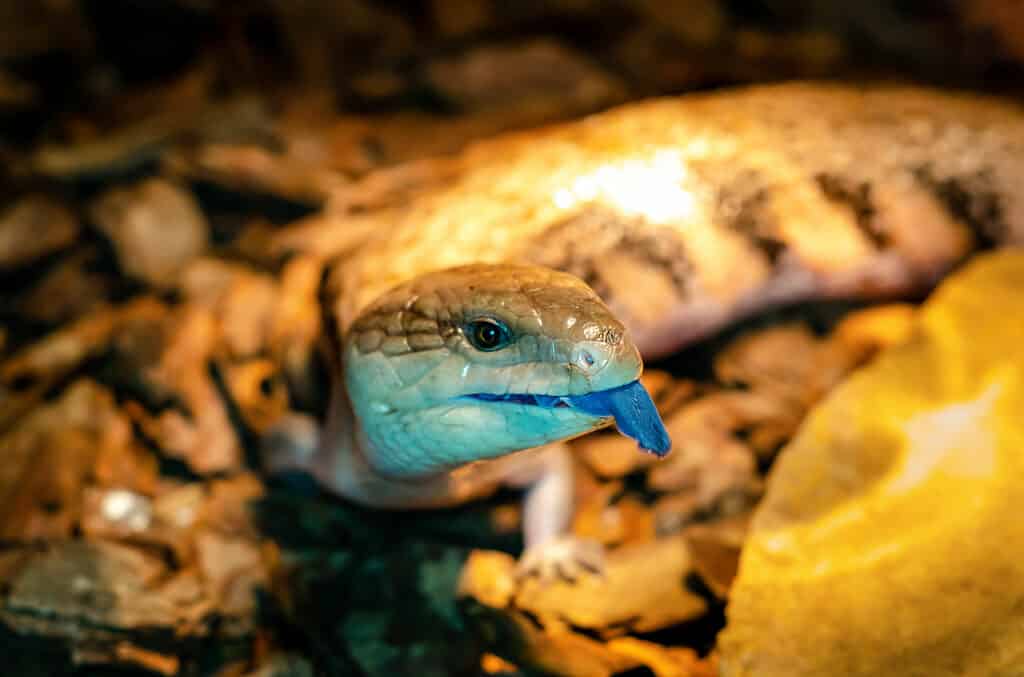
Several species of blue-tongued skinks can also shed their tails through a process called autotomy. Fracture points in the vertebrae allow the tail to separate with little injury to the animal. Similar to the leopard gecko, the detached tail thrashes chaotically on the ground, giving the skink enough time to hide in nearby vegetation. Like many lizards, it can regrow the tail. However, the replacement is made of cartilage instead of sturdier bone.
3. Harvestman (Daddy Longlegs)
©by pap/Shutterstock.com
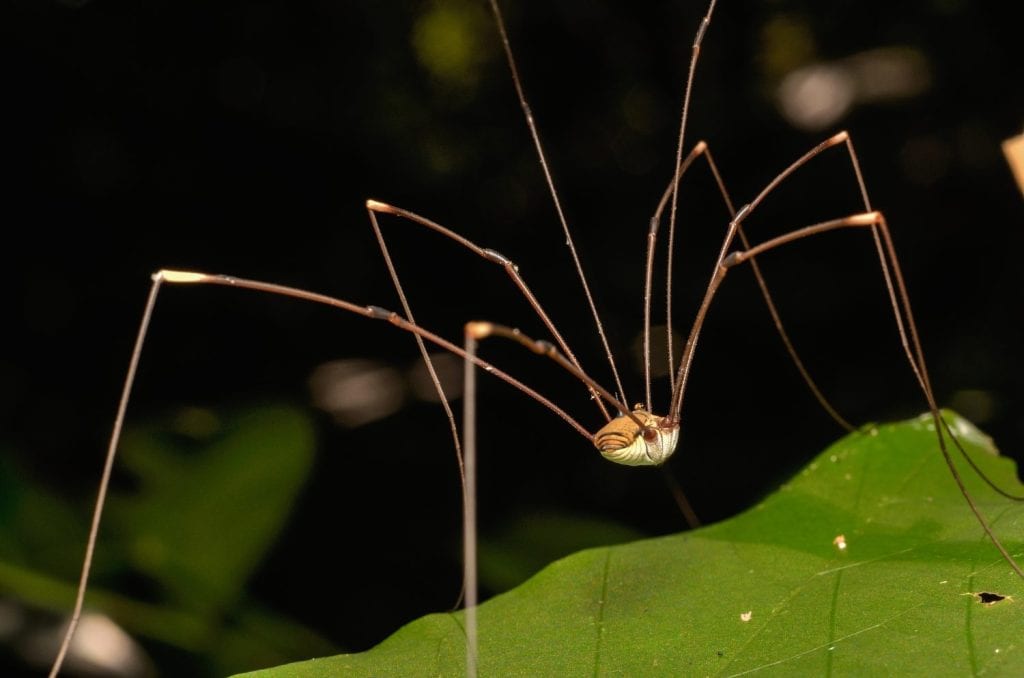
Unlike true spiders, some harvestmen can intentionally detach one or more of their extremely long legs to flee danger. Even after separating from the body, the severed leg can continue twitching for over an hour. Deceived by the movement, predators may believe they’ve captured their prey. Meanwhile, the harvestman escapes with seven legs, which is usually enough to continue functioning. Unlike with lizard tails, adults cannot regenerate lost legs.
4. Sally Lightfoot Crab
©Angela N Perryman/Shutterstock.com
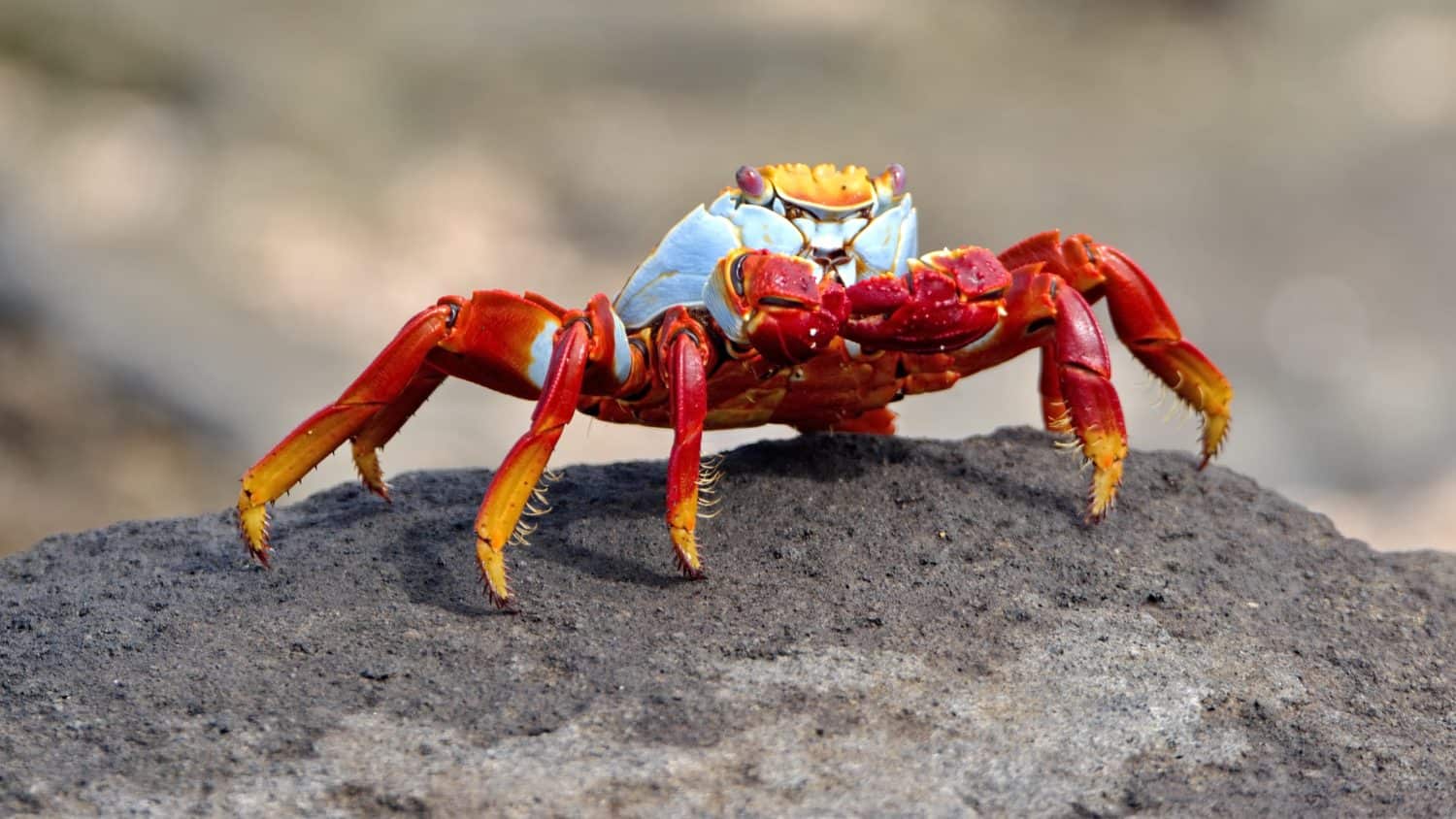
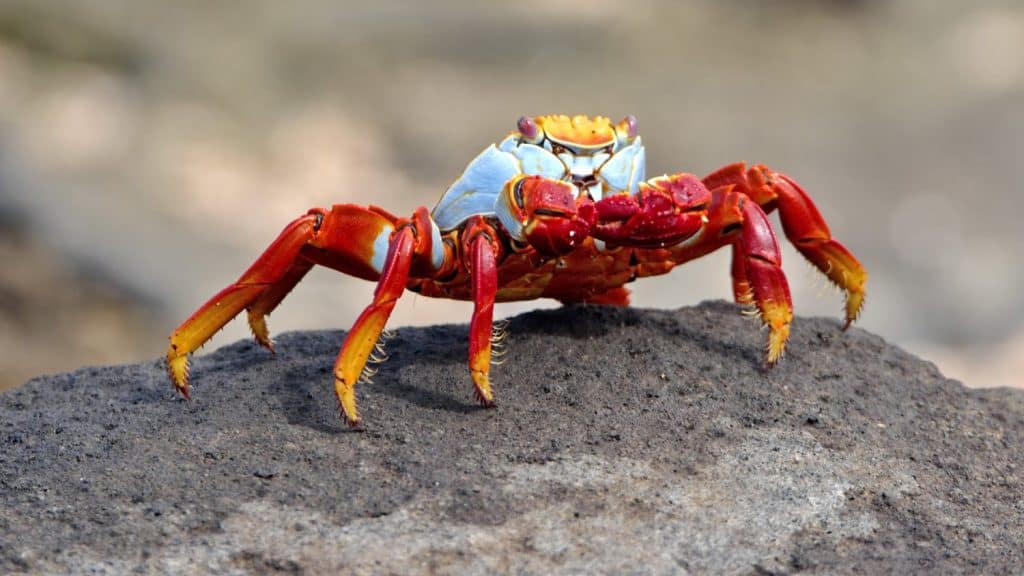
The colorful Sally Lightfoot crab can detach both claws and legs if it’s grabbed by a predator. Specialized joints lead the limb to sever quickly and blood loss is minimal. Although crabs can regenerate the lost body part, it happens gradually. The lost limb temporarily affects feeding and defense, so it is not ideal. However, the remarkable ability lets many individuals survive otherwise fatal attacks.
5. Sea Star
©Kelly vanDellen/Shutterstock.com
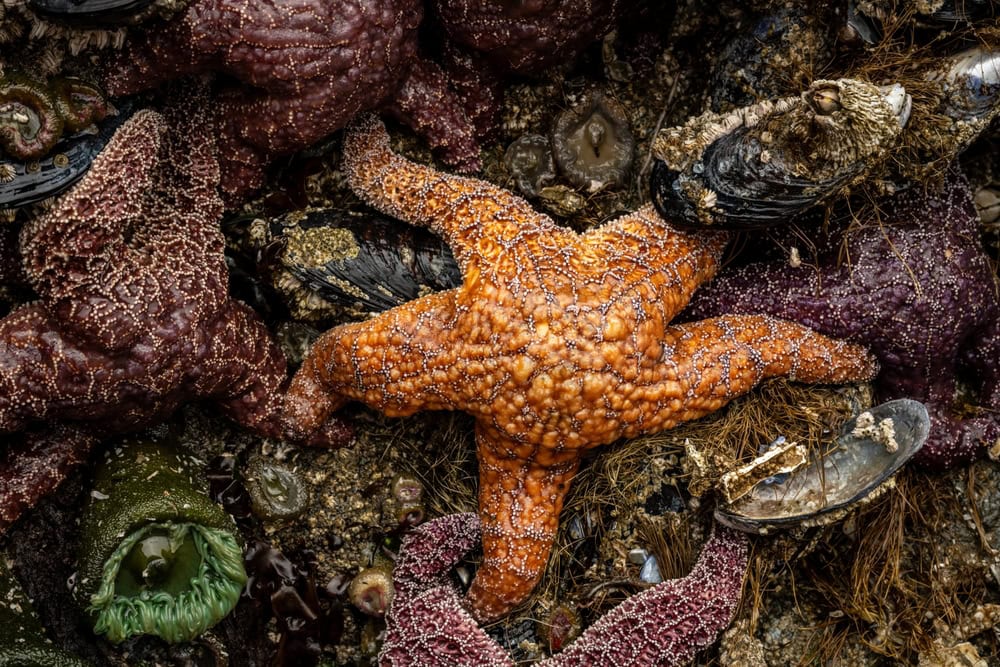
Many sea stars can shed one or more arms when threatened by fish, crabs, or other predators. In some species, the lost arm continues moving solo for a short time. As the attacker is preoccupied by the still-moving limb, the sea star crawls (slowly) to safety. Over a handful of months, it regenerates the missing arm. Incredibly, in certain species, a single disconnected arm can regenerate into an entirely new sea star if the central disc is intact!
6. Sea Cucumber
![Scuba diver holding up a sea cucumber (Holothuroidea) [MR]](https://a-z-animals.com/media/2025/06/shutterstock-121845376-huge-licensed-scaled-1024x685.jpg)
©e2dan/Shutterstock.com
Some sea cucumbers take self-sacrifice to an entirely different level. When attacked, they can eject parts of their internal organ! Essential body parts, including sections of the digestive system, are pushed out through their anus or mouth. The odd process results in a sticky, tangled mass, which distracts (or even entangles) predators long enough for the sea cucumber to disappear. The lost organs regenerate over several weeks.
7. California Two-Spot Octopus
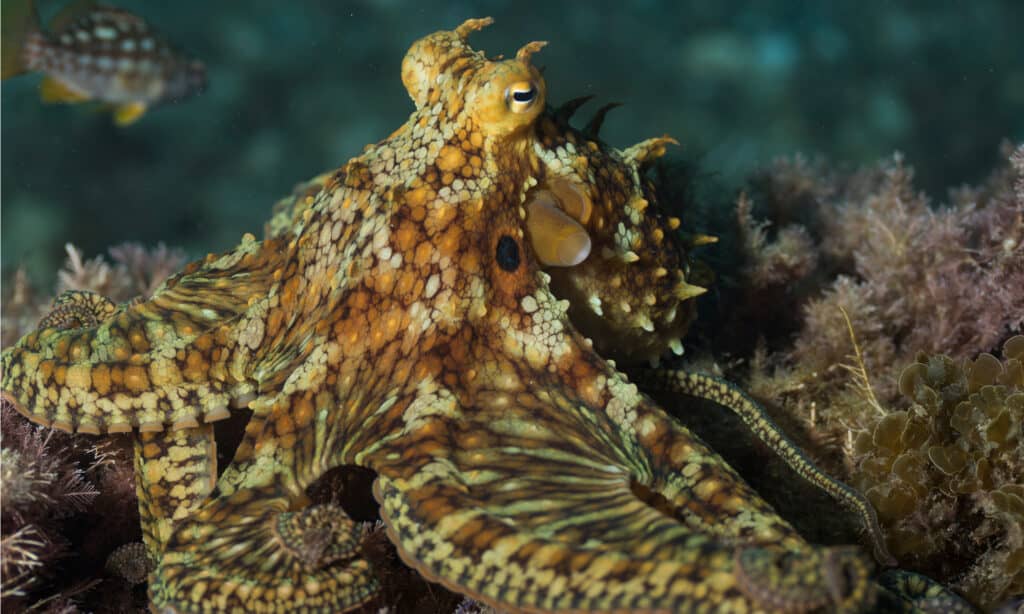
©D.J. Schuessler Jr/Shutterstock.com
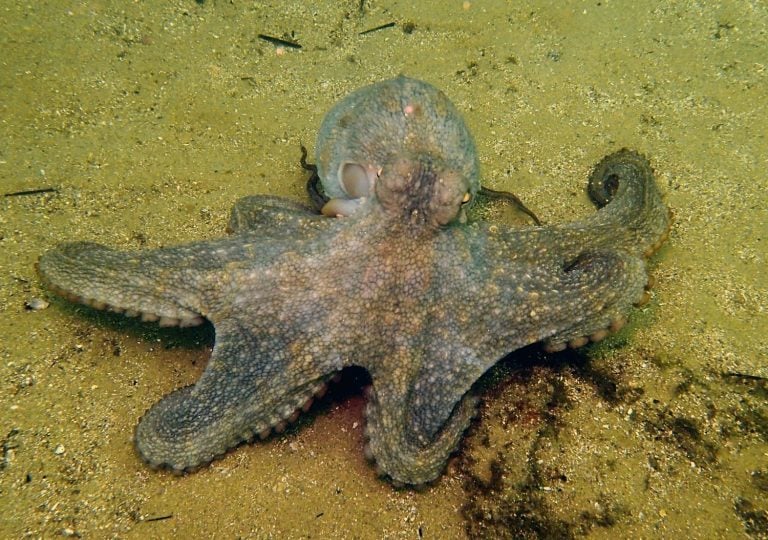
The California two-spot octopus can disconnect portions of an arm and intentionally do so during dangerous encounters. The now-separated section continues flailing due to nerve cells in the arm, creating a much-needed diversion. The octopus eventually replaces what it lost. This arm-detaching strategy isn’t as common as tail-dropping in lizards, but it can make the difference between life and death.
8. Brittle Star
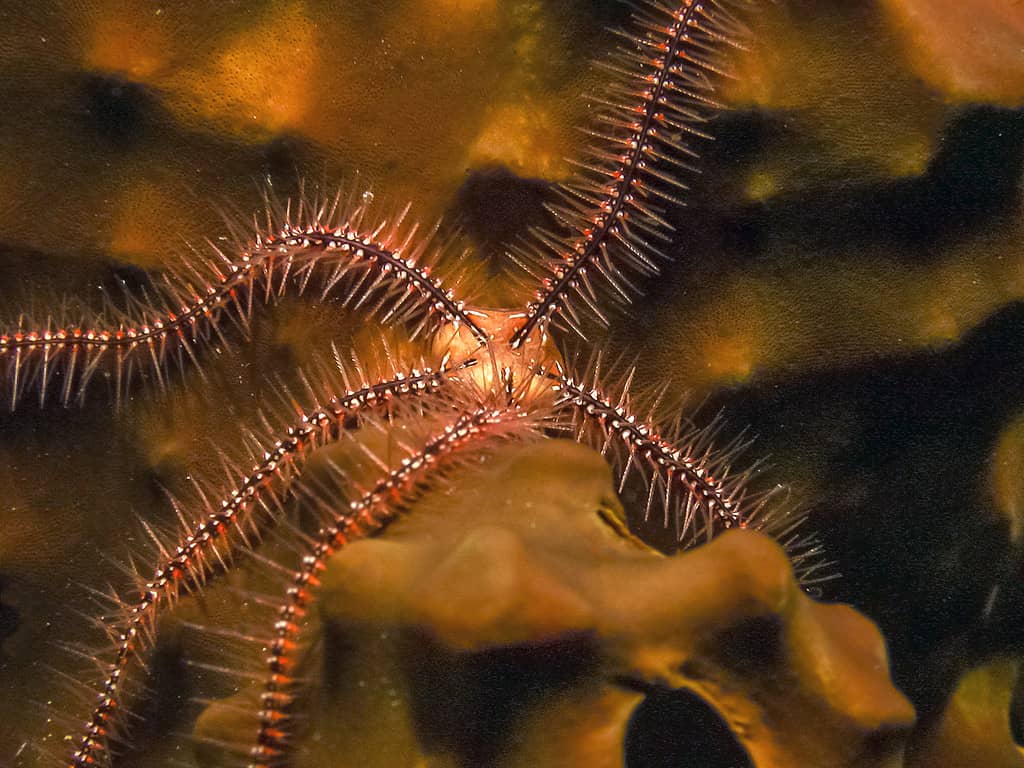
©johnandersonphoto/iStock via Getty Images
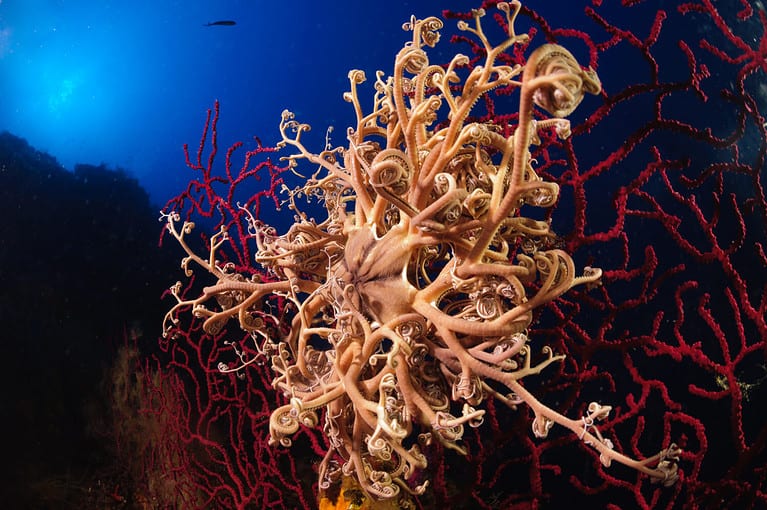
Brittle stars are known for their self-amputation abilities. If a predator grabs one of their long, flexible arms, they can instantly detach it and crawl away. The detached arm, now in the hands of a predator, continues twisting. By the time the attacker realizes what has happened, the brittle star is hiding under rocks or sand. The arm regeneration process can take anywhere from weeks to months, and the animal will regain full strength.
9. Squirrel
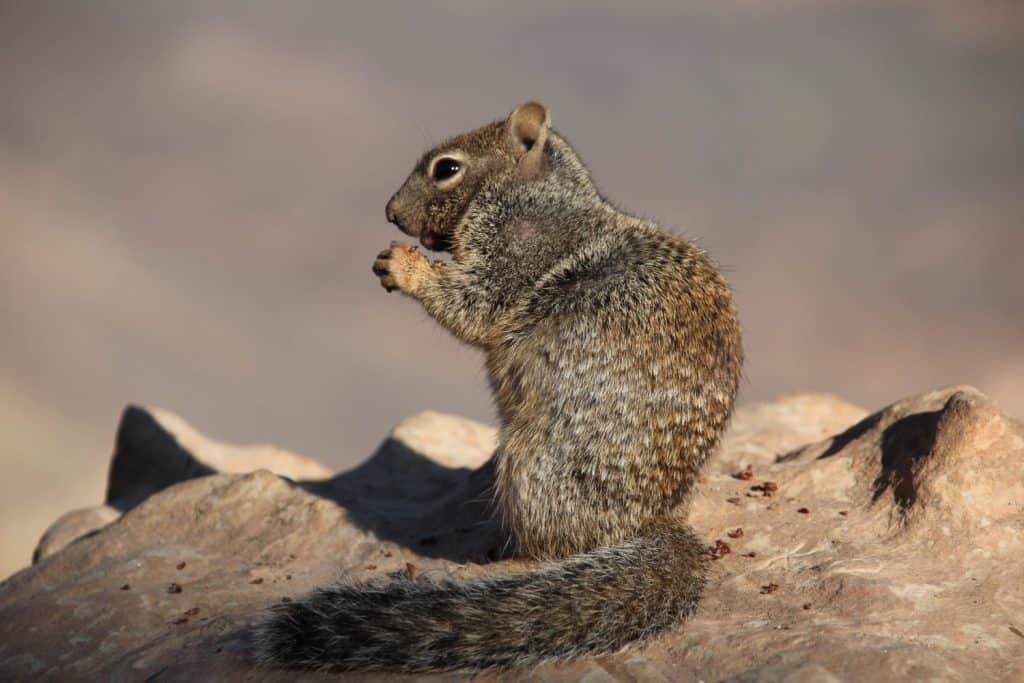
©Jessfv/Shutterstock.com
Although squirrels can’t voluntarily “drop” their tails the way lizards do, some species have an escape trick called tail degloving. If a predator grabs the squirrel by the tail, the skin and fur can slip off the bone. The little mammal will break free and scurry away. Unlike with autotomy, the tail doesn’t separate at a natural fracture point. Usually, the exposed tail bone dries up and eventually falls off. The squirrel does not regrow a full replacement tail. The one-time sacrifice is lifesaving, but it can affect balance, communication, and insulation for the rest of the squirrel’s life.