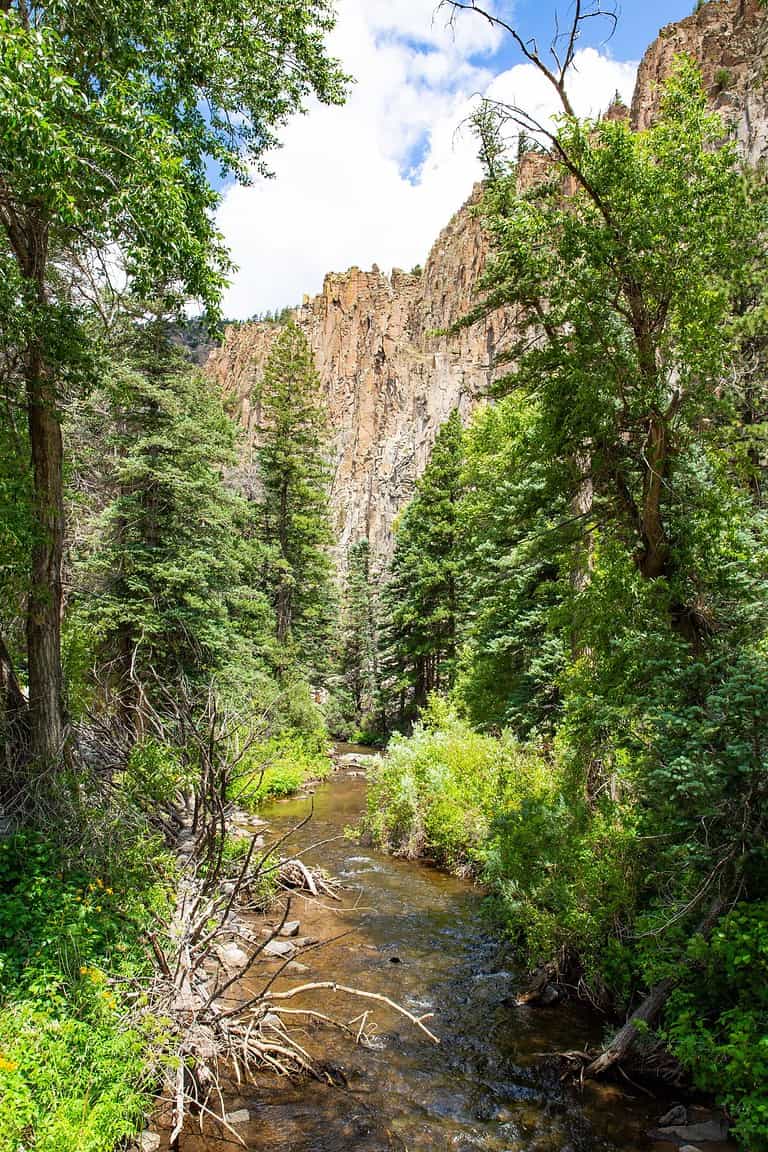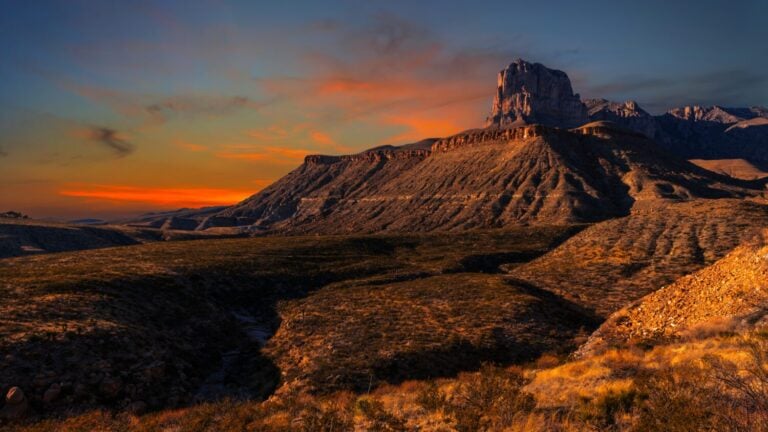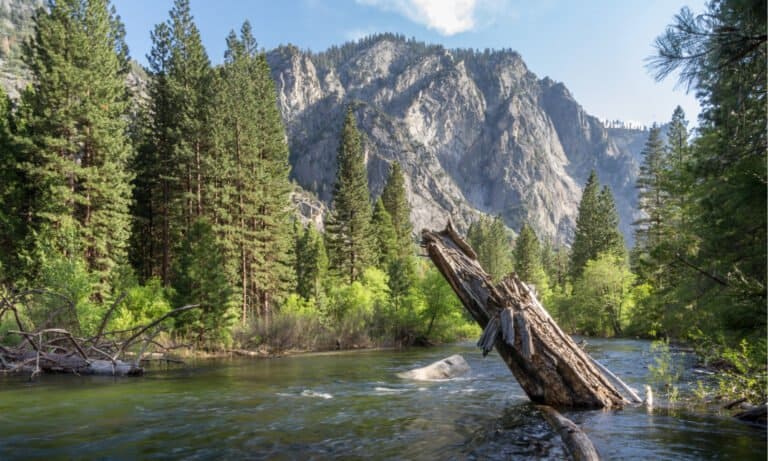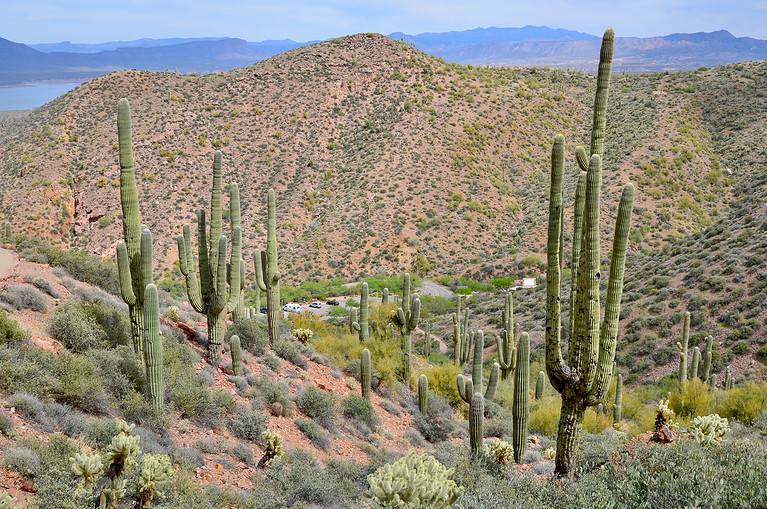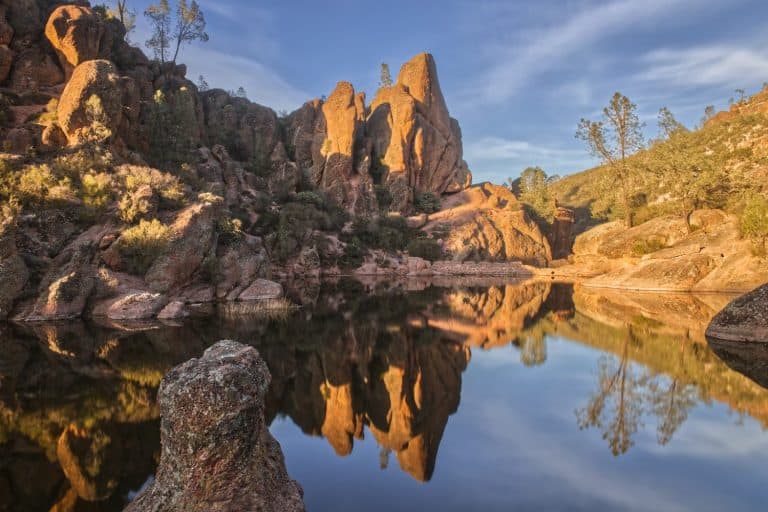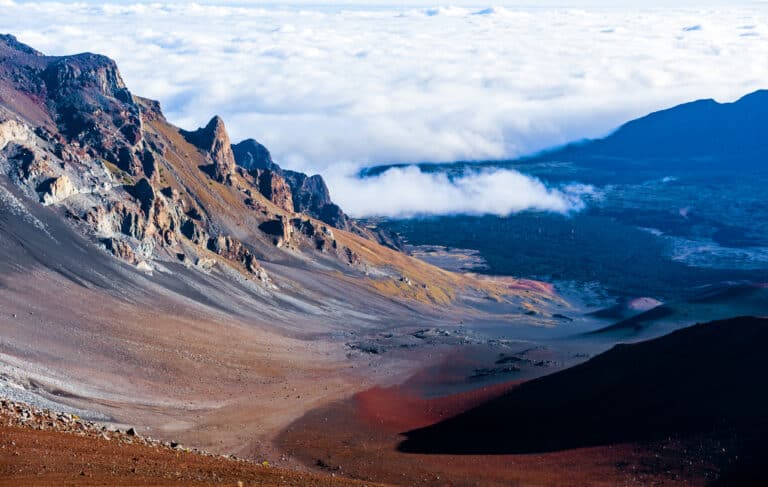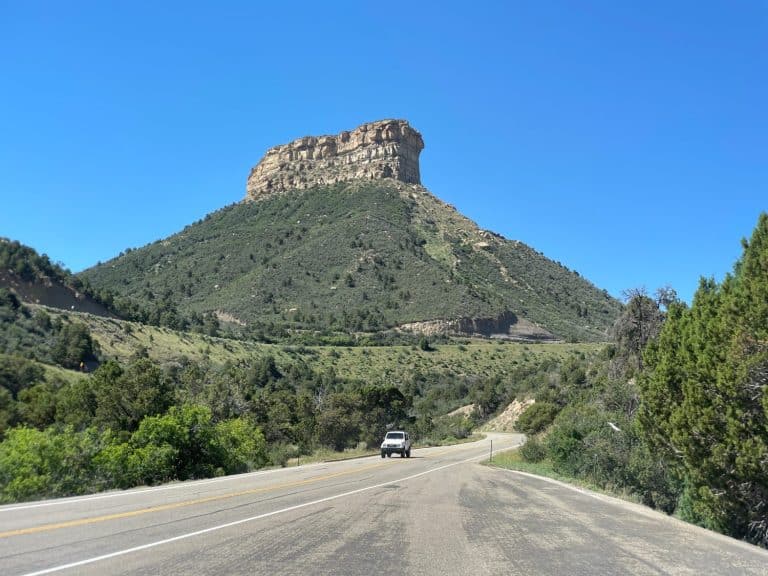

Located in southwestern Utah, Zion National Park lies at the convergence of three incredible landscapes: the rocky Colorado Plateau, the high peaks and low valleys of the Great Basin, and the Mojave Desert. Visited by over 5 million people annually, Zion National Park has plenty to offer for everybody. Sightseers take in the breathtaking vistas and dark sky stargazing. The more physically active enjoy climbing the red rock cliffs or hiking Zion’s over 90 miles of trails. And then, of course, what would any national park be without wildlife? Zion’s varied terrains and extreme heights and depths result in myriad microclimates and habitats, resulting in a diverse animal population that boasts close to 80 species of mammals, nearly 300 species of birds, over three dozen species of reptiles and amphibians, and around ten species of fish. Not to mention all the insects and arachnids! Here is a list of some of the animals you’re likely to encounter when you visit this vibrant national park.
Big Free-Tailed Bat
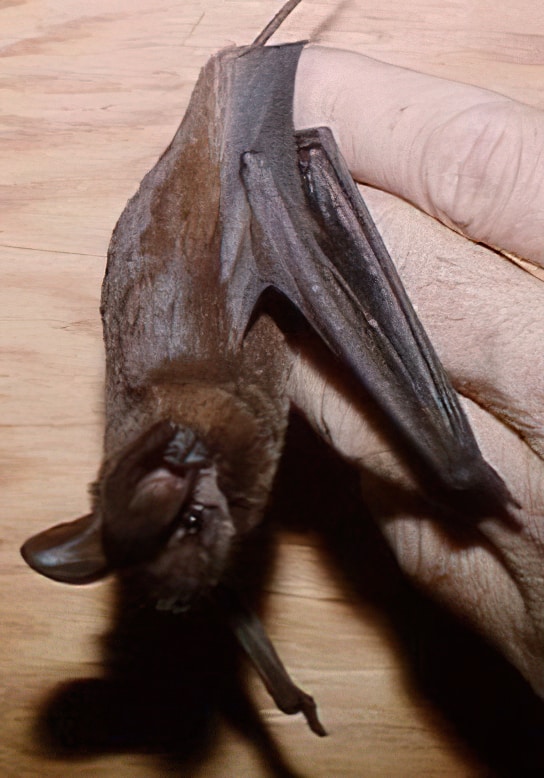
This little guy will grow up to have a wingspan a foot-and-a-half across.
©Grand Staircase-Esclanate National Monument, Bureau of Land Management / M.Siders / public domain – Original / License
Zion is home to 17 species of bat. One of the largest bats, with a wingspan of a whopping 17-18 inches, is the big free-tailed bat. While popular culture will have you believe that bats are blood-sucking monsters out of a horror story (or perhaps a caped crusader in a comic book), the vast majority of bats, and all bats found at Zion, are actually insectivores, feeding on flying insects like moths, beetles, or grasshoppers. While not actually blind, as is commonly misconceived, bats rely on sound to find food, using echolocation—a process in which they emit sound waves that bounce off of potential prey. Most bats use a high-frequency call undetectable to the human ear, but the big free-tailed bat’s call is at a low enough frequency that humans can actually hear it. So if you’re exploring Zion after dark and you hear a series of low clicks, it just might be a big free-tailed bat!
Gray Fox
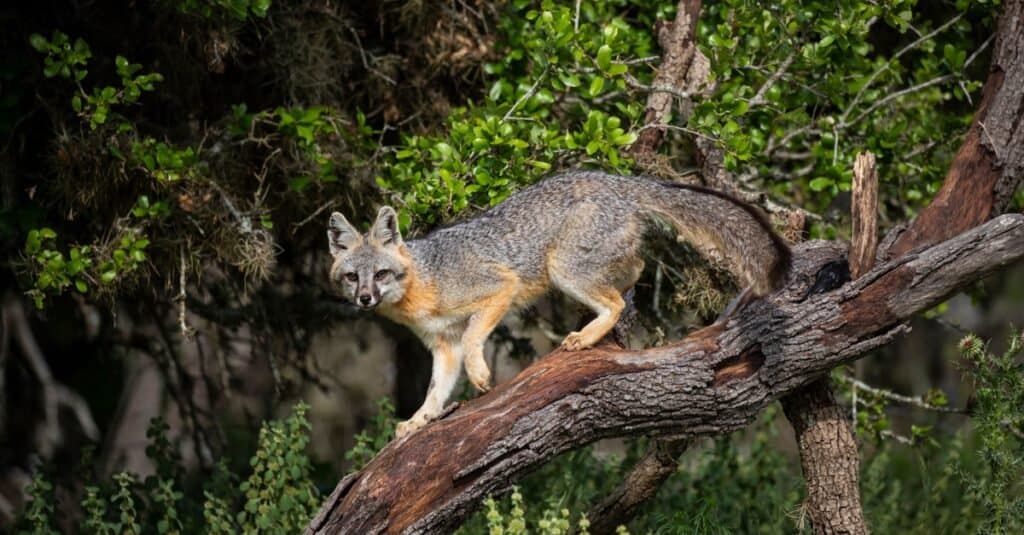
The gray fox is the only species of canine in North America that can climb trees.
©Danita Delimont/Shutterstock.com
Found in the lusher habitats of Zion, like the thickly vegetated or forested areas around the riverbanks, is the versatile gray fox. The gray fox is the only species of canine in North America that can actually climb trees, thanks to a rotating forearm like that of cats or bears. This skill is useful in escaping predators or scavenging a bird’s nest. The gray fox is an omnivore, an equal-opportunity diner who prefers small mammals but will happily snack on lizards, invertebrates, or plants. Like bats, this mammal is nocturnal, so visitors are unlikely to encounter one. However, hikers often spot the juniper seed-filled scat out on the hiking trails, evidence that one of these creatures has been there. And who knows, if you shine your flashlight out into the brush at night, you just may see the two glowing eyes of a gray fox staring back at you.
Rock Squirrel

Rock squirrels have been known to steal food right out of campers’ backpacks.
©Angel DiBilio/Shutterstock.com
One of the more commonly seen animals at Zion is the rock squirrel. These adorable little critters are often known to come right up to humans—or even squirrel (pun intended) their way into visitors’ backpacks to steal their food! But even though these creatures look cuddly, it’s important to remember that they are wild animals that could bite you and/or spread disease, so you should resist the desire to pet them, even if they let you. Also, human food can be fatal, so don’t feed them! These little guys are seen all over the park, but are frequently spotted along the Riverside Walk trail. Listen for their loud chirps and whistles, warning others of dangers from their perches on the rock ledges.
Mule Deer
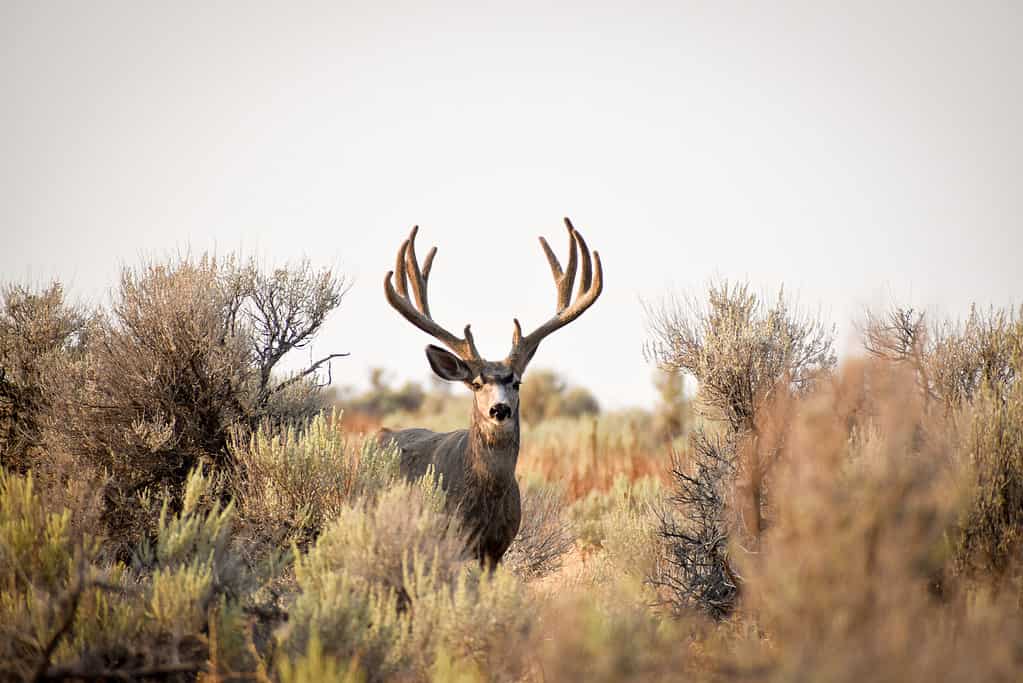
Mule deers’ antlers are at their largest in the fall before shedding them in the winter.
©Chad J Stokes/iStock via Getty Images
One of the largest mammals that visitors are likely to see at Zion is the mule deer, so named for their large, mule-like ears. Also notable are the mighty antlers on the male deer, used to battle other males over females. If you’re lucky enough to catch these animals in the fall, you’ll see their antlers at their most majestic; in the winter, they shed the antlers and begin to regrow them in the spring. Mule deer seek shade and shelter during the heat of the day, but you can catch them in the cooler mornings and afternoons grazing by the rivers or in the canyons.
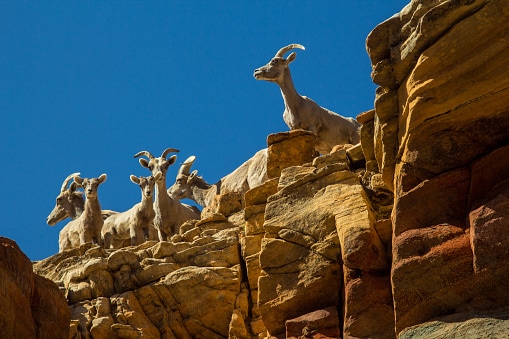
Bighorn Sheep
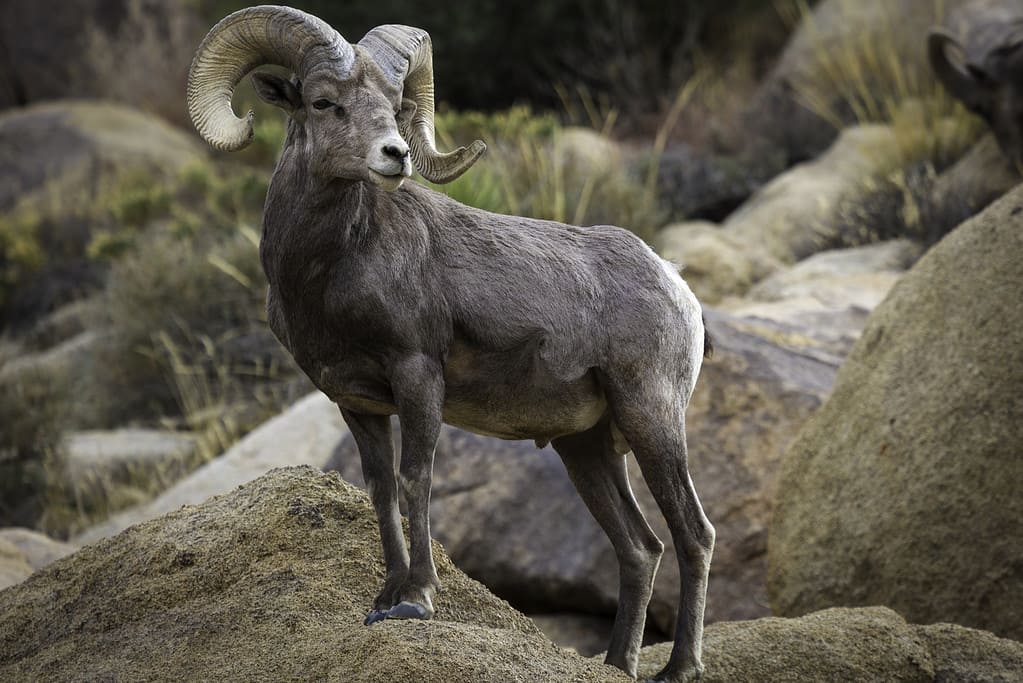
The bighorn sheep are once again thriving in the region after being nearly extinct 75 years ago.
©desertsolitaire/iStock via Getty Images
It’s estimated that desert bighorn sheep once numbered in the millions in the American southwest, but due to human encroachment, they were locally extinct by the mid-1900s. However, the National Park Service reintroduced 14 bighorns to Zion in 1978, and today there are so many that the high population density is actually becoming a slight concern! Skilled climbers, you can see these unique animals scaling the side of the sandstone cliffs around the Zion-Mt. Carmel tunnel or crossing the street near the east entrance—so drive slow!
Lizards
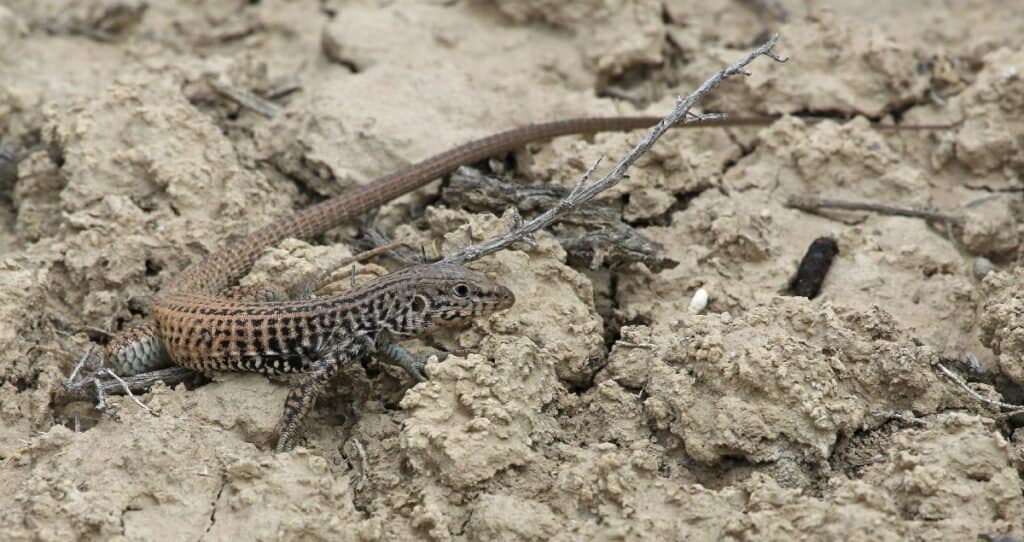
The western whiptail lizard can run up to ten miles per hour.
©iStock.com/ca2hill
Zion boasts a host of lizards, any of which you may find basking on the warm rocks, soaking up the morning sun. Some lizards you might encounter are: the Plateau Lizard, Zion’s most common lizard, notable for the pretty blue patches on its belly; the Greater Short-horned Lizard and its unique defense mechanism of firing blood out of its tear ducts up to three feet; the Western Whiptail Lizard, a long, thin specimen who can run up to 10 miles per hour; the Great Basin Collared Lizard, a larger lizard (over a foot long!) known to stand up and run on its hind legs.
Snakes
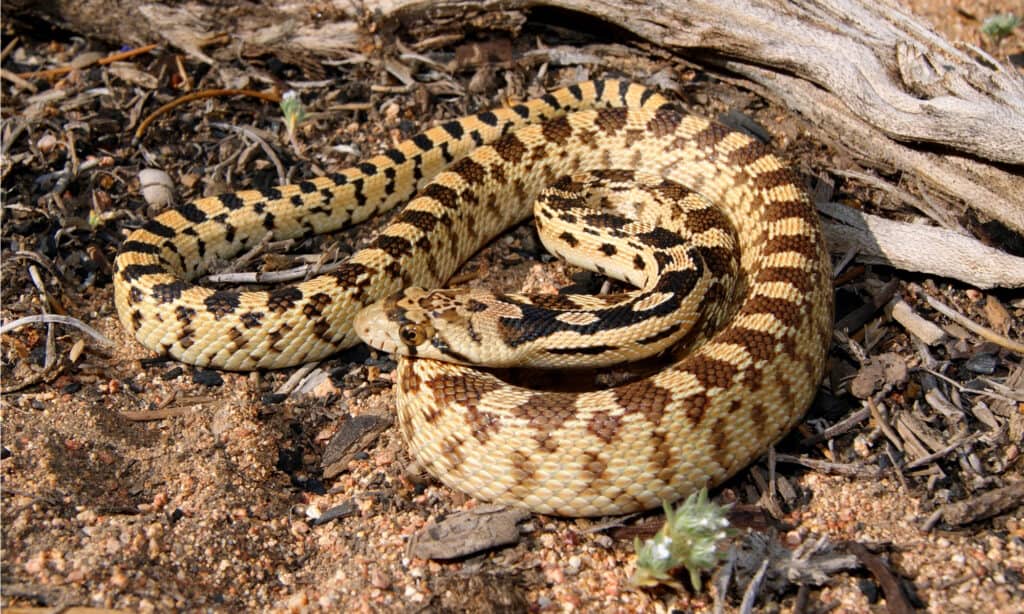
The Great Basin Gopher Snake is Zion’s longest snake.
©Matt Jeppson/Shutterstock.com
The Zion snakes are mostly nocturnal, which is bad news if you’re hoping to have a snake sighting on your visit (but good news if you’re hoping NOT to encounter one of these fearsome creatures!). They are expert nighttime hunters, able to feel vibrations on the ground and smell with their forked tongues. Some of Zion’s slithering serpents include: the Great Basin Rattlesnake, Zion’s only venomous snake; the Striped Whipsnake, an adept tree-climber; the Ground Snake, a small and harmless North American native; the Great Basin Gopher Snake, the longest snake in Zion, capable of growing to almost 8 feet!
Peregrine Falcon
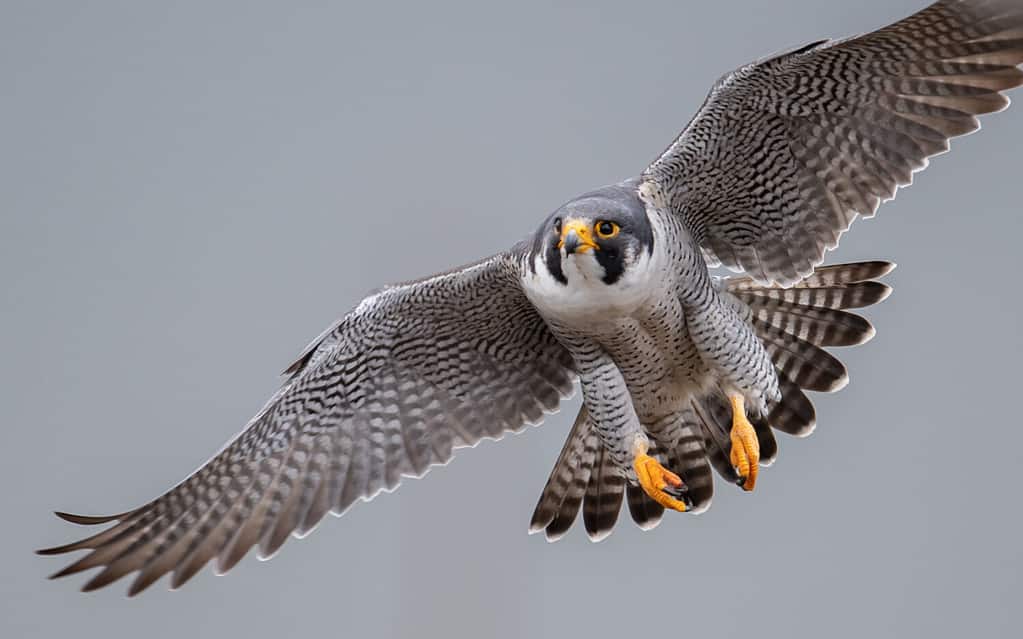
Peregrine falcons commonly hit speeds of over 100 MPH.
©Harry Collins Photography/Shutterstock.com
Once on the verge of extinction, the peregrine falcon has made a remarkable comeback, going from less than 40 breeding pairs in the continental U.S. in the 1970s to over 3,000 in North America today. In its original Latin, the word peregrine means to “wander” or “travel abroad,” and its an apt moniker for this on-the-go bird, which is known to travel over 15,000 miles per migratory period. Peregrine falcons travel roughly 30 miles per hour during casual flight, but when stooping to attack prey they typically hit speeds of well over 100 miles per hour. The fastest peregrine falcon speed ever recorded was 242 MPH (389 KPH)! It’s safe to say that particular peregrine falcon’s prey didn’t stand a chance.
California Condor
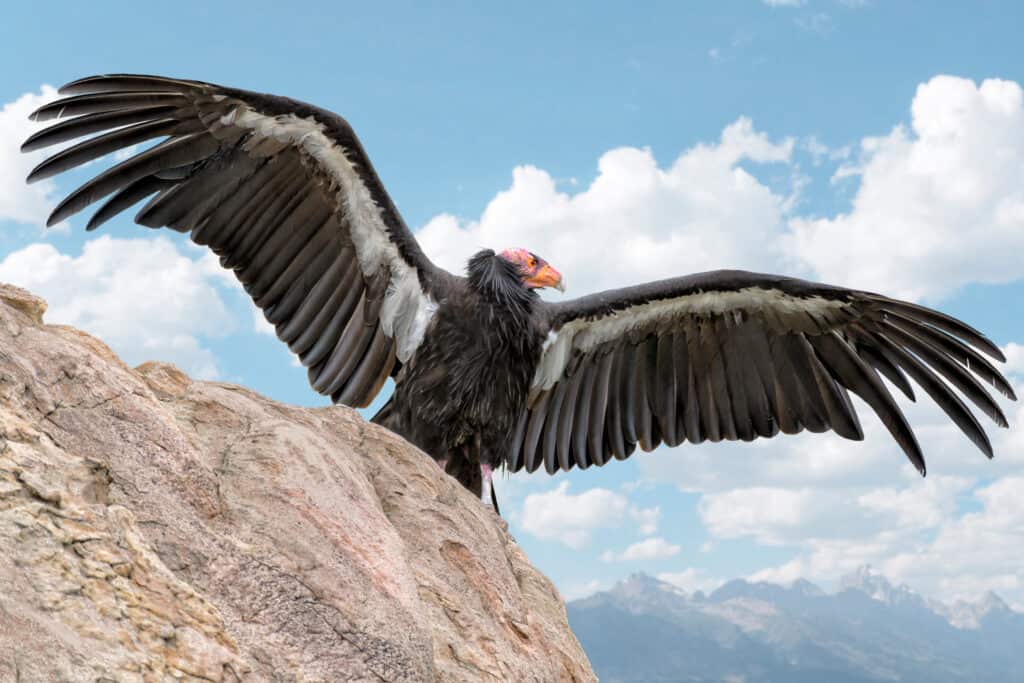
California condors have a 9-foot wingspan
©Barbara Ash/Shutterstock.com
With its nine-and-a-half-foot wingspan (wow!), the California Condor is North America’s largest flying land bird. In 1982, the world population of this majestic bird was down to just 22, but ongoing conservation efforts are bringing this glorious animal back to its former prominence. There are presently around 560 in the world, many of which can be found in and around Zion. California Condors are seen all over the park, but for the best chance of catching one, look to the skies above the iconic hiking trails of Angels Landing.
Amphibians
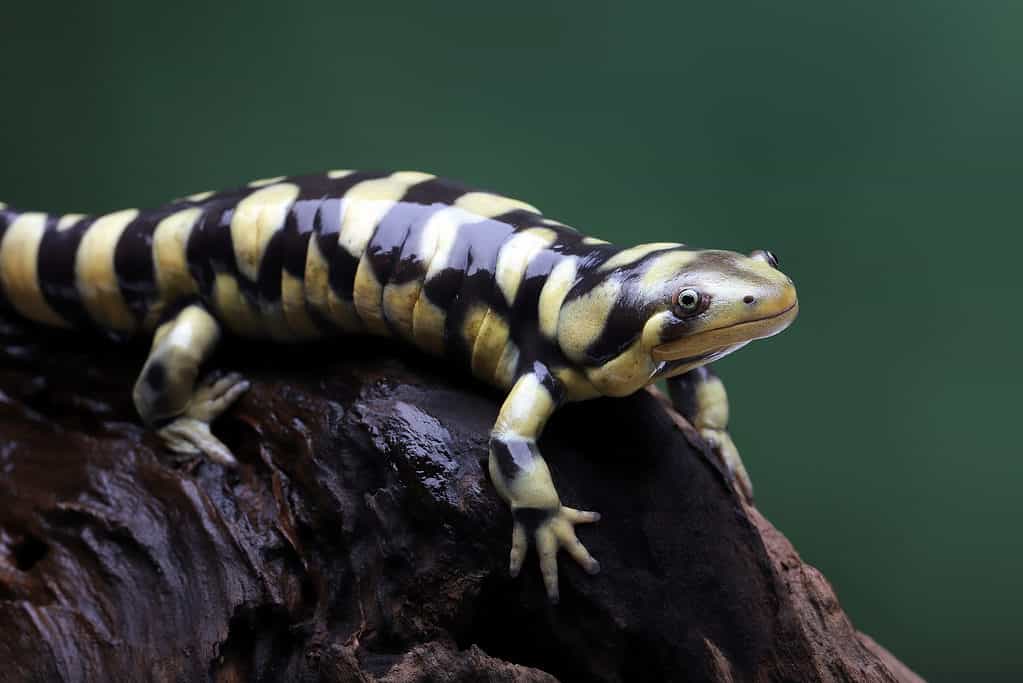
The tiger salamander is the world’s largest land salamander.
©Lauren Suryanata/Shutterstock.com
Zion is home to many amphibians, including a broad assortment of toads and frogs that can be found, usually at night, near moving water, but have also been known to be spotted at elevations of up to 6,000 feet. That’s a lot of hops to get up there! One of the more notable amphibians in Zion is the Tiger Salamander, which is the world’s largest land salamander, averaging around 8 inches but sometimes growing well over a foot. Find them hiding under rocks or debris near water, snacking on earthworms, insects, or even mice.
Insects
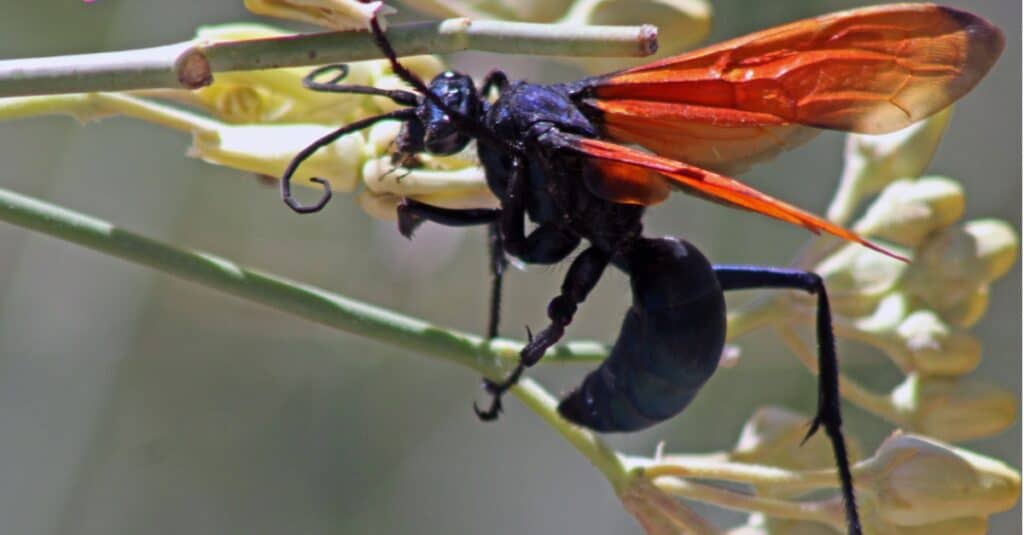
The tarantula hawk packs a painful sting — and a deadly one if you’re a tarantula.
©iStock.com/Rainbohm
Though small, insects are actually some of the most dangerous creatures in the park, many packing a sting that can range from unpleasant to extremely painful and even deadly. One of Zion’s more notable little buggers is the Tarantula Hawk, named because of the female’s tendency to sting tarantulas, drag the paralyzed spider off to a burrow, and lay eggs inside the tarantula! As if that wasn’t bad enough, the larva then eat their way out of the tarantula. Yikes! Some other interesting critters you may encounter are: the Darkling Beetle, who stands on its front legs with its rear in the air and shoots out a foul smelling odor to fend off predators; the Western Harvester Ant, whose queen can live up to 40 years; and the horrifyingly-named Giant Desert Hairy Scorpion, which has the interesting trait of appearing fluorescent under UV light.
As you can see, Zion offers visitors a wide array of recreation, spectacular sights, and amazing animals great and small. Whether you are fortunate enough to witness a soaring California Condor or unfortunate enough to be on the receiving end of a Darkling Beetle’s pungent defense tactic, your visit is sure to be chock-full of incredible wildlife encounters. So keep your eyes peeled, be safe, and most importantly, have fun!