
Quick Take
- Zoology has a precise word for almost every baby animal, yet turtles expose a strange blank spot that even scientists can't easily fill. See why turtles lack a name →
- The charming names people invent for baby turtles sound convincing, but every single one is wrong. Discover what scientists say →
- Marine biologists do use one specific term for newborn sea turtles, though it is borrowed from another language for a reason that goes beyond convenience. Find the borrowed term →
- A baby turtle's first moments alive involve a temporary body part it will never have again. This body part is also the only tool standing between it and the shell of its egg. Explore the hatchling's first moments →
Ask just about anyone what a baby turtle is called, and you’ll get dozens of answers. “Tortillon.” “Tortueau.” Maybe “baby turtle” or “tortulette.” Each suggestion sounds plausible. None are quite correct.
Continue reading
This confusion isn’t just a quirk of language. It reveals a wider gap between popular imagination and scientific reality especially when it comes to animals we rarely meet face-to-face.
Why Most Baby Animals Have a Name But Not Turtles
Zoology loves precise terminology. Every animal, it seems, has its own word for the young: puppies, kittens, ducklings. But for turtles, the answer is far from obvious.
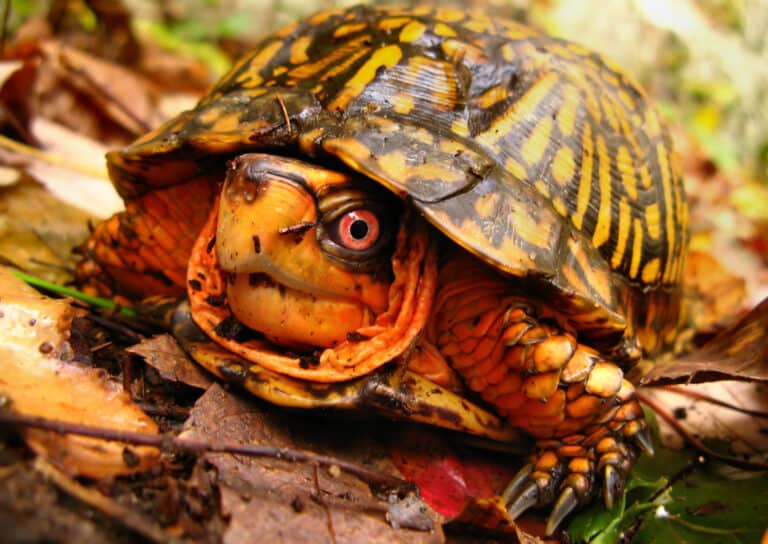
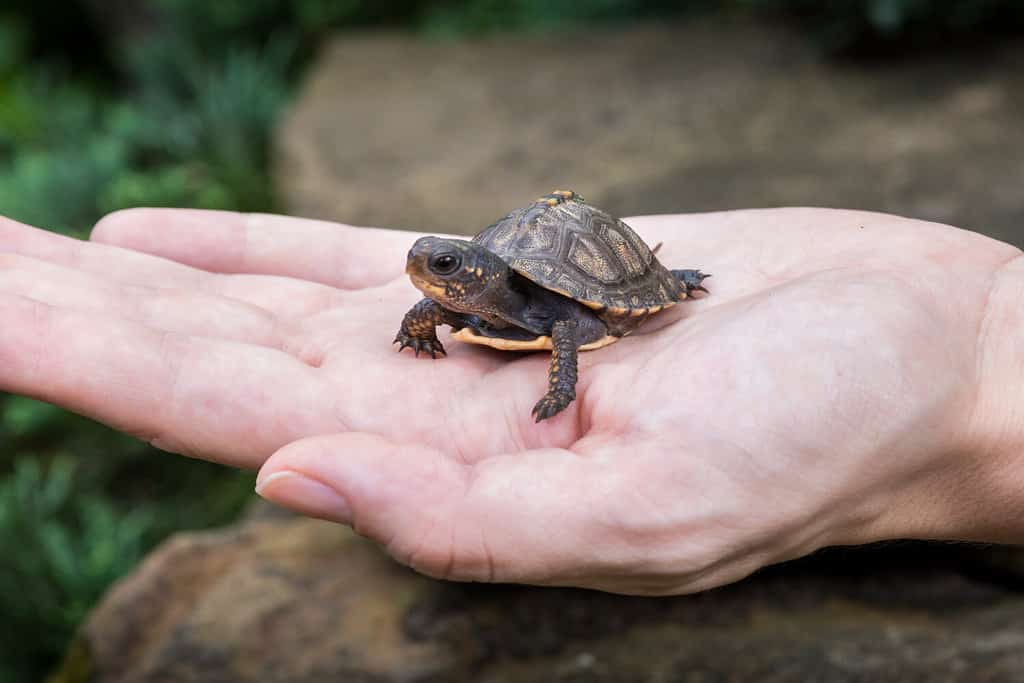
Specialists searching for a definitive term come up empty-handed. Open herpetology texts books focused on the science of reptiles and there’s no reference to “tortillon” or “tortueau.” These names, charming as they sound, simply aren’t recognized. Instead, researchers rely on functional labels like “juvenile,” “young,” or “sub-adult” when describing land and freshwater turtles still growing toward adulthood.
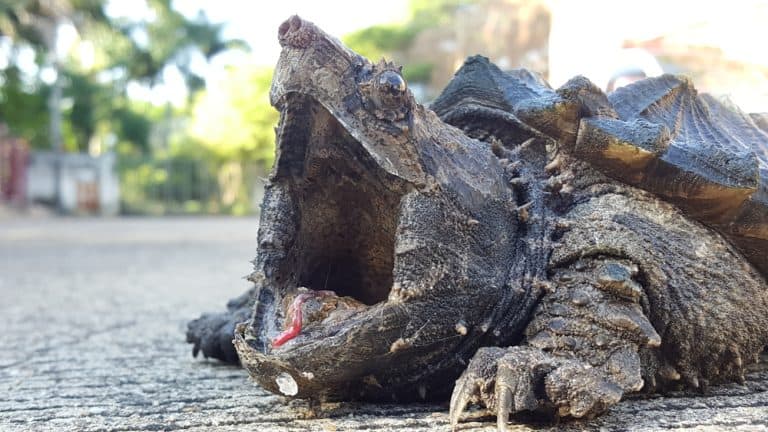
©Anom Harya/Shutterstock.com
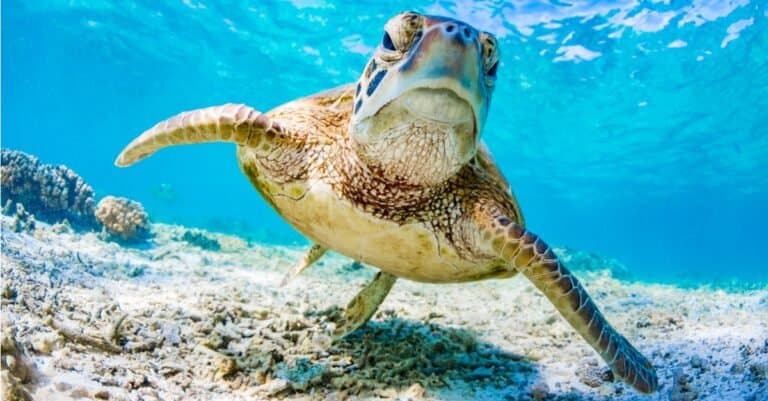
So why the blank spot in our vocabulary? Partly, it’s because turtles aren’t domestic companions like dogs or cats. Their world often underwater or hidden in nature, doesn’t lend itself to pet names tossed around family living rooms. And with more than 300 species ranging from terrestrial to marine and freshwater, the lives and development of turtle young are just as varied as the environments they inhabit.
Marine Turtles and a Term Borrowed from English
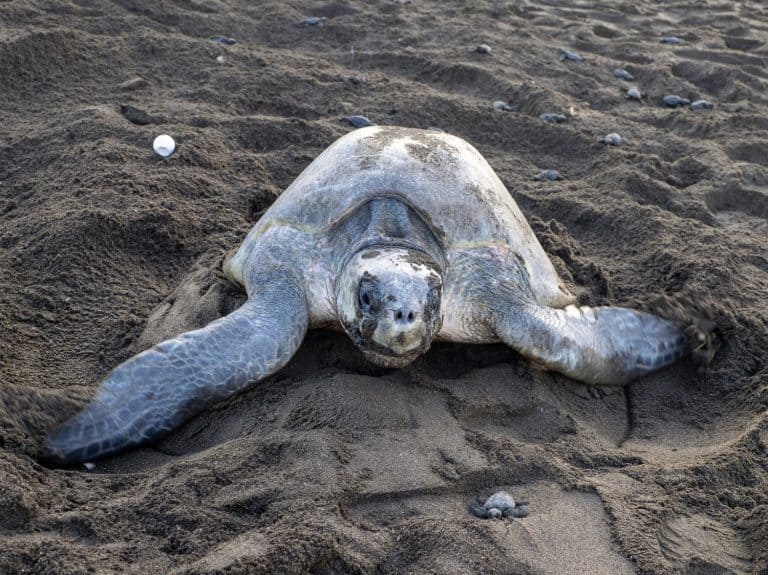
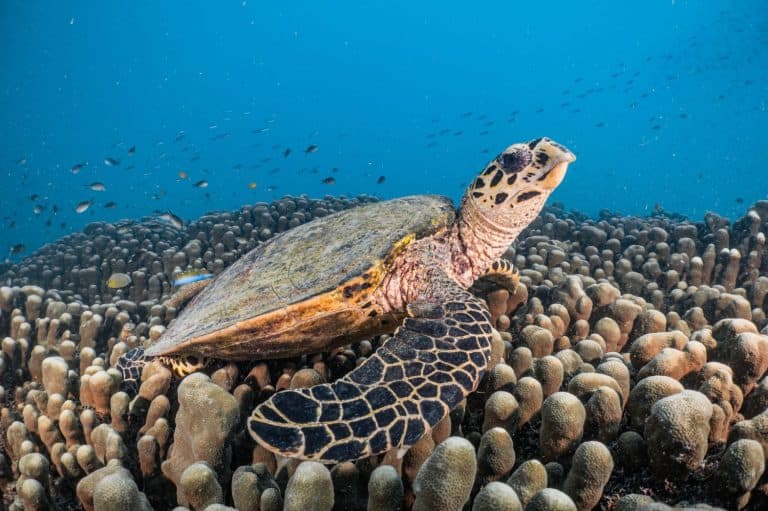
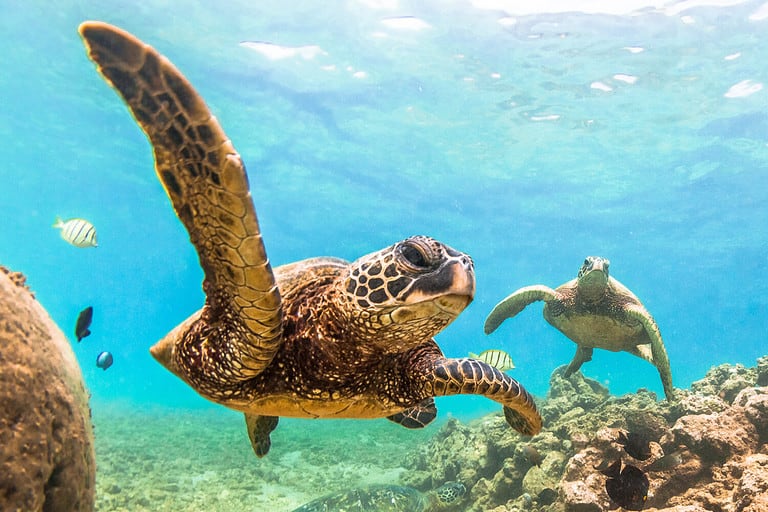
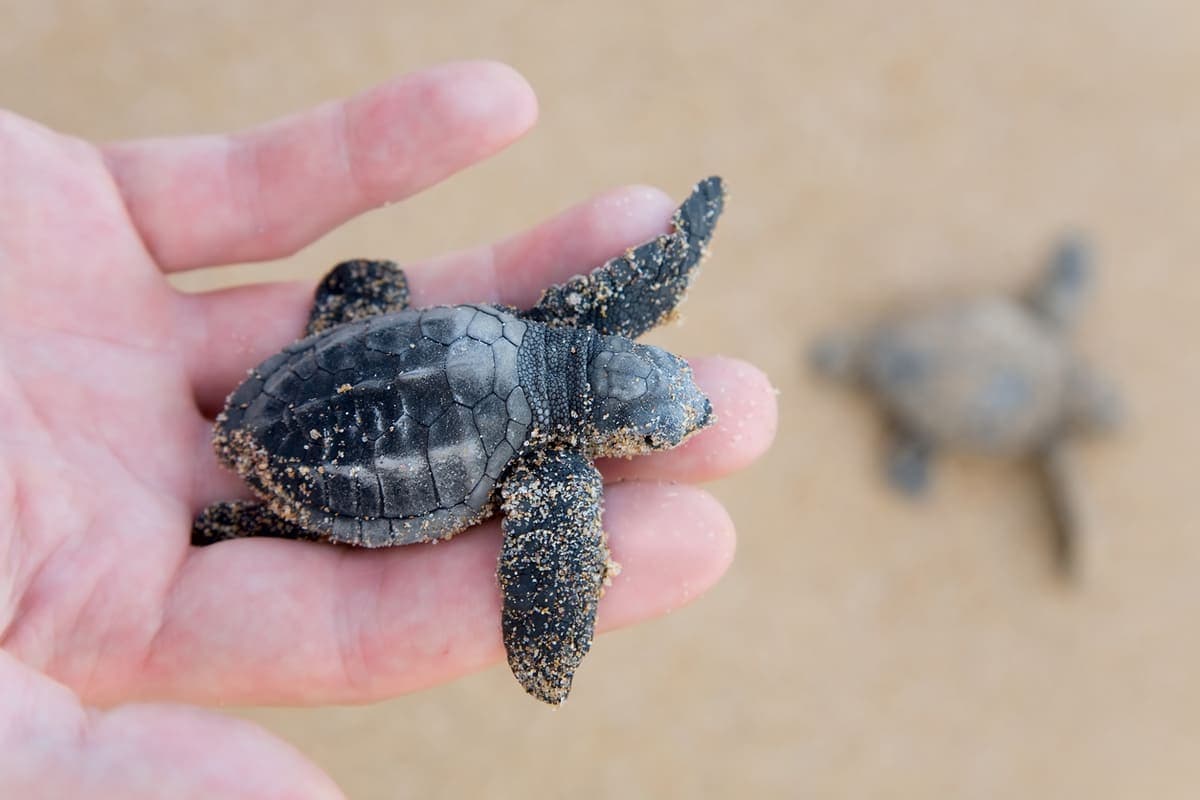
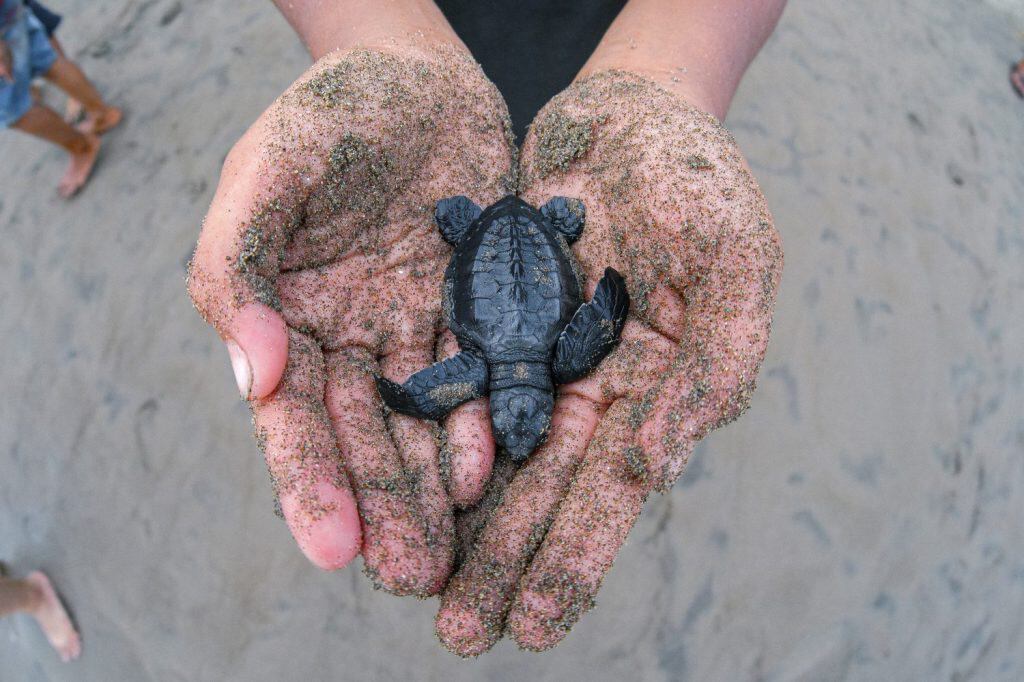
For sea turtles, the language sometimes gets more technical. Marine biologists often use “hatchling”, a word borrowed directly from English to describe the fragile newborns that emerge and race toward the surf. Occasionally, terms like “nouveau-né” (newborn) or even “torton” appear in scientific works, but “hatchling” is the one that sticks for its ability to capture the drama of birth and first steps or rather, first paddles into the ocean.
That moment, when a hatchling breaks free of its egg (sometimes using a sharp, temporary beak called a “diamond”), is one of nature’s spectacles. The tiny turtle, still living off nutrients stored from its yolk, begins a treacherous dash for the safety of salt water. Its chances of survival are slim, with predators on every side, and only a handful from each nest will ever see adulthood.
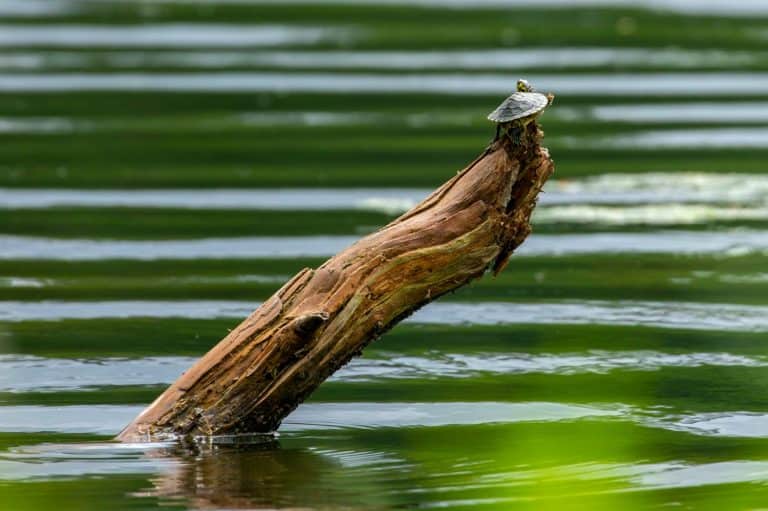
©JasonYoder/Shutterstock.com
The Life Cycle Hidden in Words
Understanding the language of baby turtles means understanding their life’s stages. Before a turtle ever crawls or swims, it exists as an embryo nestled in a hard-shelled egg that will incubate anywhere from 45 to 90 days, depending on species. After hatching, that small, vulnerable creature is either called a “hatchling” or, simply, a “newborn.”