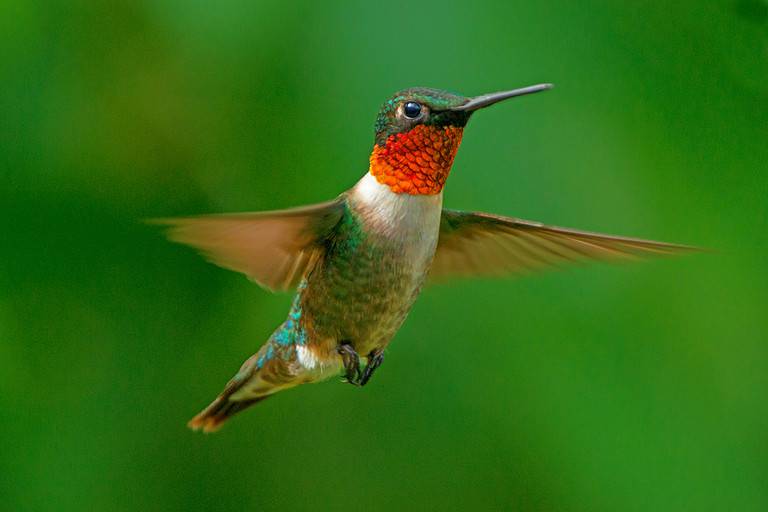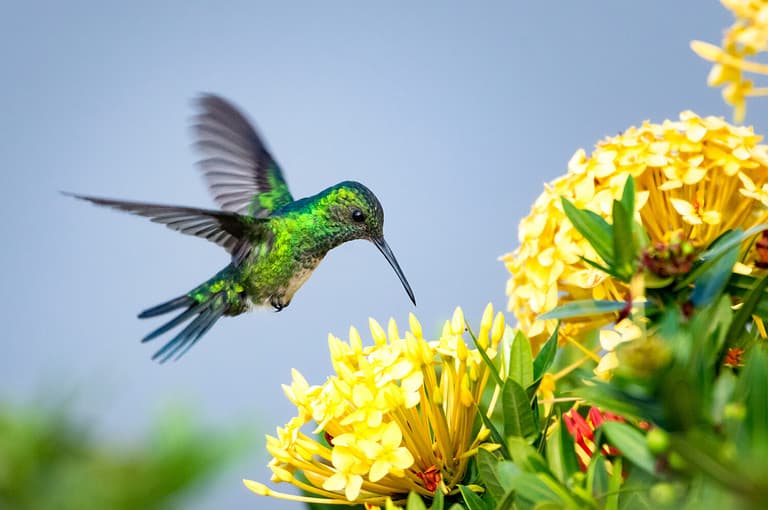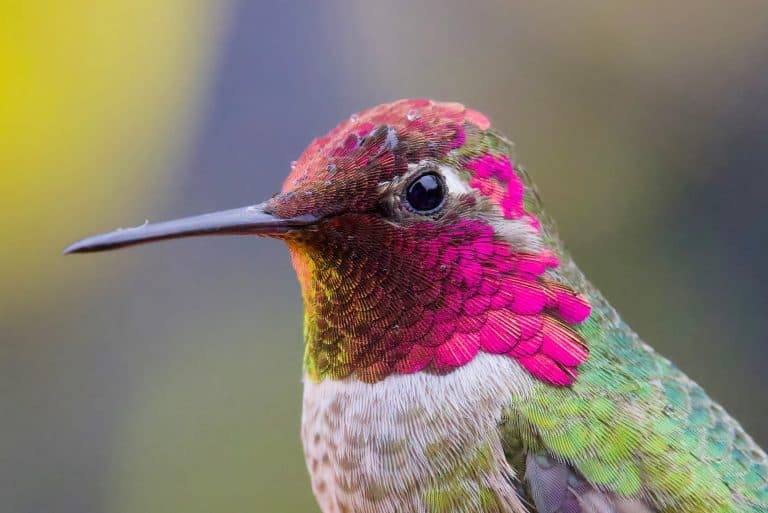

What initially appears to be a confusing video of a moth-hummingbird hybrid creature is actually a perfect excuse for us to explain an intriguing evolutionary phenomenon. The creature is the hummingbird hawk-moth, and the phenomenon is called convergent evolution. Read on to learn more about both.
What Is Convergent Evolution?
The ‘aim’ of all creatures on the planet is to stay alive long enough to pass their genes on to the next generation. If they cannot do that, the species will die out. They must find everything they require to survive (food, water, shelter, a mate, etc.), and this presents them with some challenges. Evolution is the process through which a species changes to survive in a given environment. Some changes are physical, and others are behavioral, but they are all essentially solutions to a given challenge.
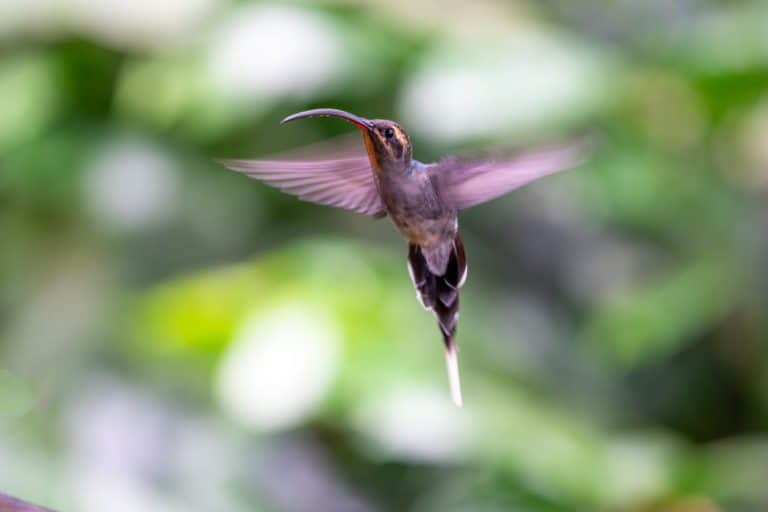
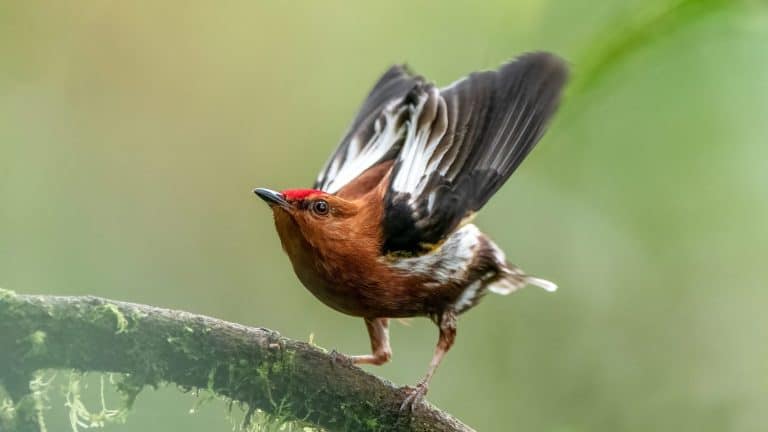
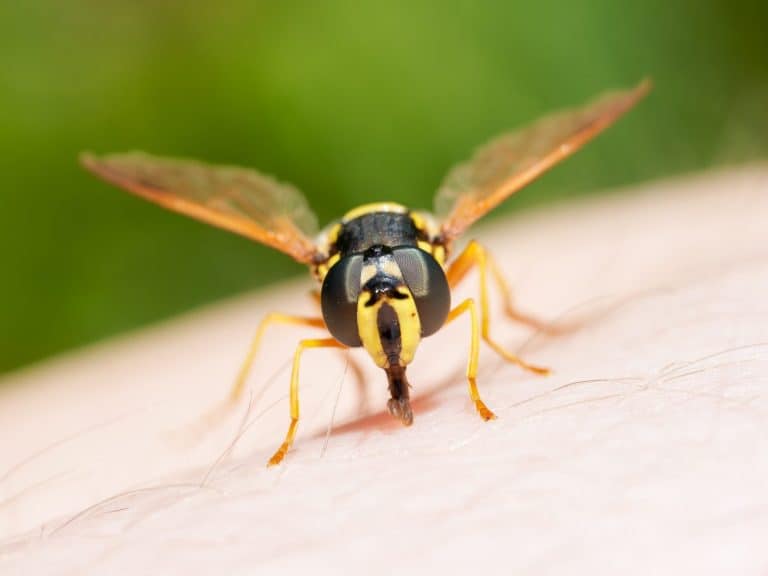
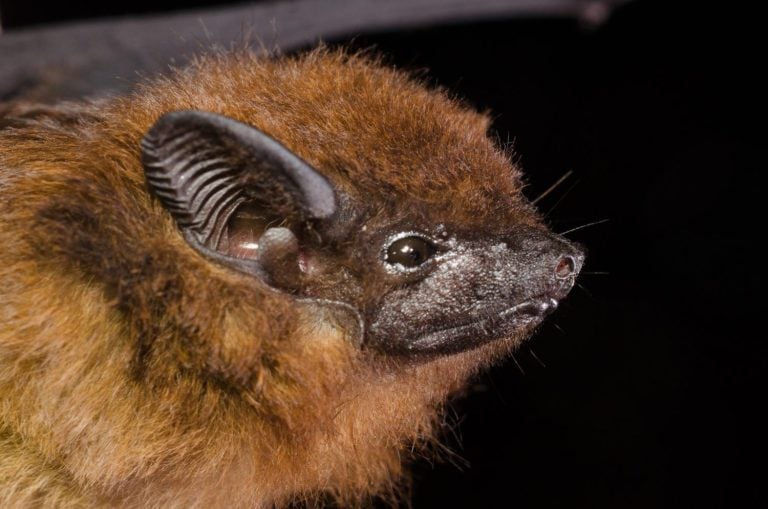
Sometimes, animals from completely different species evolve with the same solution to a certain problem. This is called convergent evolution. The two separate organisms either look or behave in a very similar way. It happens in all sorts of organisms, and in this example, it has happened to hummingbirds and a particular species of moth. They have both evolved to be able to feed on nectar inside tubular flowers. What’s more, some types of bats and hoverflies have evolved to do exactly the same thing!
Hummingbird Hawk-Moth
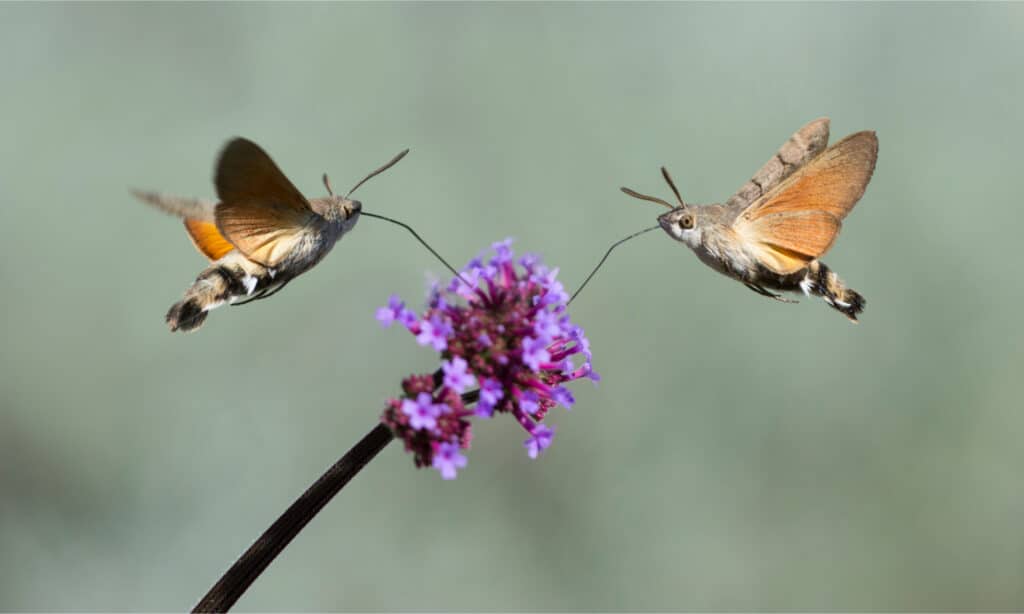
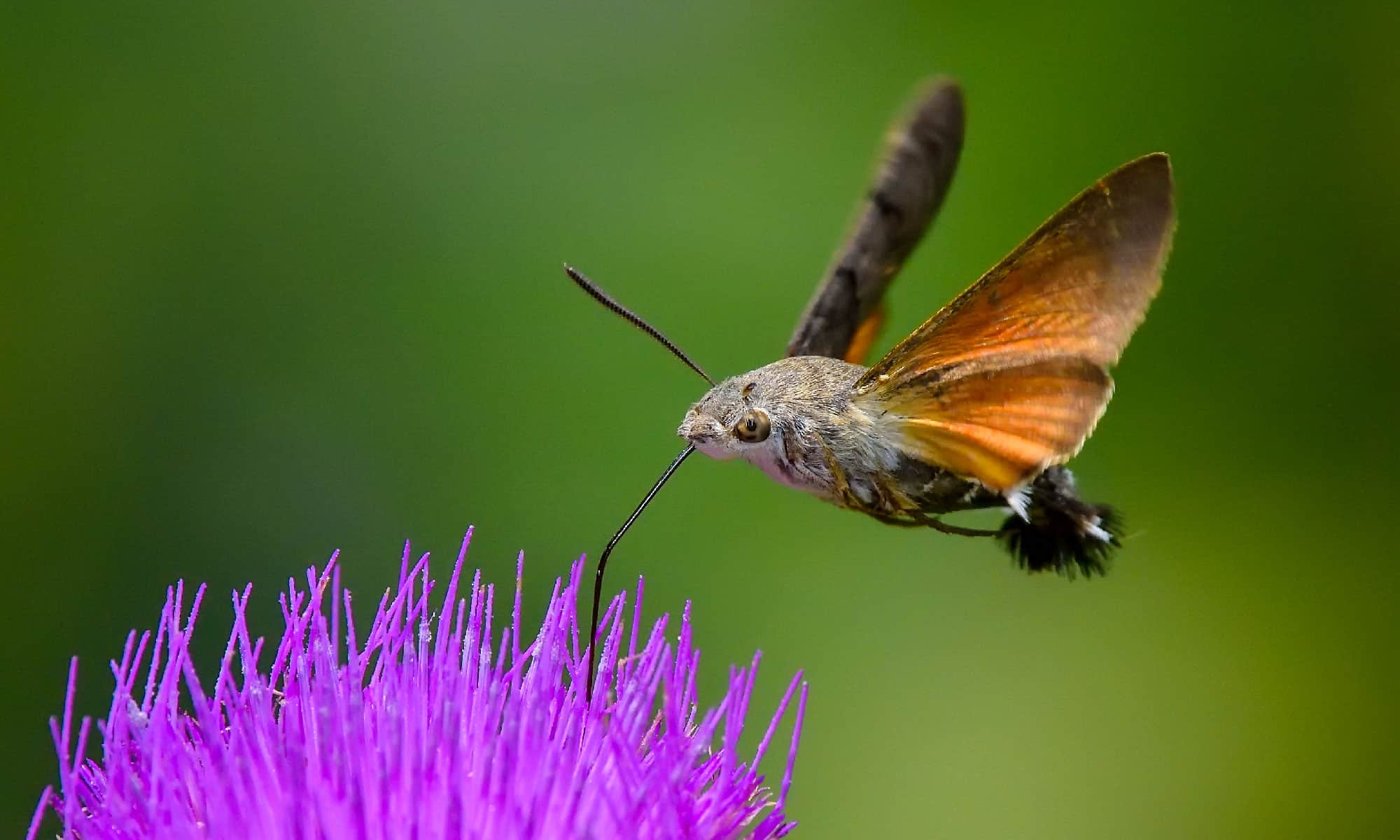
Hummingbird hawk-moths feed from a long proboscis.
©Kuttelvaserova Stuchelova/Shutterstock.com
The hummingbird hawk-moth (Macroglossum stellatarum) both looks like a hummingbird and behaves like one. It is so similar that it is tricky to tell them apart from a distance. It flits from flower to flower just like a hummingbird and even appears to have feathers, but these are actually elongated hairs. They have a wingspan of 2–3 inches, which is actually larger than that of some smaller hummingbird species, such as the bee hummingbird!
These moths live in Europe and North Africa, spending the summer in the north of their range and the winter in the south. They occupy a variety of habitats from coasts to urban yards and gardens. They feed on the sweet nectar of tubular flowers such as Jasminum, Buddleja, and Nicotiana. Hummingbirds do exactly the same using their long beaks. The moth, however, has a long, straw-like proboscis through which it siphons off the sticky fluid. This proboscis is nearly an inch long—almost the full length of the moth’s body—and would get in the way when not feeding. To prevent this, the moth coils it up when not in use. While most moths fly only at night, the hummingbird hawk-moth flies during the day and can even fly around in the rain!
Hovering Flight Dynamics
To hover and maneuver its proboscis into flowers, the hummingbird hawk-moth has evolved a flight method very similar to that of hummingbirds. It generates lift by moving its wings in a shallow figure-eight pattern, creating a spinning vortex of air on the upper surface of the wing. This effectively lowers the air pressure above the wing, pushing the moth upward. You can even hear these moths ‘humming’ as they hover.
That said, the moth does not quite pull it off with the same efficiency as its namesake bird. While hummingbirds can hover at around 50 wingbeats per second, the hummingbird hawk-moth typically beats its wings at 70 to 85 times per second to stay in position, which generally requires more energy. This is because its wings are more rigid than the bird’s.
Incredible Vision
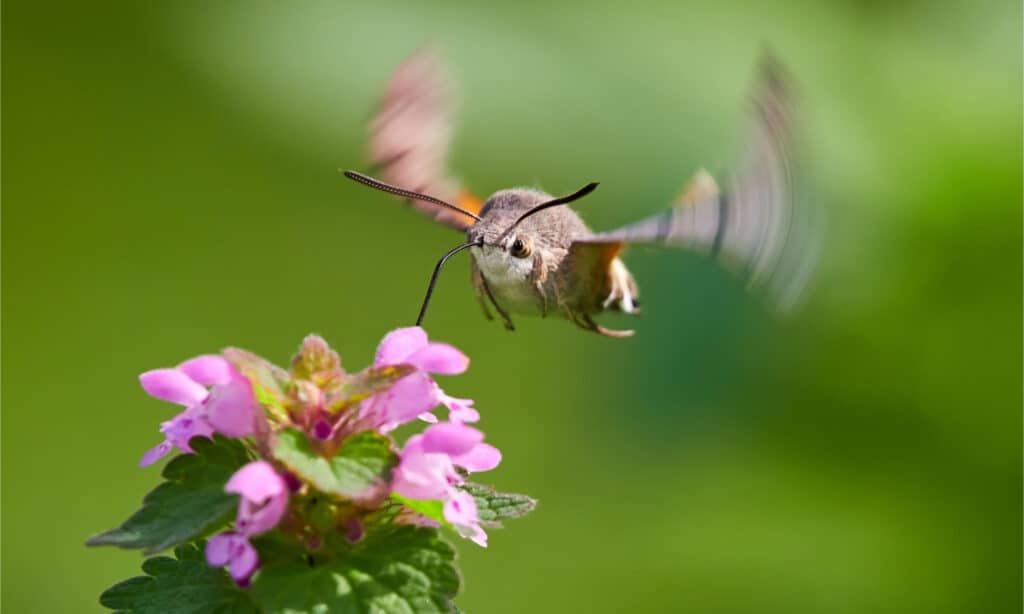
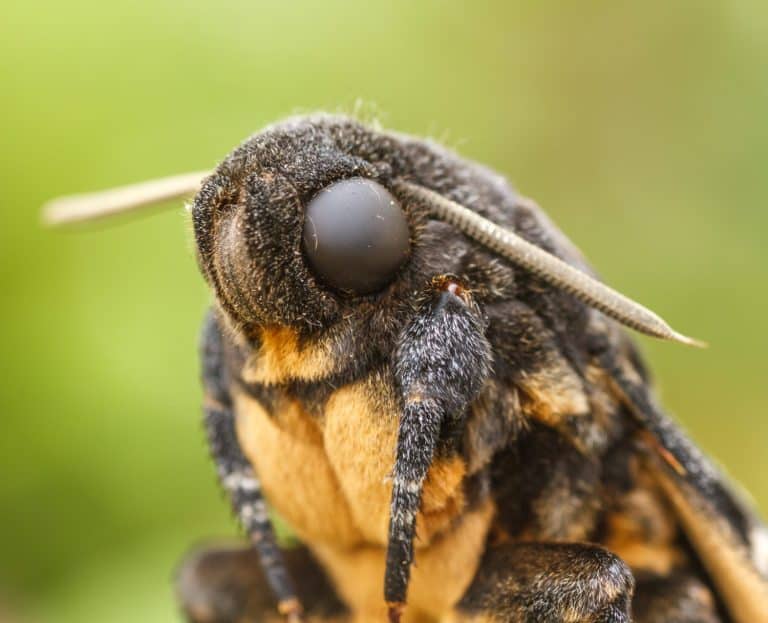
Hummingbird hawk-moths have excellent precision.
©aaltair/Shutterstock.com
These moths also need incredible precision to place their proboscis into the flower, and to do that, they use their amazing eyesight. A 2024 study used high-speed cameras to record the moths placing their proboscis in artificial flowers. The researchers found that hummingbird hawk-moths used continuous visual feedback to fine-tune their movements. This is a highly complex behavior for moths, especially considering their relatively simple nervous system.
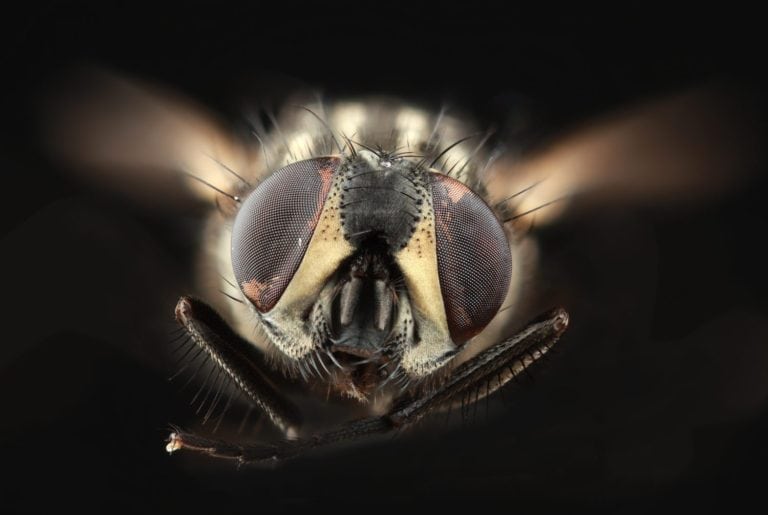
The hummingbird hawk-moth’s eyes are typical insect eyes, so they are made up of many tiny facets in a roughly hemispherical pattern. Each facet has its own lens and group of photoreceptor cells. Although the moth may see in less detail than humans, it can see in many directions at once.
Why Are They Called Hawkmoths?
So, now that the hummingbird part of the name makes sense, what about the ‘hawk’ part? There are actually many species of hawkmoths, also called sphinx moths. Not all of them hover, but they are all fast and agile in the air. For many moth enthusiasts, they are the stand-out type of moth. They have a fast, direct, and altogether hawk-type flight. We don’t know the top speed of the hummingbird hawk moth. However, a closely related species, the tobacco hornworm moth (Manduca sexta) can reach at least 12 mph!