
Quick Take
- Project Psyche aims to sequence the genomes of more than 11,000 distinct moth and butterfly species to better understand global ecosystem health.
- Project Psyche has successfully sequenced the genomes of 1,000 moths and butterflies.
- Project Psyche hopes that genome sequencing will help to conserve moths and butterflies in the order Lepidoptera.
- With a 65% reduction in flying insects across Europe over the last five years, genome sequencing of moths and butterflies is more important than ever.
Animals are disappearing from the planet at an alarming rate. Each day, an estimated 200 species go extinct. Some of the species that have gone extinct were unknown to humans before their demise. To address this issue and better understand the order of insects, a group is working to decode the Lepidoptera. This effort is a race to sequence more than 11,000 moth and butterfly genomes before these species no longer have the opportunity to flit and flutter in the air, which would leave unanswered questions about individual species.
What Is Project Psyche?
It is a race against the clock to better understand species worldwide. Perhaps some of the least known are those that fall under the umbrella of the order Lepidoptera. What makes this so interesting is that one-tenth of insects on the planet fall under the order Lepidoptera, yet there is much to understand. This is why Project Psyche was started.
Project Psyche is an international organization that aims to sequence the genomes of all insects considered Lepidoptera in Europe. According to a new white paper published in Trends in Ecology & Evolution, 1,000 Lepidoptera have been sequenced in the United Kingdom. This total covers nearly all moths and butterflies in the UK, giving researchers a head start on understanding how to protect the environment and maintain biodiversity.
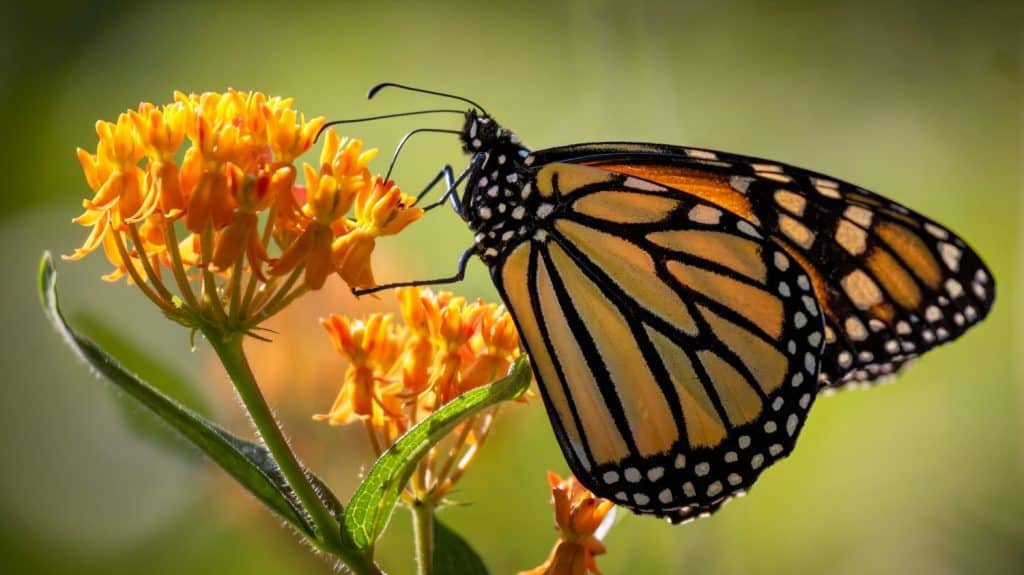
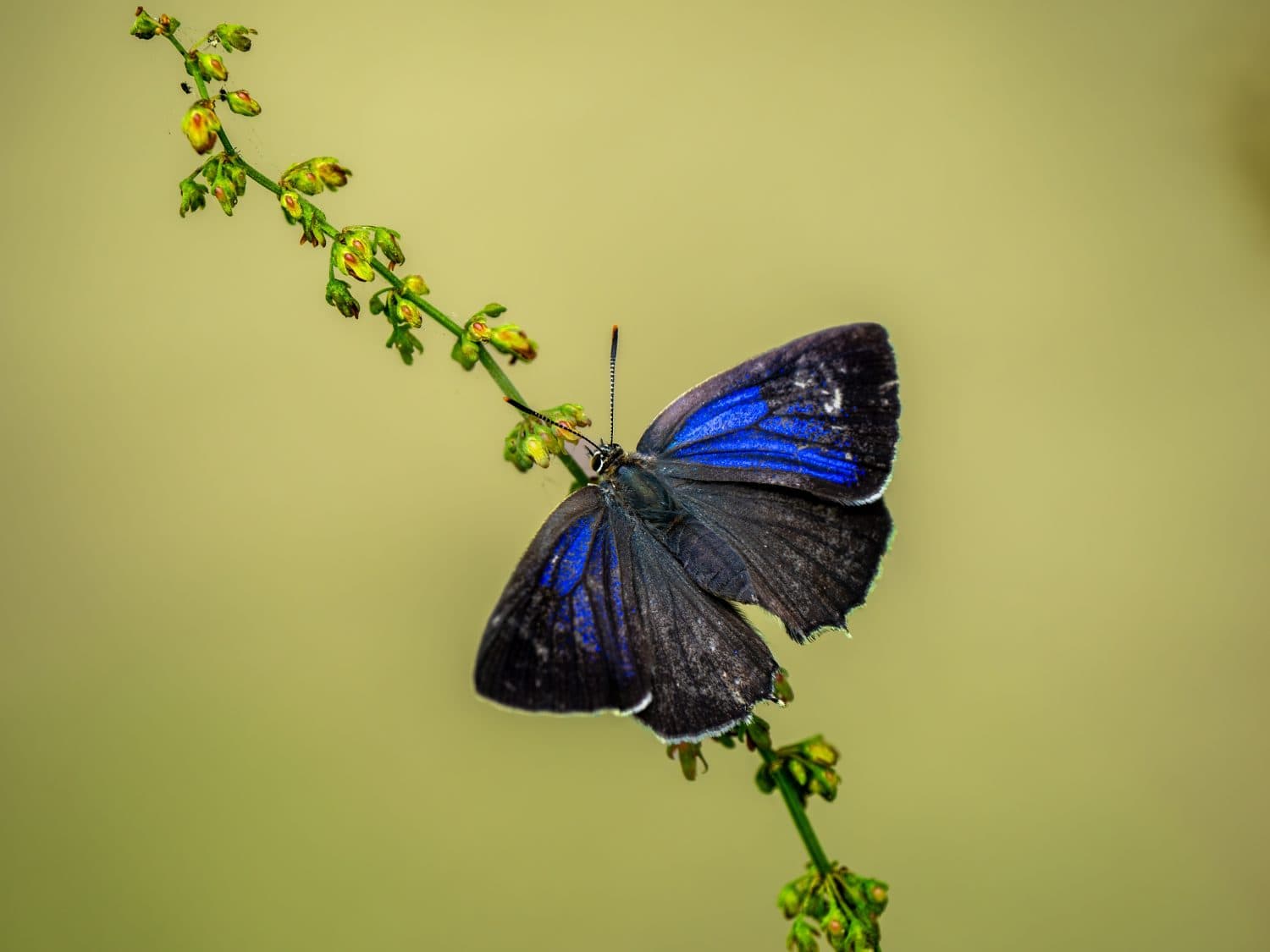
Butterflies and moths across Europe are having genomes sequenced by Project Psyche.
©Rene Bechard/Shutterstock.com
Project Psyche is not just an organization for those in the research field. Instead, it is composed of researchers, amateur lepidopterists, and those who want to learn more about the process. The project’s success is due to the involvement of formal researchers and local community members, who have already completed genome sequencing for many Lepidoptera. This has helped Project Psyche make significant progress as the organization works to locate all butterflies and moths in this order in Europe.
What Are Lepidoptera?
Although classified as moths or butterflies, these insects belong to the same order. The order for the majority of moths and butterflies is Lepidoptera.
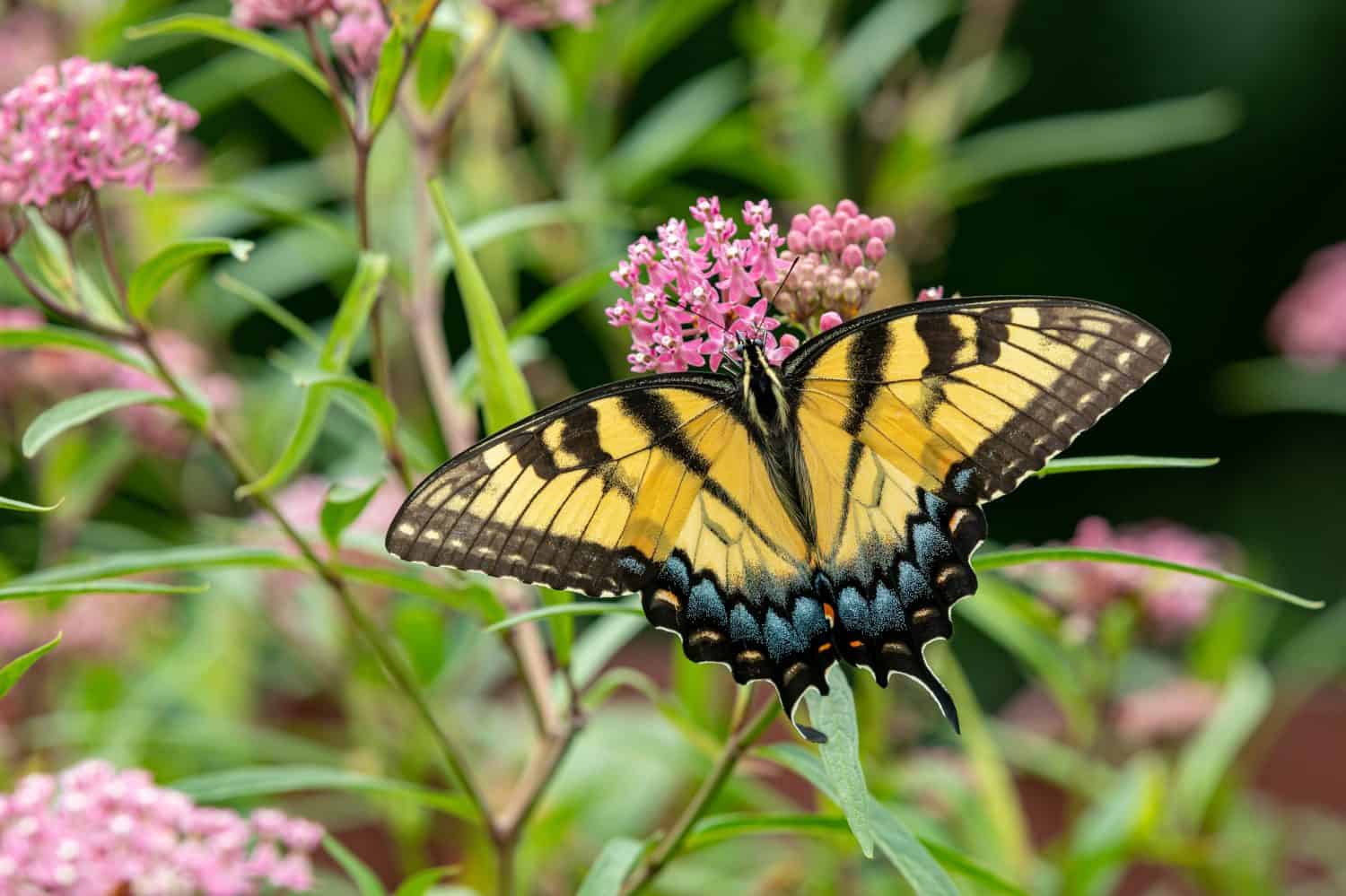
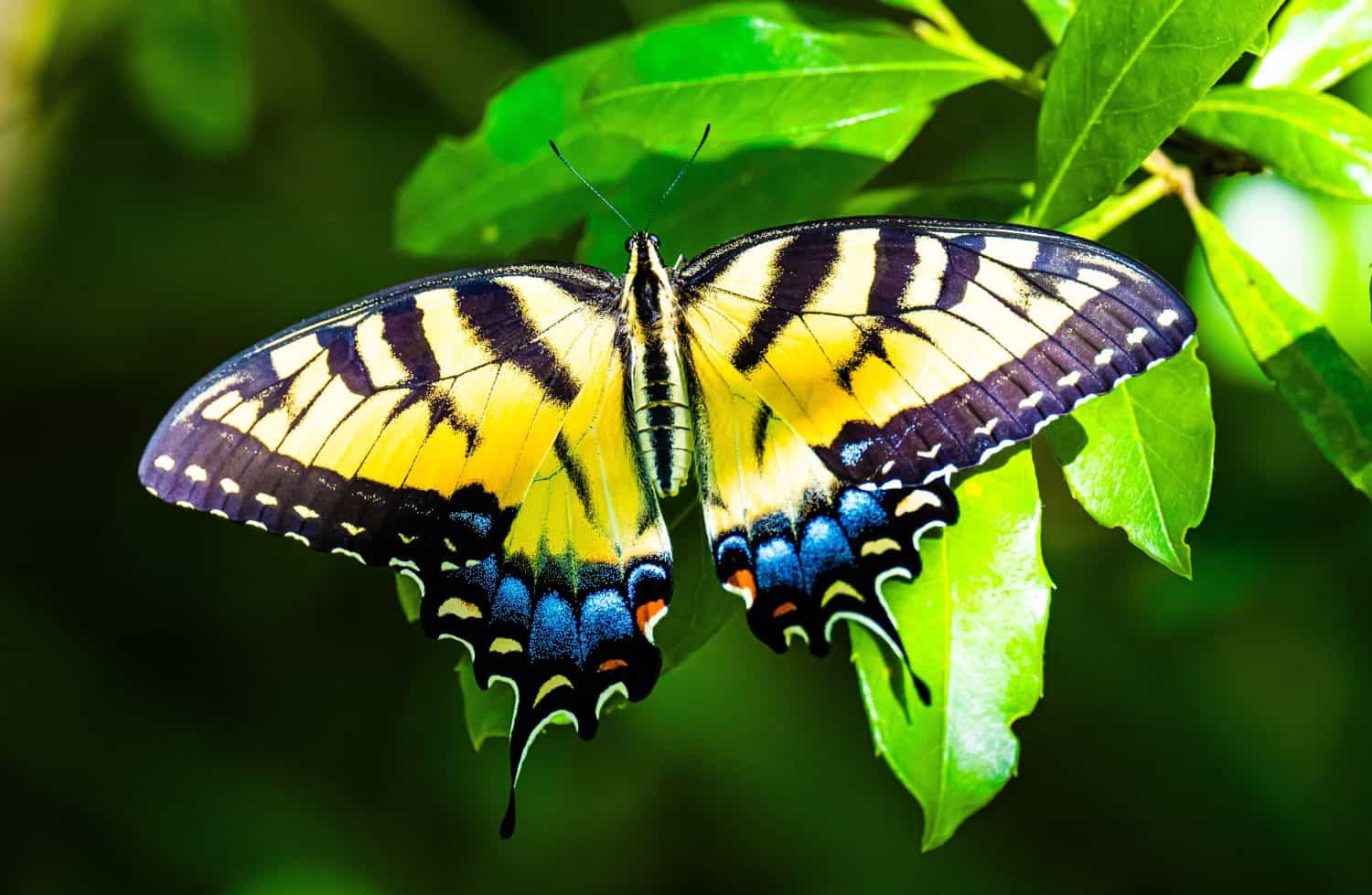
The order Lepidoptera includes over 180,000 species, including swallowtail butterflies.
©J.J. Gouin/Shutterstock.com
The name Lepidoptera comes from the Greek words “lepido,” which means scale, and “ptera,” which means wings. This name is quite fitting, given the insects’ wings and the scales, or tiny hairs, that cover not only the wings but also the bodies of moths and butterflies.
With over 180,000 different moth and butterfly species in the order, Lepidoptera is quite large. This order comprises the second-largest order of all insects. It would be incredible if Project Psyche were to sequence the genomes of all 180,000+ moth and butterfly species. While this may be accomplished in the future, the current goal is more focused. The goal is to sequence over 11,000 moth and butterfly species. When this is accomplished, all moths and butterflies in Europe will have been sequenced.
Why Sequencing Over 11,000 Moth and Butterfly Genomes Is So Important
Researchers still have a long way to go to complete the sequencing of the genomes of 11,665 moths and butterflies across Europe. However, according to the white paper, doing so is important because it not only reveals information about the past but also about the present.
The race is on to sequence the genomes of Lepidoptera, given the decrease in flying insect populations in Europe over the last five years.
©Stephan Morris/Shutterstock.com
By sequencing genomes, researchers can determine the order of chemical building blocks in the Lepidoptera DNA. This provides insight into how moths and butterflies evolved and why they differ genetically. The information gleaned helps researchers better understand how to conserve both moths and butterflies and their environment, as well as how to more effectively control those classified as pests within the order Lepidoptera.
Once the genomes of butterflies and moths are sequenced, they can be monitored for population changes. The latest data from Europe indicate a 65% decline in flying insect populations since 2021. By sequencing genomes, researchers can use the health of these insects to paint a clear picture of the health of their ecosystems. Researchers can use this information to develop plans to conserve moths and butterflies in a region, thereby benefiting the ecosystem in which they live.
What Do Lepidoptera Tell Researchers About the Planet?
Moths and butterflies are sensitive to environmental changes. Consequently, their health, or lack of it, speaks volumes about the status of the planet.
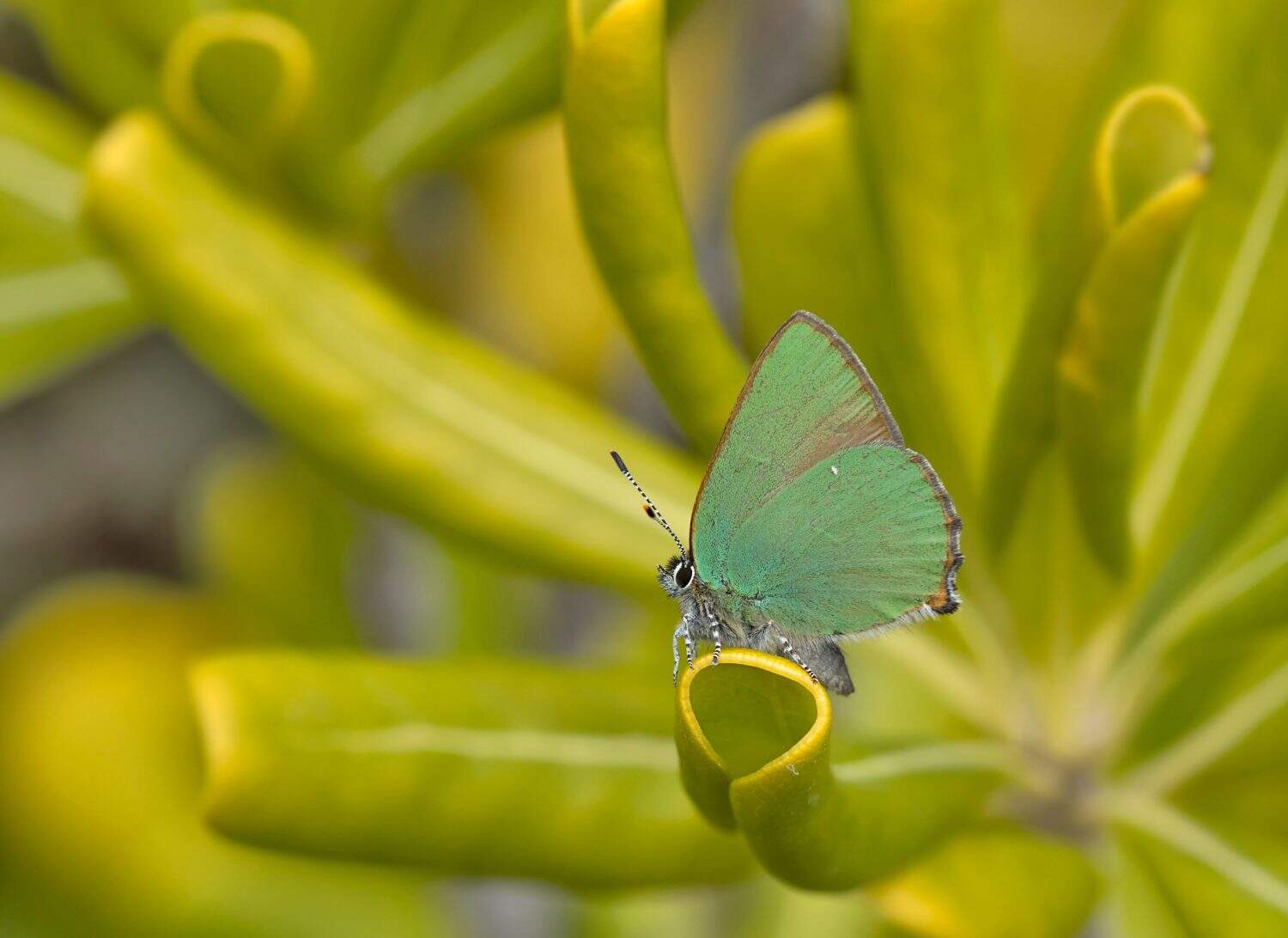
Butterflies and moths are indicator species, which speak to the health of their habitats and the environment at large.
©Stergios Vasilis/Shutterstock.com
Butterflies and moths are indicator species. An indicator species is one that serves as a barometer for the health of the habitats in which it lives. When population numbers increase, decrease, or disappear altogether, it reflects how climate change, habitat degradation, or even pollution are affecting the ecosystem at large.
Genome sequencing has revealed not only the current health of habitats across the UK, but also the state of the planet as a whole. The sequencing also shows how moths and butterflies have evolved over 230 million years and why those adaptations were necessary. Understanding the past helps researchers formulate conservation plans for the present and future, in hopes of giving moths and butterflies a chance at long-term survival.
Researchers Compare Genomes of Living Lepidoptera to Those That Are Extinct
The genome sequences of living Lepidoptera have been compared with those of extinct species in the order. This is because the survival of moths and butterflies on the planet today hinges on understanding both their own DNA and that of their distant relatives.
Genome sequencing provides detailed information on how Lepidoptera evolved. Evolutionary change and the emergence of a new species occur in response to environmental and ecological change. Over the course of 230 million years, Earth underwent massive transformations. This is evident in the genome sequencing of moths and butterflies. The diversity of flying insects within Lepidoptera is also a visual clue to the planet’s evolution, as it shows how the creatures adapted to their environment over time.
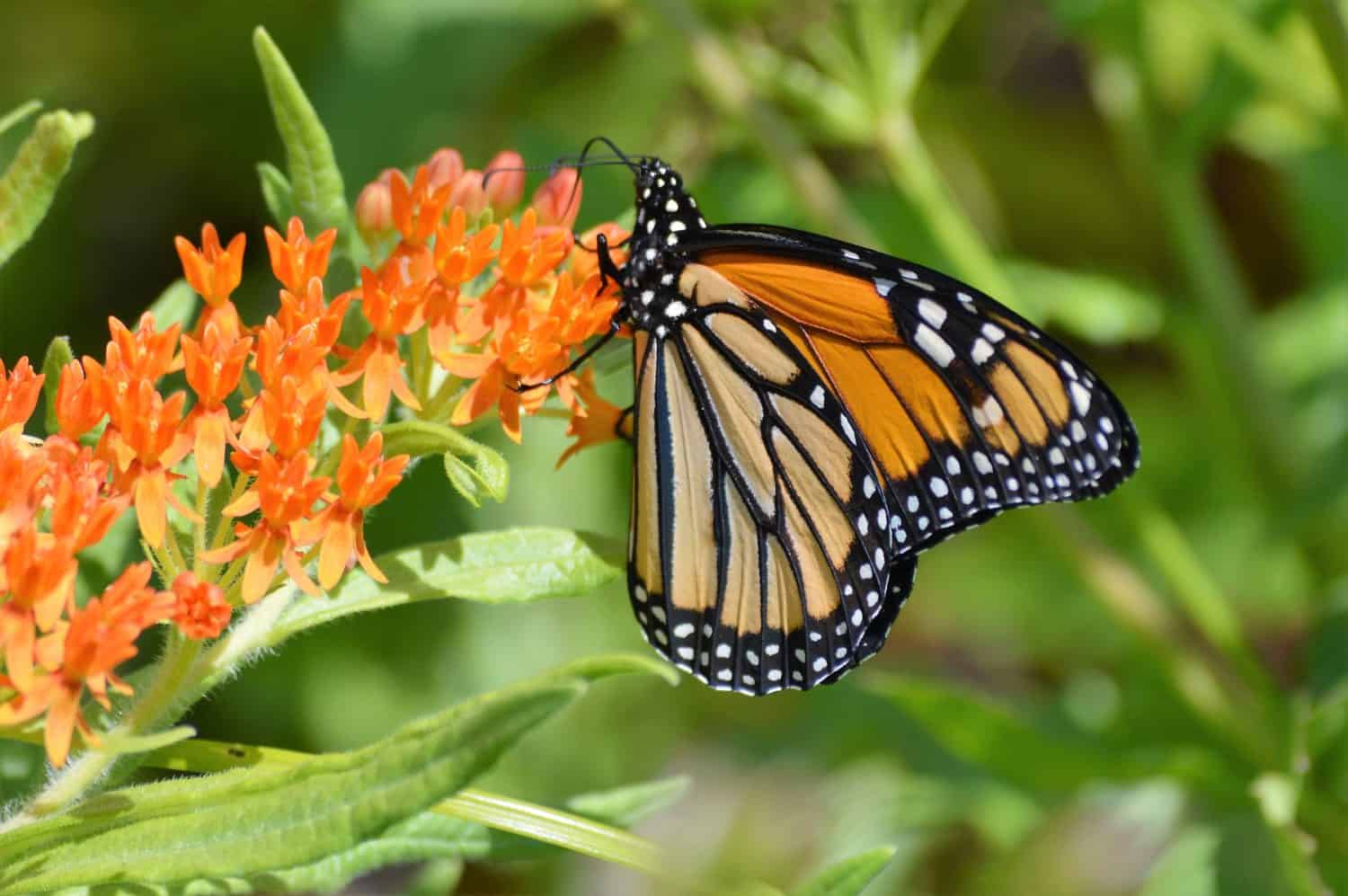
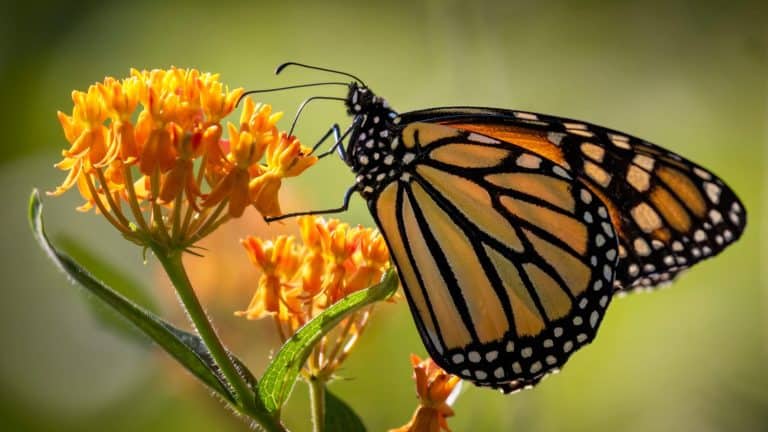
Moths and butterflies in the order Lepidoptera, such as the monarch butterfly, are having their genome sequencing compared to those that have gone extinct in the order.
©KARI K/Shutterstock.com
Comparing contemporary species with those that have gone extinct, whether globally or in particular regions, helps researchers protect biodiversity in ecosystems. It also helps conservationists determine whether it is possible to reintroduce a species to an environment where it once lived, or if the habitat is unsuitable for reintroduction. The more genome sequencing is completed on moths and butterflies in the UK and Europe, the greater the chances that species, large and small, have of surviving.
How Project Psyche Will Help Butterflies and Moths
Project Psyche is an ambitious program that aims to sequence the genomes of more than 11,000 moths and butterflies across Europe. This project is not just for record-keeping. The ultimate goal is to create sustainable habitats for Lepidoptera so that no more of these flying insects go extinct.
Project Psyche hopes that genome sequencing will shed light on what caused moths and butterflies to go extinct in the past, to keep that from happening to those in the order Lepidoptera in the future.
©Eli Freidus Photography/Shutterstock.com
Insect populations are declining across Europe for a variety of reasons. Some of those reasons include:
- Loss of habitat
- Use of pesticides
- Climate change
- Light pollution
Included in these declining populations are moths and butterflies. By identifying the causes of their decline and finding ways to help these insects recover, conservationists can help prevent their extinction. Genome sequencing plays a significant role in this, as irrefutable data show why and how members of the order Lepidoptera have had to adapt to survive. This information can help prevent past ecological mistakes from being repeated, giving today’s moths and butterflies a better chance of survival.
Project Psyche cannot bring back the moths and butterflies that no longer exist. However, it can save many on the brink. This is achieved by understanding the needs of moths and butterflies and applying that knowledge to conservation efforts in Europe and, potentially, around the world.