
Quick Take
- The animal locals blamed for destroying their crops turned out to be completely innocent, and the real culprit was one nobody had suspected. See the real culprit →
- Farmers had been retaliating against an endangered species for years, yet the evidence paints a very different picture of what was really happening in those fields. Tapirs wrongly blamed →
- Motion-activated lights seemed like a simple fix, but researchers discovered they work on some species and completely backfire on others. Species-specific deterrent findings →
- Fewer than 5,000 of Central America's largest land mammals remain, a number that a case of mistaken identity may have been quietly pushing even lower. Tapir survival at stake →
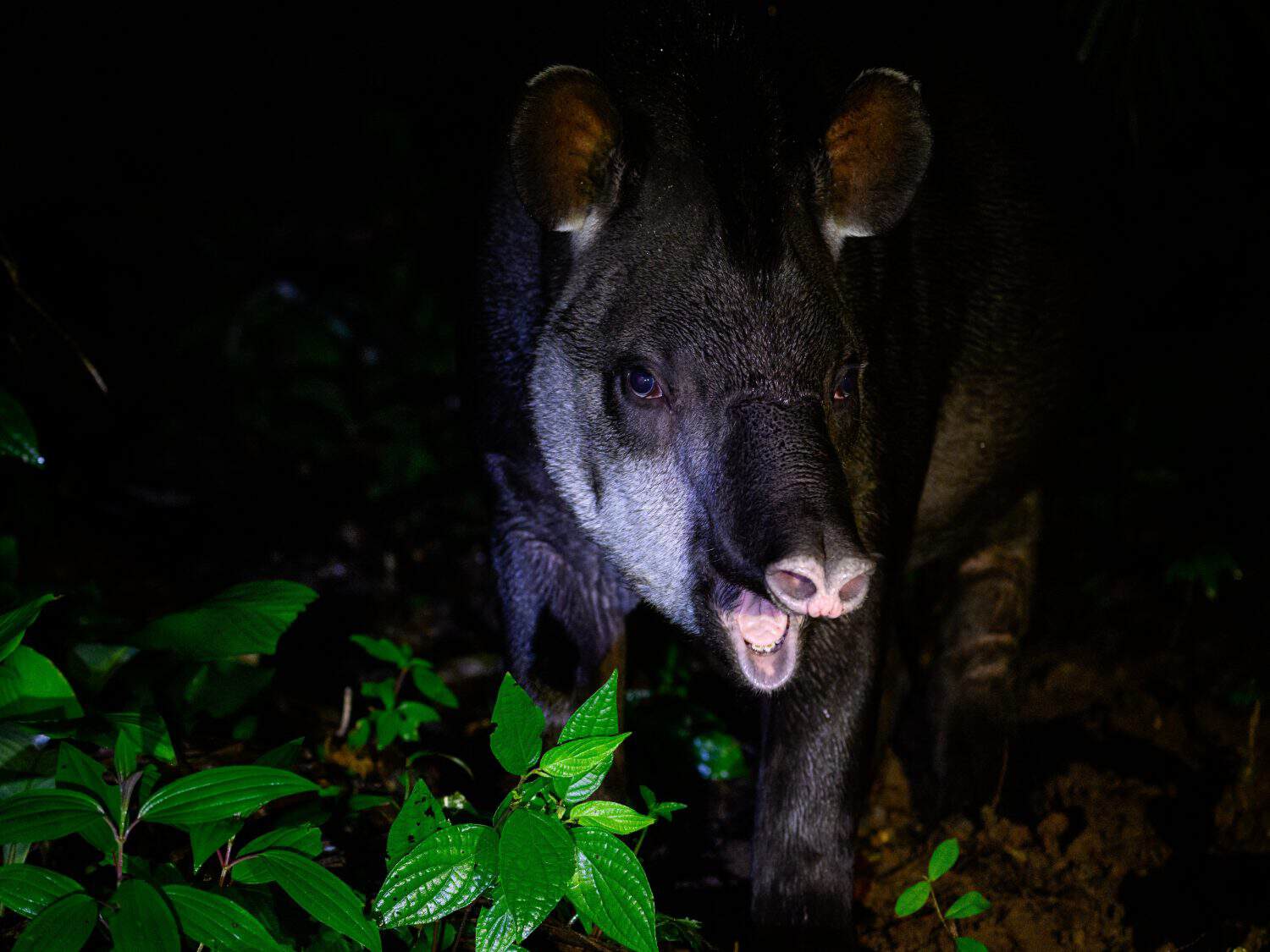
For years, farmers in the Indigenous Miskitu community of Mavita in eastern Honduras believed they knew which animal was destroying their cassava fields. The main suspect was the endangered Baird’s tapir (Tapirus bairdii), Central America’s largest land mammal. This belief occasionally led to retaliatory hunting of this already-threatened species.
Some locals also suspected Mexican armadillos and lowland pacas of raiding the fields. But when researchers installed camera traps around the plantations, they uncovered a very different culprit. The footage cleared the tapir of most of the blame, demonstrating how simple technology can help both people and wildlife.
Camera Traps Reveal the Truth
To find out which animals were actually feeding in the cassava fields, researchers from the Wildlife Conservation Society (WCS) Honduras Program and the Association for Sustainability and Scientific Research in Honduras monitored a 24.7-acre plantation in Mavita.
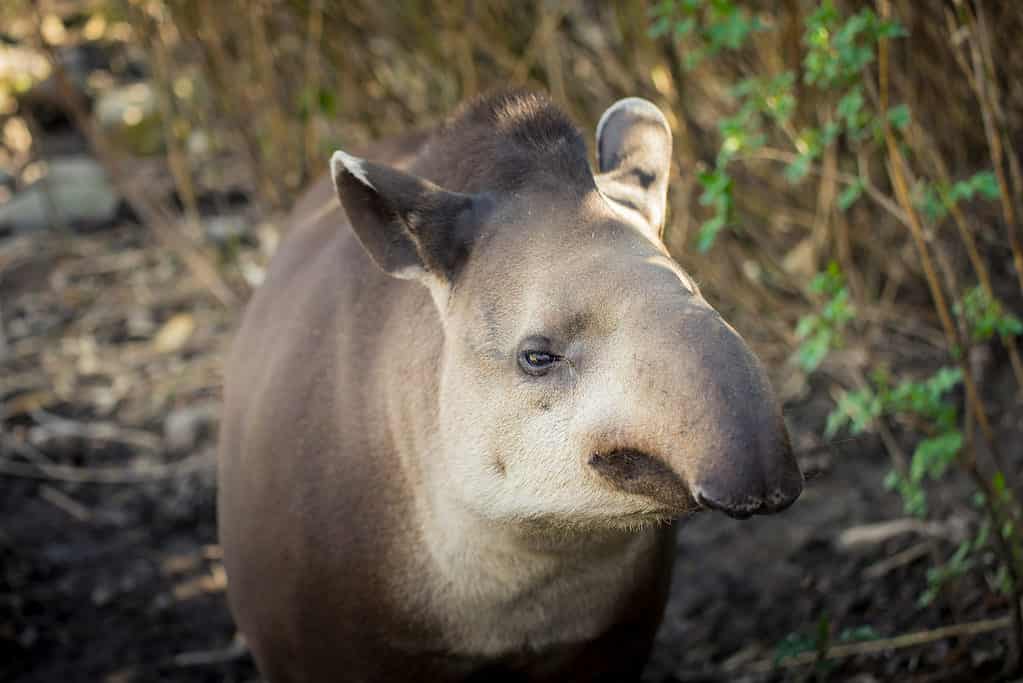
Baird’s tapirs can grow up to 5 feet long and weigh up to 550 pounds.
©Silvia.cozzi/Shutterstock.com
The study, published in the journal Neotropical Biology and Conservation, used solar-powered, motion-activated LED trail cameras to monitor the fields for over two months. Whenever an animal entered the field, the cameras captured a 10-second video. This allowed scientists to see exactly which species were visiting the crops and how they reacted to the lights.
The project had two main goals: identify the specific animals damaging the crops, and determine if the motion-activated lights could safely scare wildlife away without harming them.
The Real Crop Raider
The camera traps captured 27 separate wildlife visits from seven different mammal species. The biggest surprise, however, came from an animal many local residents didn’t even realize was feeding in their cassava fields.
Instead of tapirs, the cameras most frequently recorded Honduran cottontail rabbits (Sylvilagus hondurensis) eating the crops, making them the primary source of the damage. While endangered Baird’s tapirs did visit, they were only responsible for a tiny fraction of the damage. Moreover, lowland pacas and Mexican armadillos — both highly suspected by locals — were never caught feeding on the cassava at all.
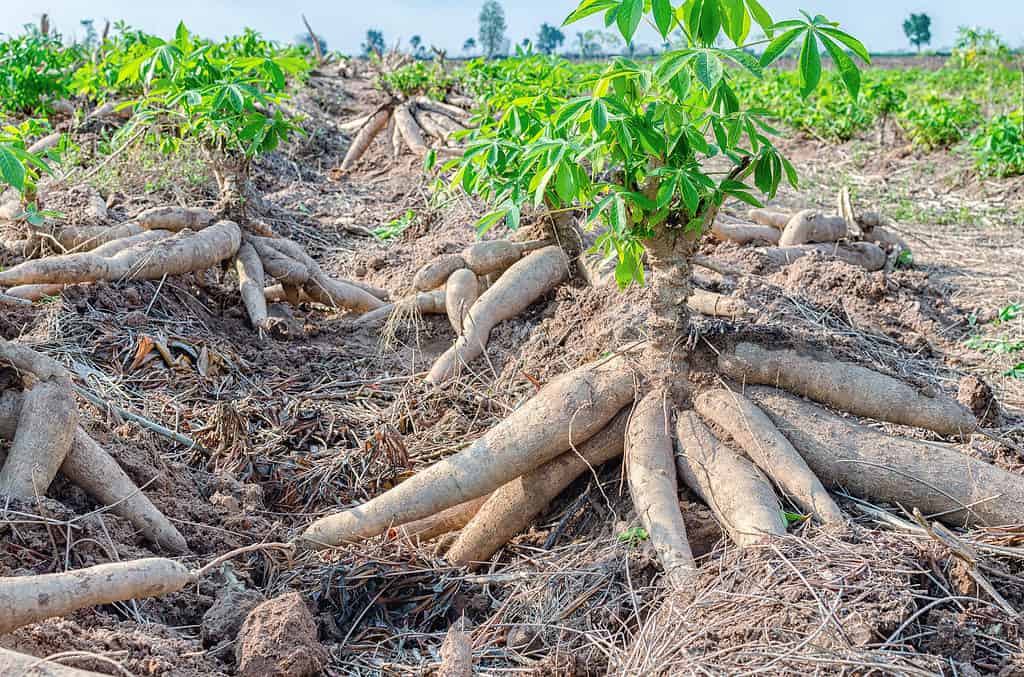
Cassava is a major crop in Honduras and can be used to make a variety of different dishes.
©iStock.com/tinglee1631
The study also showed that each species reacted differently to the motion-activated lights. Tapirs generally avoided the lit-up areas, suggesting the lights could effectively protect crops from them. In contrast, the rabbits completely ignored the lights and kept right on eating.
Beyond solving the agricultural mystery, the footage showed that these forest-farm landscapes support an extraordinary variety of wildlife. Cameras documented a rich ecosystem thriving right next to the community, including tapirs, ocelots, agoutis, jaguarundis, opossums, rabbits, and tayras.
Why Clearing the Tapir Matters
Baird’s tapirs are Central America’s largest land mammals and one of the region’s most important seed dispersers. Many call them the “gardeners of the forest” as they help regenerate tropical ecosystems by spreading seeds as they travel through the landscape.
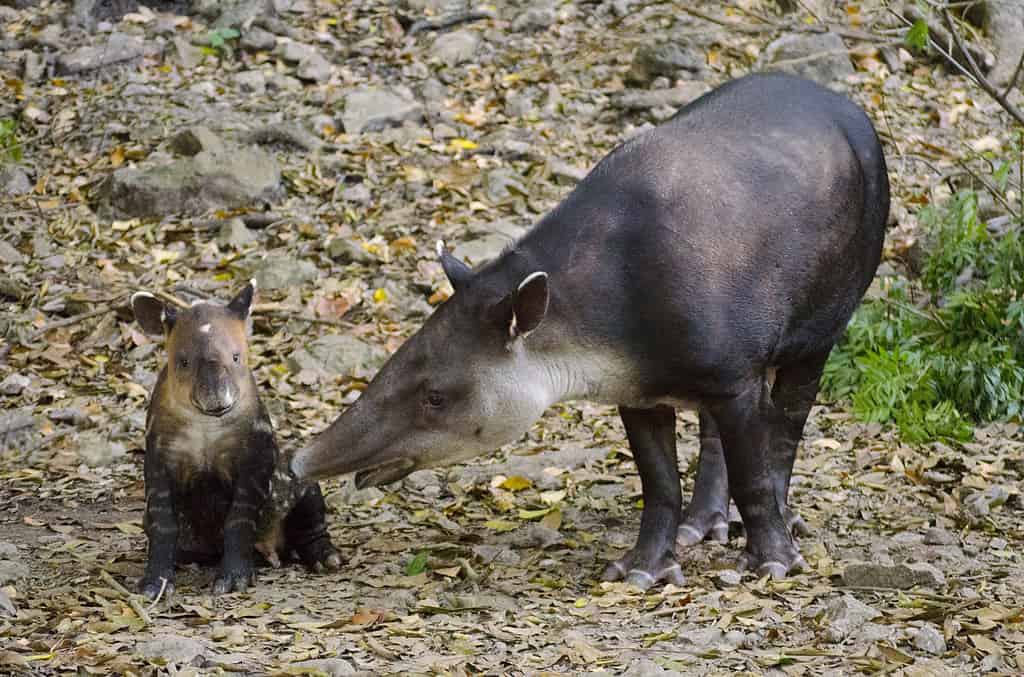
Baby tapirs are born with white stripes and spots to camouflage among the dappled light coming through the forest trees.
©hugocorzo/iStock via Getty Images
Unfortunately, Baird’s tapirs are also endangered, with an estimated total population of around 4,500 individuals left in the wild. They are threatened by habitat loss, hunting, and forest fragmentation, and in Honduras, retaliatory killings by frustrated local farmers who mistakenly believed the tapirs were destroying their vital cassava crops.
This is why the camera trap footage is so important. By showing that rabbits — not tapirs — are the real culprits behind the crop damage, the study removes a major source of resentment. This evidence is a powerful tool to defuse human-wildlife conflict and protect one of Central America’s most vulnerable species from unnecessary killing.
Better Evidence Leads to Better Conservation
This study highlights why wildlife management works best when it’s based on evidence rather than assumptions. Without knowing which species are actually causing damage, farmers may target the wrong animals while the real problem continues to destroy crops unchecked.
The study also demonstrates that crop protection isn’t a one-size-fits-all solution. Because tapirs avoided the motion-activated lights while rabbits largely ignored them, future deterrent strategies will need to be tailored to the behavior of individual species.
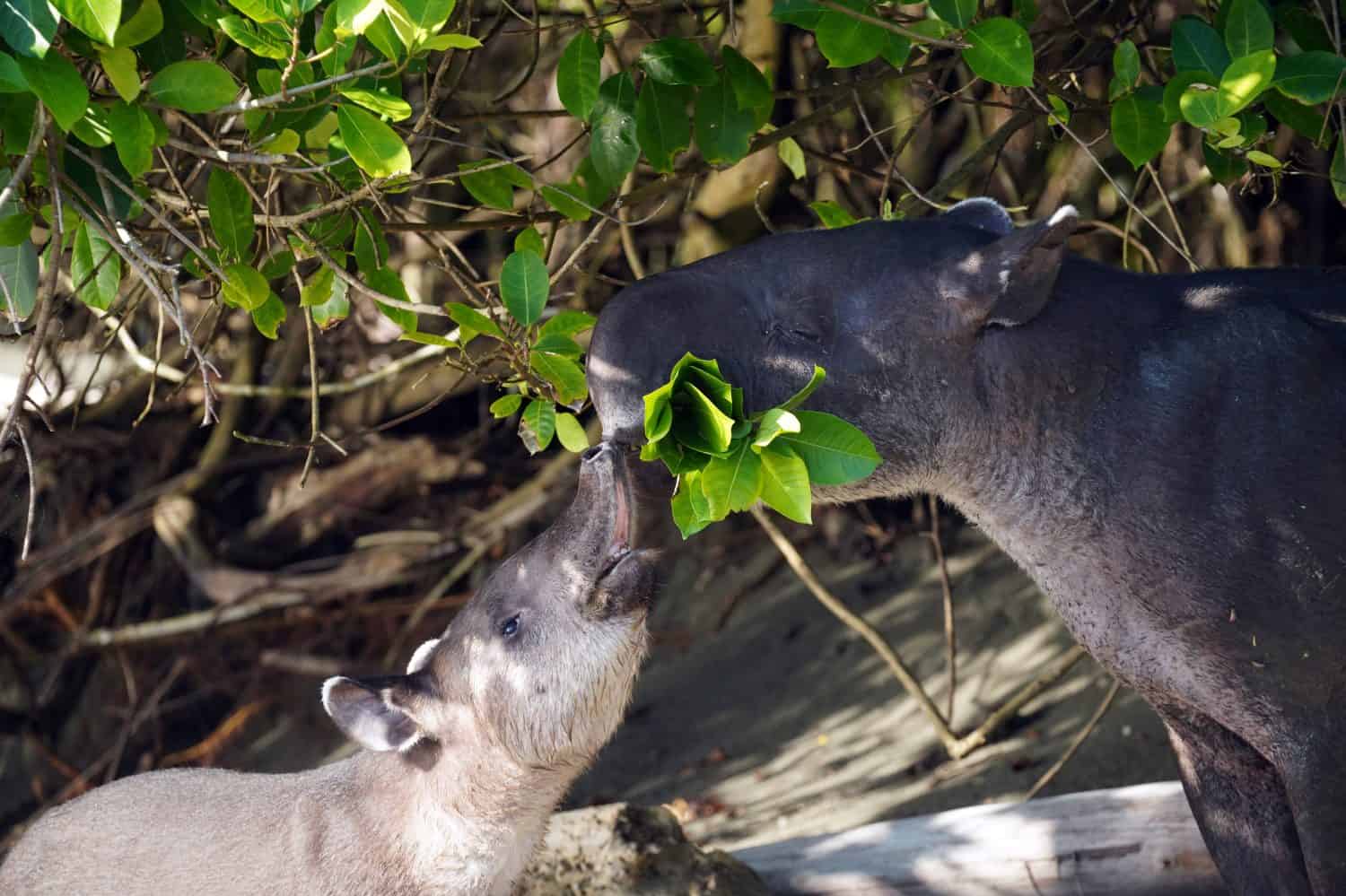
Baird’s tapirs eat more than 200 different species of plants and fruits.
©LAURENT JAMIN/Shutterstock.com
For researchers and the local Miskitu community, the camera trap footage represents more than just a solved mystery. It offers a path toward protecting farmers’ livelihoods while reducing unnecessary pressure on an endangered species. Sometimes, the most effective conservation tool isn’t a fence or a new technology — it’s simply knowing who’s really responsible.