
Quick Take
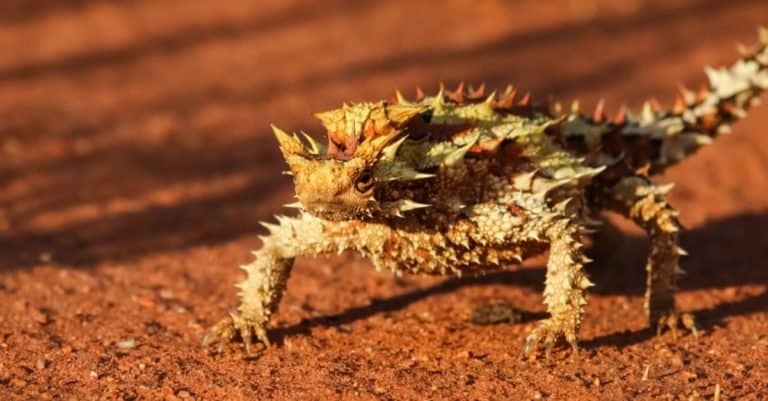
- One lizard never drinks standing water. Instead, its own skin does the work for it. See how its skin drinks →
- One iconic animal's name is literally a statement that it doesn't drink, yet most people have no idea. Discover the koala's name origin →
- One desert frog survives dry seasons through a strategy that looks almost nothing like how frogs are supposed to live. Learn its dry-season survival →
- For one Sahara mammal, staying hydrated has nothing to do with finding water. It has everything to do with its appearance. See how its coat helps →
For most animals, drinking water is a daily necessity. However, some species have evolved ways to remain hydrated without drinking a single drop of water. Instead of turning to ponds or nearby streams, these creatures are able to obtain all the moisture through other means. While some extract water from the food they eat, others undergo complex metabolic processes. In many cases, these adaptations evolved as a way of coping with extremely harsh environments. Here are eight animals that miraculously survive while only occasionally drinking water.
Kangaroo Rat
©Dominic Gentilcore PhD/Shutterstock.com
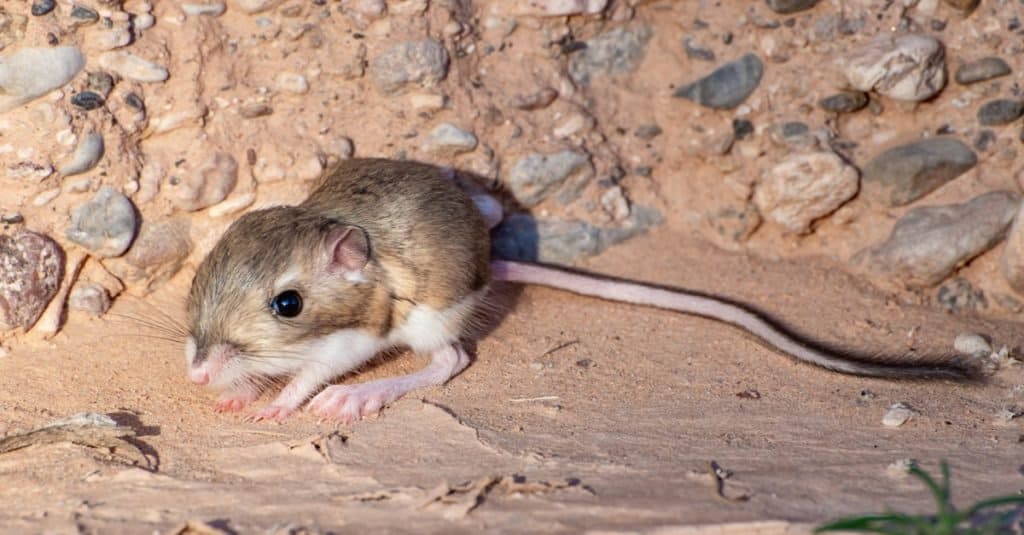
The kangaroo rat is the most well-known example of an animal that rarely, if ever, drinks water. Native to dry North American deserts, it gets necessary bits of moisture from seeds and other foods. Because its kidneys are incredibly efficient, this little critter can produce highly concentrated urine. To avoid direct heat and loss of valuable moisture, the animal also spends much of its time in cool underground burrows. These adaptations allow it to survive in excessively dry conditions.
Koala
©Manon van Os/Shutterstock.com
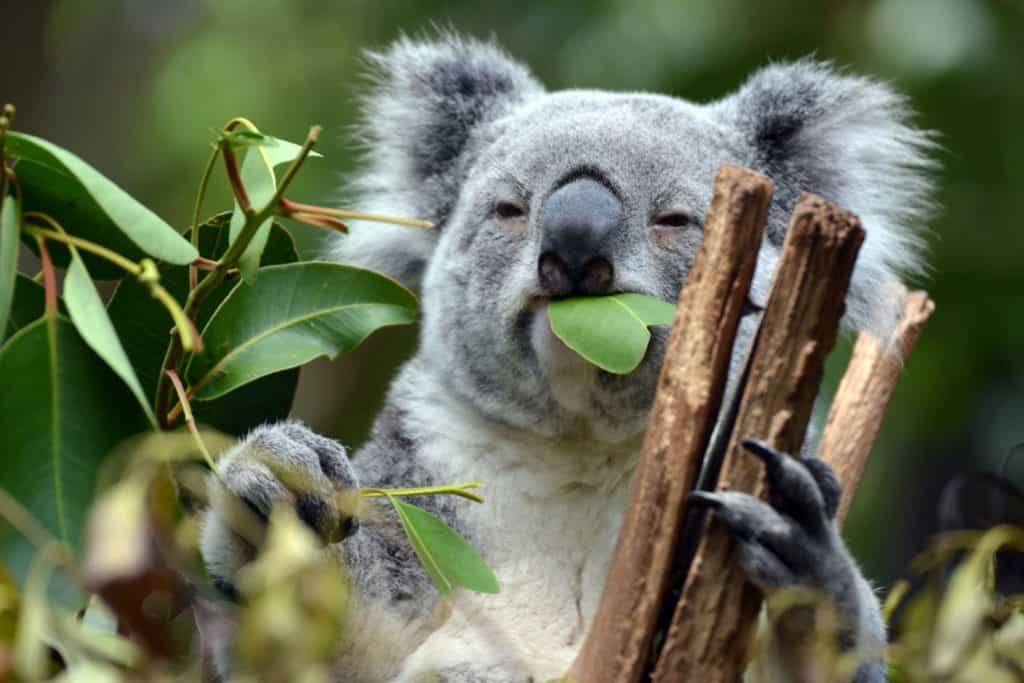
Koalas are synonymous with eucalyptus leaves. Indeed, they don’t eat much of anything else. But many people don’t realize their primary dietary source is also the major source of their water, as they rarely take a sip of liquid. In fact, some say their name comes from an Australian Aboriginal word meaning “no drink.” Fortunately, the vegetation they consume contains a surprisingly large amount of moisture. Though koalas will seek out a water source during periods of extreme drought, their diet is sufficiently hydrating under normal conditions.
Thorny Devil
©Uwe Bergwitz/Shutterstock.com
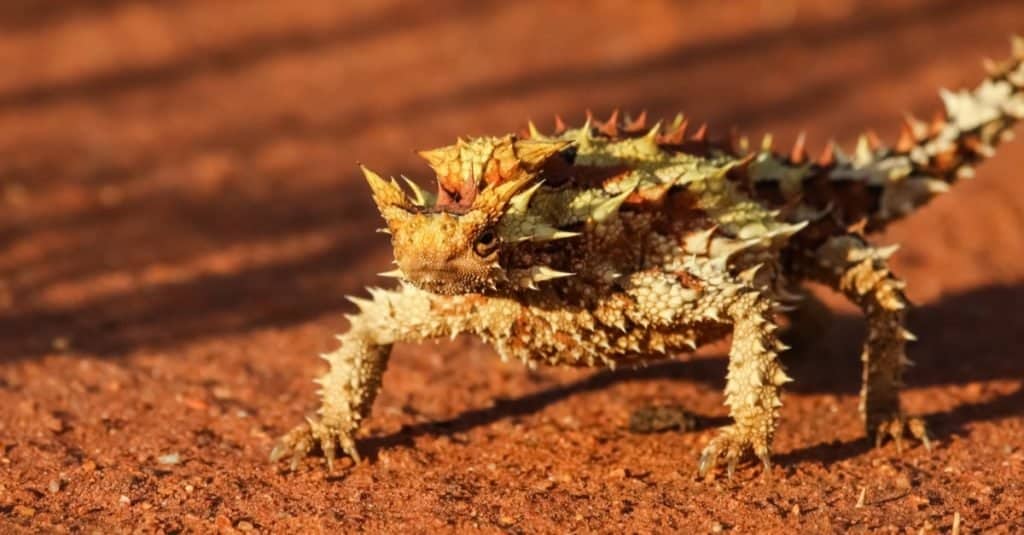
The thorny devil is a small Australian lizard with an unusual method of hydration. Tiny divots between its scales form channels that collect moisture from the atmosphere, damp sand, or rainfall. The water then flows directly to the animal’s mouth through something called capillary action. Though the amount of water collected is incredibly small, it is plenty for the thorny devil to survive on. These little lizards are happy to take advantage of even mere droplets of moisture. As a result, it hardly ever needs to drink standing water directly.
Desert Tortoise
©Sean R. Stubben/Shutterstock.com
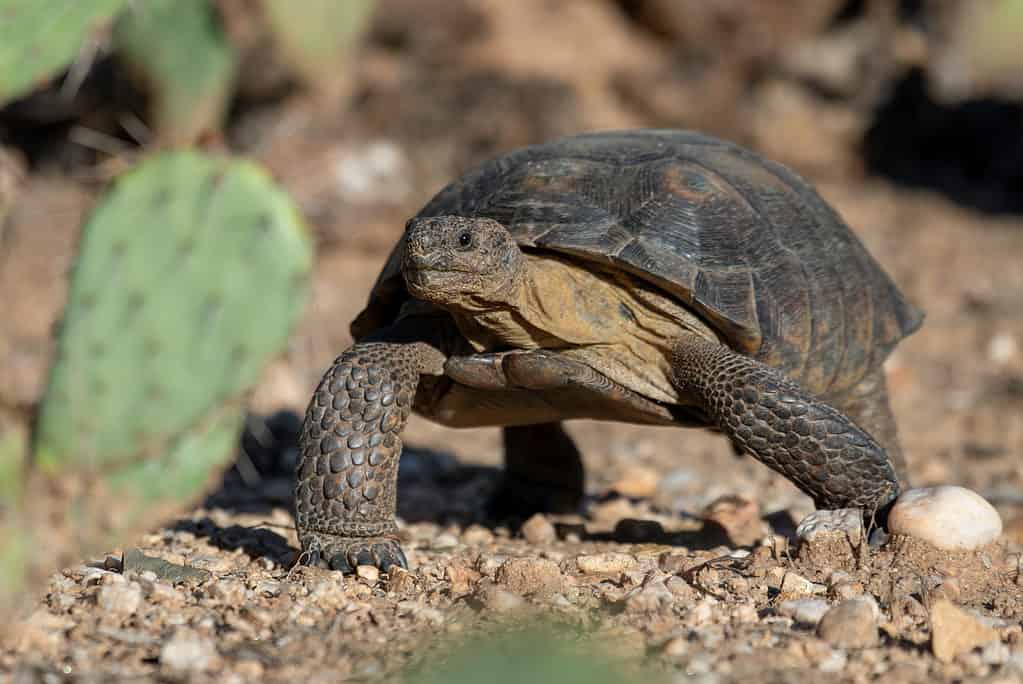
As their name indicates, desert tortoises inhabit deserts, ecosystems known for their arid environments and scarce water. Due to a lack of water sources, they may go months without directly taking in water, so desert tortoises evolved ways to extract moisture from vegetation, such as grasses, wildflowers, and cactus pads. They are also skilled at holding large quantities of water in their bodies, and they top off their reserves during rainy periods. This stored water helps them thrive even in long dry spells.
Sand Gazelle
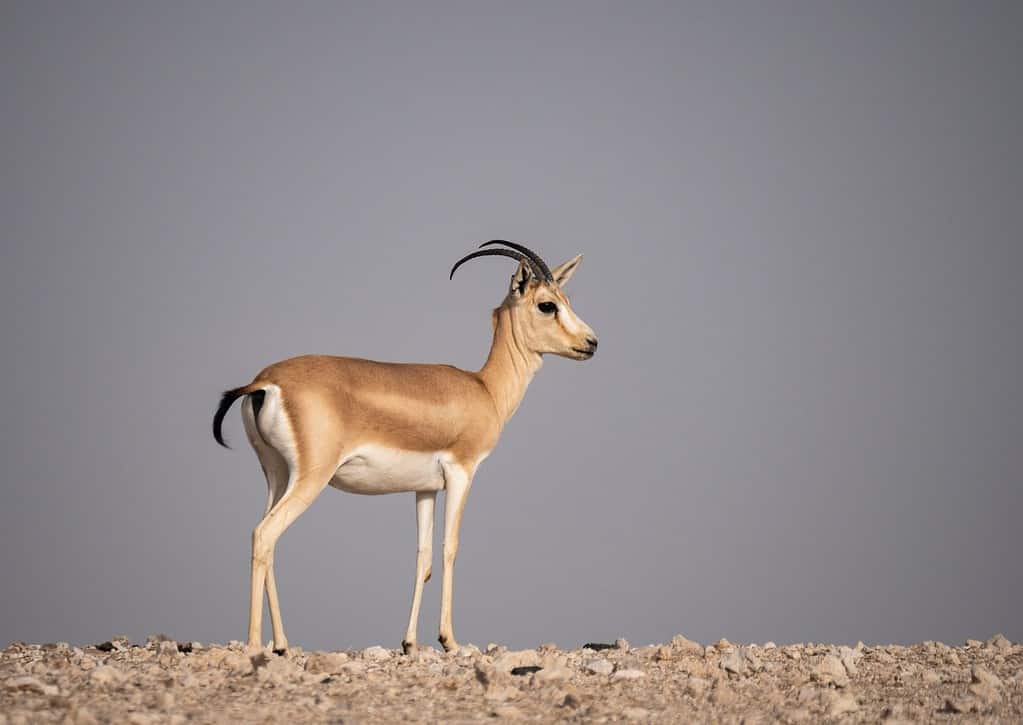
©Matt Starling Photography/Shutterstock.com
Sand gazelles inhabit some of the driest regions of the Middle East and North Africa. Within such scorching environments, these animals get most of their moisture from their diet, which is primarily plants. They are also active during cooler parts of the day, which reduces water loss. Their bodies are efficient at conserving fluids and some populations can survive for long periods without drinking a single drop.
Gila Monster
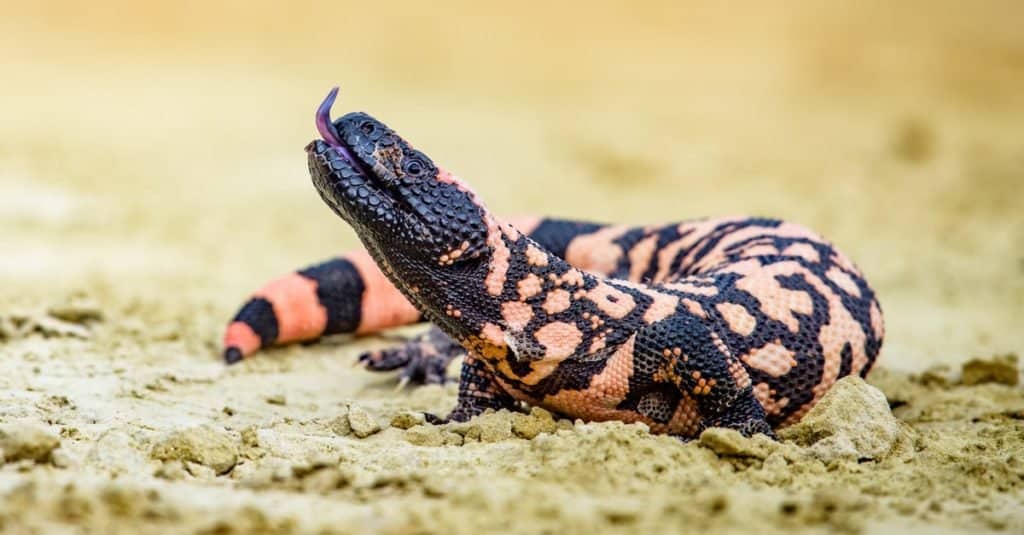
©Vaclav Sebek/Shutterstock.com
The Gila monster, a venomous lizard of the American Southwest, is adapted to life in dry habitats. One of these adaptations is the ability to obtain much of its water through prey. During favorable conditions, when food is in abundance, Gila monsters store moisture for future use. They don’t need much water to sustain them, thanks to a slow metabolism that helps reduce the need for frequent hydration. As a result, drinking from a puddle or pond is relatively uncommon.
Australian Water-holding Frog
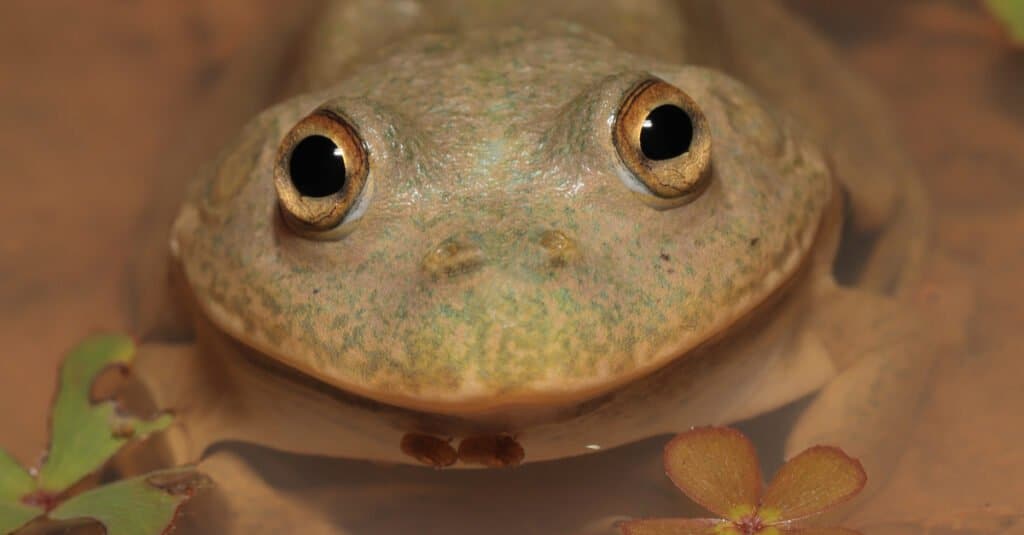
©Ken Griffiths/Shutterstock.com
This frog survives drought in a surprising way. During wet periods, it absorbs and stores water in its body like a little amphibian sponge. Afterwards, it buries itself underground to lock in the moisture and enters a dormant, motionless state. It stays in this form through the dry season, drawing from its stored reserves until rains return. Because of this suspended-animation strategy, this frog can go incredibly long periods without drinking water.
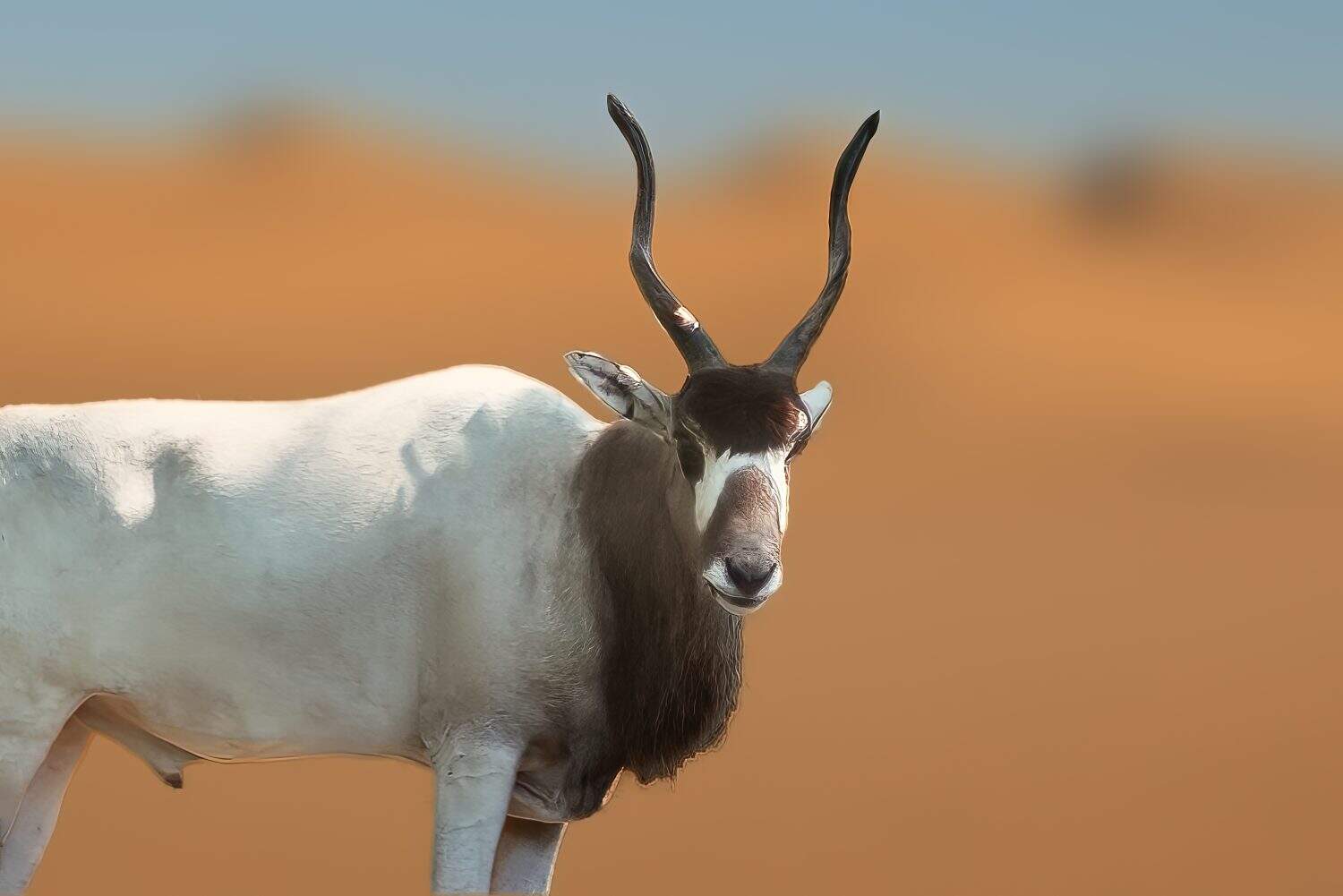
Addax Antelope
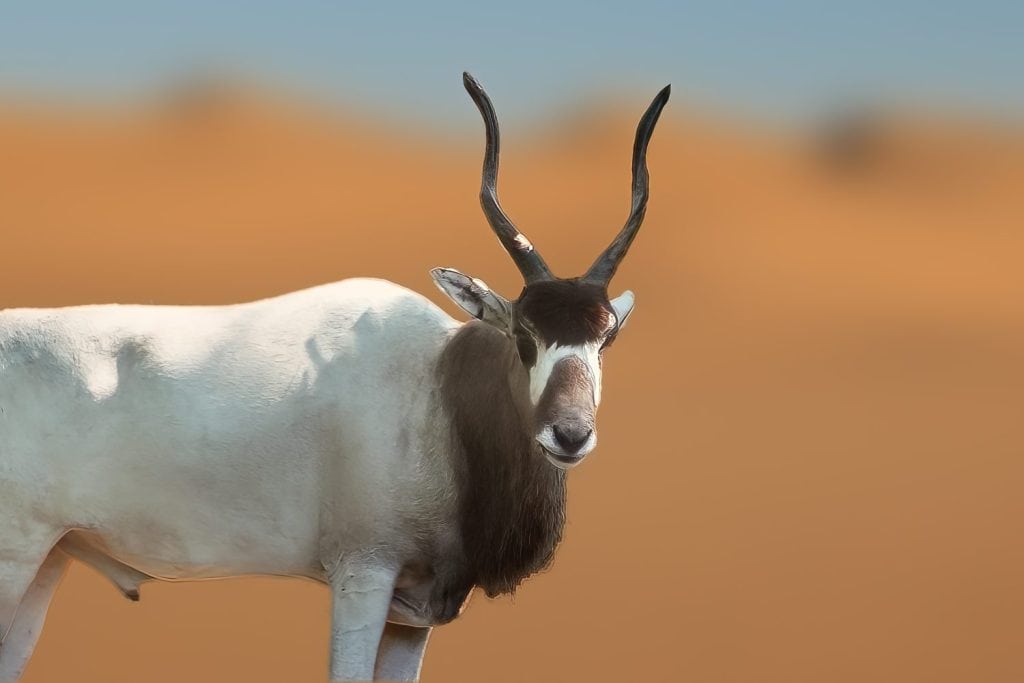
©Diego Grandi/Shutterstock.com
The addax antelope is one of the most desert-adapted mammals in the world. Having evolved in the Sahara, it can survive almost entirely on moisture taken from desert vegetation. Its pale coat contributes to its survival by helping to reflect sunlight, thereby reducing water loss. The animal also saves the majority of its activity for the cooler nighttime hours. In a habitat where liquid water is hard to come by, these adaptations are lifesaving.