
Quick Take
- Wildlife crossings sound modern, but the concept is centuries older than you'd expect. The original purpose had nothing to do with highways. Explore the history →
- 25,000 vehicles a day slice through a federally protected wildlife corridor, and the animals most at risk are not the ones you would guess. See the corridor risks →
- Former rescue dogs are now doing something field biologists can't do alone, and the reason why changes how scientists track entire animal populations. Meet the rescue dogs →
- Building a wildlife crossing in the wrong spot can render the whole project useless, so researchers rely on an unconventional method to get the location exactly right. How locations are chosen →
Animals that live in the southeastern desert of California might know that danger lurks on the nearby roadways, even if they don’t realize why. What they probably don’t know, however, is that scientists and government agencies are hard at work to reduce that danger. In the coming weeks, several organizations are planning to track wildlife near State Route 62 to see exactly how these creatures navigate the area. The researchers will rely on dogs to pinpoint these animals’ exact movements.
Scientists typically look for clues to track the movements of wild animals, which can sometimes be unpredictable. This time, however, they are employing former rescue dogs to sniff out wildlife scat. In tandem, a field biologist will collect the matter and test it. Once DNA is extracted, the researchers will be able to understand the subtle movements of creatures in the area. Consequently, this will help them build wildlife crossings that ensure animals can find safe passage across a busy highway. Let’s learn more about this ambitious research project, how it will be conducted, and what the various researchers and organizations hope to do with the results.
Wildlife Crossings
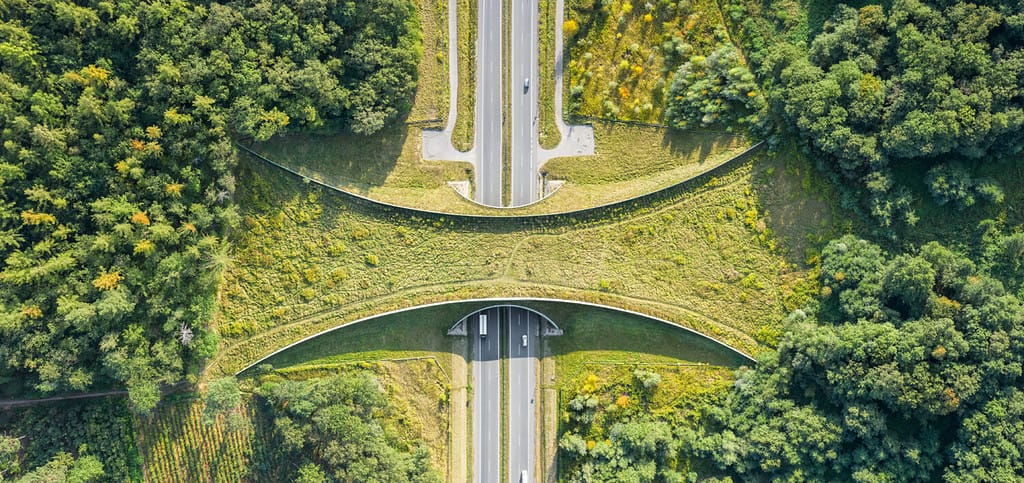
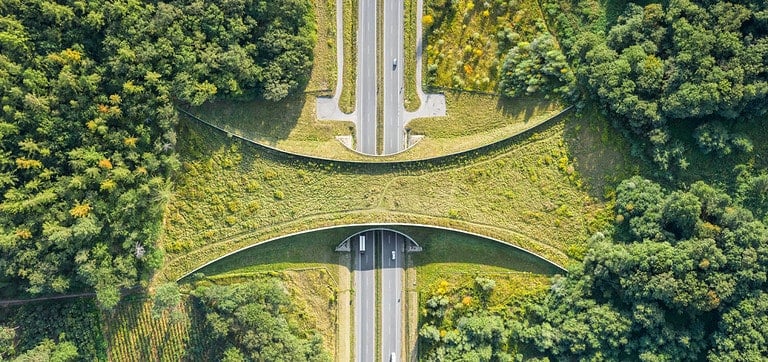
Wildlife crossings were first created to help fish pass through dammed waterways.
©Sergey Dzyuba/Shutterstock.com
The idea of building wildlife-friendly passages through human-developed areas seems like a new concept to some. In reality, the idea first appeared several hundred years ago. The first reports of primitive wildlife crossings come from 17th-century France. Back then, people used bundles of wood to create steps in channels for fish. In 1837, Richard McFarlan of Canada patented a crossing for fish to bypass a dam at his lumber mill. The idea spread, and the first fish ladder in the United States was built in 1880 on the Pawtuxet Dam.
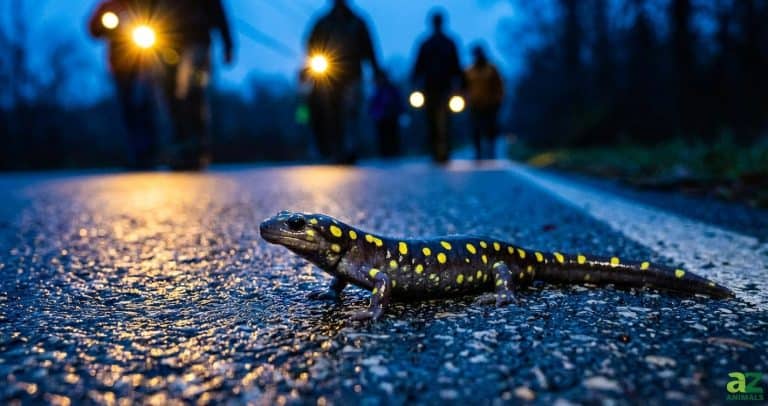
The 21st century has seen this novel idea put into widespread practice. Thousands of wildlife crossings have been built across the United States in the last three decades. The protections they provide range from ensuring safe passage for bighorn sheep to safeguarding the movements of Florida panthers. Even amphibians are in the mix; two tunnels currently exist in Amherst, Massachusetts, to protect salamanders as they cross a busy street to get to their vernal pools.
California State Route 62
Estimates put the number of annual visitors to Joshua Tree National Park at three million. Most take State Route 62 to get there. On average, 25,000 vehicles travel along this highway every day. This puts local wildlife like bighorn sheep, mountain lions, and black bears at increased risk of injury or death. State Route 62 also bisects Sand to Snow National Monument, which was designated in 2016 to protect a continuous wildlife corridor.
This corridor runs from the San Gorgonio Wilderness to Joshua Tree National Park. Consequently, any animals that try to traverse this corridor are forced to cross the busy highway, putting their safety at serious risk. Therefore, several organizations have come together to provide a safer solution for animals in the area.
October 2026 Study
This month, Wildlands Network and the Mojave Desert Land Trust will collaborate on a study. Researchers will collect genetic data on mountain lions, desert bighorn sheep, and bobcats to determine where wildlife crossings should be built across State Route 62.
Constructing such crossings requires considerable investment, so the details matter. As Christina Aiello, a wildlife biologist at Wildlands Network, said in a press release, “We can gain insights about when these actions produce the results we want and when they don’t, we can determine what changes are needed to improve the outcomes – we owe it to the community and the stakeholders involved to do this right and learn as much as we can in the process.”
To collect all this data, researchers and conservationists are enlisting the help of Rogue Detection Teams. This organization gives former rescue dogs a new lease on life by training them to help scientific progress. For the proposed wildlife crossings on State Route 62, Rogue Detection Teams will have dogs find wildlife scat. A field biologist will work in tandem with the dogs to find and catalogue scat. Finally, it will be sent to labs for DNA extraction. This will tell the researchers exactly what animals are moving across the Mount San Gorgonio to Joshua Tree National Park corridor and how.
Future Plans

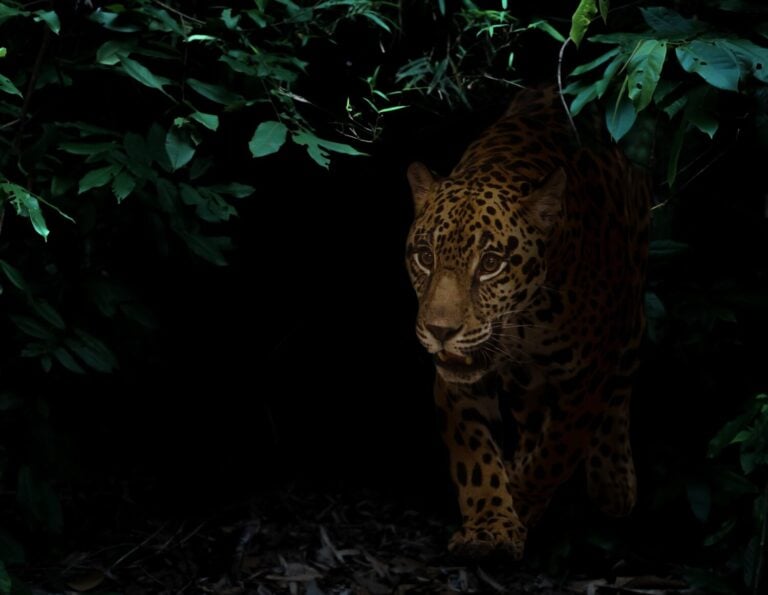
The Mojave Desert Land Trust plans to bring 65% of wildlife crossing projects to design completion over the next three years.
©trekandshoot/Shutterstock.com
This scat-derived data will inform the construction of wildlife crossings. It will also be shared with the California Department of Fish and Wildlife, the National Park Service, and the Bureau of Land Management.
Over the next three years, the Mojave Desert Land Trust will bring wildlife crossing projects to 65% design completion. The two overpasses planned for choke points along State Route 62 are just the beginning of an ambitious plan to ensure the safety of wild animals in the area.