
Quick Take
- Scavenging birds' most useful ecological trait is also what makes them uniquely dangerous as disease vectors, though the connection between the two is not at all obvious. How scavengers spread disease →
- Researchers chose New Zealand for a specific geographic reason that makes it the perfect place to catch viruses traveling halfway around the world. Why New Zealand was chosen →
- The virus count from just 31 bird species defied expectations, and some of what hitchhiked along wasn't even a bird virus. See what the study found →
- H5N1 wasn't found in the samples, but scientists say that's not the reassurance it might seem. H5N1 absence explained →
Birds travel far and wide, but every contact leaves a trace. For better or worse, birds that land in one part of the world bring things with them from other parts of the world. Their movement can disperse seeds and help maintain biodiversity, but it can also spread disease. Growing concerns over the spread of illnesses like bird flu prompted researchers to examine exactly what viruses scavenging birds carry across the world. It turns out they carry quite a lot of viruses.
A new study led by researchers at the University of Otago–Ōtākou Whakaihu Waka in New Zealand analyzed wild birds that engage in scavenging behavior. They found that these birds carry a variety of things with them on their flights across the world, including viruses. Samples from 31 wild bird species yielded traces of at least 118 avian viruses, including 107 novel species. Remarkably, some of these viruses had close genetic relatives from as far away as Russia and the United Arab Emirates. Below, we explore this new study, what the researchers found, and how the results can inform future strategies for managing the spread of deadly diseases.
Continue reading
Scavenging Birds
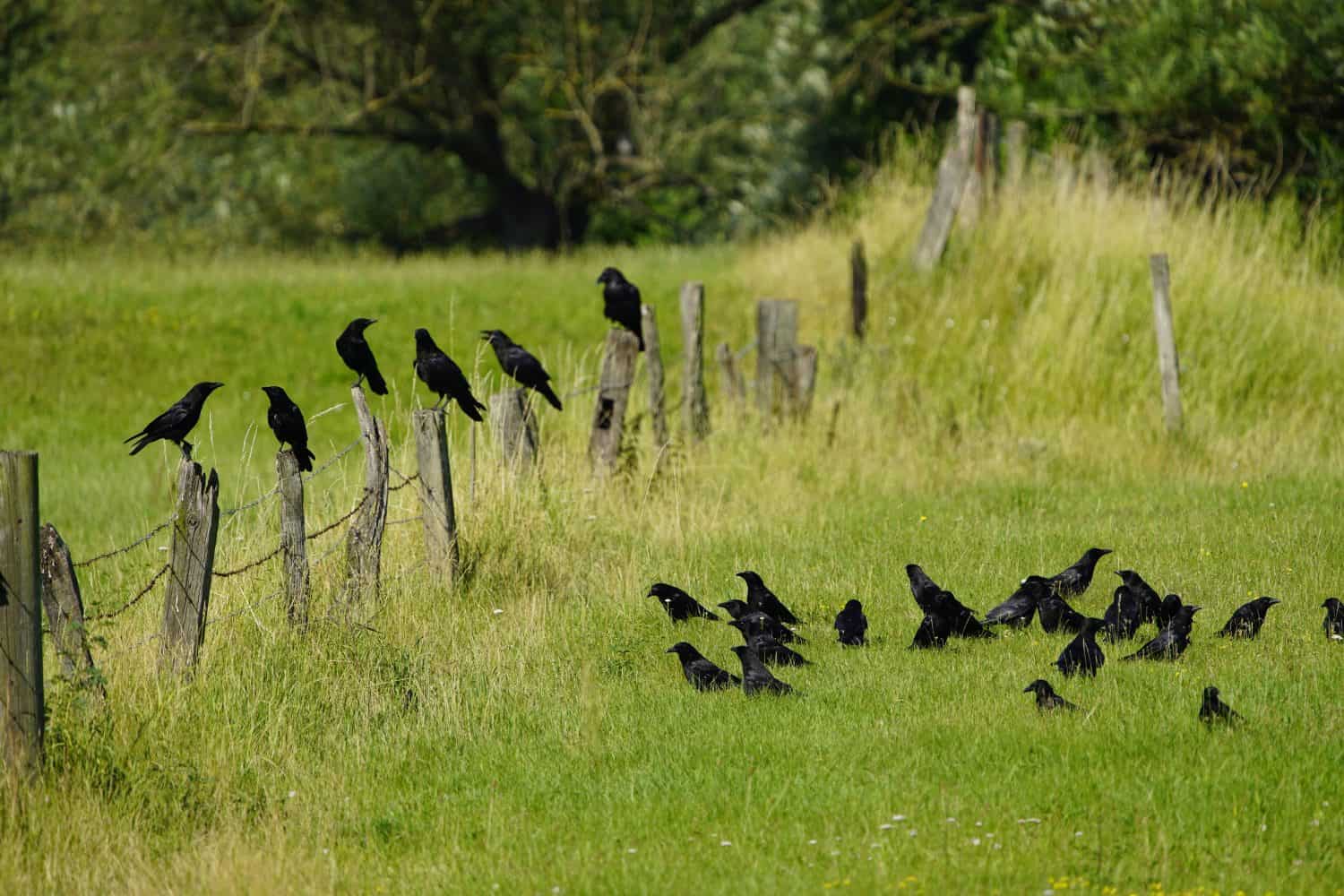
Scavenger birds like crows keep ecosystems clean, but often transmit viruses and deadly pathogens to other places in the process.
©guentermanaus/Shutterstock.com
Different birds engage in different food acquisition tactics. Some species feed mainly on plants, fruits, or seeds, while others consume animal matter. Scavenging birds eat both. They are among the most adaptable birds on Earth, capable of changing their food preferences as environmental circumstances shift.
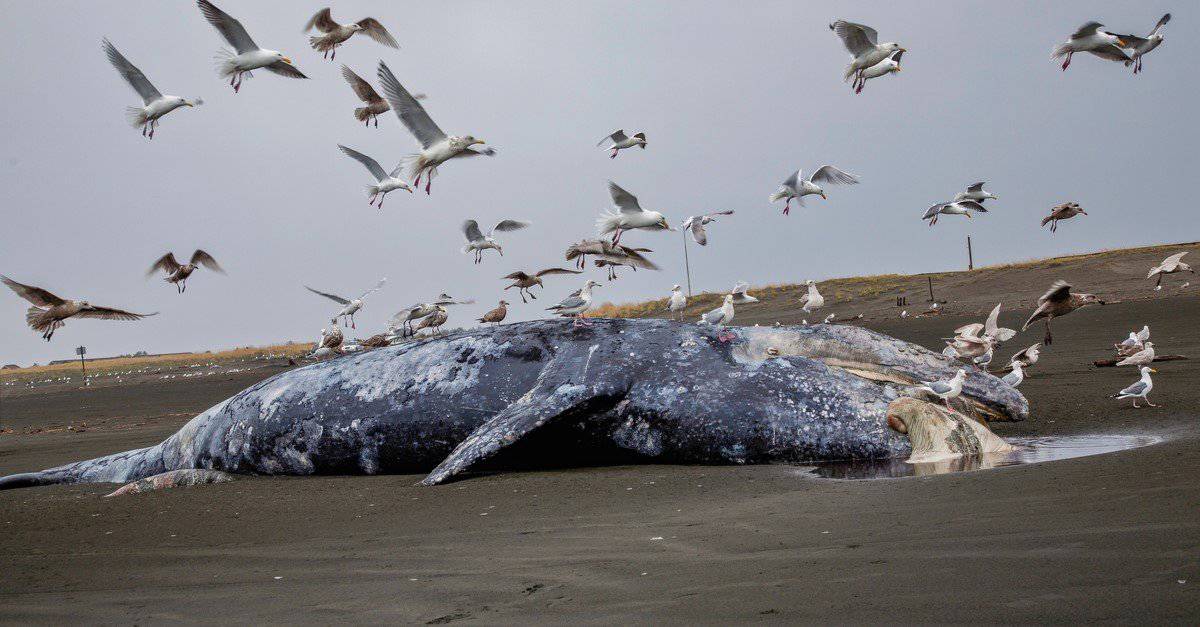
While birds of prey scavenge, other species like crows and seagulls rely primarily on scavenging to acquire food. Think of them as nature’s cleanup crew, ever-ready to pick through trash, waste, and leftover animal parts. This behavior is actually quite beneficial, as it breaks down organic matter and keeps environments clean. Even old, rotting meat is no match for the stomachs of some of these scavenging birds, as their powerful digestive acids can destroy pathogens and bacteria that would easily kill other animals.
Scavenging birds help clean dirty areas and reduce the presence of viruses and diseases. However, this behavior often results in pathogens and viruses transferring from the environment into their bodies. When these birds make extended flights across the world, they bring the viruses with them.
Viral Incursions
In recent years, fears have grown regarding the spread of highly pathogenic viruses like avian influenza (bird flu). To better understand how these viruses spread and how far they travel, researchers at New Zealand’s University of Otago–Ōtākou Whakaihu Waka studied wild scavenger birds that visit the island.
It’s known that birds spread pathogens across long distances, but scientists don’t have a full picture of the impact ecological drivers have on the diversity and transmission of viruses. Fortunately for the researchers, their location provided a unique look into this migration of sickness. As lead author Dr. Stephanie Waller explained to Phys.org, “Aotearoa New Zealand is uniquely placed to address this knowledge gap as it’s geographically isolated but has international connections thanks to birds migrating from East Asia, Australia, and Antarctica.”
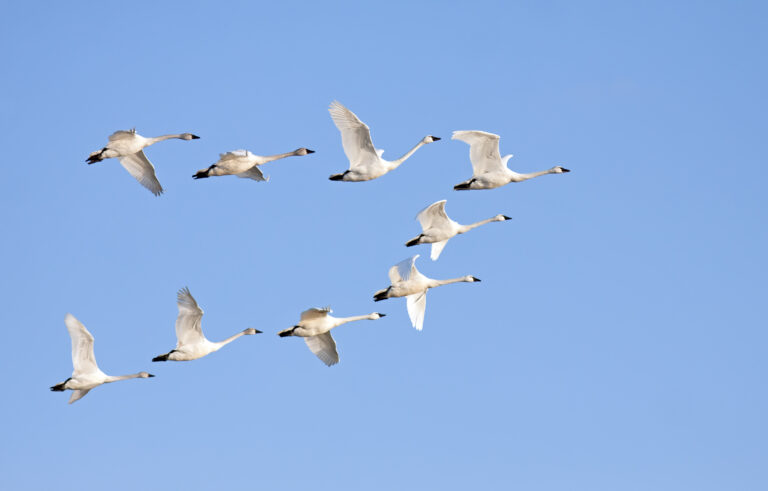
Indeed, this area of the world hosts over 200 avian species that travel from far-away places. Migratory birds reach New Zealand via the East Asian-Australasian Flyway and from Antarctic regions. The recent detection of H5N1 bird flu in New Zealand prompted the research team to see exactly what kind of pathogens migratory birds were bringing to the island.
The Findings
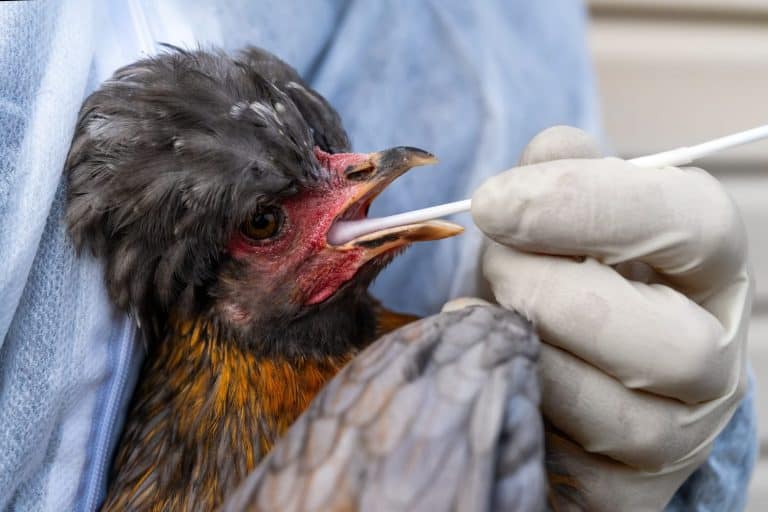
As explained in the study, published in the journal Current Biology, the research team collected 683 cloacal and 665 oropharyngeal swabs from 31 wild bird species spanning four avian orders. To focus on viruses likely to infect birds, the team excluded those associated with invertebrates, plants, fungi, and bacteria. Even with this narrower focus, they found a surprising diversity of viruses traveling with wild migratory birds.
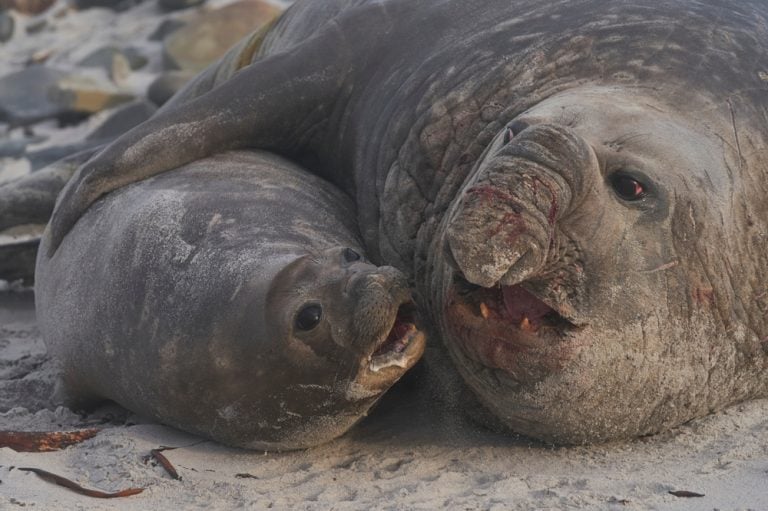
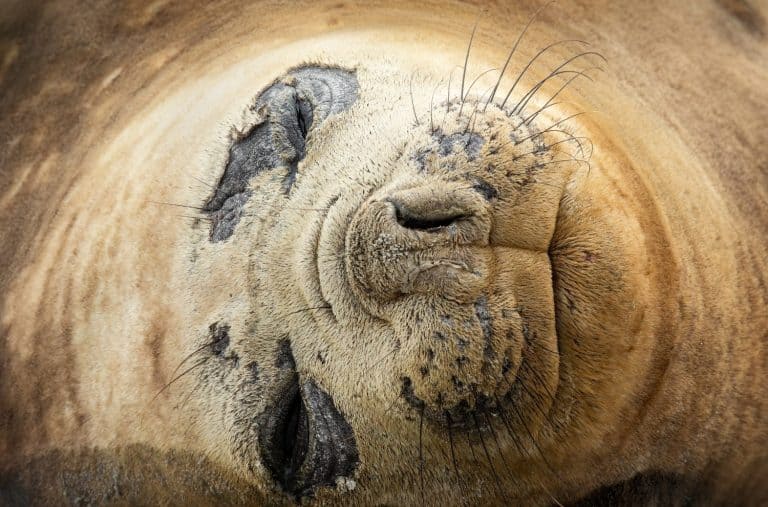
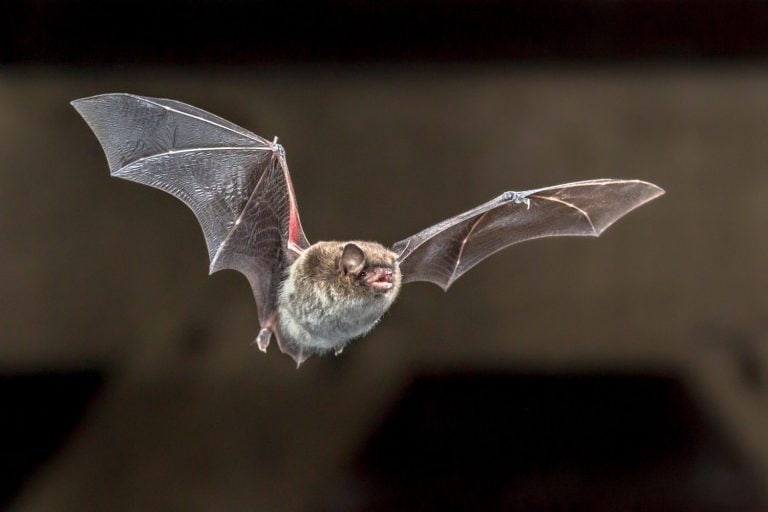
They found 118 avian viruses, including 107 novel species. Some of these viruses were closely related to viruses typically found as far away as the United Arab Emirates and Russia. Furthermore, the researchers found 12 mammalian-associated viruses, including ones associated with rabbits, hedgehogs, and even sea lions.
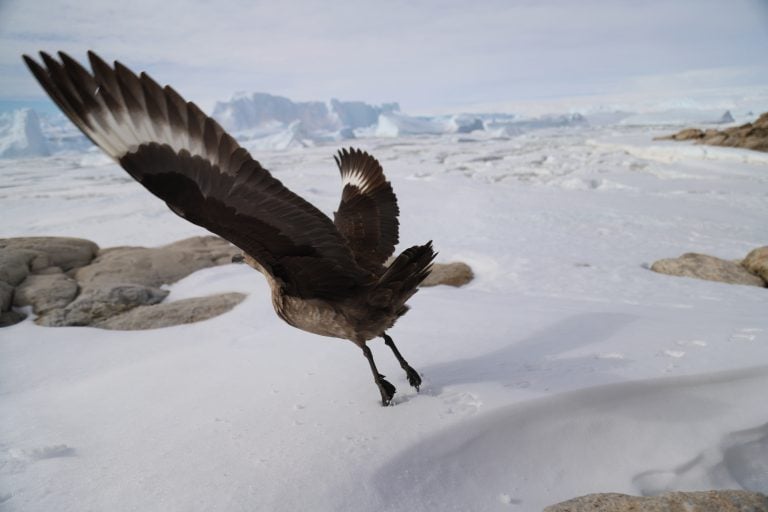
As lead author Dr. Stephanie Waller explained to Phys.org, some species hosted a surprising number of viruses. She said, “We found scavenging birds and opportunistic scavengers—such as southern black-backed gulls and subantarctic skuas—had more diverse viromes than non-scavengers, highlighting their exposure to viruses across the food chain.”
Bird Flu Busters

Studies like this one help inform better ecological management practices for slowing the spread of deadly viruses like H5N1.
©Pordee_Aomboon/Shutterstock.com
Scavenging birds are among the few creatures that deal with leftover waste, but their behavior and high mobility make them useful sentinels for detecting viruses. These sentinel species are becoming increasingly important as viruses like bird flu spread around the globe.
As Dr. Stephanie Waller explained to Phys.org, the lack of H5N1 in the samples doesn’t mean it’s not around. She said, “That is especially relevant for viruses such as H5N1. Although H5N1 wasn’t detected in this study because the samples were collected before its arrival in New Zealand, targeted surveillance of scavenging species could provide an important early warning of its presence and help us understand how it is moving through wildlife populations.”
Studies like this one are invaluable for ecological management and wildlife conservation. This is especially true for protecting vulnerable endemic species from viruses introduced to their environments from the other side of the world.