
Wisconsin is a beautiful state to live in; however, the most annoying insects also call this place home. Sometimes it can be challenging to enjoy the great outdoors when you have multiple biting critters to worry about. You would also think that in the colder months you would receive a break from these critters, but no. Insects will find their way into your homes and personal space to keep warm as temperatures drop. They will enter your home via cracks, holes or slip in as you enter through the door. This article will list fourteen of Wisconsin’s most annoying insects and how to prevent them.
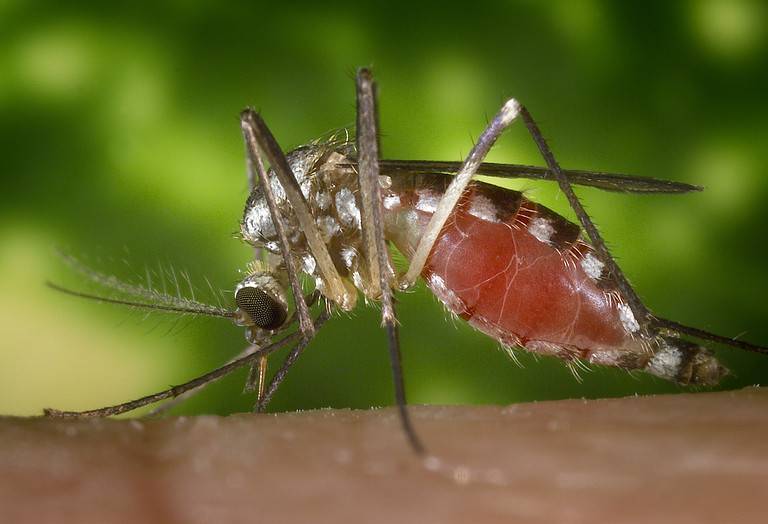
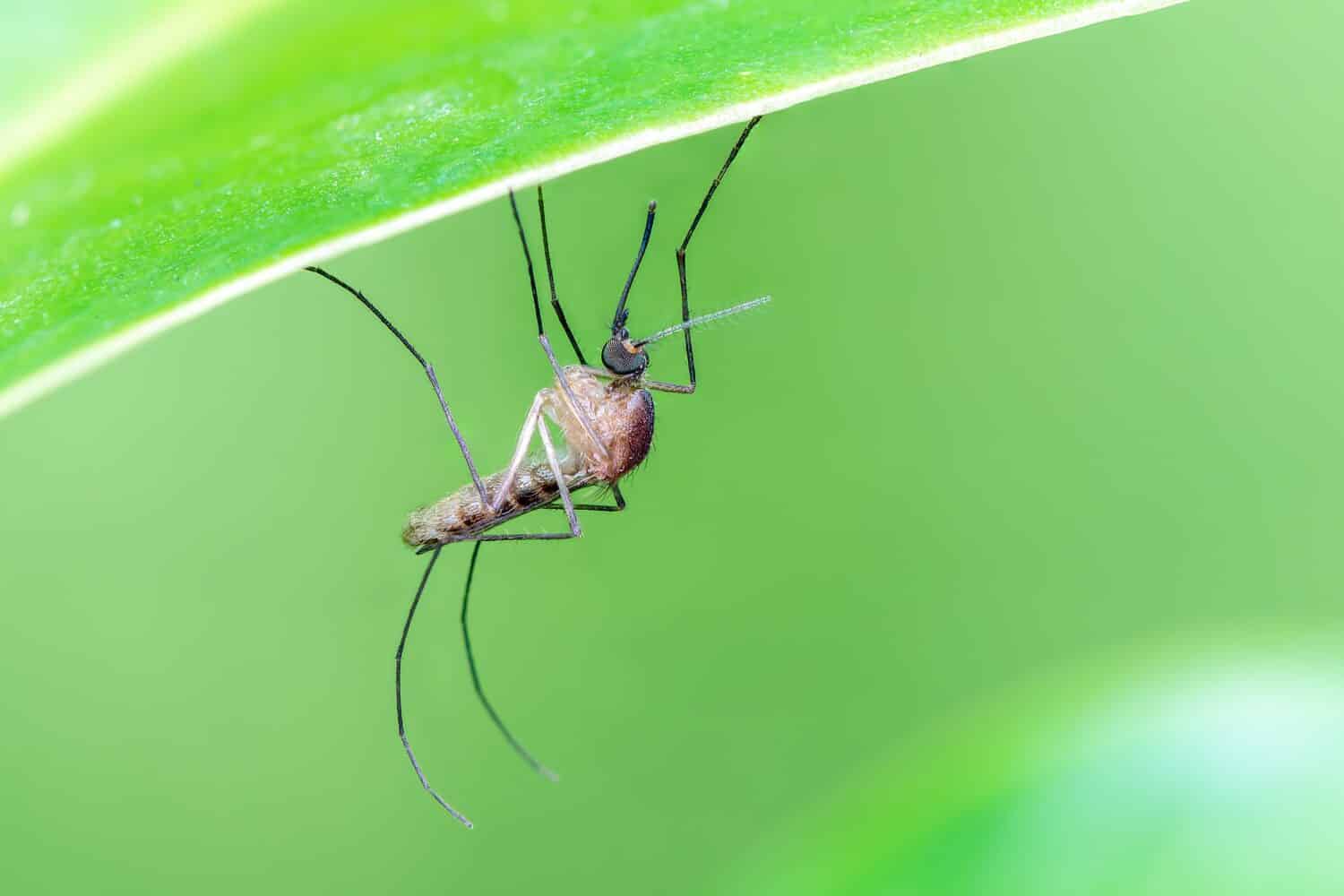
1. Inland Floodwater Mosquitos
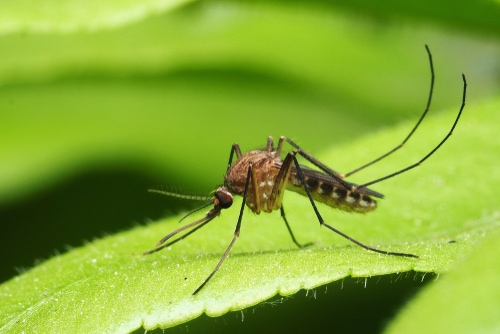
Mosquitos are the number one vector for transmitting heartworms in dogs and cats.
©jiade/Shutterstock.com
This pesky creature can leave itchy, red bumps on your skin after a bite. Some people may experience severe reactions to a mosquito bite because of their saliva. This insect can also transmit disease, parasites, and infections to humans and animals. Preventing these insects from biting can be done by using insect repellant while spending time outdoors and getting rid of standing water around your home.
2. Boxelder Bug

The Eastern Boxelder bug is common to found all over Wisconsin.
©Paul Reeves Photography/Shutterstock.com
These insects will not necessarily bite humans, but are a known nuisance during the early spring and fall time frames. This bug is red and black in appearance and will move indoors during winter inside walls, attics, and basements. If you are a gardner, these bugs can be an inconvenience because they will eat and damage fruit. You can prevent these bugs from entering your home by inspecting for cracks and sealing them. Cutting down maple trees and Boxelder tree will also help keep them away.
3. Ants
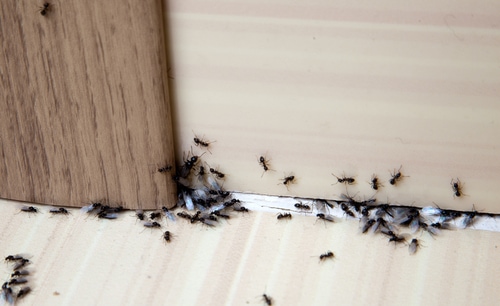
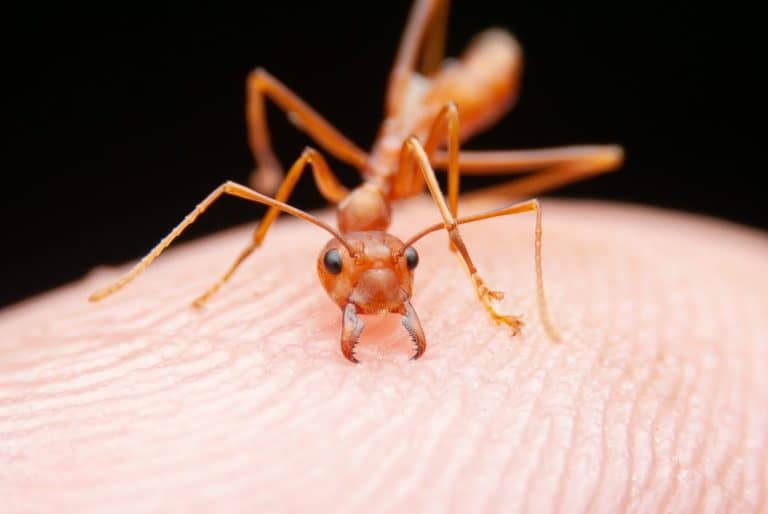
Ants are attracted to crumbs and food left in the sink. Be sure to clean thoroughly to avoid an ant problem.
©Cherkas/Shutterstock.com
In Wisconsin, there are two types of ants, the carpenter and field ant. The carpenter ant can either be brown, black, or yellow. The field ant is either pale-yellow or reddish-brown. Ants can cause damages to structures if high in numbers and can be a big inconvenience. To prevent these insects from entering your home, store mulch, damp wood, and firewood away from your home.
4. Bedbugs
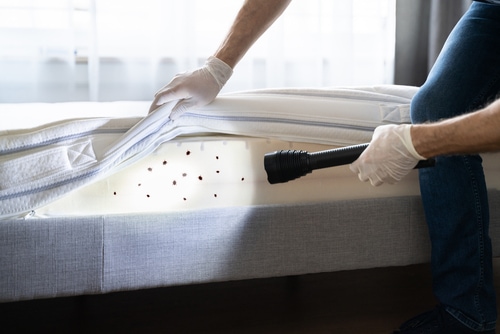
When staying in a hotel, search in between crevices of the bed for any signs of bedbugs before using it.
©Andrey_Popov/Shutterstock.com
Bedbugs are a tiny, reddish-brown insect that can be obnoxious to get rid of. They tend to hitch-hike on clothes or furniture when traveling. Once the insect has hitched a ride, they hide in crevices of mattresses, headboards, and box springs. They tend to feed at night while you are asleep and will leave trails of bite marks on your skin. To prevent these bugs from invading your home, wash clothing after traveling and avoid second-hand items.
5. Brown Marmorated Stink Bug
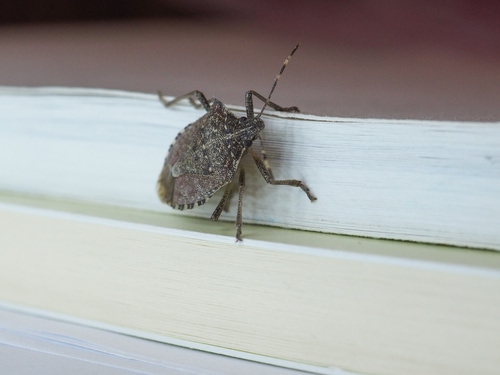
Stink bugs can reach up to 2 centimeters in length.
©Claudio Divizia/Shutterstock.com
The stink bug first appeared in Wisconsin in the year 2010. This insect likes to feed on vegetables and fruits, thus causing this bug can be a huge inconvenience for gardeners and farmers. This insect will release a strong odor when provoked. During winter, the stink bug will invade your home, sheds, or garages to stay warm. To prevent these bugs from entering your home, seal any cracks or holes.
6. Millipedes
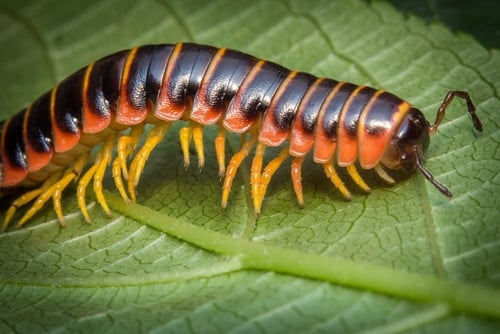
Millipedes do not bite or sting, but do release a toxin to keep predators away.
©Ezume Images/Shutterstock.com
This insect will appear in the late summer and fall time. This multi-legged, hard shelled creature feeds on decaying matter and will congregate under flower pots or damp areas. If found indoors, this insect will die in three days because of the lack of moisture in the home. To prevent these creatures from invading your home remove any decaying matter and seal up cracks.
7. Weevils

Weevils are a type of beetle that can be identified by its elongated snout.
©Uunal/Shutterstock.com
These pesky insects emerge in the summer and fall seasons. Although these creatures do not bite, they will invade the home in large numbers. Make sure to seal any cracks or holes to avoid them from entering.
8. Asian Beetles
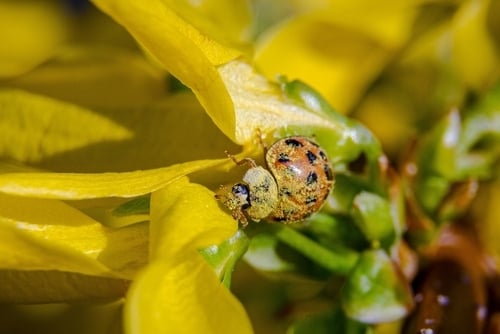
The asian beetle is native to eastern Asia and was introduced to the United States to help control pecan aphids.
©Sara Cibaj/Shutterstock.com
Similar to the stink bug, the asian beetle will release a foul smelling, yellow liquid from their legs when threatened. These bugs can come with red and black spots or orange and tan.
9. Chiggers
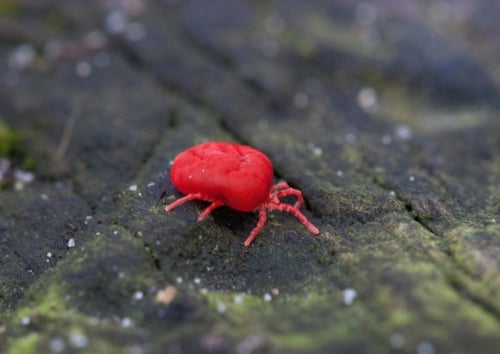
This insect is also referred to berry bugs, bush-mites, red bugs, and scrub-itch mites.
©Matauw/Shutterstock.com
Chiggers can cause intense itching and small red welts on the skin. These creatures often hang out in brushy sites or in long grass. If you plan to hang out in areas with long grass, then you should wear long sleeves or insect repellant.
10. Horse Fly
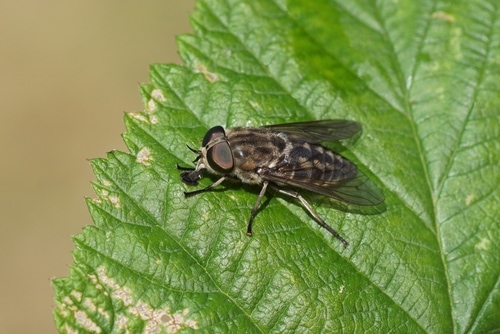
This type of fly is known for attacking horses, but will also make humans their victim as well.
©Thijs de Graaf/Shutterstock.com
Horse flies are not only annoying, but inflict a pretty painful bite. Horse flies are much bigger than the common house fly and average up to 1.25 inches long. They are usually dark-colored with patterned wings.
11. Black Fly
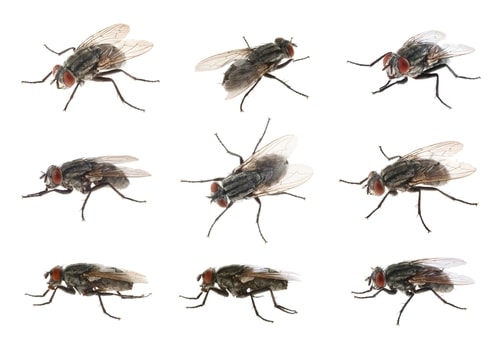
Black flies will bit humans and animals as well. These insects can also transmit infections and diseases.
©New Africa/Shutterstock.com
Black flies love to hang out near wetlands, rivers, and streams. They are dark-colored and are between 0.08 to 0.25 inches long. Flies can be a inconvenience and hard to eliminate due to how much they breed. Invest into fly traps or plants that will eat these creatures to keep them under control.
12. American Dog Tick
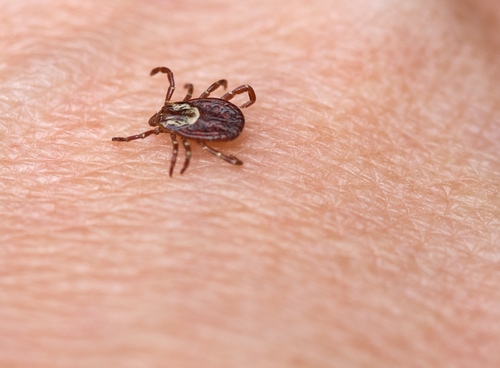
A tick will feed on its host until it is fully engorged.
©Melinda Fawver/Shutterstock.com
The American dog tick can be dark-brown or reddish-brown. These creatures can transmit Rocky Mountain spotted fever and can be found lurking in wooded areas. This type of tick are very active during spring and summer.
13. Deer Tick
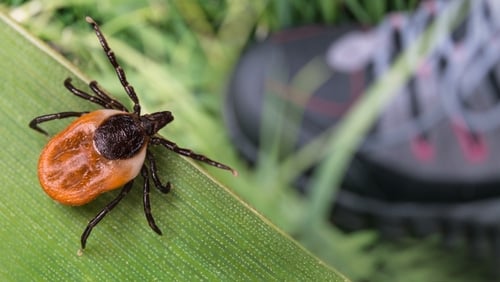
Ticks will hang out on the edge of leaves or grass awaiting for their next host to walk by.
©KPixMining/Shutterstock.com
Deer tick are known for transmitting Lyme disease and Anaplasmosis. Female ticks have a red abdomen, whereas males are dark-brown all over. Similar to the American dog tick, the deer tick is active in spring and fall. Wearing long sleeves, socks, and pants while hiking will help avoid these creatures from latching on to your skin. If you love to take your furry animals on hikes with you, tick prevention will keep these creatures from feeding.
14. Fleas
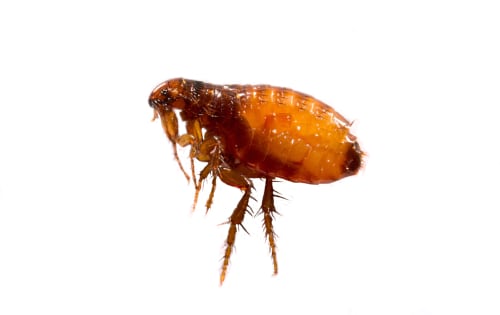
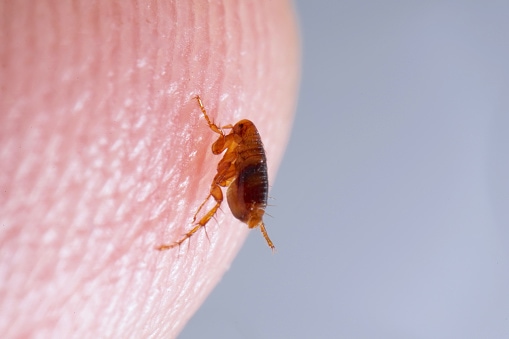
Fleas will jump from host to host looking for their next meal.
©Vera Larina/Shutterstock.com
Fleas will find animals to be their primary host; however, when there are a large number of them, they can become a nuisance to get rid of. These parasites will lay eggs in the cracks of flooring and continue to hatch in large numbers. Fleas typically do not stay on humans, but can will bite for a blood meal. They are responsible to transmitting typhus disease, bubonic plague, and tapeworms. To rid your home of fleas, frequent vacuuming and washing bedding will help break they life cycle. Applying regular flea prevention will prevent these creatures from entering your home and feeding on your furry companions.
| Insect Type |
| 1. Ants |
| 2. Bedbugs |
| 3. Mosquitos |
| 4. Boxelder bugs |
| 5. Brown Marmorated Stink bugs |
| 6. Millipedes |
| 7. Weevils |
| 8. Asian beetles |
| 9. Chiggers |
| 10. Horse flies |
| 11. Black flies |
| 12. American dog tick |
| 13. Deer tick |
| 14. Fleas |
Conclusion
If live in Wisconsin or are visiting, you now know what bugs are the most annoying in this state. The listed insects can be annoying and hard to get rid of, but there are many ways to survive being around these pesky creatures. As you can see, some of Wisconsin insects are looking for a blood meal, whereas others are looking to just be in your space. Make sure to always wear protective gear and perform routine maintenance around your home to keep these creatures from invading your home!