
Key Points
Yes! Dogs are allowed in most national parks but are prohibited from public buildings and other public locations within the parks. The area restrictions do not apply to service dogs.
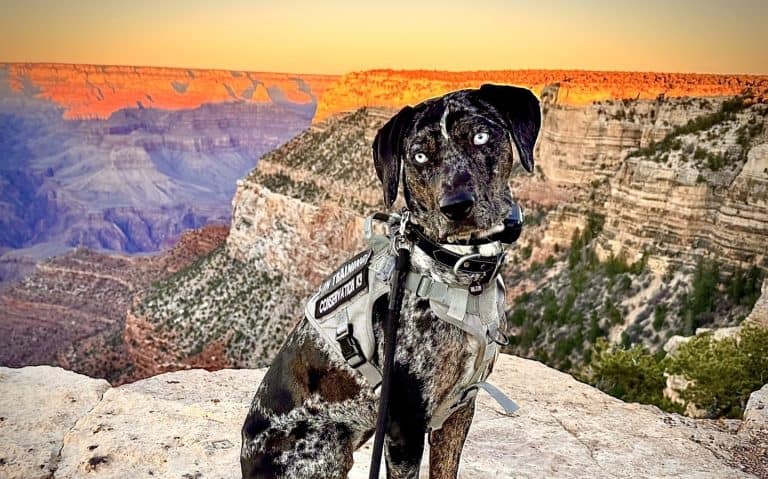
Your furry friends are not only invited to most national parks, but they can also become certified B.A.R.K rangers for following park guidelines.
Though some regulations vary by park, the U.S. National Park Service has multiple guidelines you and your canine companion must follow.
Dogs are our faithful companions, but often, we have to leave them behind when we travel. Artsy museums, fabulous theaters, and most public venues don’t allow our furry family members. So, if you’re looking to explore with your dog, you will likely come up short. However, most national parks happily welcome dogs and even give them a ranger badge of their own.
In this article, we’ll look at the key rules and regulations you and your pooch must follow when visiting a national park. We’ll also cover the places your dog can and cannot go so you can be sure you and your pet are safe and secure.

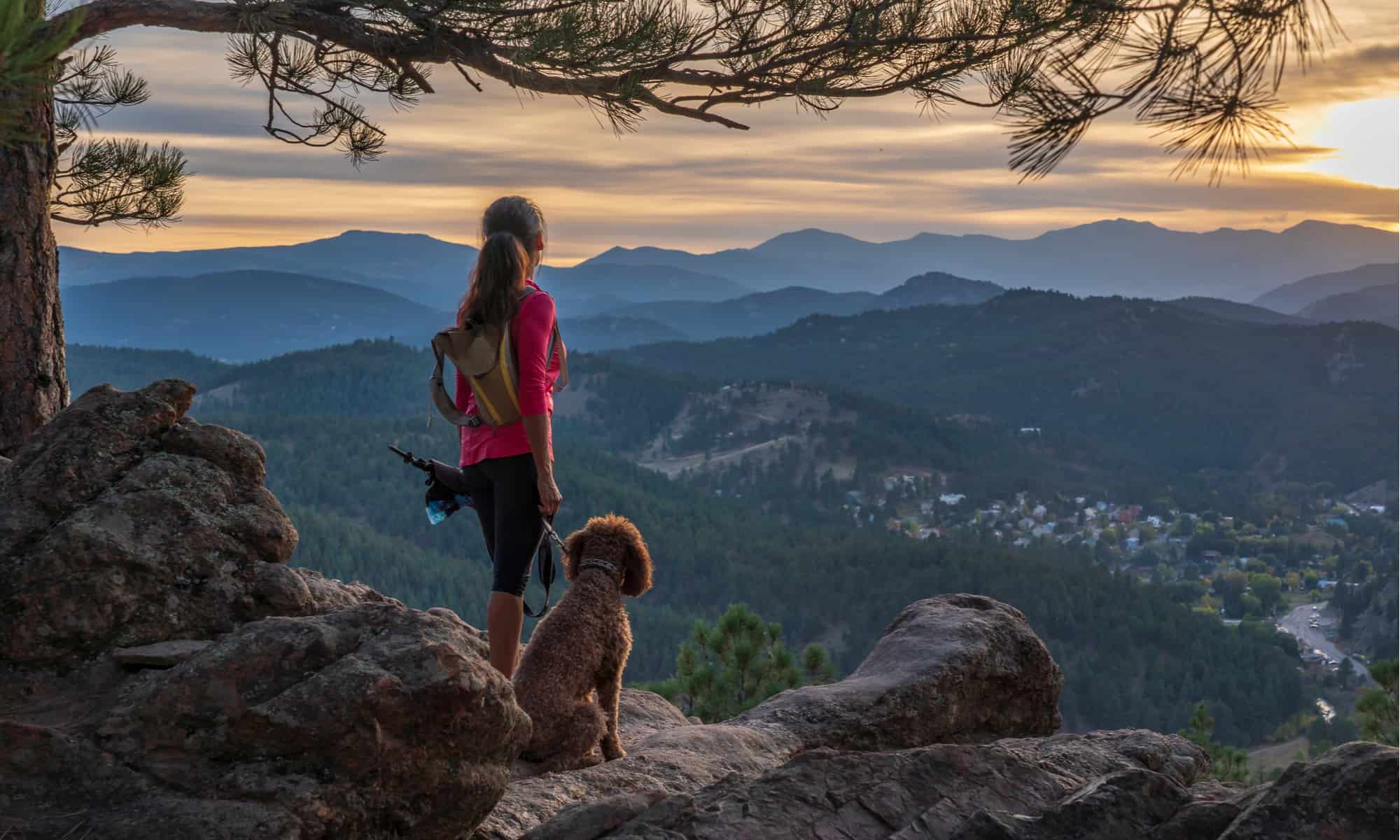
Many parks let your dog accompany you on walks provided you remain in a designated area.
©Christian Mueller/Shutterstock.com
Are dogs allowed in national parks?
Yes! Dogs are allowed in most national parks but are prohibited from public buildings and other public locations within the parks. Boardwalks, informational buildings, public transportation, and beaches are off-limits to dogs. The area restrictions do not apply to service dogs.
What national parks are off-limits to dogs?
Most parks allow dogs in some capacity, but there are cases where your dog must remain in a vehicle at all times. This means that they cannot hike, camp, or walk with you along any terrain. It’s important to note that most parks prohibit dogs from many undeveloped trails. If you’re planning a trip, check out the official map of pet-friendly national parks before you take your dog. Clicking on the park’s icon will take you to that location’s specific pet rules.
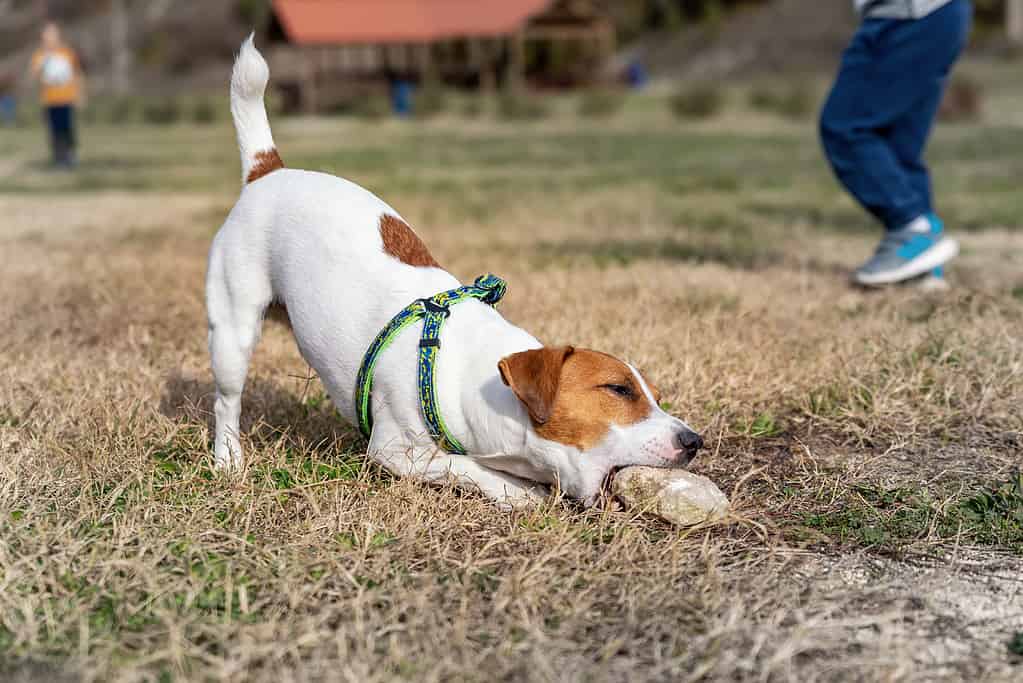
Dogs can have fun, but only if they aren’t disturbing the natural landscape or wildlife.
©Kyryl Gorlov/iStock via Getty Images
What are the U.S. National Park Service’s rules for entering a park with your dog?
The National Park Service has created a list of regulations for you and your dog. Following them can earn your dog a badge, but violating them can result in removal from the park. The following rules do not apply to service animals.
- Dogs must be leashed or contained at all times
- Your dog must stay in your care
- Dogs must not disrupt others with excessive noise
- You must pick up all excrement and leave none behind
- Dogs cannot enter public buildings, transportation, or beaches that are not designated as dog-friendly
Most of the national parks have the same guidelines for pets, but some have additional rules because of the terrain or wildlife. It’s important to check the specific guidelines of any park you wish to visit.
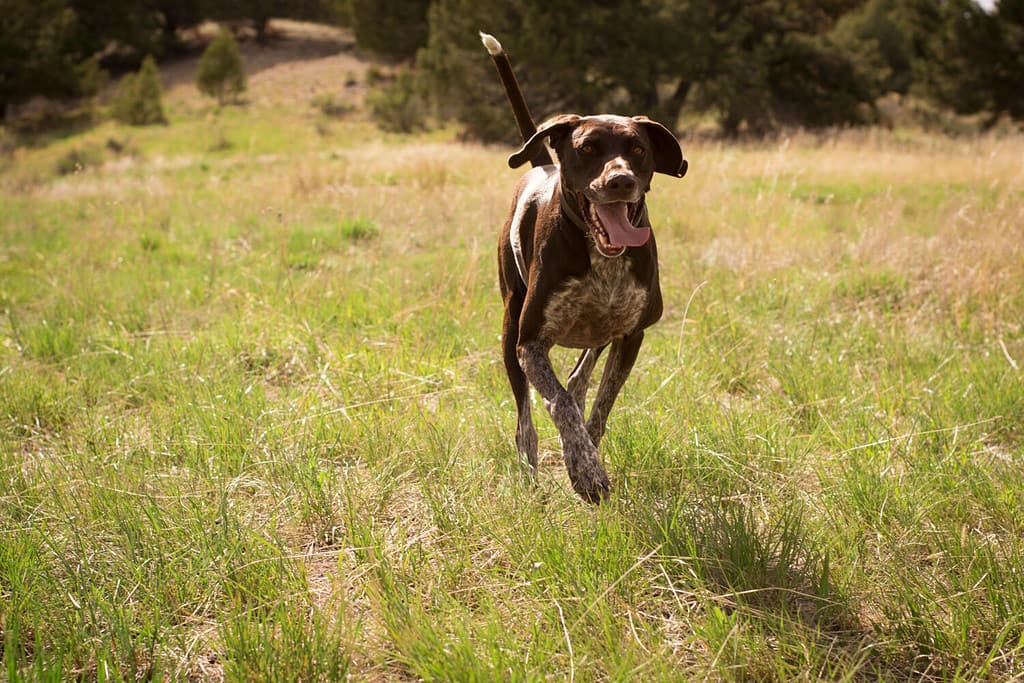
The National Parks Service loves dogs so much that they created a special badge just for your four-legged friend.
©RisingTimber/Shutterstock.com
How can my dog become a B.A.R.K ranger?
The National Park Service has a special badge for your four-legged friend, the BARK ranger badge. Each park has its own program, but all dogs must follow the B.A.R.K principles. According to the official National Park Service website, BARK stands for:
Bag your pet’s waste
Always leash your pet
Respect wildlife
Know where you can go

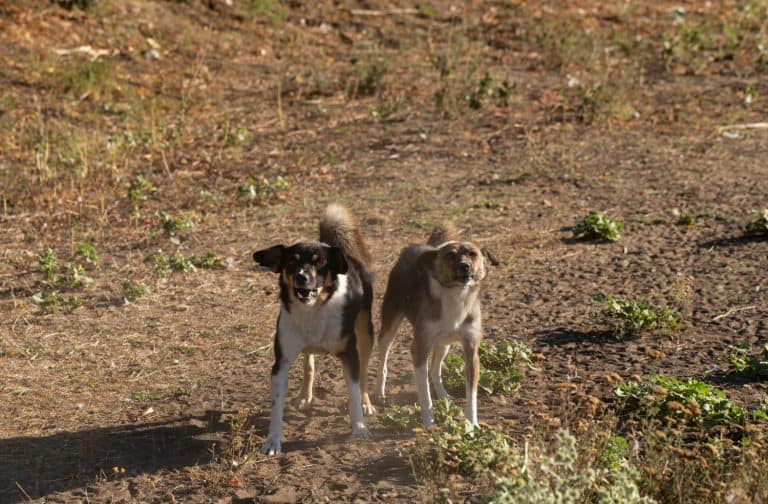
Dogs left unattended may be picked up by park rangers and impounded.
©Karen Dole/Shutterstock.com
What will happen if I do not follow the national park rules and regulations?
There are multiple consequences for not adhering to the National Park Service’s pet rules. For example, if your dog is left unattended and unleashed, they will be picked up by park staff or animal control. Then they will be taken to the local pound where you’ll have 72 hours to retrieve them or they’ll be put up for adoption. Dogs that harm other animals or people will also be removed and possibly put down if they’re deemed a threat to safety.
Obviously, this is a fate every pet owner would like to avoid, so it is critical that your dog remains leashed or contained and by your side at all times.
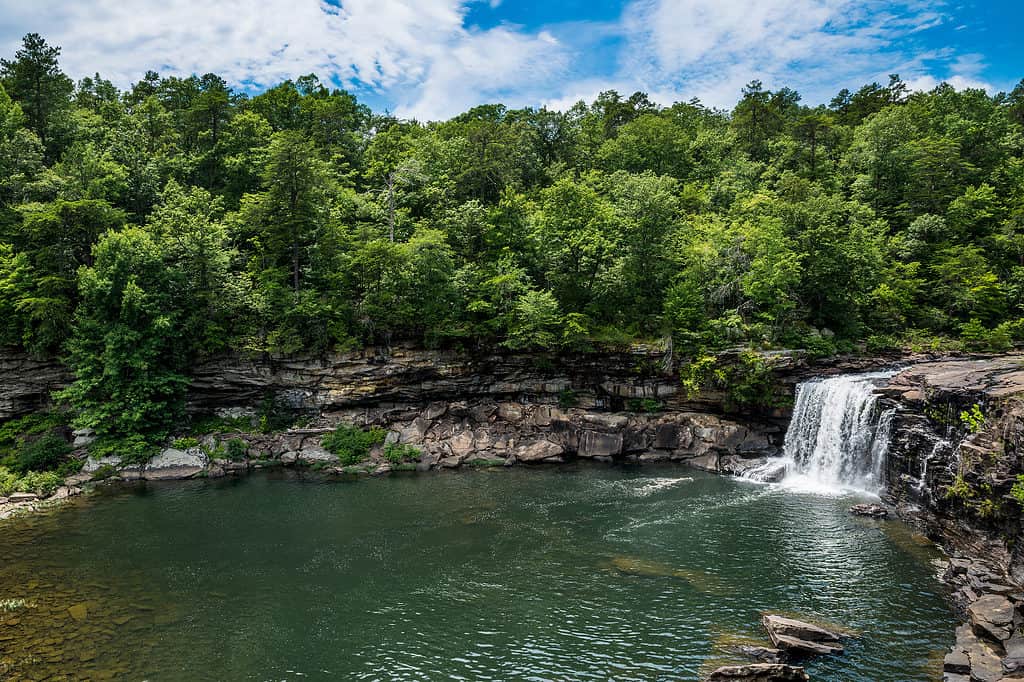
Little River Canyon National Preserve welcomes dogs on any trail.
©iStock.com/RobHainer
What are the most dog-friendly national parks?
Though most of the national parks allow dogs to enter, there are several parks that really roll out the red carpet. Some have special trails designed for you to walk with your pooch. Here are some of the most dog-friendly national parks:
- Tallgrass Prairie National Park in Kansas permits dogs on pet-friendly trails, picnic areas, parking lots, and outside buildings. Four trails are open all year, while two are seasonal due to cattle in the pastures.
- Mississippi National Park has regional parks within its borders, many of which include dog parks where your pooch can run free.
- Little River Canyon National Preserve in Alabama is one of the most dog-friendly parks where your dog can accompany you on any trail and even get an official metal BARK ranger badge for their collar.
- Shenandoah National Park in Virginia allows dogs on many of their trails and boasts over twenty miles of terrain for you and your four-legged train to explore.
- Petrified Forest National Park in Arizona permits dogs on any trail, developed area, or designated pet-friendly area.

There are plenty of ways to play with your dog when you go to a national park.
©bogdanhoda/Shutterstock.com
What can I do with my dog when visiting a national park?
Many parks allow you to walk, hike, and otherwise explore with your dog so long as they are leashed and under your control. There are exceptions for certain parks that have particularly tricky terrain or endangered wildlife. For example, the Canaveral National Shoreline in Florida welcomes pets near the lagoon, on trails, and other areas off the beach but are prohibited from being on the beach or boardwalks. Some parks, like the Mississippi River Park, include regional parks that have off-leash dog parks. So, it’s best to check the park’s official page for pet regulations to find out what you can do with your pooch. If hiking or camping with your pet is important, you’ll want to avoid parks that are less pet-friendly.
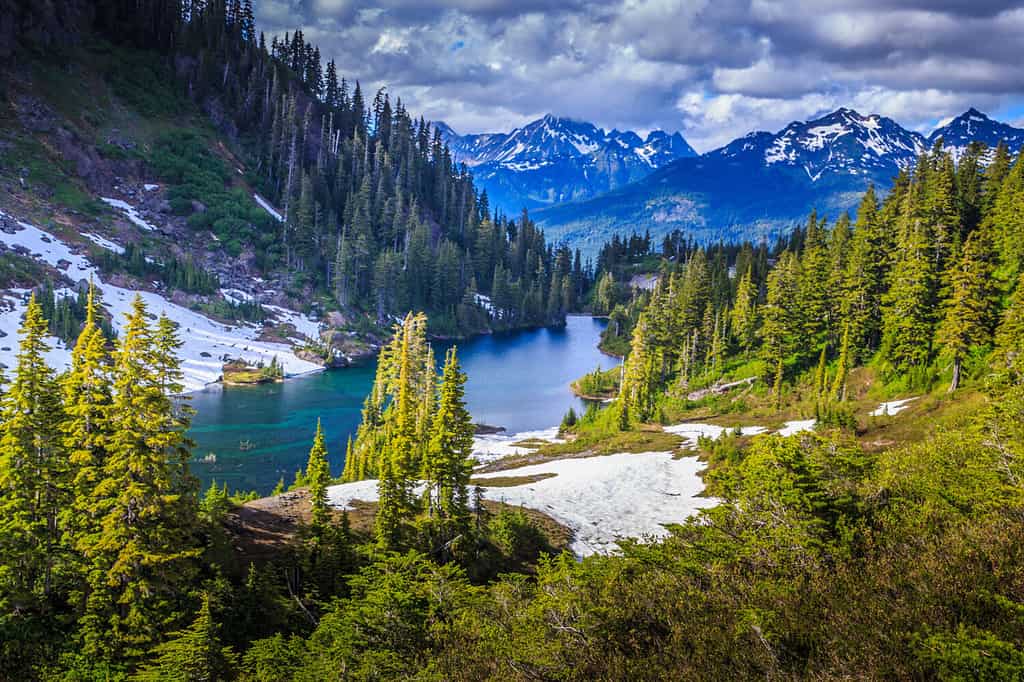
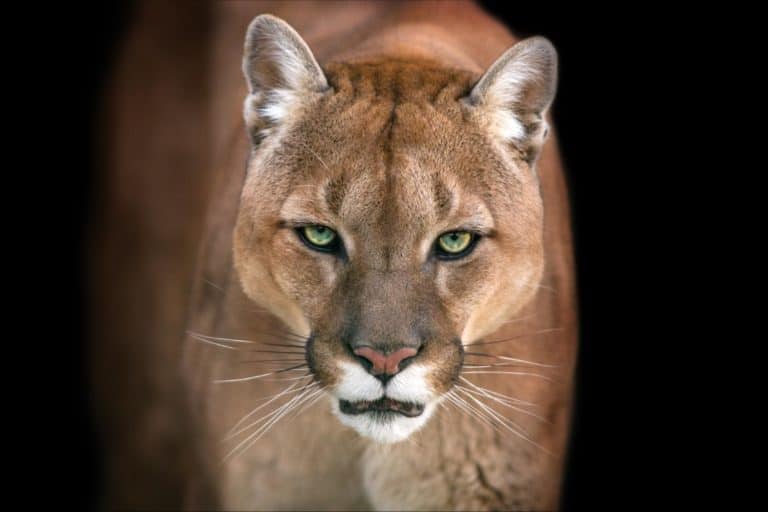
Glacier National Park does not allow dogs to walk any trail.
©Vaclav Sebek/Shutterstock.com
What are the least dog-friendly national parks?
The least dog-friendly national parks are ones that have terrain and wildlife that is unpredictable and unsafe for pets. Other concerns are for the natural landscape which can be disrupted by even the gentlest of canine companions. According to the National Park Service, the scent of dog urine alerts nearby species that a predator might be in the vicinity. Those species will be less likely to return to their natural habitat if they believe it’s unsafe. To protect your dog and the wildlife of the region, the following national parks have the most restrictions:
- Mount Rainier National Park in Washington does not allow dogs on any trails or wilderness areas.
- Yellowstone National Park stretches across Wyoming, Montana, and Idaho and prohibits dogs from trails, thermal areas, the backcountry, or the boardwalks.
- Big Bend National Park in Texas has heavy restrictions on dogs and they can really only stay in the vehicle.
- Rocky Mountain National Park in Colorado prohibits dogs from trails and most spaces. If you do want to hike or walk with your dog, the NPS suggests going to the Arapaho or Roosevelt National Forest nearby.
- Glacier Park in Montana allows dogs in cars, developed areas, and campgrounds but does not permit them on trails, along the lake shore, or in the backcountry.