
Quick Take
- The man who invented Labradoodles publicly regrets it, and his reason reveals something most owners never consider before buying.
- Labradoodles were popularized as low-shedding dogs, but there's a genetic reason that promise is essentially a coin flip. See the coat lottery →
- Crossbreeding is supposed to make dogs healthier, but Labradoodles are a case where that logic completely breaks down. See why hybrid vigor fails →
- Some professional groomers refuse Labradoodles outright, and their reasoning reveals a lot about what owners aren't warned about upfront. Explore the grooming reality →
Many of the problems associated with labradoodles relate to their breeding, and not to the dogs themselves. Even the man who created this mix, Wally Conron, has said that he regrets it due to the doodle trend it inspired. The high demand for doodles has fueled irresponsible breeding practices, and many of these breeders do not invest in proper health screening. Because Labradoodles are a crossbreed rather than a purebred dog, their traits are highly unpredictable. This means that the specific lineage of a Labradoodle is the main factor in determining whether you get a healthy, well-behaved dog. Ultimately, buying a puppy from a breeder who cannot show you official health clearances for the parents is a massive gamble, whereas a dedicated breeder with a verified, tested lineage will almost always produce a terrific dog.
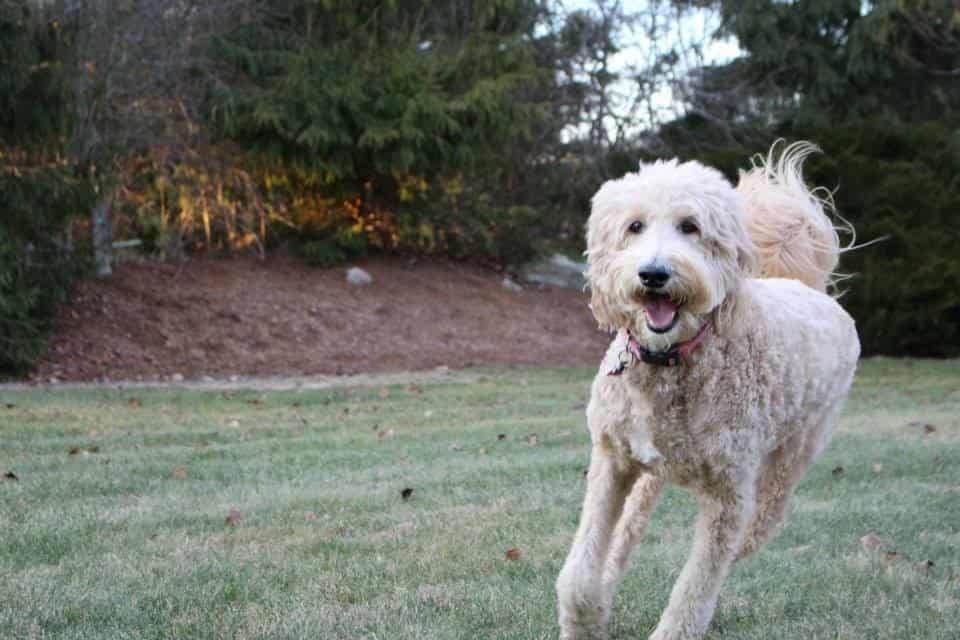
Labradoodle temperaments can be unpredictable since they’re a mixed breed.
Labradoodles Can Shed
Breeding for coat types is complex, and Labradoodles are notorious for having unpredictable, varied coats that can differ widely even among puppies in the same litter. All dogs shed to some degree. Poodles have hair that continuously grows and rarely sheds, while Labradors have a double coat that sheds heavily. When crossed, a puppy can inherit either coat or a difficult-to-manage combination of both.
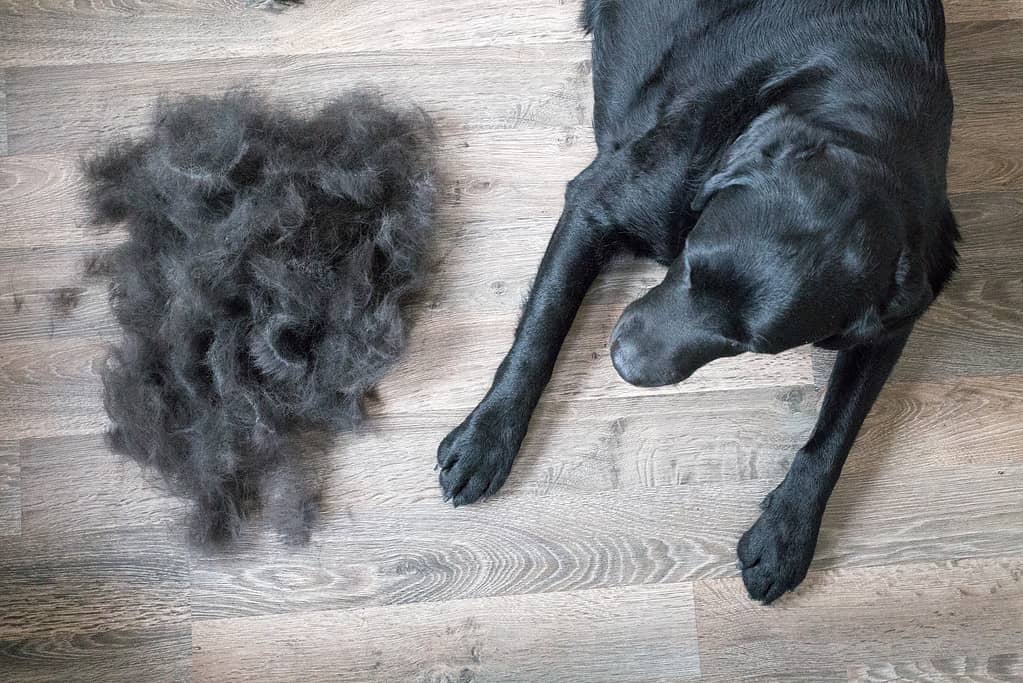
Many labradoodles inherit shedding from their Labrador parentage.
©iStock.com/Oskari Porkka
Unfortunately, breeding a dog with a non-shedding coat isn’t as simple as combining one breed that sheds and one that doesn’t.
Your labradoodle might shed moderately year-round like a Labrador, with heavier shedding seasons in the spring and fall. However, they might be non-shedding like a poodle, or somewhere in between.
Their Coats Can be Hard to Groom
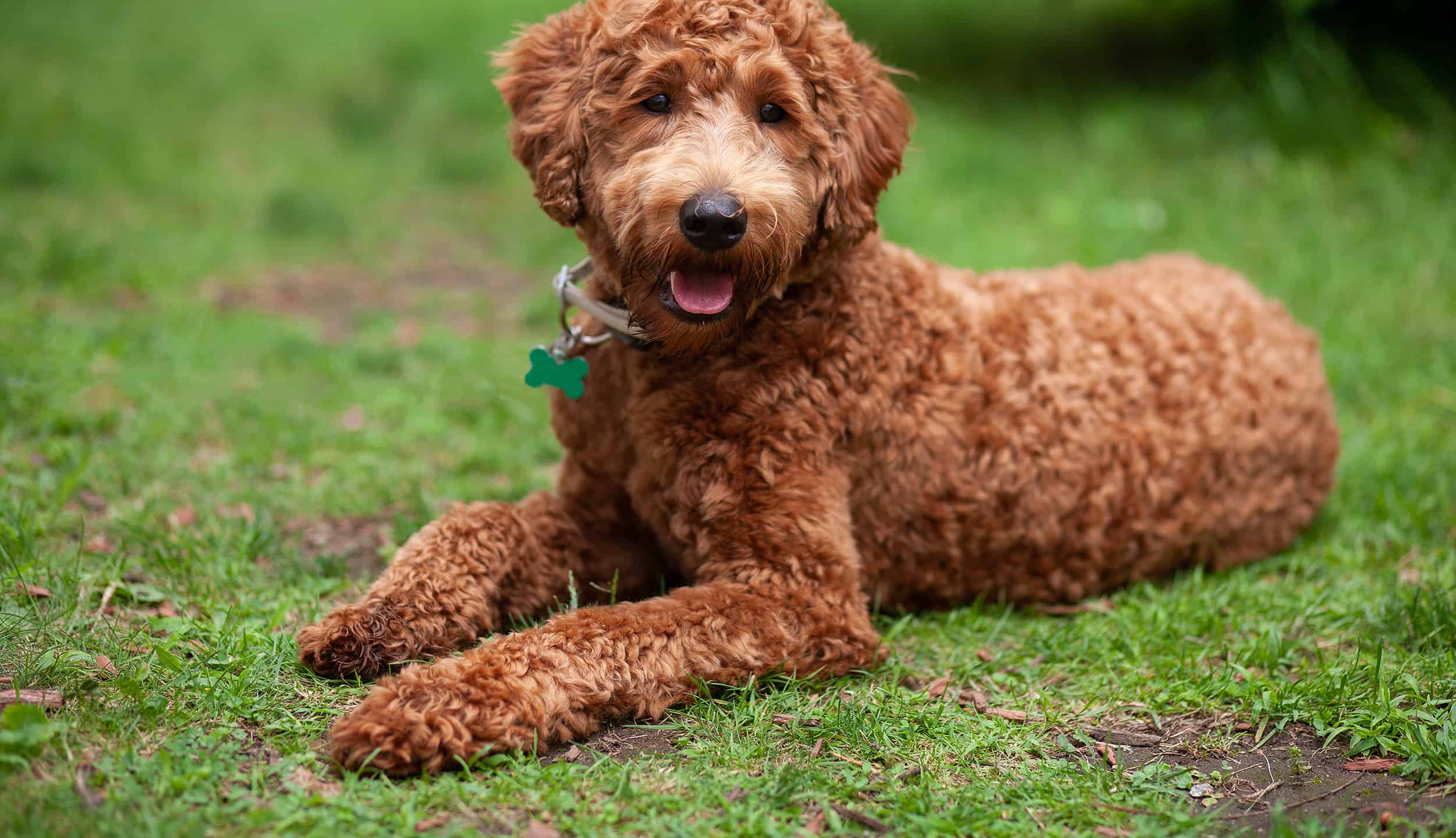
Mixing Labrador and poodle coat types often results in a coat that is even more difficult to groom than that of a purebred poodle. Most owners aren’t prepared for the required upkeep, which can lead to neglected, matted dogs that may experience constant discomfort or pain.
Some dog groomers report refusing to take on labradoodles due to the complexity and time required to maintain their coats.
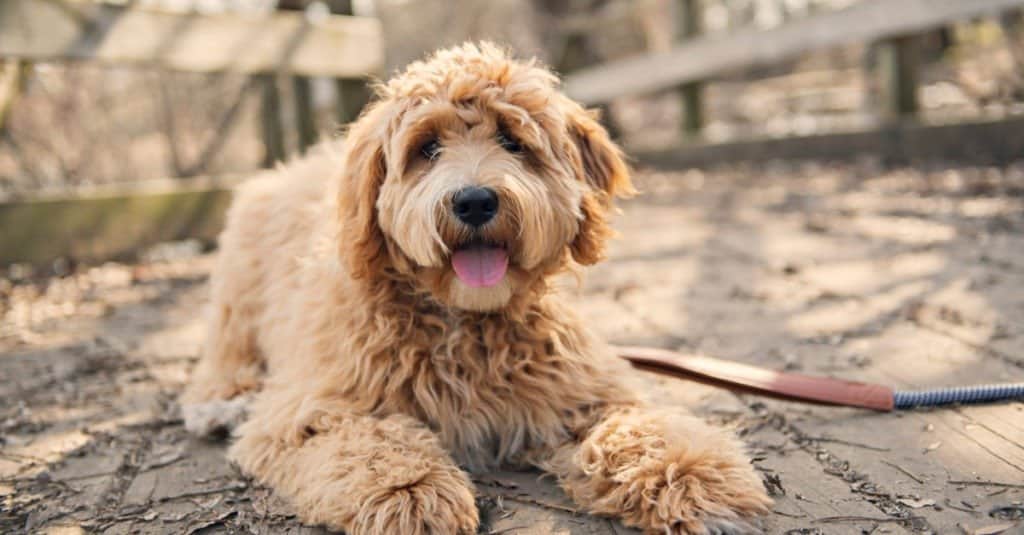
Their curly coats require consistent upkeep.
©iStock.com/LSOphoto
A labradoodle’s coat must be combed down to the skin daily using a technique called line brushing. They should see a professional groomer every four to six weeks, unless you can trim their fur, bathe them, and cut their nails at home.
They’re High-Energy Dogs
A combination of two very high-energy sporting breeds, labradoodles need multiple long, daily walks alongside playtime at home to stay fit and happy. They often become depressed, anxious, or bored when they don’t get enough physical activity.
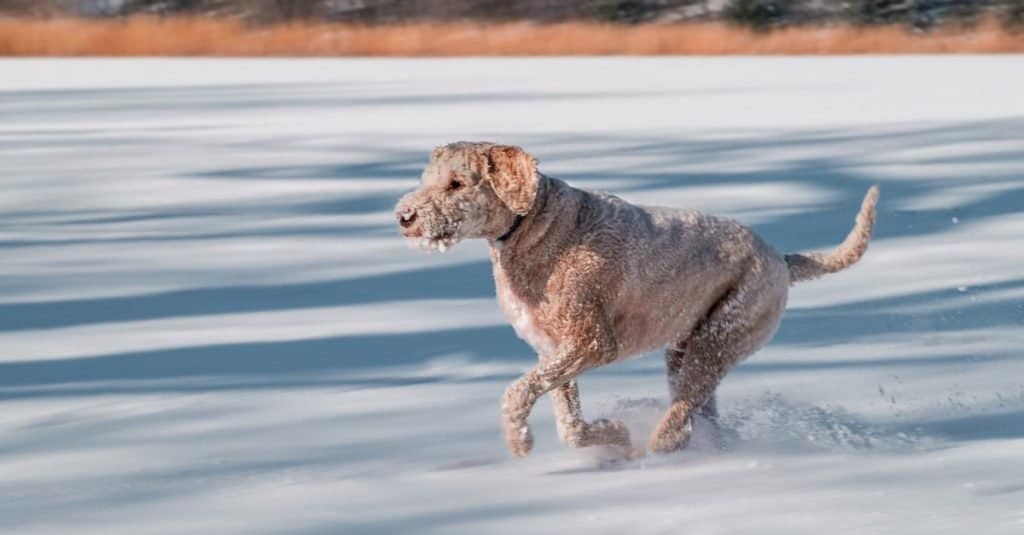
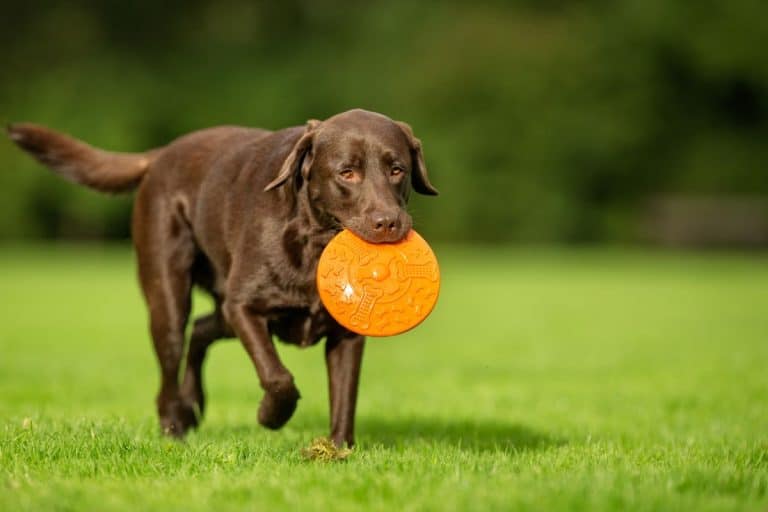
Labradoodles need plenty of exercise each day.
©Josiah Gaulke/Shutterstock.com
Lack of activity can lead to problematic behaviors such as destructive chewing or excessive barking.
Mixed Breeds are Less Predictable
While every dog is an individual, purebred dogs tend to have a more predictable set of traits.
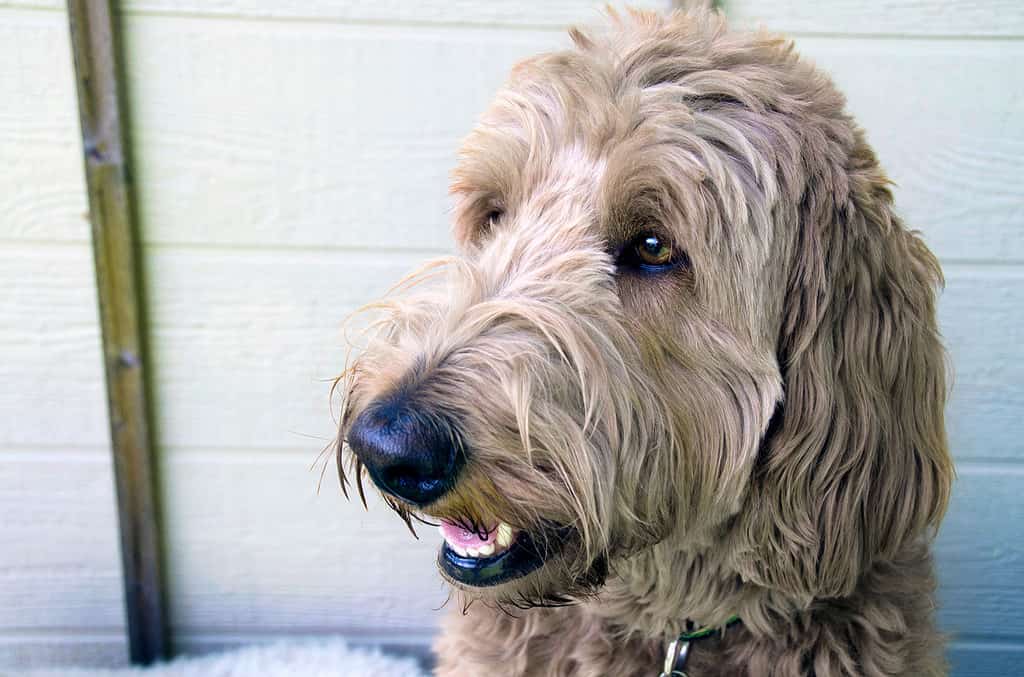
A labradoodle’s coat, temperament, and health are unpredictable compared to purebred dogs.
©mariakbell/ via Getty Images
Labradors tend to be mouthy, love food, and have lovable, goofy personalities. They shed a lot but require little grooming. We expect poodles to be incredibly intelligent, affectionate, and clingy. They don’t shed, but need daily grooming to maintain their coat.
Labradoodles will have a mix of traits from both breeds, and there is no guarantee they will inherit the specific qualities you are looking for.
Labradoodles Can Be Mouthy and Destructive
Dogs that take after their Labrador parents will be quite mouthy. You’ll need to teach them at a young age to play with toys, not hands or sleeves.
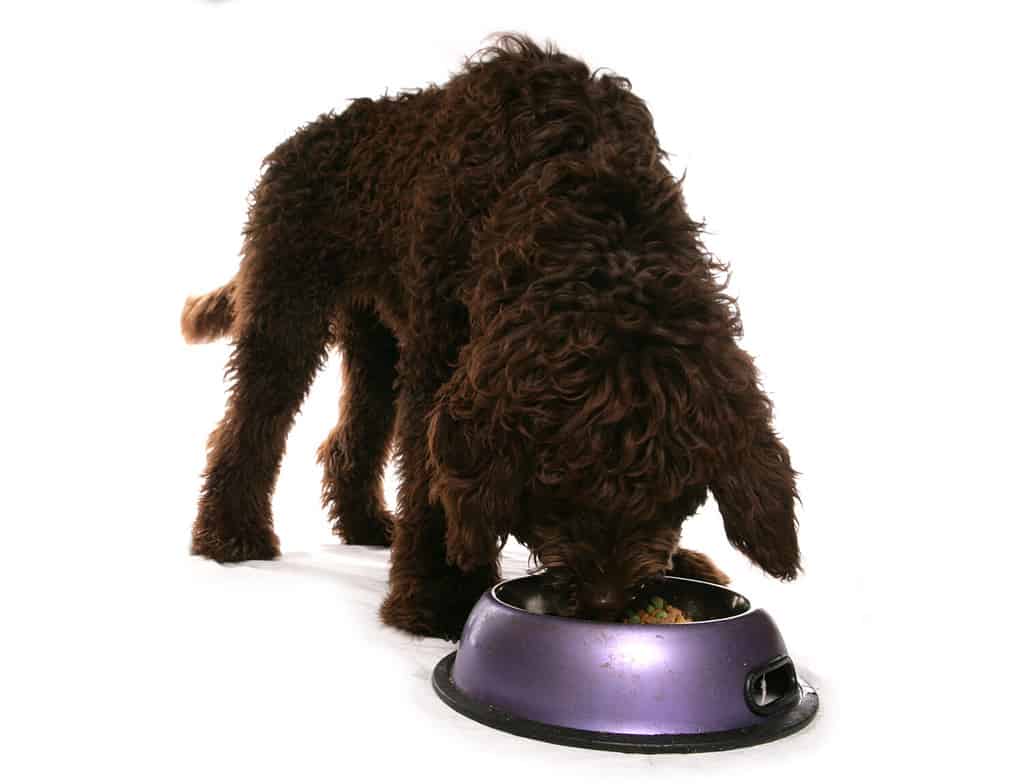
Labradors have a tendency to overeat, and labradoodles may inherit this trait.
©chrisbrignell/Shutterstock.com
Labradors are also known for their tendency to chew. Since both Labradors and poodles are retrievers, they can both be prone to chewing, so it is likely that a Labradoodle puppy will also have this trait.
There are many reasons for destructive chewing, including teething, anxiety, and not getting enough exercise or mental enrichment.
They Don’t Make Good Guard Dogs
Your labradoodle is more likely to be a good watchdog, barking at things outside, than to actually guard anything. Both parent breeds are known for being stranger-friendly.
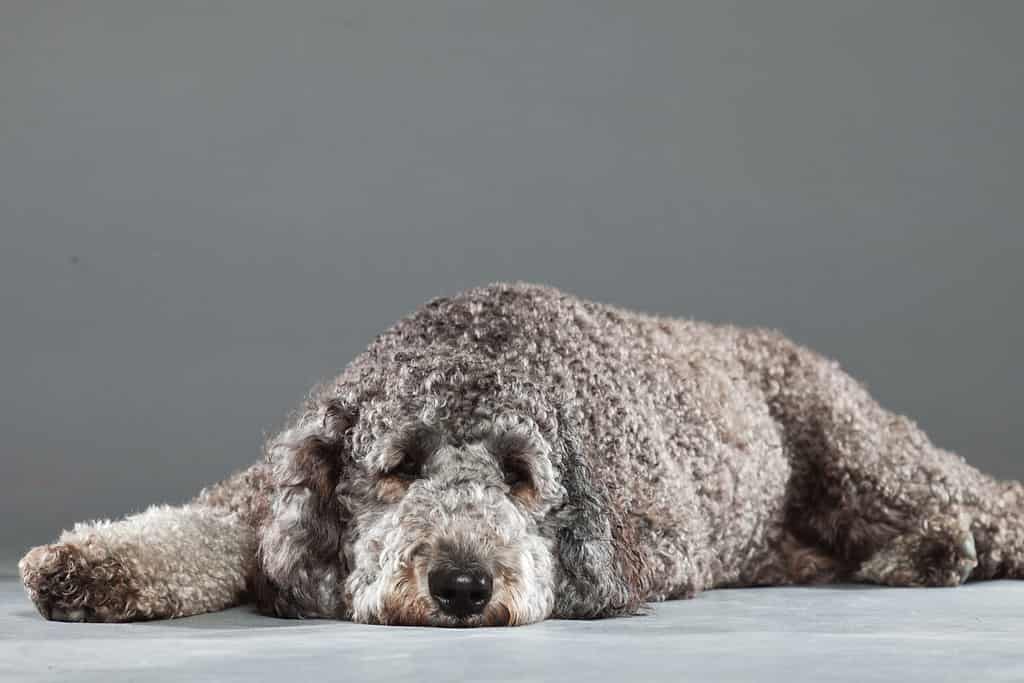
Labradoodles make better watchdogs than guard dogs.
©Ysbrand Cosijn/Shutterstock.com
While labradoodles may not be as intimidating as some traditional guard dog breeds, the presence of any dog can serve as a deterrent to potential intruders.
Many Labradoodles are Unethically Bred
Labradoodles are high-priced designer crossbreeds often targeted by unethical operations like puppy mills and backyard breeders.
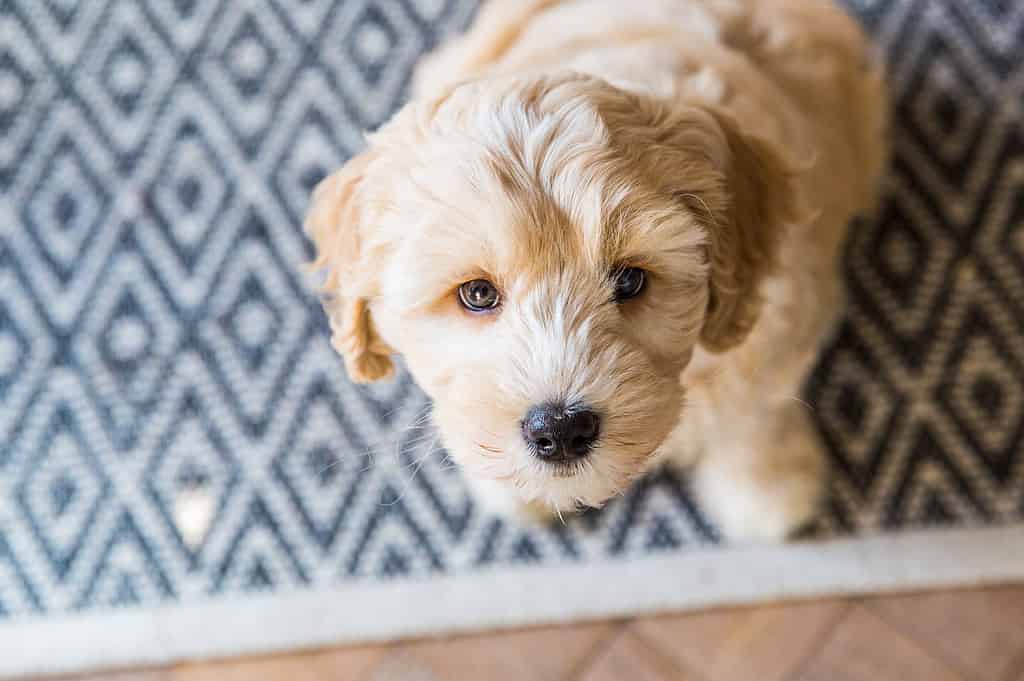
One of the biggest labradoodle complaints is that they’re bred poorly.
©Angeline Dobber/Shutterstock.com
While large-scale puppy mills prioritize high volume and profit over canine welfare, smaller backyard breeders typically lack the genetic expertise and screening resources required for responsible breeding.
Labradoodles are Prone to Health Problems
Hybrid vigor (heterosis) occurs when two completely unrelated genetic lines are crossed, and the offspring benefit because the diverse genes mask the negative, recessive mutations found in each parent. Labradors and poodles share many of the same hereditary health issues, so crossing them provides no protection. A Labradoodle puppy can easily inherit a double dose of a specific disease from both parents.
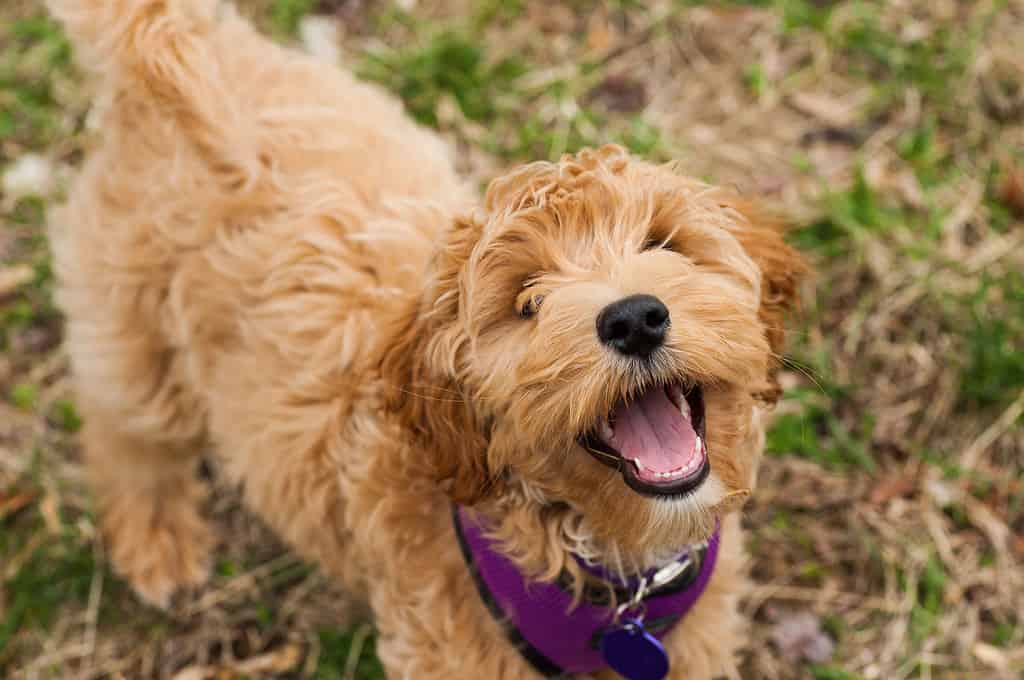
Labradoodle pups may inherit health issues from both parent breeds.
©jadimages/Shutterstock.com
Many Labradoodle breeders don’t health-test the parent dogs and often don’t know their lineage.
Ethical breeders health test both parents and provide CHIC numbers to prove the results, and never breed dogs that don’t pass the recommended testing or who aren’t up-to-date on health screenings.
Labradoodles can inherit common health problems from either parent breed. These include:
- Hip and elbow dysplasia
- Bloat
- Eye conditions
- Exercise-induced collapse
- Centronuclear myopathy
- Heart disease
- Sebaceous adenitis
They’re Expensive
Labradoodles are expensive. Reputable breeders typically charge between $2,500 and $4,000 as of 2026, making them significantly more expensive than many other mixed-breed dogs. Puppies from breeders often cost much more than most mixed-breed dogs, yet they do not offer the same predictable benefits as a well-bred purebred puppy.
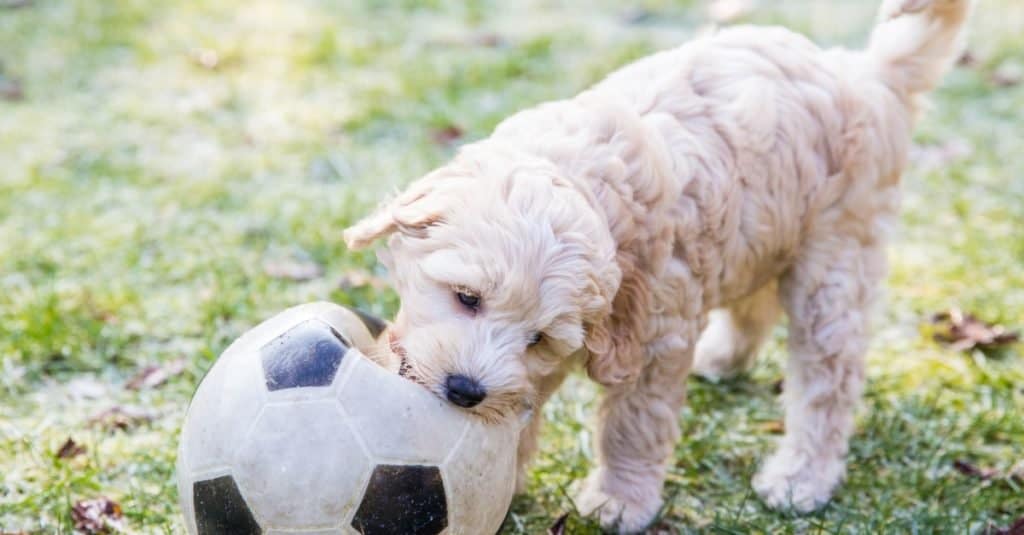
Labradoodles have expensive upfront and ongoing costs.
©Angeline Dobber/Shutterstock.com
Of course, you can forego this cost by adopting from a rescue or shelter instead of a breeder. Breed-specific rescues, such as poodle rescues, might be the best place to find a rescue labradoodle in your area as they often work to rehome mixed breeds as well.