
Christmas traditions and legends around the world vary from country to country. Some include stories of an evil accomplice looking for bad children, getting Kentucky Fried Chicken on Christmas Eve, and eating festive, fried caterpillars. In Iceland, the Christmas folklore The 13 Yule Lads have delighted children for generations.
Rather than Santa, the Jolasveinar, or the Yule Lads, visit well-behaved children and provide presents. Keep reading to discover what the story is, who the Yule Lads are, and how Iceland infuses them into their Christmas celebrations.
What Is the Story of the 13 Yule Lads?
Iceland — as well as many other Nordic countries — has a bountiful number of age-old legends parents pass down to their children. The holiday folklore that spotlights the 13 Yule Lads is especially widespread, as its main purpose remains to convince children to be on their best behavior during the year. Like the American story that Santa has a list of all the naughty and nice children, the 13 Yule Lads can discern between well-behaved and disobedient children.
The first mention of the Yule Lads comes from their mother, Grýla. In the seventeenth-century poem by the same name, the book describes Grýla as a troll or ogress and mother of the 13 larger-than-life Yule Lads. Grýla cooks bad children in a large pot to eat and her sons, the Yule Lads, will find the disobedient children in a town and place rotting potatoes in their shoes.
During this period, parents used the story to “scare” their children into good behavior and the Yule Lads varied in look, number, and action depending on the region of Iceland. About a century later, the King of Denmark spoke out against children using this folklore as a means to discipline and influence children’s behaviors.
Another century after the King of Denmark’s decree, a rising author repurposed the story of the Yule lads. Jón Árnason created Iceland’s first publishing book of folktales and rewrote the Yule Lad story to have a bit softer of a narrative. Inspired by the German authors the Brothers Grimm, Árnason gave the Yule Lads permanent names and a central story. He slotted their folklore into his 1862 collection, Íslenzkar Þjóðsögur og Æfintýri.
While Árnason created the clear basis for the modern 13 Yule Lads story, it wasn’t until 1932 that Jóhannes úr Kötlum created the canonical lore with the brothers’ final names, personalities, and actions.
The Story From a Local
In pursuit of a local’s take on the tradition, AZ Animals interviewed Kári Björn, an Icelandic photographer who grew up celebrating Icelandic Christmas traditions like the 13 Yule Lads. He told the story to AZ as follows.
“The Yule Lads live in the Icelandic highlands with their mom (Grýla), dad (Leppalúði), and cat (Jólakötturinn). Every night from December 12th to the 24th, one of them arrives from the highlands and either brings presents or a potato to every child who places their shoe in a window. If the child has behaved, they get a present. But if they haven’t, they get a potato. They stay ‘in town’ for 13 days and then go back to the highlands. Kertasníkir, for example, arrives on the 24 of December and leaves on January 6, which officially marks the end of Christmas in Iceland. The departure of the Yule Lads
is celebrated with large bonfires and fireworks throughout the country on January 6 each year.”
B continued, with a bit of backstory for Icelandic culture. “One last thing to note is the story of Grýla and Leppalúði and how it relates to gender equality in Iceland. In the stories, Grýla is mentioned more often than Leppalúði. He is actually more of a side character who really does nothing and is known for being a fool and lazy. Grýla is the matriarch of the family and she controls everything.”
Who Are the 13 Yule Lads?
According to the 1932 poem, the Yule Lads begin their descent from their mountain to towns on December 12, when the first Yule Lad (Stekkjarstaur, or Sheep-Cote Clod) appears. They stay until Christmas, with Stekkjarstaur departing on Christmas Day and each brother leaving one day after him.
As mentioned above, older versions of the Yule Lad folklore vary the number, names, and personalities of the Yule Lads. The following list is the canonical list of brothers and their personalities written by Árnason.
Stekkjarstaur
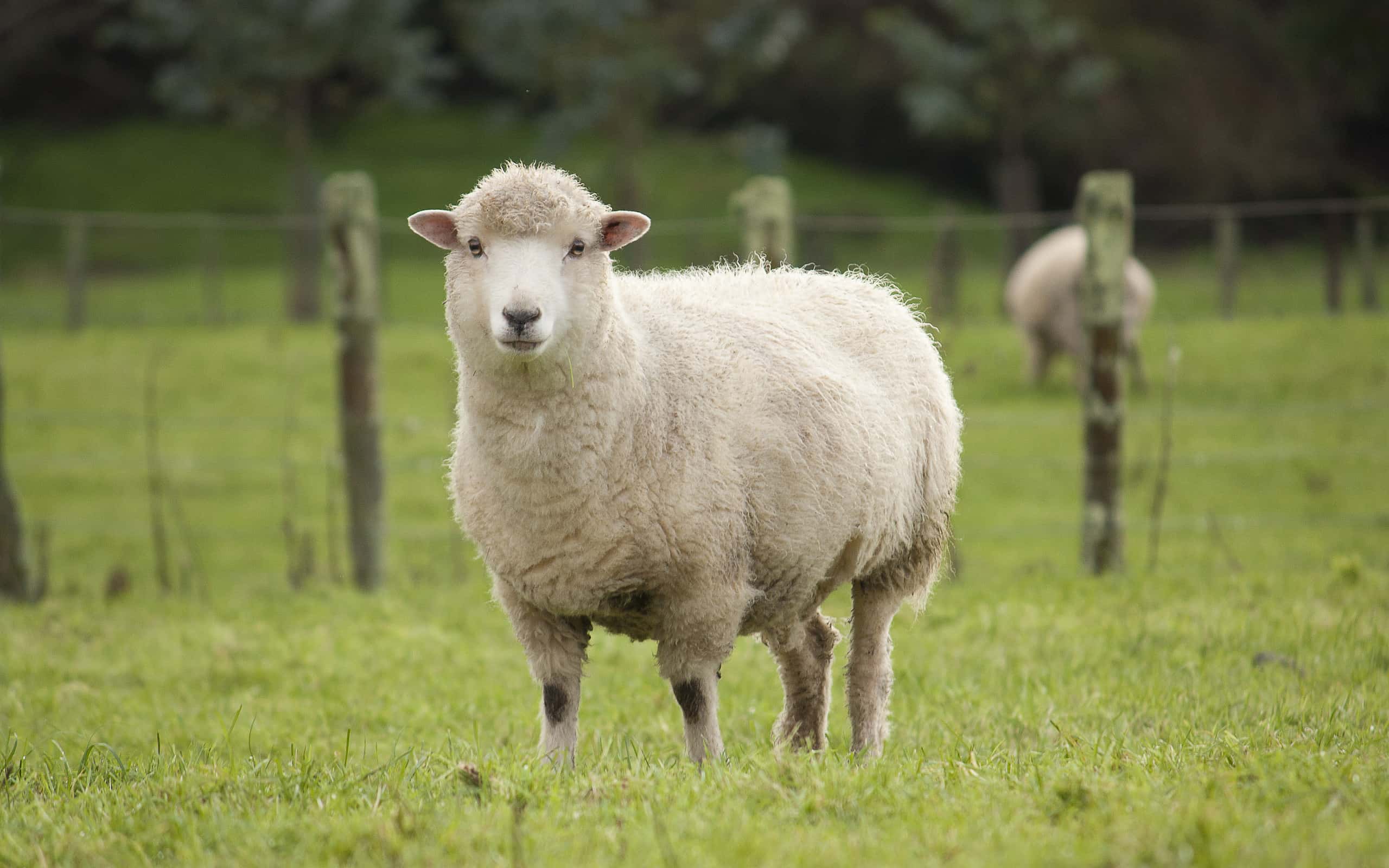
This brother has a fondness for sheep’s milk.
©brackish_nz/iStock via Getty Images
Stekkjarstaur is the first Yule Lad to arrive on December 12 and leave on December 25. The English translation of his name, based on a translation from Hallberg Hallmundsson, is Sheep-Cote Clod. He will harass sheep, like stealing milk from them, and has stiff peg legs.
Giljagaur
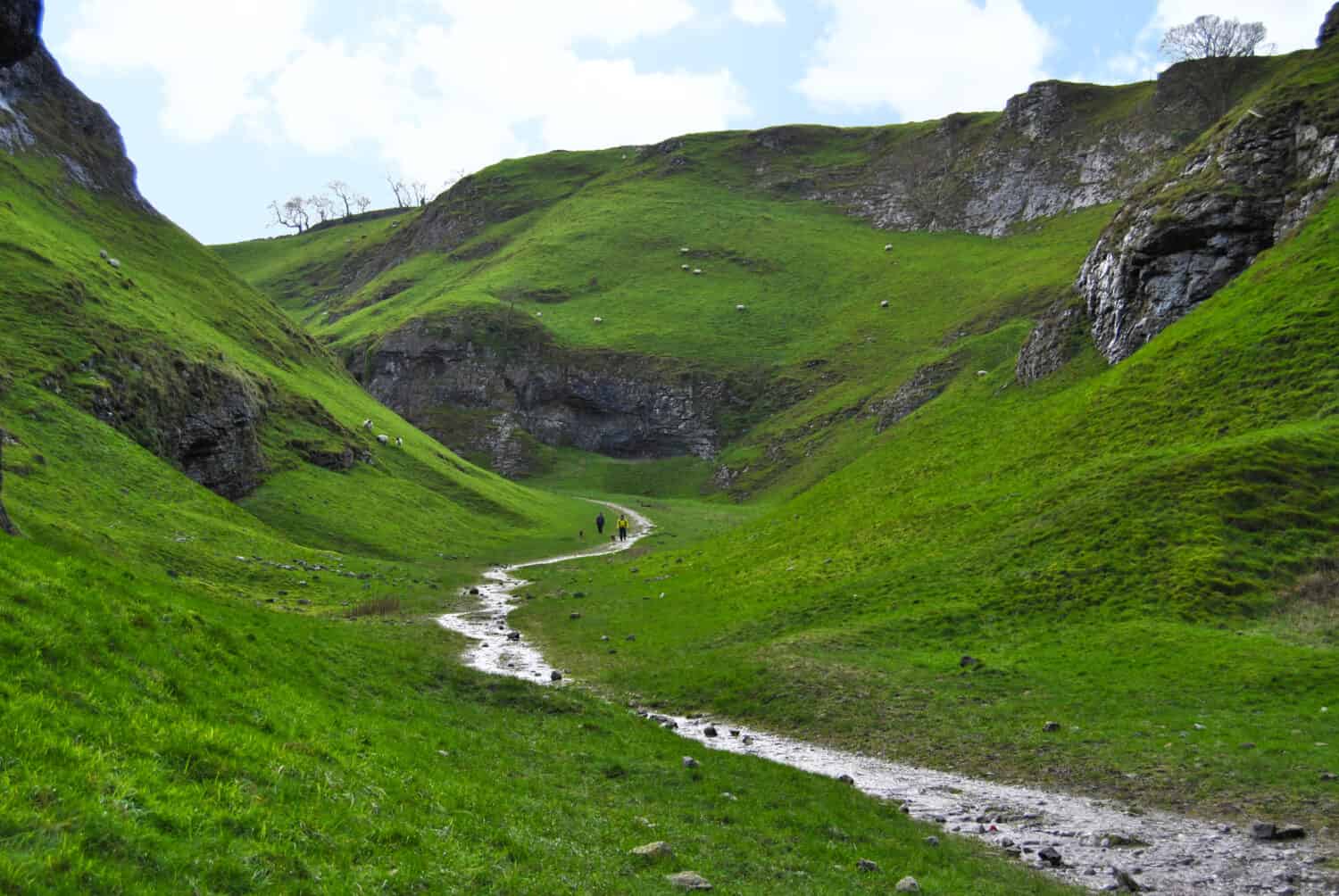
Second brother Giljagaur hides in gullies waiting to play his pranks.
©Diego Shruberry/Shutterstock.com
Giljagaur is the second Yule Lad to arrive on December 13 and leave on December 26. The English translation of his name is Gully Gawk. He hides in gullies waiting for the opportunity to steal cow milk from barns.
Stúfur
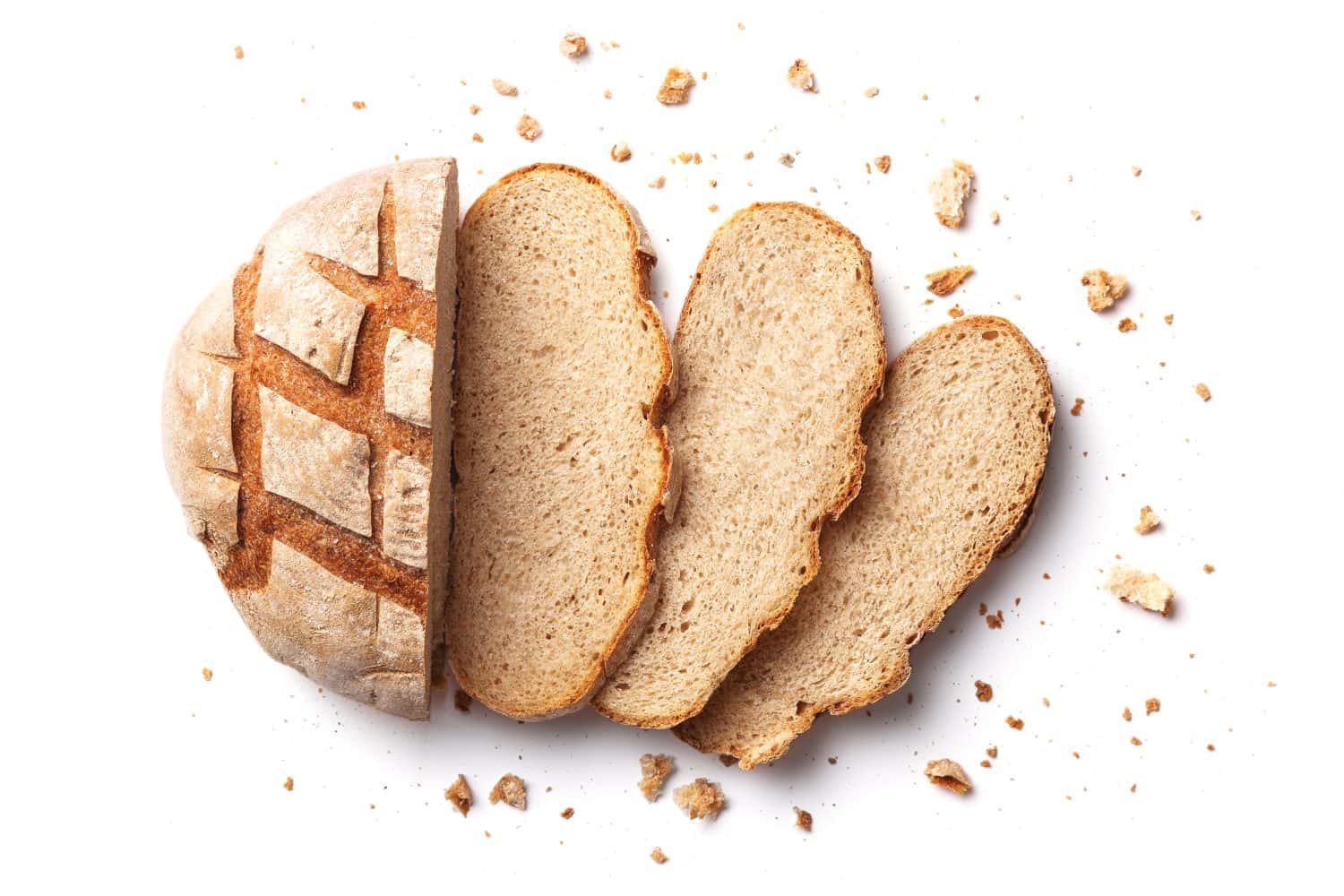
Stubby enjoys eating any leftovers he can find.
©virtu studio/Shutterstock.com
Stúfur is the third Yule Lad to arrive on December 14 and leave on December 27. The English translation of his name is Stubby. He will steal pans left out with crumbs to eat the leftovers. He’s also very short.
Þvörusleikir

The translation of Þvörusleikir’s name is “spoon licker.”
©ALEKSEI BEZRUKOV/iStock via Getty Images
Þvörusleikir is the fourth Yule Lad to arrive on December 15 and leave on December 28. The English translation of his name is Spoon-Licker — which explains why his mischievous prank is to steal spoons to lick them. Canon dictates he does so because he’s malnourished.
Pottaskefill
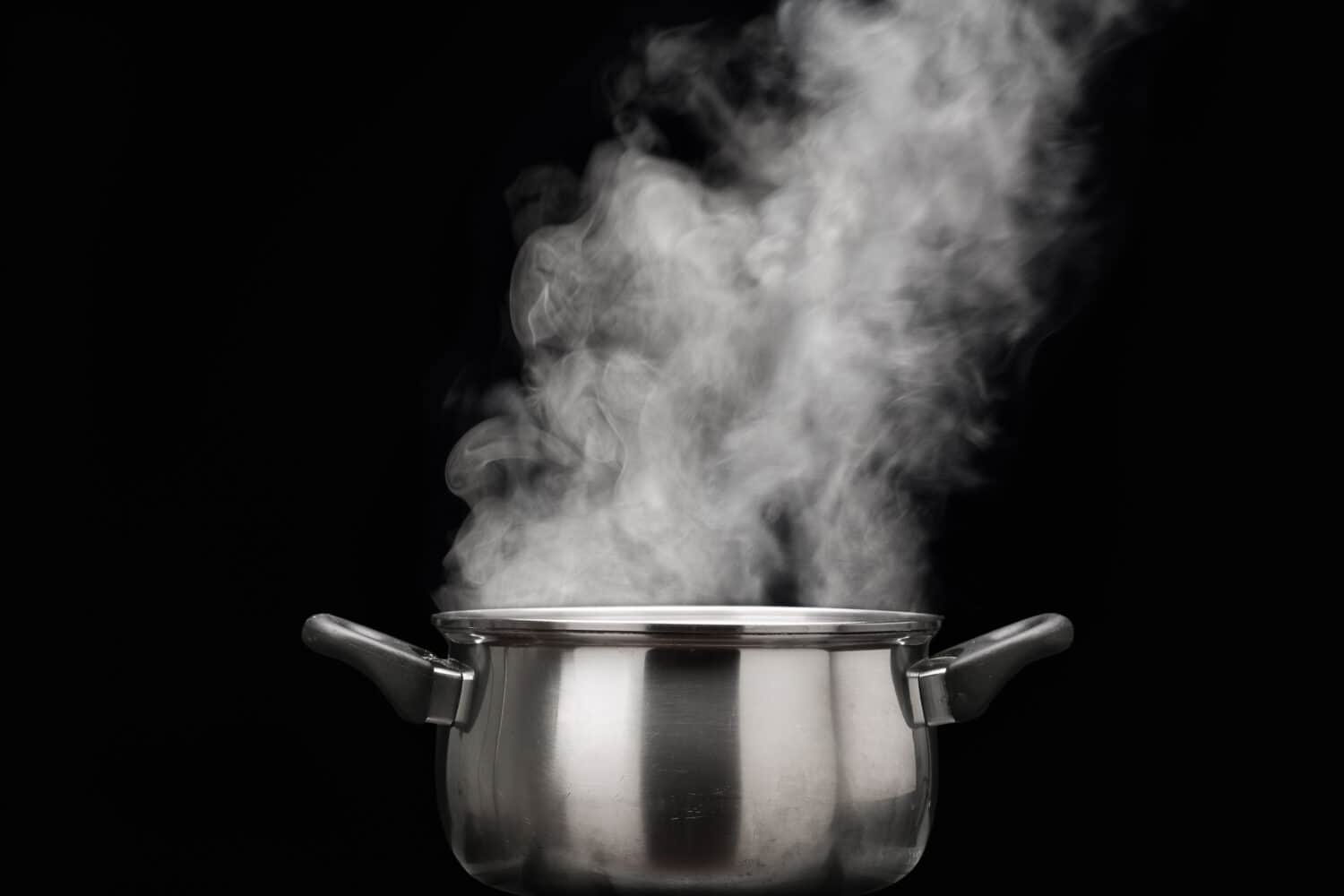
Like his brothers, Pottaskefill will steal leftovers if you have them!
©Toa55/Shutterstock.com
Pottaskefill is the fifth Yule Lad to arrive on December 16 and leave on December 29. The English translation of his name is Pot-Scraper. Similar to the previous brothers, this name denotes his prank, which is to steal leftovers from pots.
Askasleikir
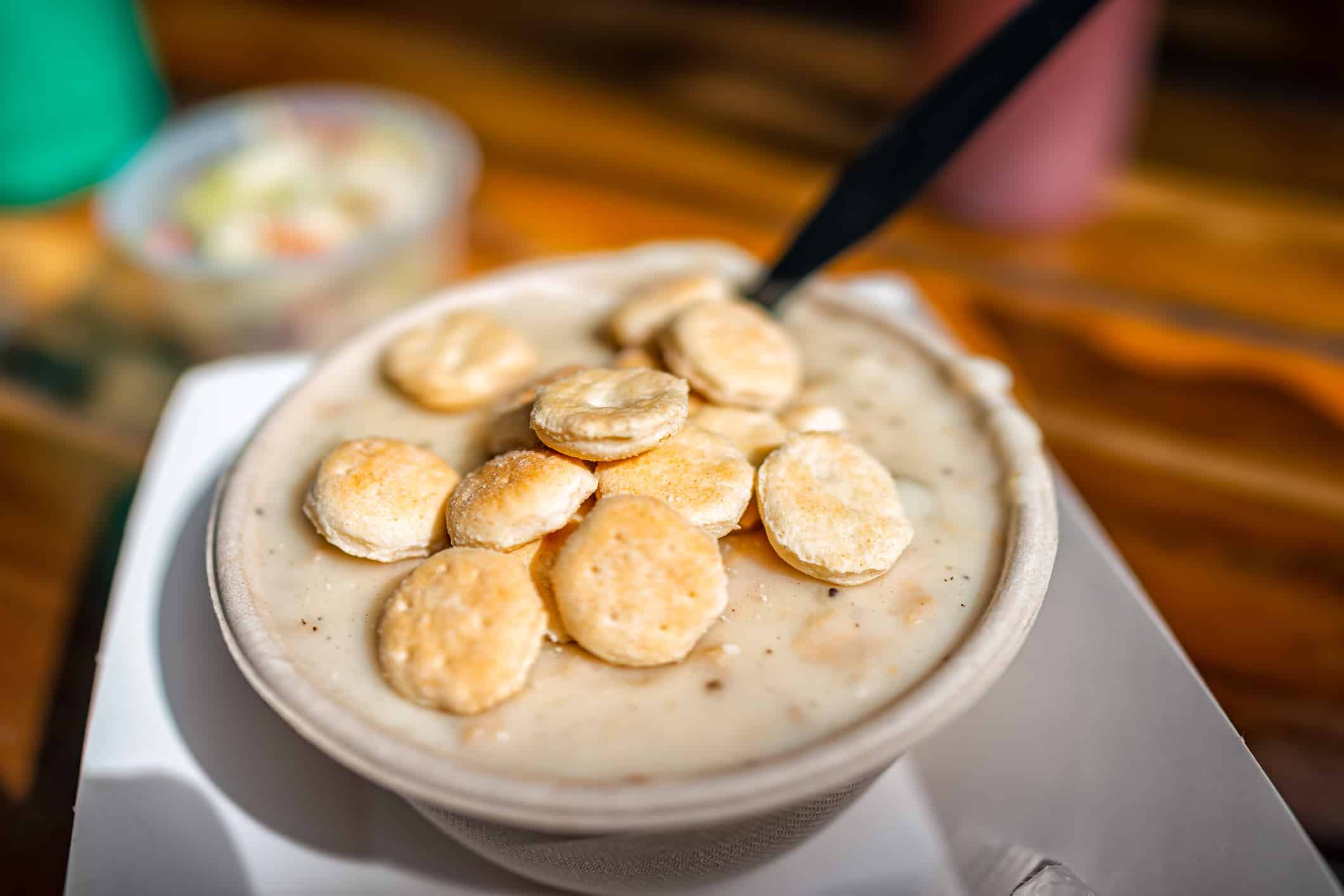
The translation of Askasleikir’s name is “bowl licker.”
©krblokhin/iStock via Getty Images
Askasleikir is the sixth Yule Lad to arrive on December 17 and leave on December 30. The English translation of his name is Bowl-Licker. He will hide under beds, lying in wait for someone to place their bowl with leftovers on the floor, which he will steal.
Hurðaskellir

If you leave your doors ajar, Hurðaskellir will slam them closed.
©Heidi Patricola/iStock via Getty Images
Hurðaskellir is the seventh Yule Lad to arrive on December 18 and leave on December 31. The English translation of his name is Door-Slammer — he will slam any doors he finds open at night because he enjoys it.
Skyrgámur

Skyr is like yogurt with a milder flavor.
©Tatiana Foxy/iStock via Getty Images
Skyrgámur is the eighth Yule Lad to arrive on December 19 and leave on January 1. The English translation of his name is Skyr-Gobbler. Skyrgámur will swipe any skyr, or yogurt, from the homes he visits.
Bjúgnakrækir
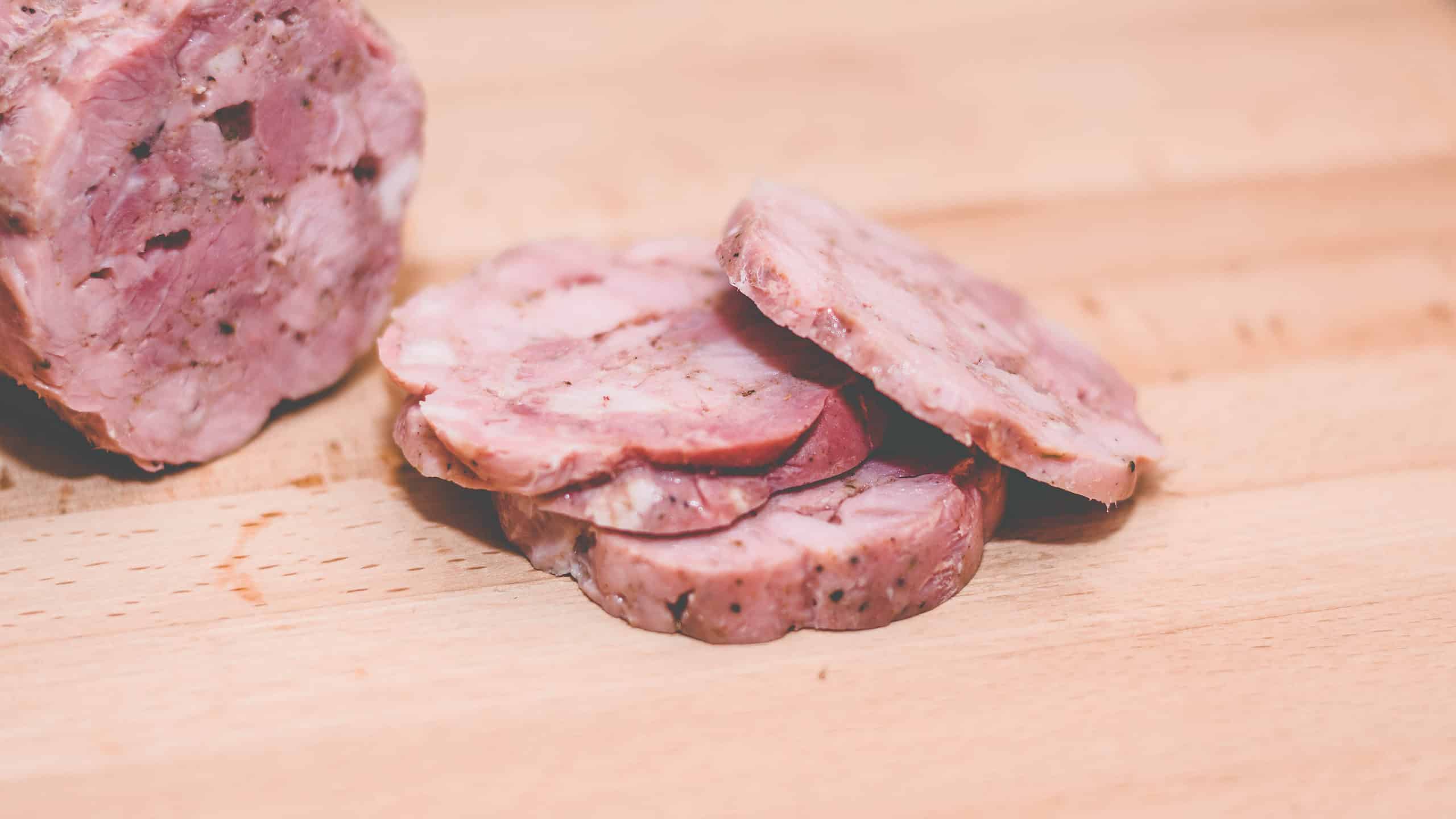
Keep your sausage leftovers away from Bjúgnakrækir!
©BLACK ROCK/Shutterstock.com
Bjúgnakrækir is the ninth Yule Lad to arrive on December 20 and leave on January 2. The English translation of his name is Sausage-Swiper. Like the previous brother, he has a favorite food (sausages) and will steal it from your home.
Gluggagægir
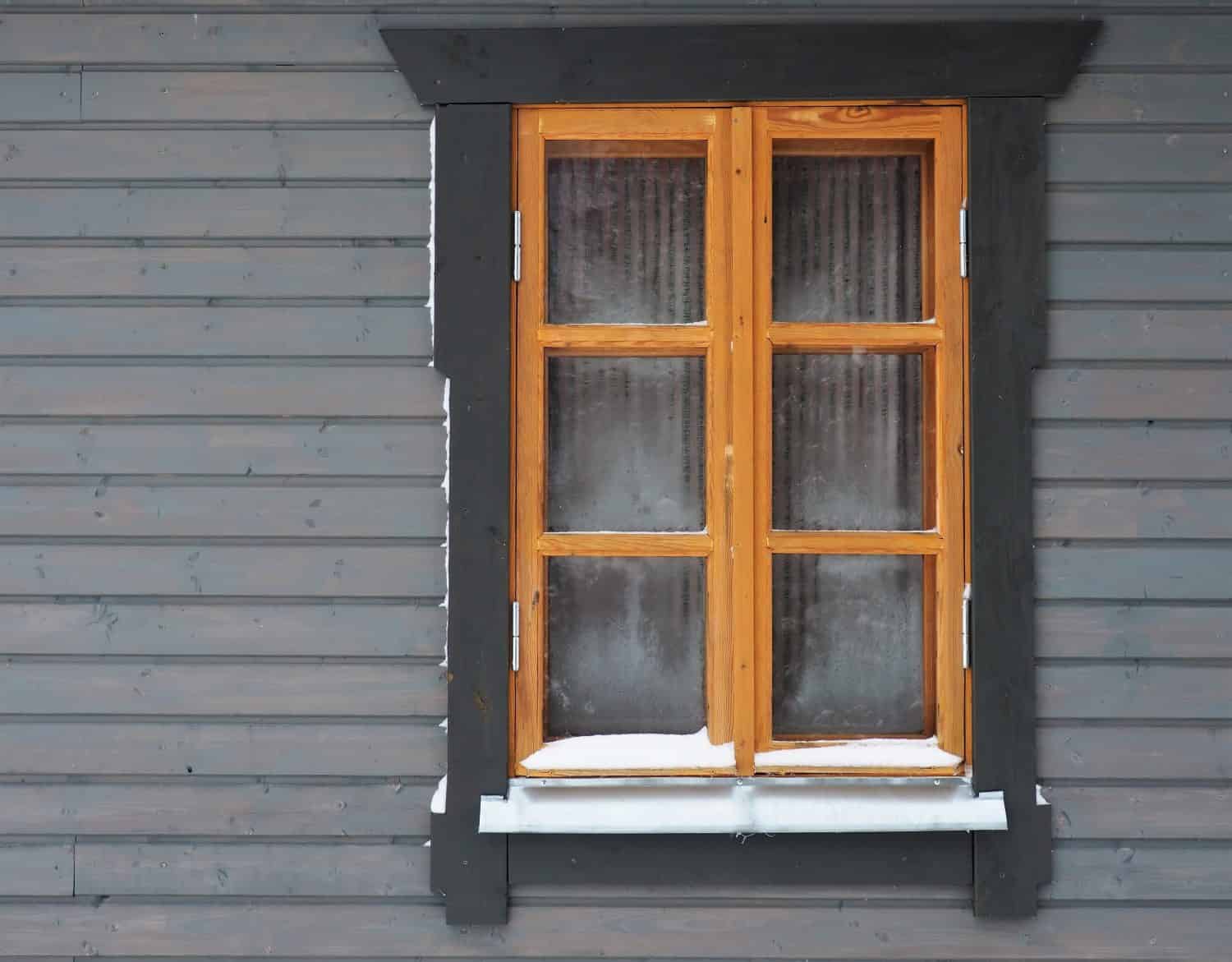
Unless your blinds are closed, Gluggagægir will peep to see what he can steal.
©GS23/Shutterstock.com
Gluggagægir is the 10th Yule Lad to arrive on December 21 and leave on January 3. The English translation of his name is Window-Peeper. This brother will peep in homes’ windows looking for easily-stealable things.
Gáttaþefur
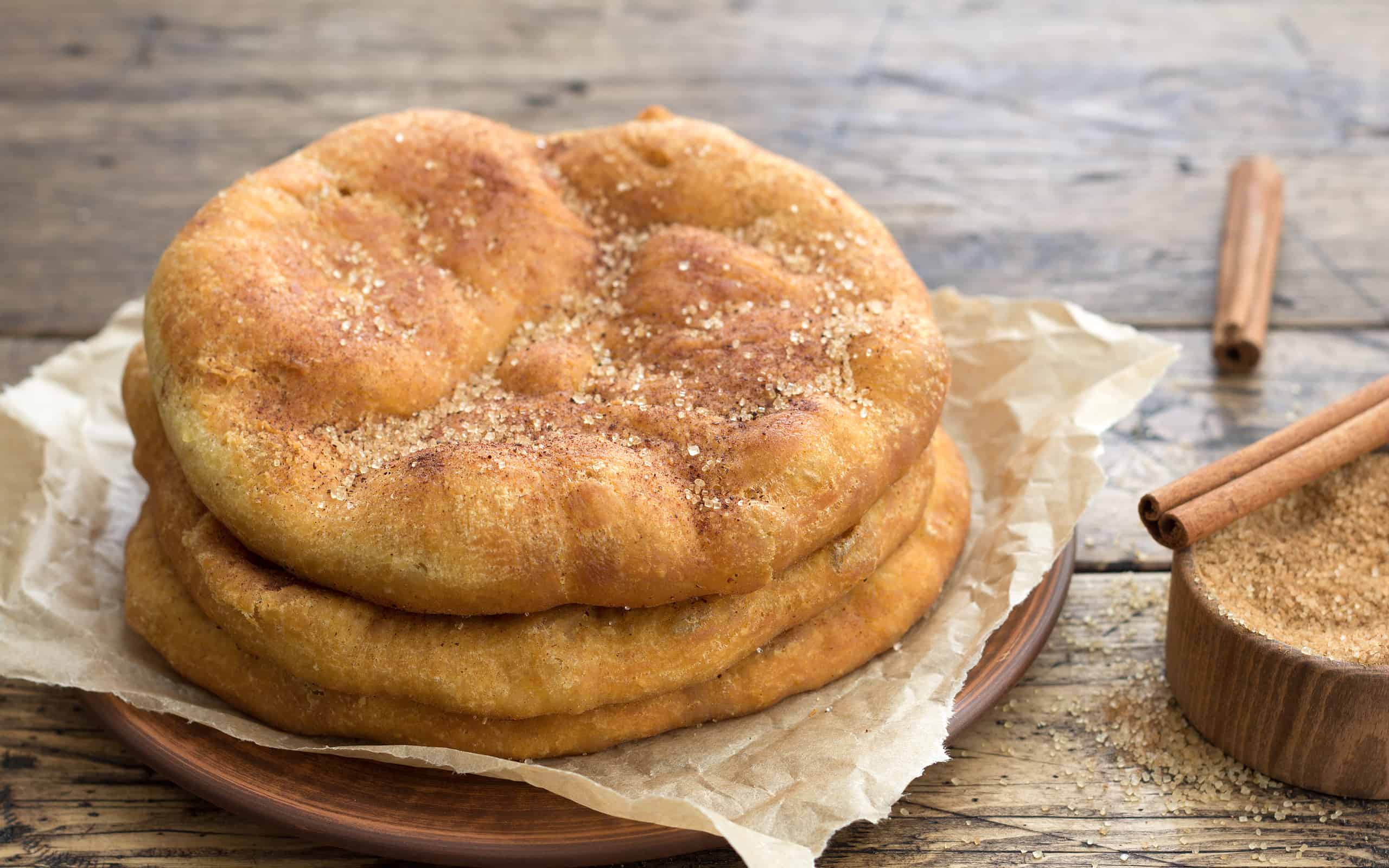
©OlgaLepeshkina/iStock via Getty Images
Gáttaþefur is the 11th Yule Lad to arrive on December 22 and leave on January 4. The English translation of his name is Doorway-Sniffer. He uses his large nose to sniff for baked goods and specifically, leaf bread or Laufabrauð — Iceland’s “Santa cookie” equivalent for the Yule Lads.
Ketkrókur
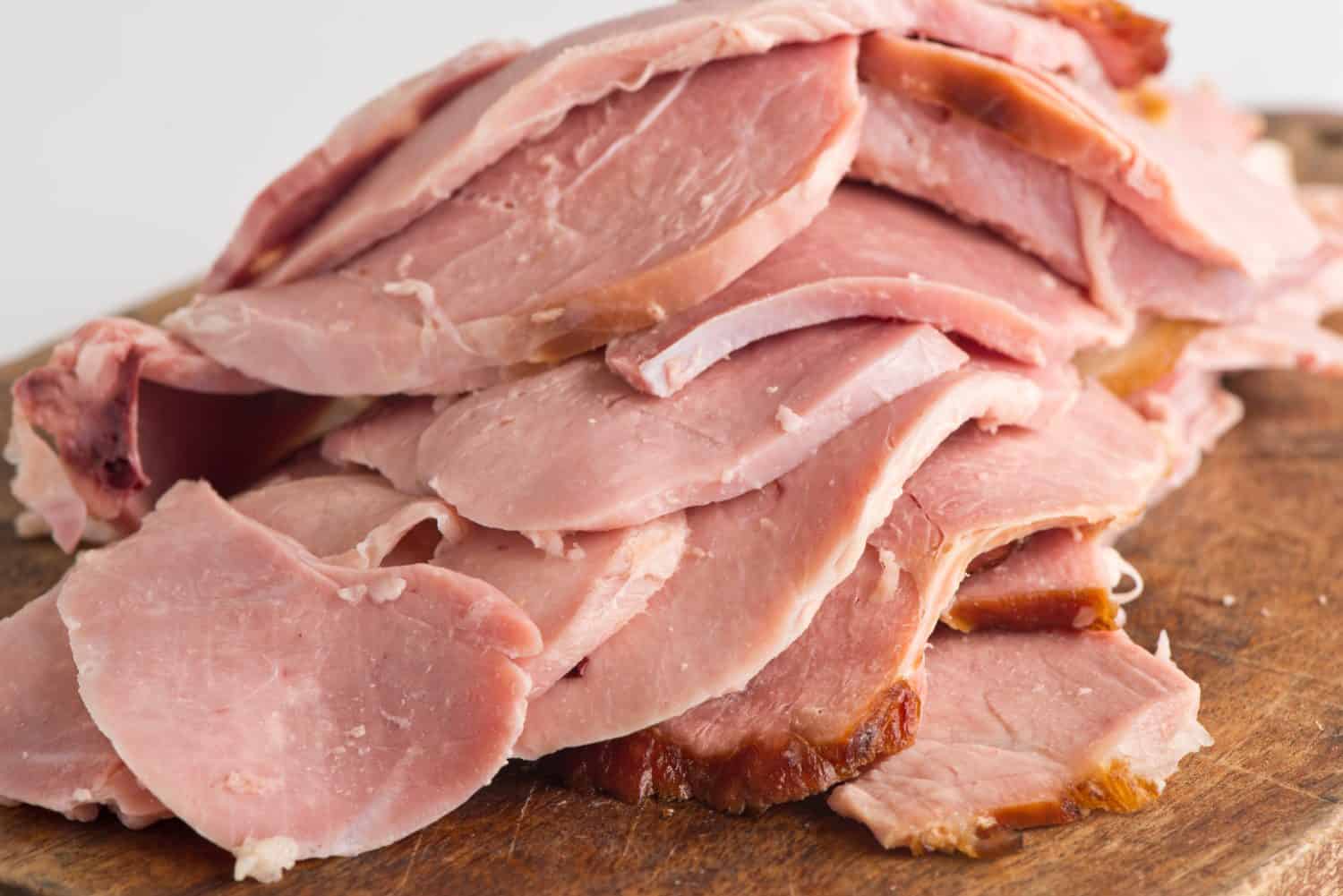
Brother #12 Ketkrókur will skip the fork and use his hook to steal meat.
©Marie Sonmez Photography/Shutterstock.com
Ketkrókur is the 12th Yule Lad to arrive on December 23 and leave on January 5. The English translation of his name is Meat-Hook, which describes his prank: using a hook to steal meat.
Kertasníkir
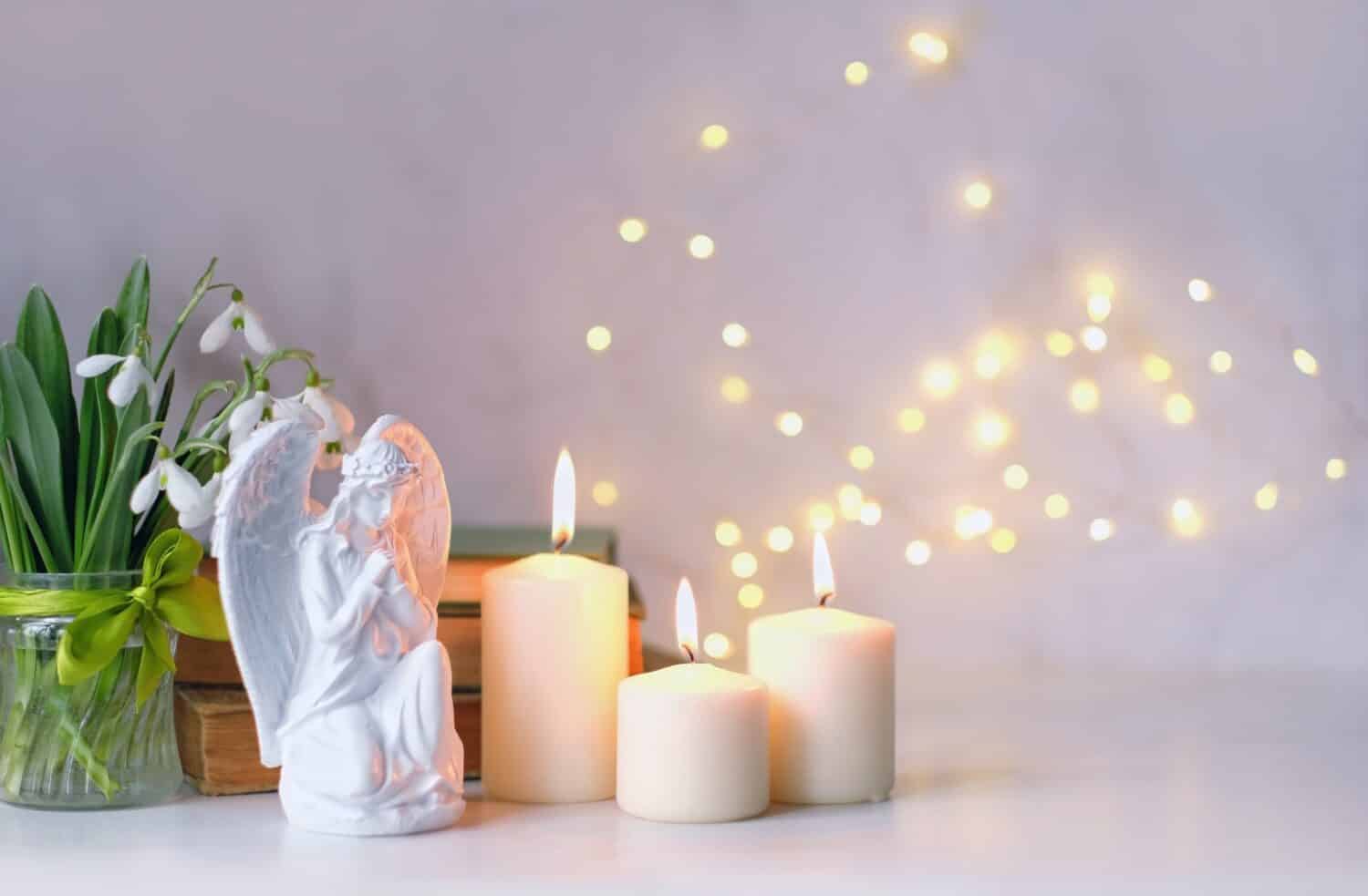
Candles used to be made of tallow, an edible substance that this brother would steal the candles to eat.
©ju_see/Shutterstock.com
Finally, Kertasníkir is the 13th Yule Lad to arrive on December 24 and leave on January 6. The English translation of his name is Candle-Stealer and he steals children’s candles.
Do the 13 Yule Lads Have Accompanying Creatures?
Yes, they do! While the Yule Cat doesn’t travel with the Yule Lads, they’re semi-related in their purpose: keeping kids honest.
The Yule Cat roams the countryside of Iceland during Christmas, searching in homes for presents of socks or scarves. According to research of Icelandic literature from the Smithsonian magazine, Icelanders view the Yule Cat as a warning for children to be on their best behavior. If they were “too lazy” to earn socks for Christmas, the Yule Cat would come into their house to eat their dinner before eating the child who didn’t receive a gift of clothes.
Whether the intention was clear or not, the story of the Yule Cat sparks another good deed in children: donating clothes to the less fortunate. That way, those who cannot afford new clothes won’t suffer the fate of becoming the Yule Cat’s second dinner.
How Do the 13 Yule Lads Appear in Icelandic Christmas Traditions Today?
The Yule Lads influence Icelandic Christmas traditions today in several ways:
- Children leave their shoes out to receive gifts (or potatoes) from the Yule Lads between December 12 and Christmas Eve.
- The Icelandic donate clothes, food, and more to the less fortunate as an indirect nod to the Yule Cat.
- The influence of the Yule Lads’ pranks (plus the gifts or rotten potatoes) they leave is still a method of mild discipline, though it’s nowhere as serious or frightening as the original folklore in the seventeenth century.
ss
Naughty or Nice?
Iceland’s children enjoy the mostly benign story of the 13 mischievous brothers who descend one-by-one from the mountain to leave small gifts for well-behaved children. However, these kids may get rotten potatoes in their shoes if they’re not conscious of their naughty behavior. Today, the 13 Yule Lads influence Iceland’s half-month-long celebration of Christmas with presents, flatbread baking, and cherished tales.