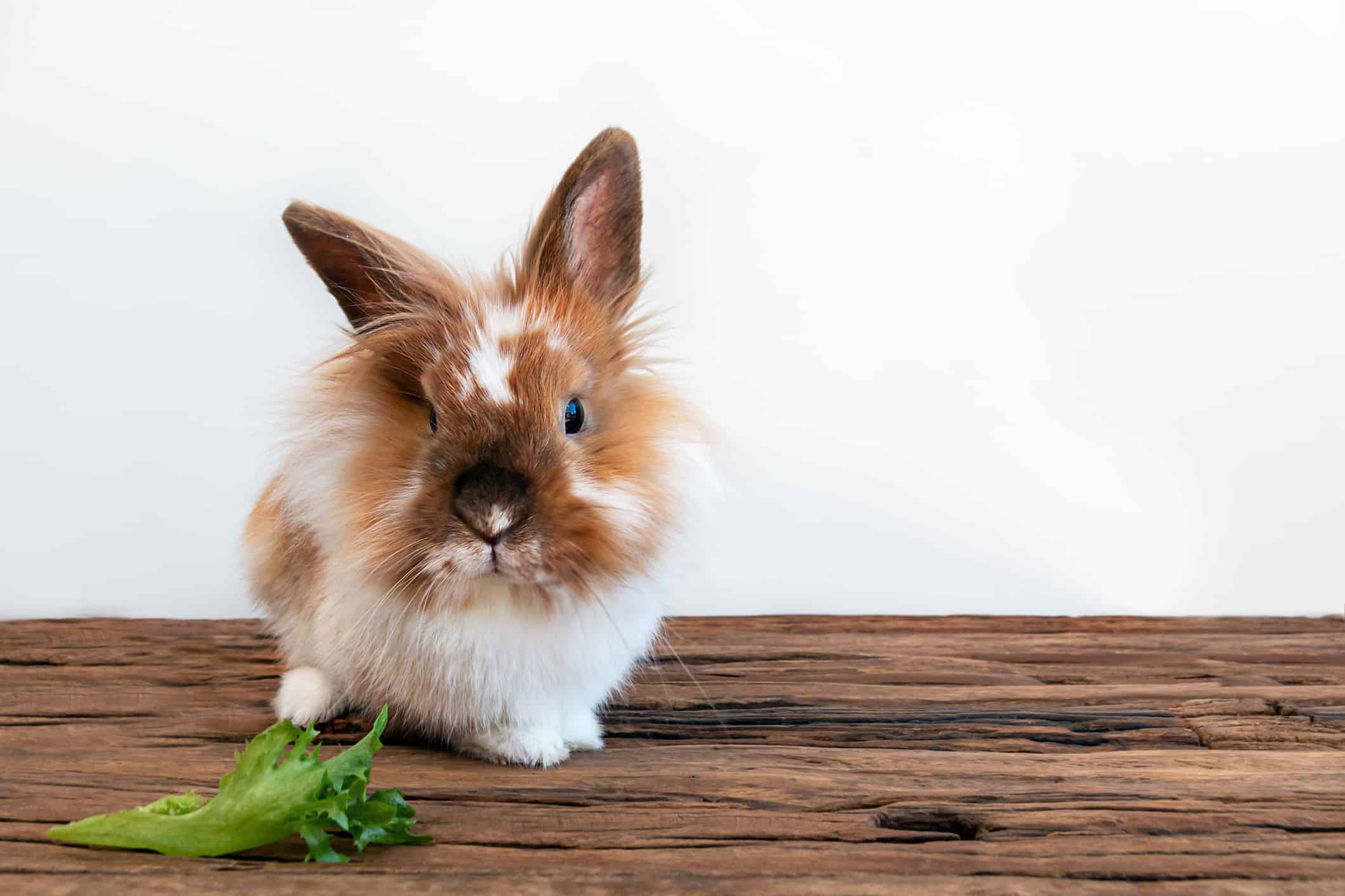

Rabbits need constant access to food; specifically hay or grasses they graze on throughout the day. They have incredibly complex and delicate digestive systems that allow them to utilize as many nutrients as possible from their food quickly. They must have access to fibrous plant-based foods at all times, and ideally not go without food for long.
So, how long can a rabbit go without eating and how long does it take before this fasting is considered dangerous? This article has the answers for you.
Important: This article is not a substitute for medical/veterinary advice. Contact an exotic veterinarian immediately if your rabbit is not eating or shows other worrisome signs.
How Long Can Rabbits Survive Without Food?
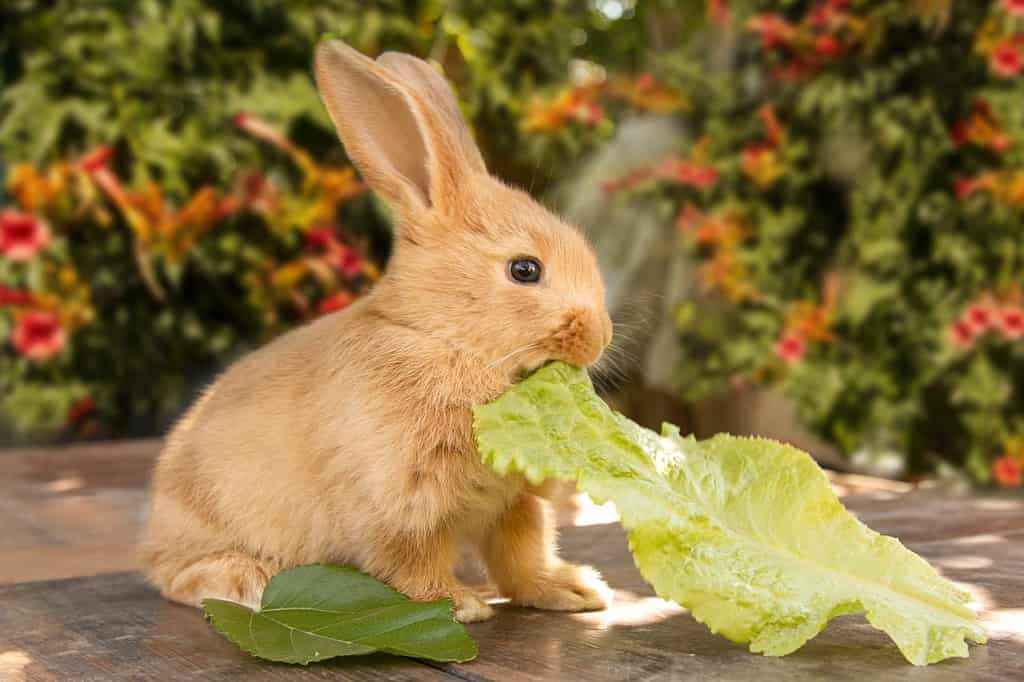
Rabbits should always have fresh hay or grasses available for them to graze on throughout the day.
©Kviki_Viki/Shutterstock.com
Rabbits can survive without food for about three to four days but should ideally not go more than 12 hours without eating. If your rabbit is refusing to eat, it is an indication that something is wrong with them.
A rabbit that refuses to eat should be taken to an exotic veterinarian the same day you notice their appetite changes. You should never let your rabbit go without eating in hopes that their appetite will soon return. This is extremely dangerous as rabbits should always have food moving through their digestive system.
A skipped meal might not seem like a big deal to us, but it can be fatal for rabbits and should not be taken lightly. Even the healthiest rabbit at an ideal body weight will not be okay if they stop eating. It isn’t always a case of a rabbit dying from starvation without food, but rather having a slowed digestive system that their bodies were not designed to function normally with.
Why Is It Dangerous for Rabbits to Go Without Food?
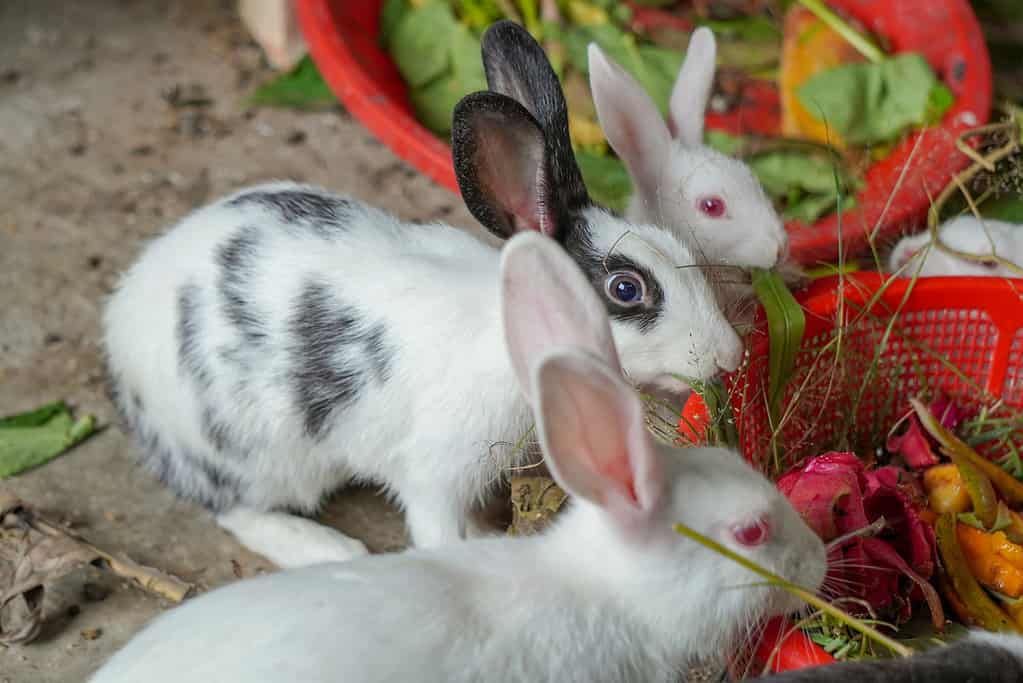
Just because rabbits may survive for three to four days without food, doesn’t mean that they should.
©A S M Almas/iStock via Getty Images
Rabbits that have little to no food moving through their digestive tract can develop a painful and dangerous condition known as gastrointestinal stasis (GI stasis). GI stasis is a serious condition that can kill a rabbit, sometimes even with appropriate treatment. This condition can be caused by a rabbit that is not eating, or it can be the reason your rabbit is not eating.
Rabbits have special digestive systems that are meant to have food constantly moving through them. If your rabbit stops eating, the movement (peristalsis) of their digestive system slows down or stops. This is especially true for rabbits not eating fibrous hay or grasses which are essential for proper digestion and gut health.
Furthermore, a rabbit that is not eating experiences pH changes in their gastrointestinal tract that create an environment where gas-producing bacteria flourish. The bacteria not only cause extreme pain and gas buildup, but also might produce fatal toxins that put their health (and life) at risk.
Signs Your Rabbit Is Not Eating Properly
The most obvious sign your rabbit is not eating properly is food refusal. They will start refusing to eat, even if they had a hearty appetite the day before. A rabbit that is not eating can quickly deteriorate and show various signs that they are unwell. However, rabbits often hide any signs of illness until it becomes severe because they are prey animals.
It’s important to monitor any changes in your rabbit’s eating or bathroom habits, behavior, and appearance so you can quickly determine if something is wrong.
Here are some worrisome signs to be aware of:
- Changes in bowel habits (such as diarrhea or constipation).
- Lethargy
- Soiled bottom
- Hunched posture
- Abdominal bloating
- Excessive salivation
- Teeth grinding
- Hiding or abnormal stressed or aggressive behavior.
- Weight loss
- Food refusal
Why Is My Rabbit Not Eating?
There are numerous possibilities behind your rabbit’s lack of appetite, which we will discuss below.
- Health problems: Numerous health problems can affect your rabbit’s appetite, such as kidney or liver disease. Other possible health problems include respiratory infections, urine infections, stomach ulcers, and obstructions.
- Stress or pain: A rabbit that is experiencing stress or pain is unlikely to have much of an appetite. This could be from an injury, disease, or post-surgery.
- Hairballs (trichobezoars): There are some instances where rabbits will develop hairballs that may cause a blockage in their digestive systems. This medical emergency can cause a rabbit to stop eating and defecating.
- Certain medications: If your rabbit is currently being treated with medication, they might be experiencing a side effect that causes them to have a poor appetite. However, it is possible that the condition that the medication is treating could also contribute to their poor appetite. This is not a good side effect for rabbits and should be brought up with a veterinarian.
- GI stasis: We have already mentioned this reason above. Rabbits suffering from GI stasis will refuse food.
- Changes in diet: Any sudden and drastic changes in a rabbit’s diet can disturb their digestive system’s delicate balance. This may lead to gastrointestinal troubles, such as a lack of appetite.
- Improper diet: Rabbits have special dietary requirements that need to be met so that their digestive system can function normally.
- Dental issues: Rabbits with dental issues such as missing or broken teeth may have difficulty eating due to discomfort.
What Should Rabbits Eat?
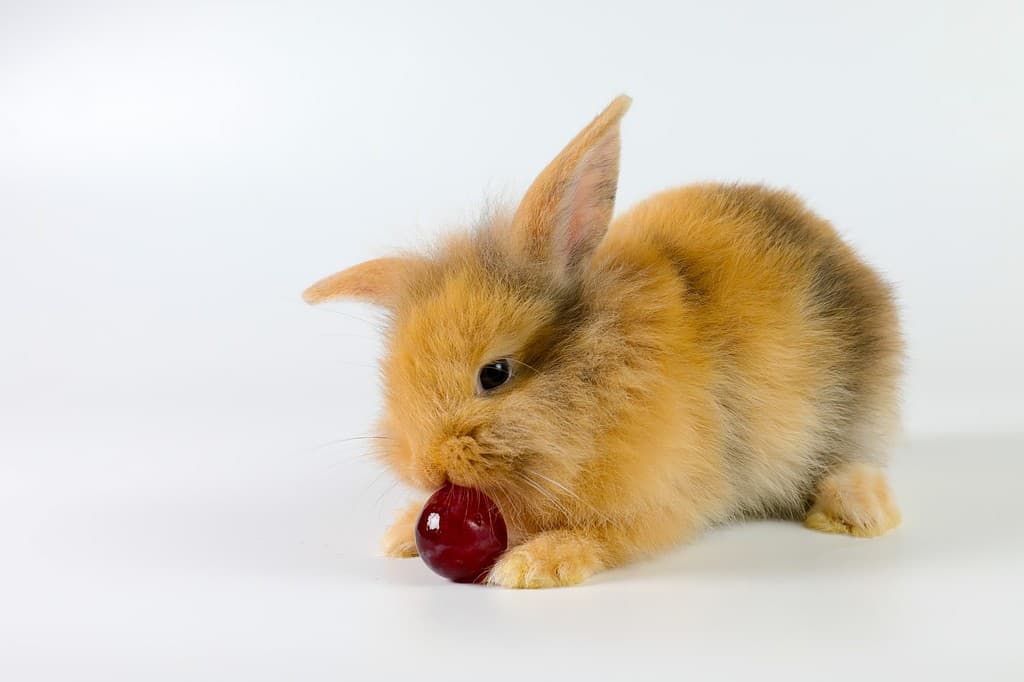
The delicate balance of a rabbit’s gut can cause lack of appetite, which could be life-threatening.
©UNIKYLUCKK/Shutterstock.com
Before we discuss what rabbits should eat, you first need to understand how their GI systems work.
Rabbits are herbivores and hindgut fermenters with digestive systems designed to extract indigestible and digestible fiber from plants. Food quickly passes through a rabbit’s digestive system, where their hindgut ferments their food, and the colon sorts the digestible and indigestible fiber. The indigestible fiber is usually passed through hard stools, while the digestible fiber is moved to the caecum for fermentation by bacteria.
Rabbits rely on a steady flow of fibrous plant matter in their digestive systems to keep things flowing smoothly. This is why a proper diet is essential which they can graze on throughout the day.
An ideal diet for these small animals should replicate one they would eat in the wild. Most of a rabbit’s diet consists of unlimited access to fresh hay or grasses, veggies, leafy greens, and pellets. Hay and grasses should make up the largest percentage of rabbits’ diet at about 80%.
In Conclusion
It is never a good sign to see a rabbit refusing to eat. As hindgut fermenters with complex digestive systems, rabbits are always eating fibrous plants and defecating throughout the day. Any changes in their appetite or behavior should be taken seriously and discussed with an exotic veterinarian. Rabbits are at risk of a serious health condition known as GI stasis if they go without food for too long.