
Quick Take
- One blue-blooded animal's blood is so medically extraordinary that a small amount can fetch thousands of dollars, and you've almost certainly encountered its work without ever knowing it. See the valuable blood →
- Most people assume all ocean animals share the same blood, yet some of the sea's most famous creatures are hiding a surprising secret about what actually flows through them. Debunking the ocean myth →
- Blue blood doesn't look the way most people picture it. Its actual appearance depends on a condition inside the animal's body that most depictions get completely wrong. See the true color →
- This blood chemistry predates the dinosaurs by a staggering margin, and the reason it never needed to change reveals something remarkable about how life adapts to extreme environments. Explore the ancient origins →
Blood is synonymous with bright red or deep maroon, but it certainly doesn’t generally bring to mind shades of blue. But blood that appears blue is not unheard of in the animal kingdom. This unusual color comes from a completely different oxygen-carrying molecule than the one found in other vertebrates, humans included. For animals that bleed blue, the special blood helps them thrive in specific environments where red blood would be much less efficient. It also plays an important role in modern medical research and safety. Here are eight fascinating facts that explain everything you need to know about blue-blooded wildlife.
1. What Makes Blood Blue?
©Promotive/Shutterstock.com
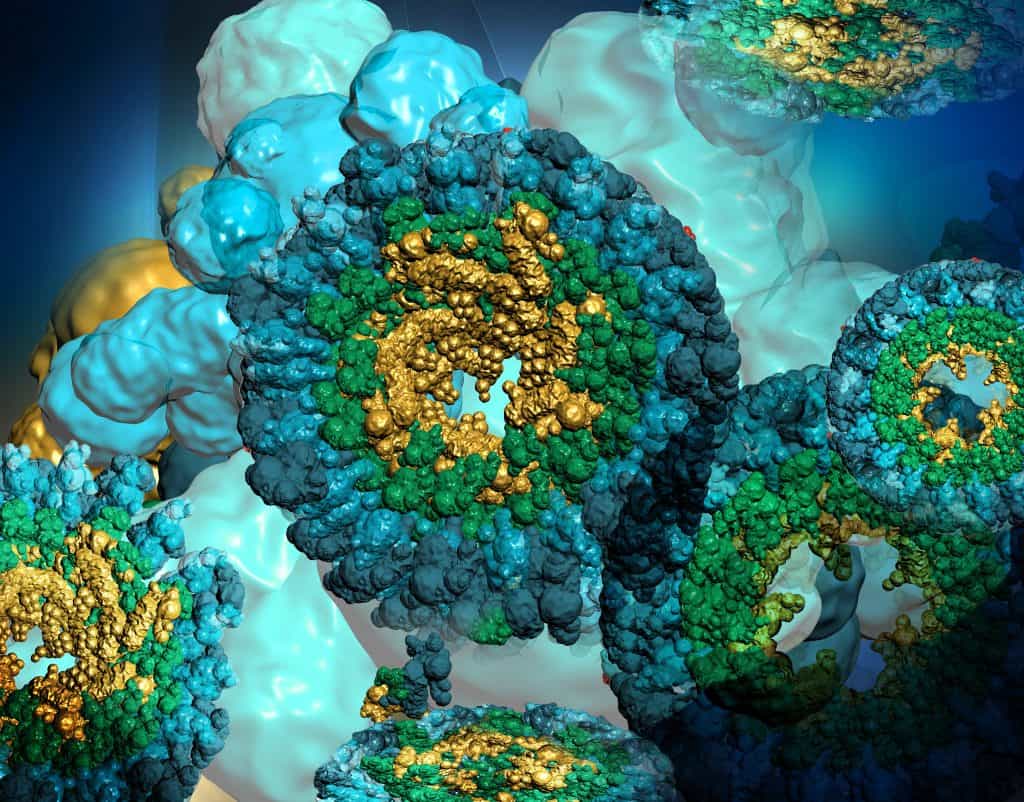
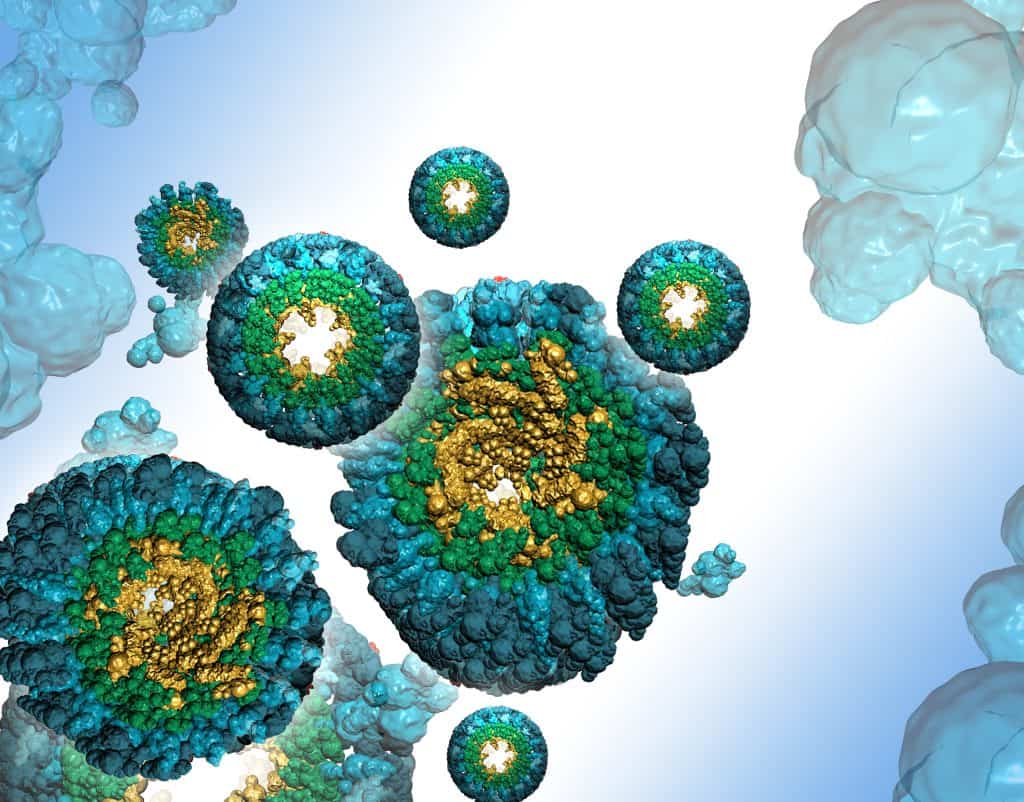
Blue blood gets its color from a molecule called hemocyanin. Unlike the hemoglobin typically found in blood, which uses iron to transport oxygen and turns blood red, hemocyanin uses copper for transport purposes. When oxygen binds to copper, it creates a blue appearance. Additionally, hemocyanin is dissolved directly in the blood rather than being contained inside red blood cells, the way human blood functions. This different chemistry is what gives certain animals their uniquely colored blood.
2. Which Animals Have Blue Blood?

©YouTube/A Box of Tapes – Original
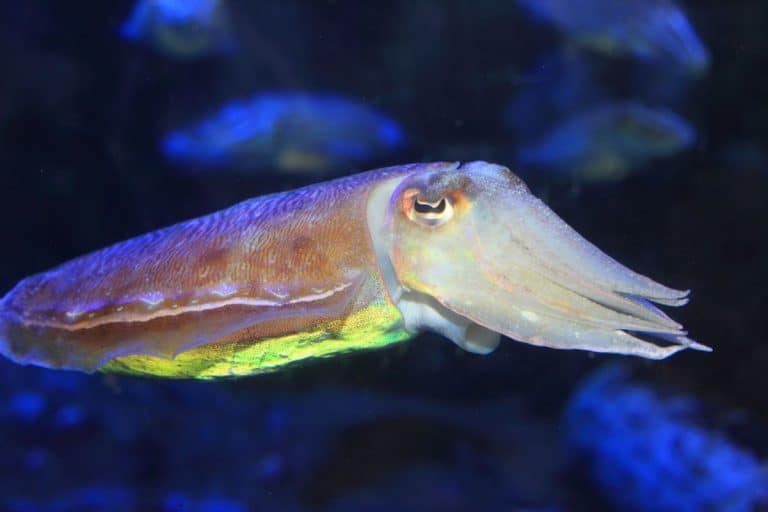
Blue blood is most commonly found in one very specific environment: the ocean. Several groups of marine invertebrates have this distinct blood, including horseshoe crabs, octopuses, squids, cuttlefish, and nautiluses. Many crustaceans, such as lobsters and some crabs, also carry hemocyanin. These ocean dwelling animals are spread across seas around the world. But the component leading to the blue shade is all the same: copper. They all use a copper-based oxygen transport system instead of iron-based hemoglobin. This surprising characteristic is special to marine invertebrates. No birds, reptiles, amphibians, or fish naturally have true blue blood.
3. Marine Mammals Do Not Have Blue Blood
©Don Whitebread/Shutterstock.com
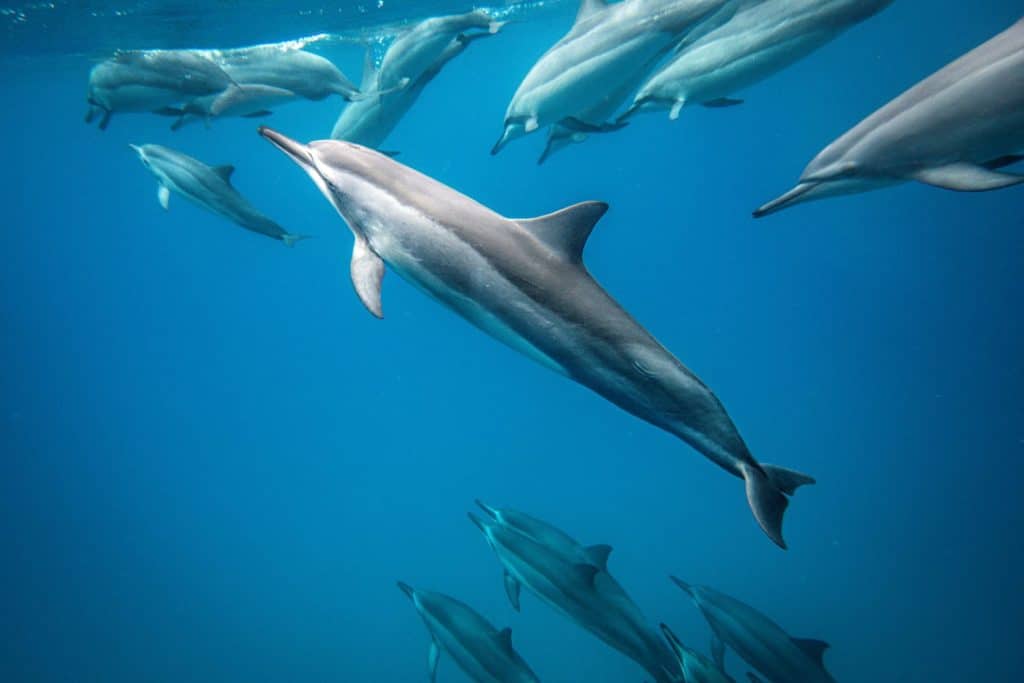
A common belief is that all ocean animals contain blue blood, including our most well-known mammals. Many think whales, dolphins, seals, and other marine mammals have blue blood because they live in the same conditions as the hemocyanin pumpers. But marine mammals have ordinary red blood just like humans. Their ability to dive to deep areas of the ocean comes from extremely high concentrations of oxygen-storing proteins, along with specialized adaptations in their muscles and circulatory systems. Due to these features, they don’t need blue blood to survive.
4. Blue Blood Works Well in Low-Oxygen Environments
©catf/Shutterstock.com
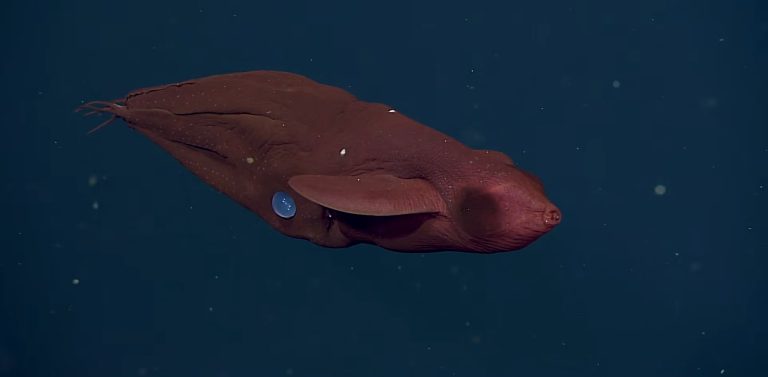
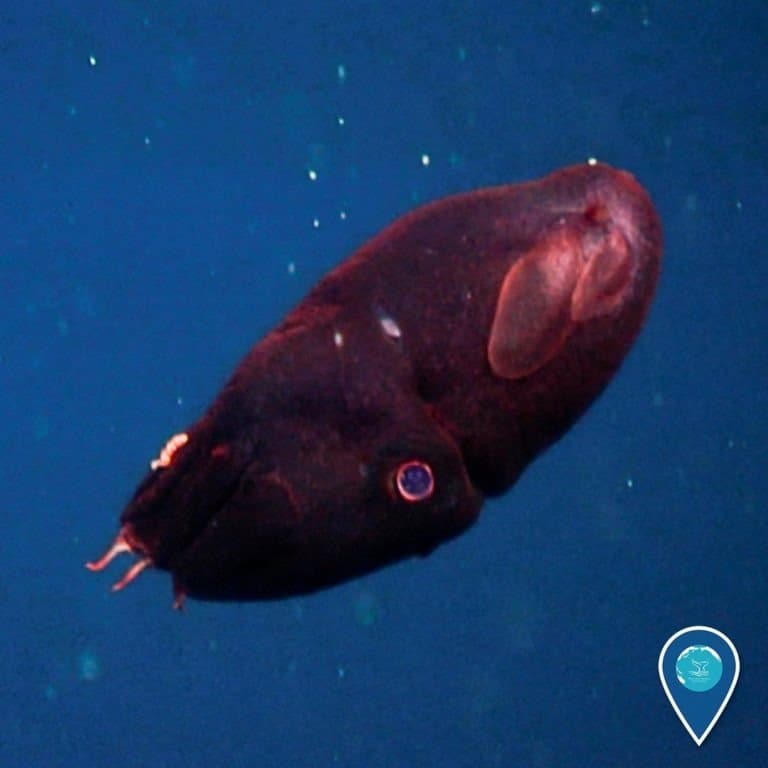
Hemocyanin likely evolved because it can function effectively in cold, low oxygen environments. Deep ocean habitats have limited available oxygen when compared to surface waters. Because Hemocyanin can bind oxygen efficiently under these harsh conditions, it helps animals survive in poorly oxygenated areas. This physiology is especially necessary for deep-sea cephalopods such as squids and octopuses. Their unusual blood chemistry allows them to thrive in deep chilly waters that many other animals would find challenging and life threatening.
5. Octopuses
©Vittorio Bruno/Shutterstock.com
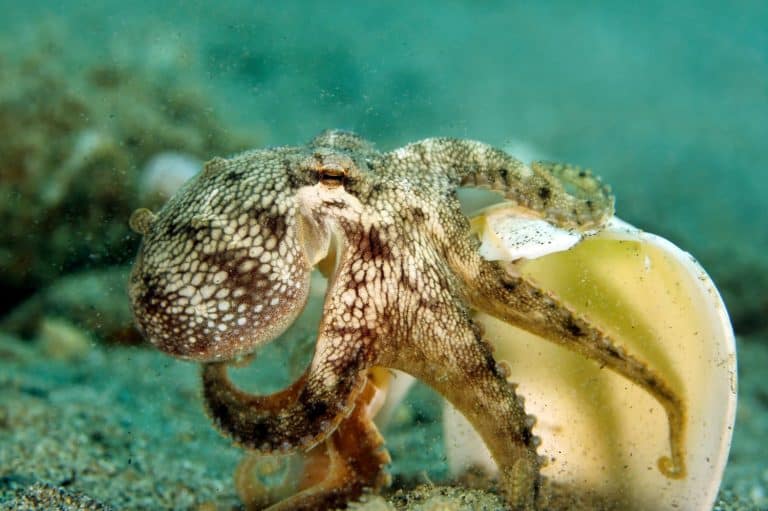
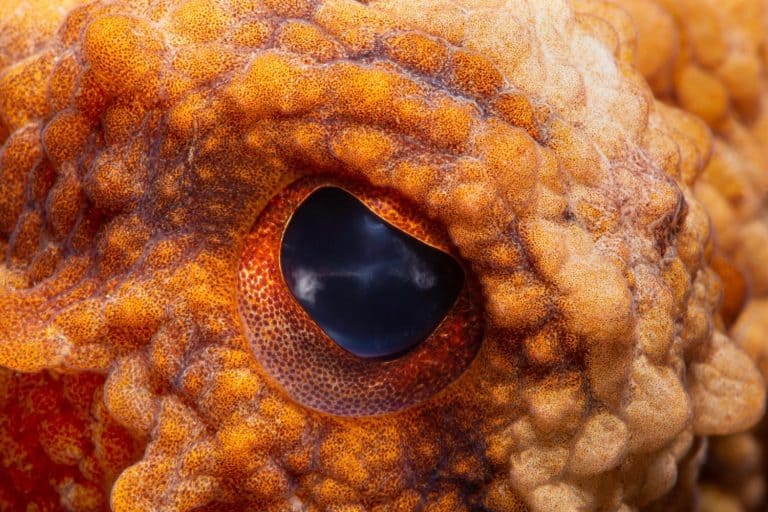
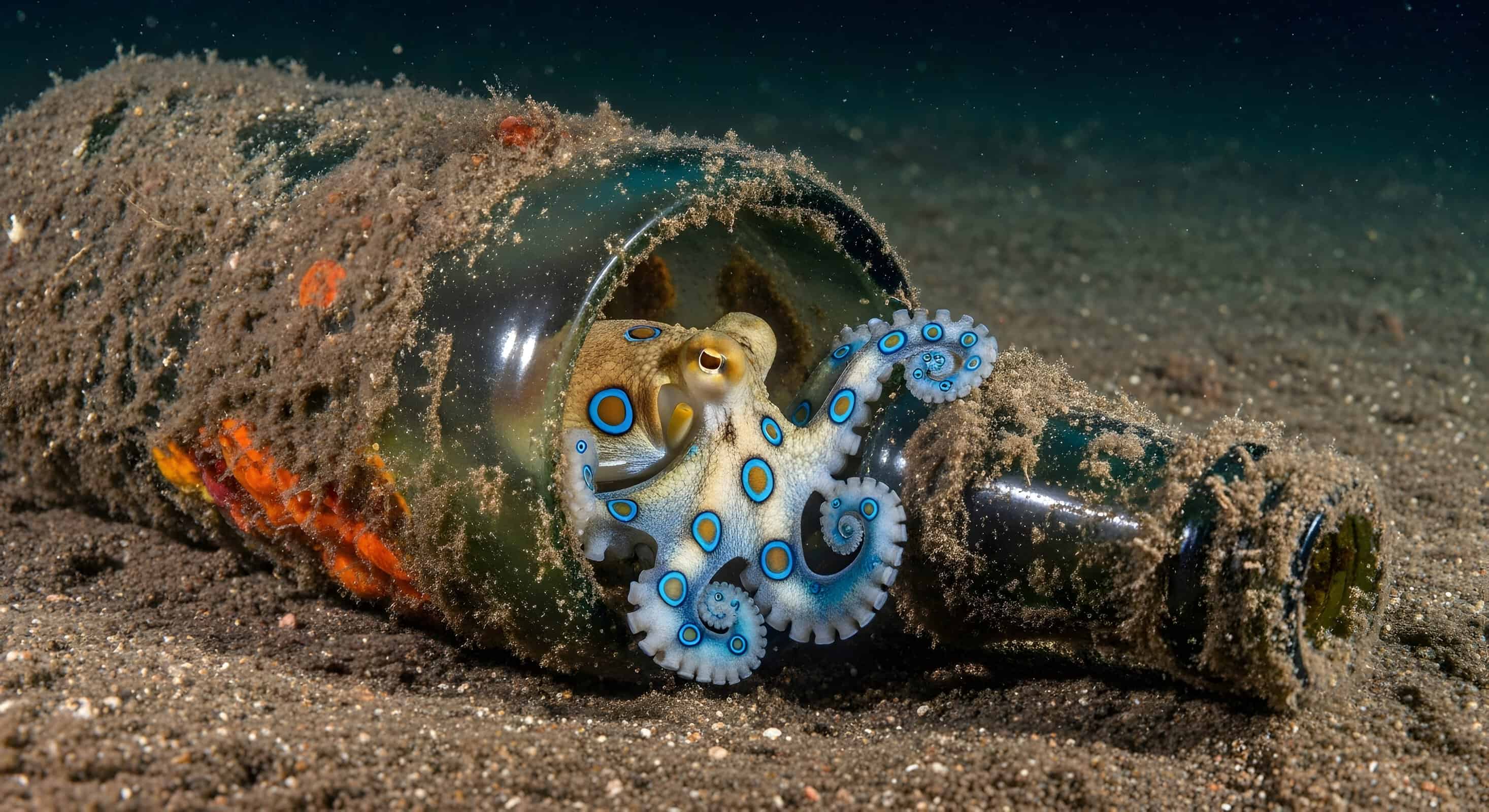
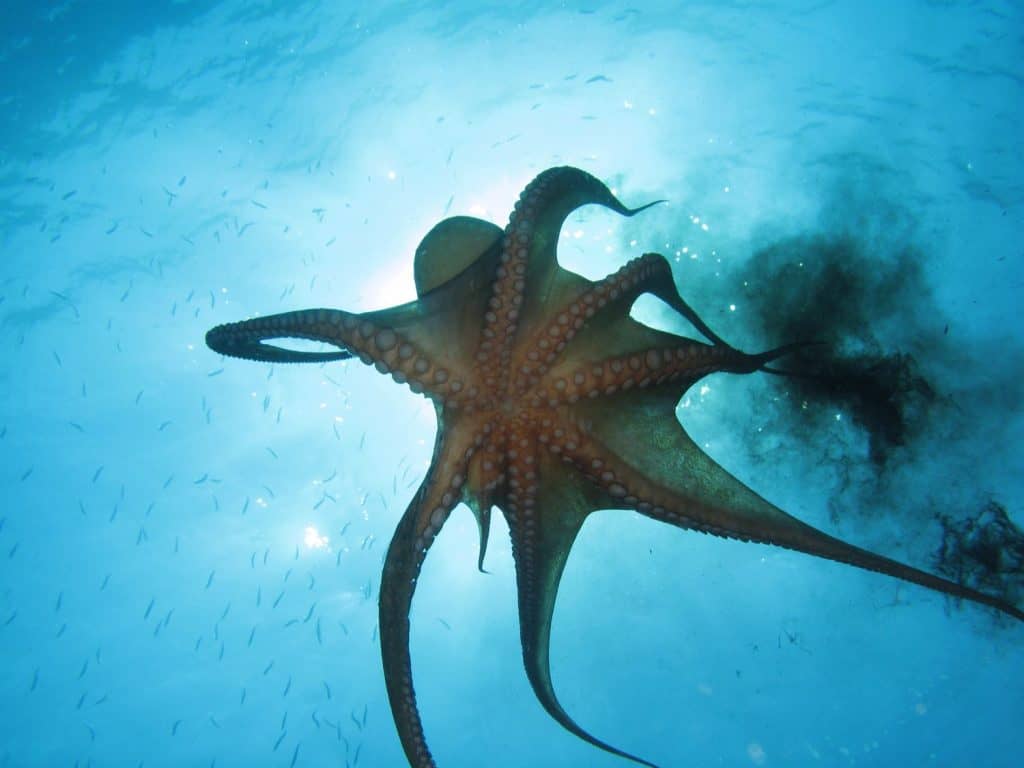
The octopus is tremendously fascinating for a variety of reasons. And one of its special traits is blue blood. It relies on the blue-toned hemocyanin to survive in low oxygenated ocean waters, as it functions more efficiently under harsh conditions. Octopuses are extremely active and some are quite large (the giant Pacific octopus can weigh 100 pounds), and oxygen must flow readily throughout its body. Hemocyanin makes this possible, while giving its blood a unique shade.
6. Horseshoe Crab Blood Is Worth a Fortune
©Ilya D. Gridnev/Shutterstock.com
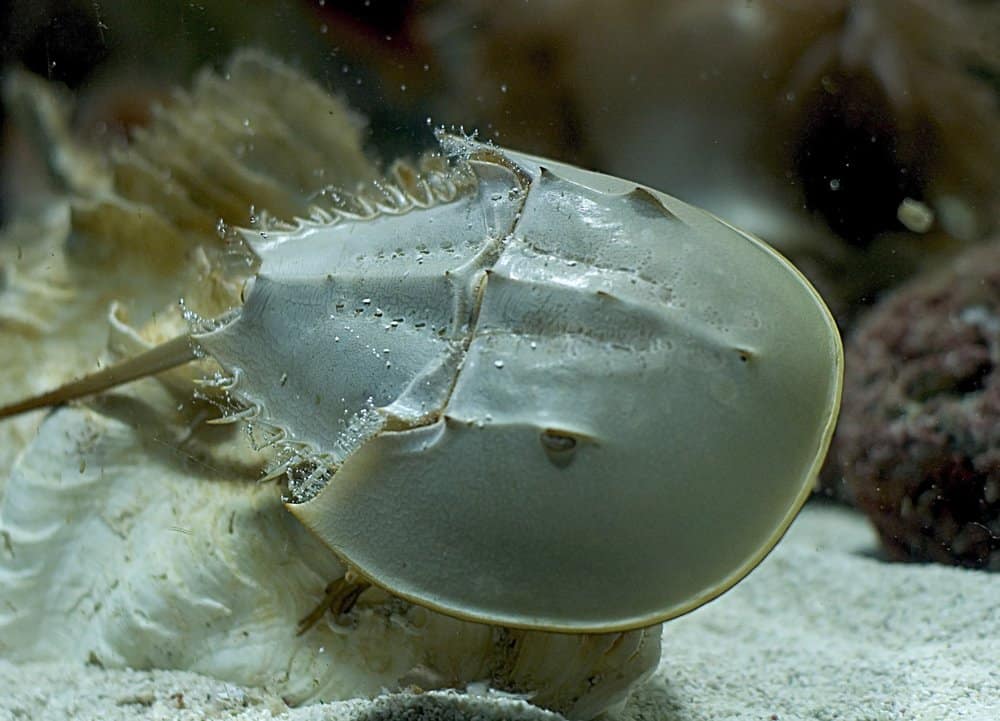
The horseshoe crab is probably the best-known blue-blooded animal on Earth. It also has special cells that can detect harmful bacterial toxins. Because of this remarkable ability, the medical industry uses horseshoe crab blood to test vaccines and medical equipment for bacterial contamination. The horseshoe crab is not a true crab. It is more closely related to spiders and scorpions, both of which have been found to have blue blood. Incredibly, a small amount of horseshoe crab blood can be worth thousands of dollars due to its importance in medical safety testing.
7. Blue Blood Evolved Long Before Dinosaurs

©FOTOKITA/Shutterstock.com
Animals with blue blood have existed for hundreds of millions of years. Horseshoe crabs evolved long before the dinosaurs and still have the same basic blood chemistry today that they did back then. Ancient cephalopod ancestors also relied on hemocyanin before they evolved into modern day squids, octopuses, and nautiluses. The continued survival of blue-blooded animals points to how successful the adaptation has been. In evolutionary terms, it has stood the test of time.
8. Blue Blood Is Not Actually Bright Blue All the Time
©Promotive/Shutterstock.com
Many science publications depict blue-blooded animals as filled with bright royal-blue blood, but the reality is more nuanced. As with human hemoglobin blood, there can be great variety in coloration. Hemocyanin becomes intensely blue when it is carrying oxygen, so oxygen heavy blood will appear vivid. When oxygen levels are lower, the blood can look much less bright, gray, or even colorless. The exact shade depends on both specific species and oxygen concentration. While the color is often less dramatic than many envision, it doesn’t make the chemistry any less fascinating or unique.