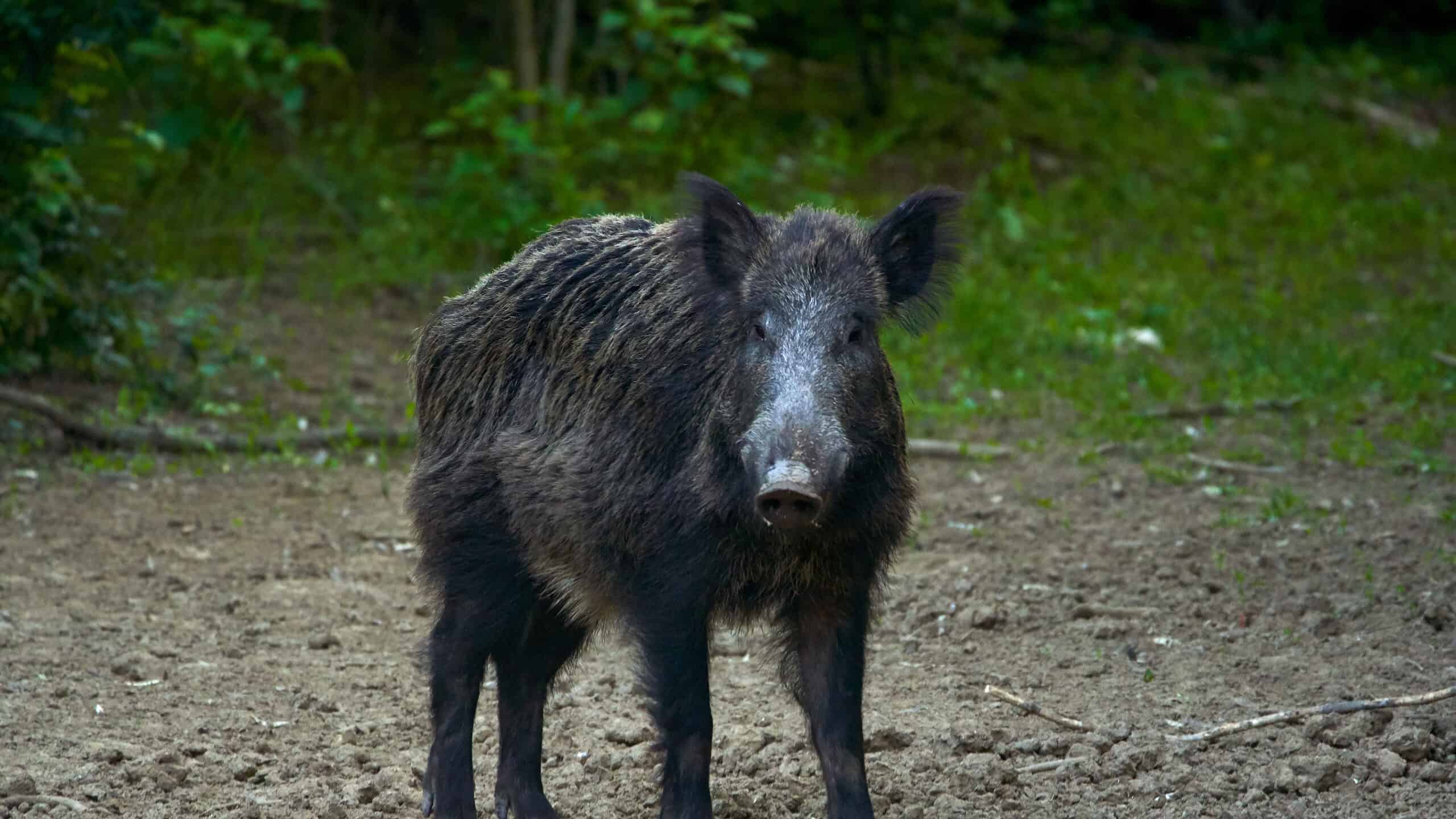

Some invasive species have been around for hundreds of years while others have only been making their presence known in recent years. Either way, their presence has harmful consequences. Discover the five invasive species in Mississippi, including the kind of damage they leave in their wake.
What Are Invasive Species?
Invasive species refer to a variety of living organisms from large mammals to microbes. When the word “invasive” is used, it doesn’t just mean “non-native,” as the term has two aspects that must be fulfilled before it can be considered a truly invasive species. The first part means that whatever living organism you’re referring to is not native to the environment it’s in. Sometimes it’s an intentional introduction and other times, it’s accidental.
The other part of the definition for invasive species is that the introduction of a living organism causes some kind of harm, be it to human health, to the environment, or even to the economic health of a region. You can have a non-native plant, for instance, that doesn’t cause harm to the environment it’s in. In this case, it would be non-native, but it would not be invasive. A domestic cow is another great example, as it’s beneficial for the agricultural industry but is not native to the U.S.
Often, invasive species are spread at the hands of humans, and in most cases, the first introduction is accidental. Then, the living organism proceeds to proliferate. Considering how many goods are shipped to and from other countries, it’s likely that other living organisms tag along for the ride, finding themselves in a completely new environment. A more intentional example of how humans take part in the spread of invasive species is the release of exotic pets into unnatural environments.
8 Invasive Species in Mississippi
Mammals
Wild Hogs
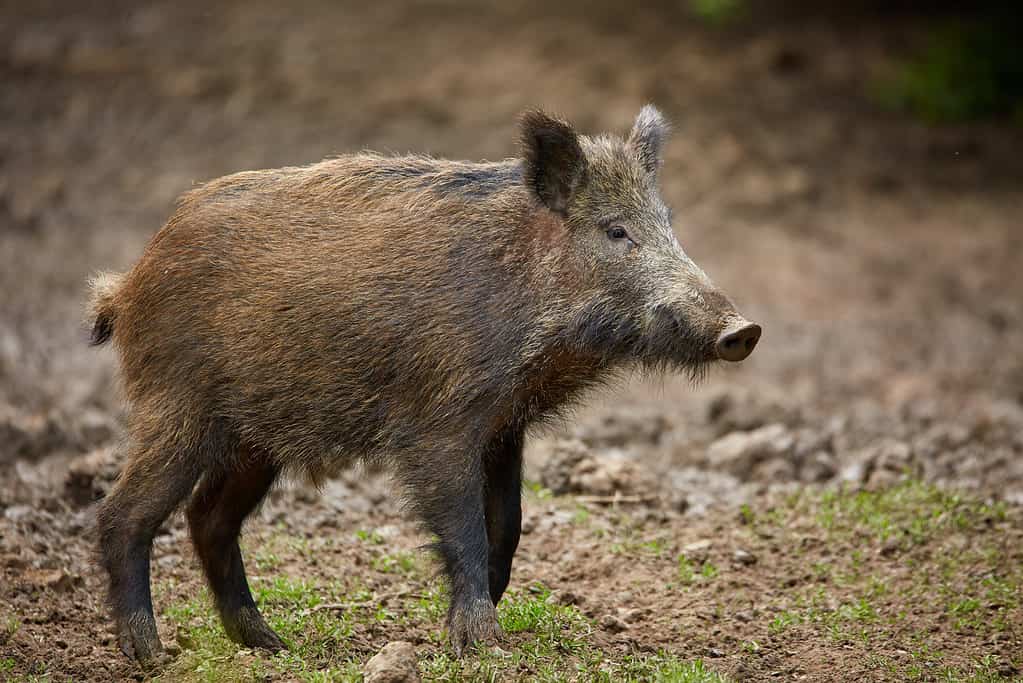
They are found throughout the state and their detrimental economic impact is around .5 billion.
©Slatan/Shutterstock.com
Wild hogs were introduced to Mississippi in the 1500s when a Spanish explorer named Hernando DeSoto made the conscious decision to introduce them as a food source. This is an example of humans having good intentions yet not considering how these animals would negatively impact the environment. Wild hogs have voracious appetites and have a varied diet that includes everything from small mammals to plant matter.
They’ll snack on eggs and even eat the young of larger mammals. They are found throughout the state and their detrimental economic impact is around $1.5 billion. Additionally, they’re excellent carriers and transmitters of diseases which don’t affect them so they easily spread them.
Nutria
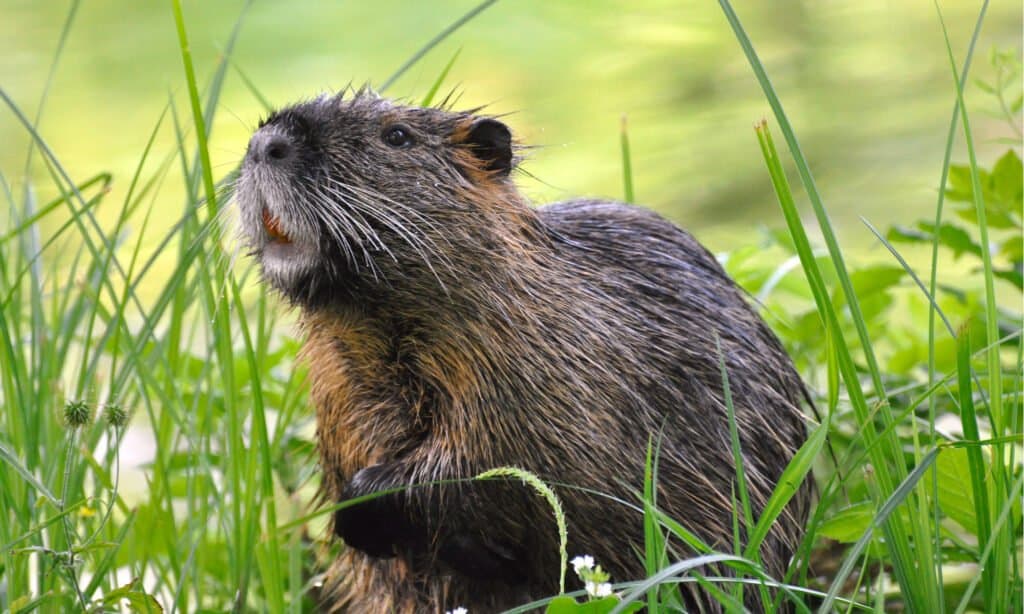
These mammals wreak havoc on levees because of their tendency to burrow.
©Sonja Guijarro/Shutterstock.com
Nutria are small mammals that resemble some more common rodents and prefer to live in wetlands. Their introduction to the U.S. occurred in 1889. They’re originally from South America and were introduced to the country as a source of fur. Unfortunately, the market was no longer in the 1940s, and farmers who had raised them were forced to release them. These mammals wreak havoc on levees because of their tendency to burrow.
Birds
Common Starling
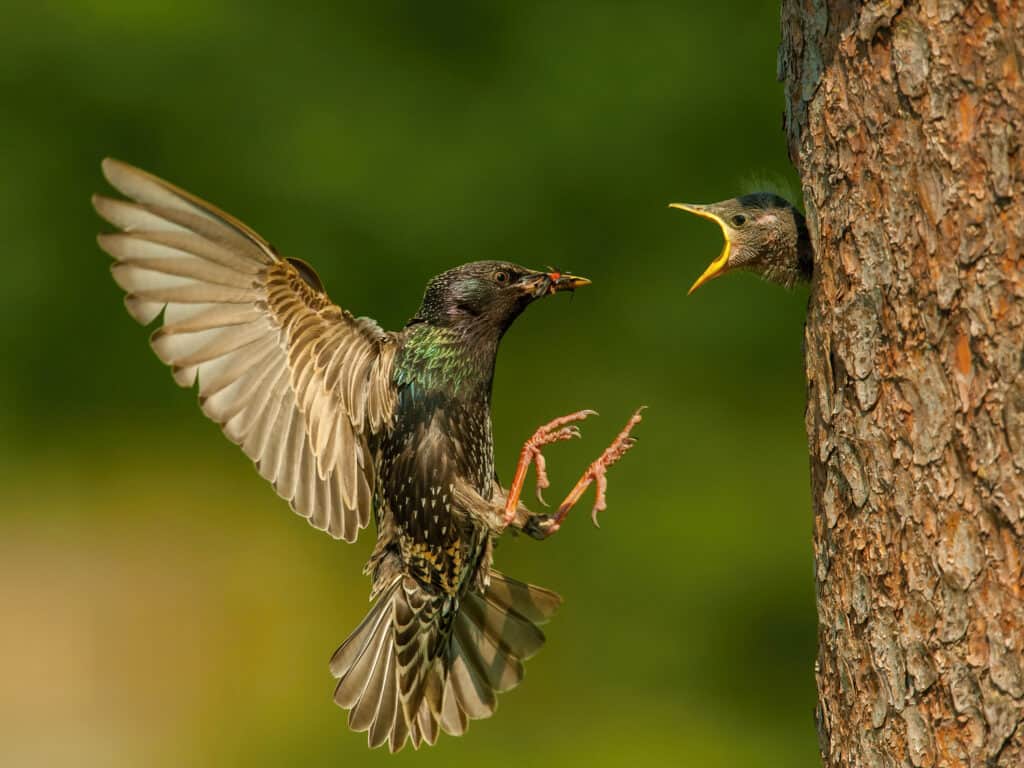
These birds are aggressive and kick out other less aggressive birds, leaving them without the safety of their homes or secure food sources.
©Petr Simon/Shutterstock.com
The common starling sure is common, but it’s not a native species. A New Yorker named Eugene Schieffelin introduced the common starling as his vision included introducing animals found in Shakespeare’s revered works. These birds are aggressive and kick out other less aggressive birds, leaving them without the safety of their homes or secure food sources.
House Sparrow
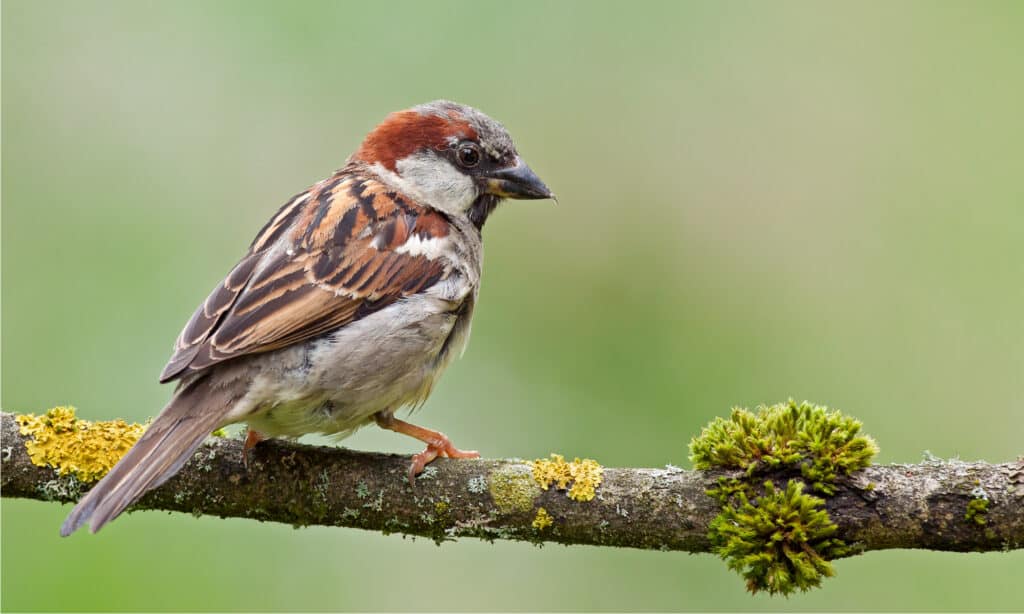
They are also quite effective at displacing other birds, using aggression as needed.
©Rob Christiaans/Shutterstock.com
House sparrows, like common starlings, were also introduced by Schieffelin as pest control. They are also quite effective at displacing other birds, using aggression as needed.
Fish
Asian Carp
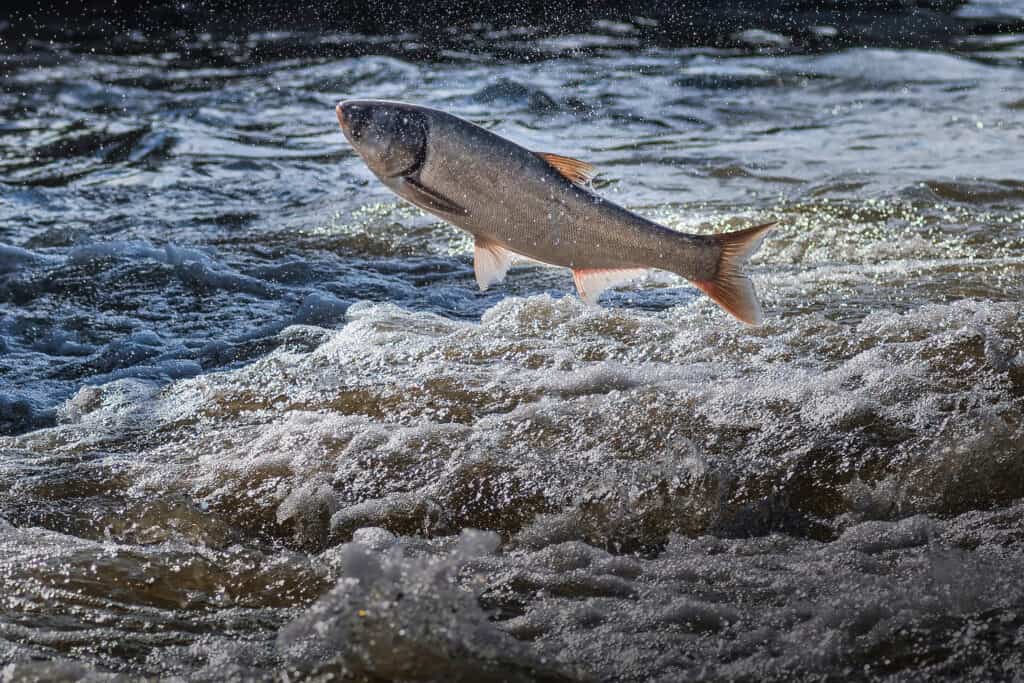
They’re not only dangerous to the native species in these environments, but they also fly out of the water and smack into fishermen on boats!
©SandmanPhotography/Shutterstock.com
Asian carp go by different names, including flying carp and silver carp. These fish first arrived in the U.S. in 1973 to help with controlling plankton. Yet a good intention once again resulted in disaster. They’re in multiple Mississippi Rivers, including the Yazoo River Basin and the Mississippi River Basin. They’re not only dangerous to the native species in these environments, but they also fly out of the water and smack into fishermen on boats! Fisherman harvest them recreationally and commercially to keep their numbers manageable.
Nile Tilapia
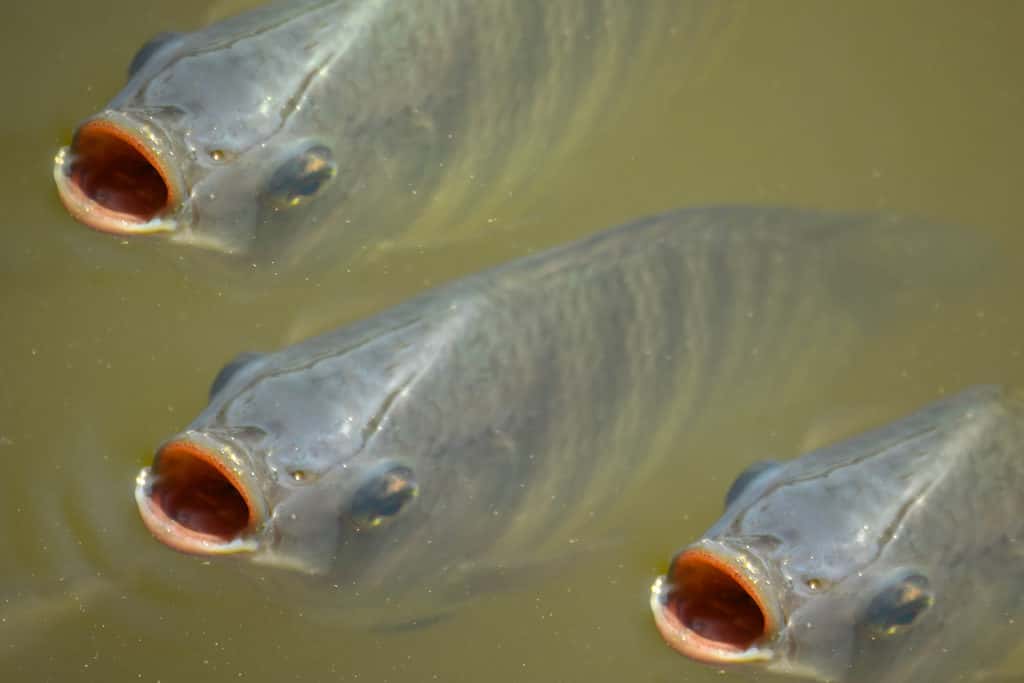
Left untouched, these fish can continue posing a threat as they focus on the native fish’s food web base.
©neenawat khenyothaa/Shutterstock.com
Luckily for native fish, Nile tilapia don’t compete for their food sources, but they do have an indirect impact on them. Left untouched, these fish can continue posing a threat as they focus on the native fish’s food web base, which changes the types of food native fish are able to enjoy.
Plants
Chinese Privet
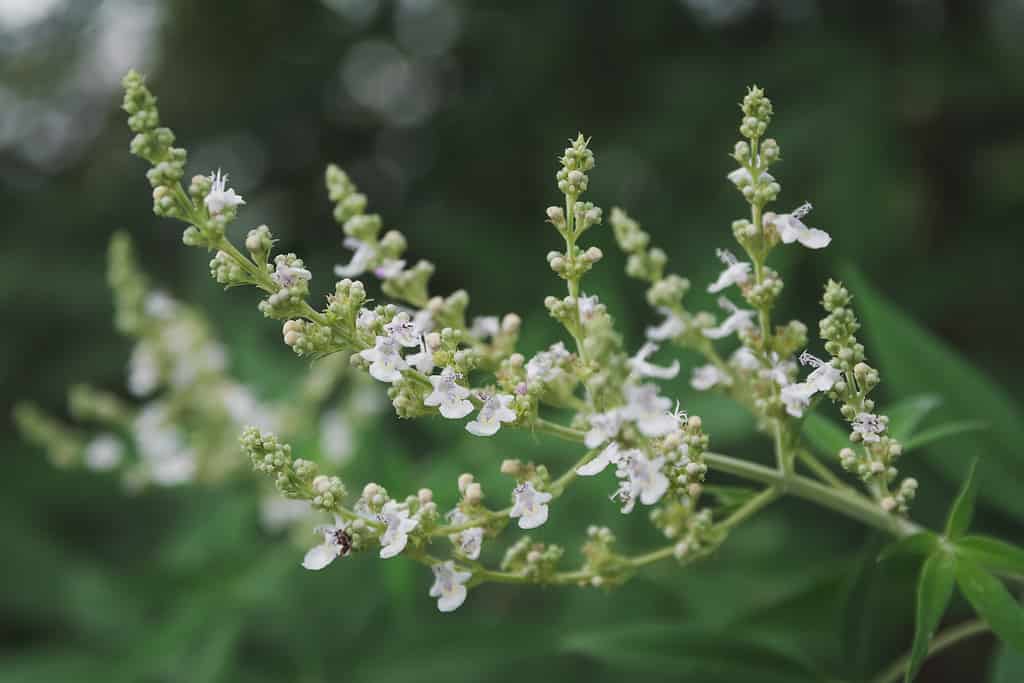
They form thick evergreen walls, creating shade that prevents other plants from thriving.
©YuRi Photolife/Shutterstock.com
Chinese privet is an invasive plant species that outcompetes native plants, taking over their natural environment. They form thick evergreen walls, creating shade that prevents other plants from thriving.
Japanese Honeysuckle
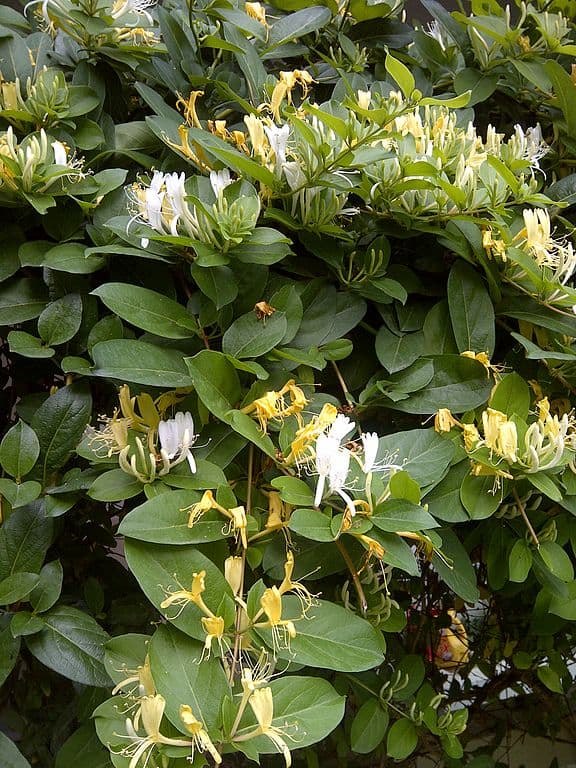
They reduces access to sunlight and takes up nutrients.
This plant multiplies quickly and easily, pushing native plants out of the way and preventing their growth as it takes up more space, reduces access to sunlight, and takes up nutrients.
| Animal Type | Invasive Species |
|---|---|
| Mammals | Wild hogs, nutria |
| Birds | Common starling, house sparrow |
| Fish | Asian carp, Nile tilapia |
| Plants | Chinese privet, Japanese honeysuckle |