
Quick Take
- Despite its name, the Asian swamp eel isn't actually an eel, and that biological quirk is exactly what makes it so difficult to contain. See what makes it unique →
- The ecological damage this species is causing to certain native populations is far more severe than most invasive species warnings would lead you to expect. See the ecological damage →
- Researchers have found a way to detect this near-invisible predator without ever physically finding one, and this discovery could be the key to stopping the spread. Explore the DNA detection method →
- There's something specific ordinary Floridians can do right now to help, and it takes less than a minute. Find out how to help →
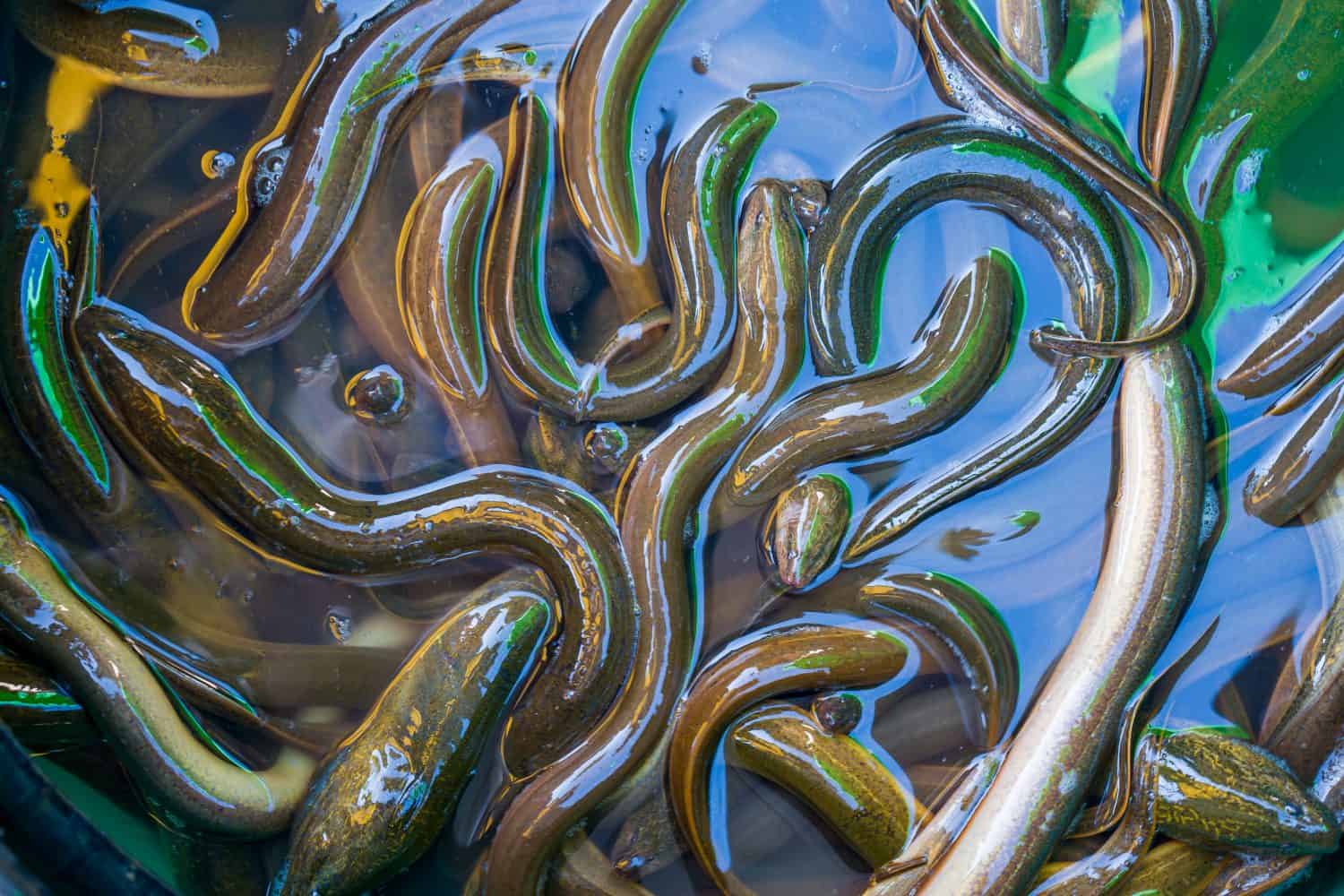
While Florida is known for its share of exotic animals, few people know about the new invasive species threatening the landscape. It’s the Asian swamp eel (Monopterus species complex), and while it doesn’t have an extremely intimidating appearance like a python or alligator, it’s still causing quite a stir.
According to reports, the presence of the Asian swamp eel has been linked to a decline in amphibians, crayfish, and native fish. In some areas, the changes are so dramatic that scientists believe they could reshape the local wildlife community. To make matters worse is, it’s primarily active at night and spends much of its time hidden in mud and vegetation, so it’s difficult to find. Let’s look deeper at this ecological crisis and what’s currently being done to stop it.
What is the Asian Swamp Eel?
First, let’s look more closely at the invasive fish species making headlines in Florida.
Native populations of Asian swamp eels are found across parts of eastern and southeastern Asia. However, the creature is sometimes introduced elsewhere, intentionally or unintentionally. The species is well-adapted to environments that would be challenging for many other fish. Additionally, Asian swamp eels are air-breathing animals, so they can obtain oxygen directly from the atmosphere rather than depending entirely on oxygen dissolved in water.
That fact is particularly important in Florida. The Everglades periodically experiences dramatic changes in water levels. During dry periods, shallow wetlands can lose much of their surface water. A typical fish that becomes trapped in a shrinking wetland may have few options, but not so with the Asian swamp eel. It can burrow into the mud and even travel short distances over land. It’s a drought-tolerant creature, which means trouble for the other species around.
This invasive species is a generalist predator. They consume a variety of aquatic organisms, including fish, crayfish, and other small animals.
How Many Are There in Florida?
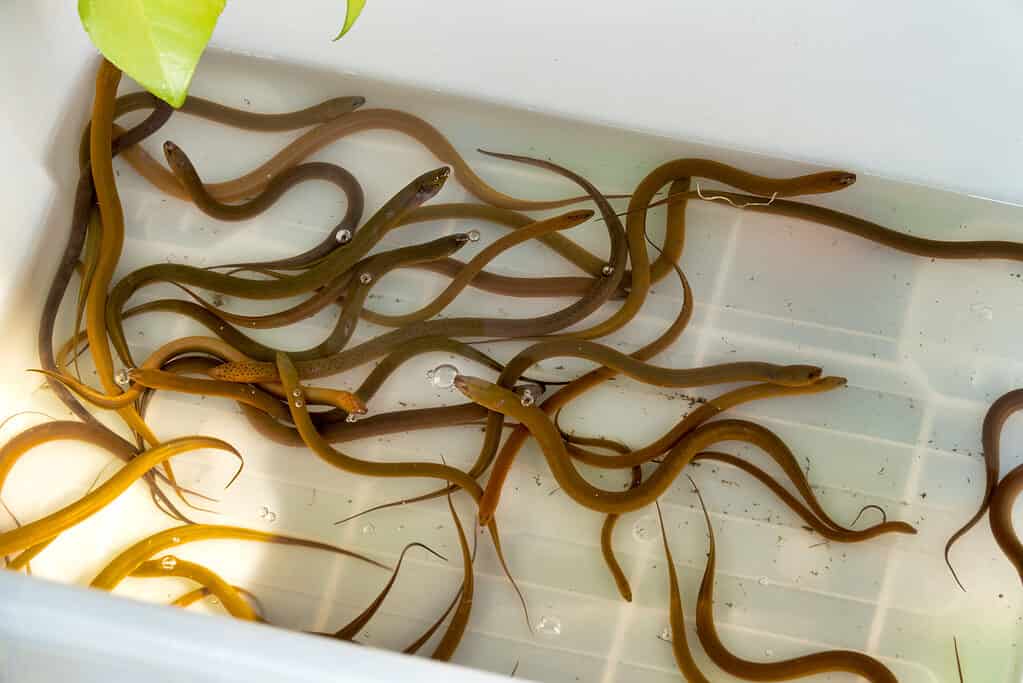
Asian swamp eels are native to southeast Asia but have been introduced into Florida and Georgia in the United States.
©iStock.com/only_fabrizio
The species was first documented in the Florida Everglades in 2007. From there, the population expanded. A South Florida Environmental Report examining the species’ spread found that the range covered approximately 1,500 square kilometers of southern Florida between 2007 and 2017. Between 2017 and 2022, the area expanded dramatically, reaching roughly 5,800 square kilometers as the species spread west and north.
Reports today now show that Asian swamp eels are found in 14 Florida hydrologic units across the state. This includes areas associated with the Everglades, Lake Okeechobee, Tampa Bay and several west and central Florida watersheds. That said, we cannot say exactly how many Asian swamp eels there are in Florida. What scientists can say with much greater confidence is that the species is established, reproducing and spreading across parts of Florida. And that it has reached high abundance in some areas of the Everglades.
The exact size of the population matters less than where the eels are and what they are doing to ecosystems.
How the Species Is Affecting Local Wildlife
When it comes to invasive species, the biggest threat isn’t always that they’ll kill everything in their path and destroy an ecosystem. Instead, their greatest impact often comes from changing the abundance of just a handful of important species in the area. Research has documented declines in native fishes and decapods following the eel’s introduction. Plus, long-term Everglades data have shown particularly severe reductions in some species.
According to South Florida Environmental Report data, a 26-year analysis found Asian swamp eel presence associated with a 99% reduction in populations of two native crayfish species in the Everglades. Several fish species also experienced substantial declines. There were reductions of more than 50% in golden topminnow and eastern mosquitofish and reductions of more than 90% in flagfish and marsh killifish.
The southern leopard frog population is also being affected. Researchers have reported that the species has disappeared from areas south of Interstate 75 in parts of the Everglades where Asian swamp eels are established. While crayfish and frogs may not receive the same public attention as alligators, panthers, or wading birds, they are essential pieces of the Everglades food web.
What Solutions are in Place?
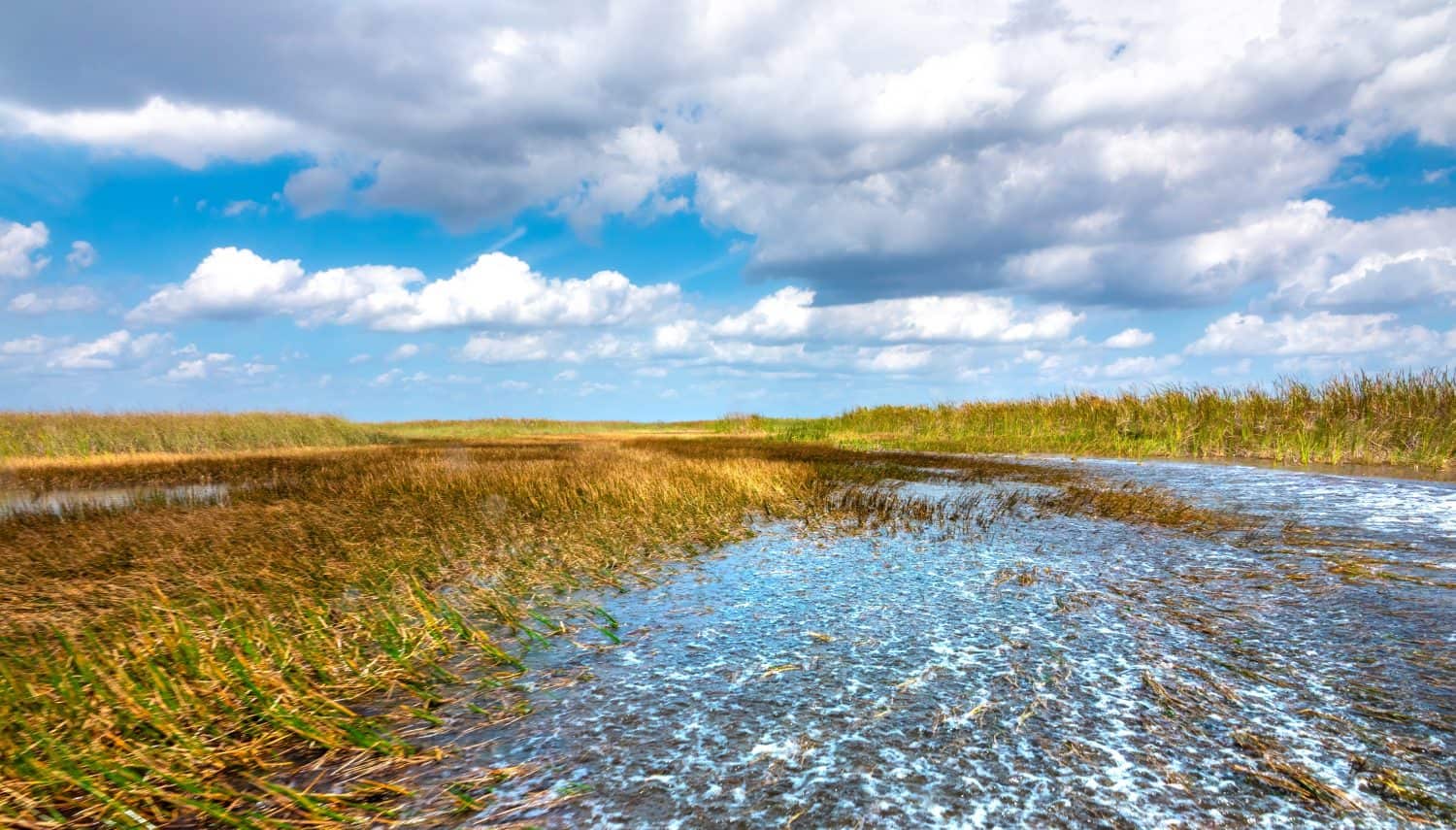
Local Floridians can help with this issue by reporting the eels and other strange creatures in the waterways.
©LouieLea/Shutterstock.com
Once the problems are defined, the next step is to mitigate the damage caused by the invasive species. In this case, a few solutions are in place.
Finding the Species Using DNA
Animals naturally shed tiny amounts of DNA through skin cells, mucus, and waste. Researchers are using that DNA to analyze genetic material left behind in water. Scientists may be able to determine whether an invasive species has been in an area. They can often do so without actually seeing or catching the animals. The tech can be used as an early warning system. Instead of sending people out to find the species, managers can use water samples to better pinpoint where they may be found.
Trapping the Species
Once the DNA system helps identify where the invasive species may be located, the goal is to reduce its numbers. Researchers have investigated trapping as one potential tool. That starts with determining what bait and trap configurations are most effective. One strategy may be electrofishing, which has shown success in the past. It’s a scientific process that temporarily stuns fish so biologists can capture and study them without causing harm.
What Can Ordinary Floridians Do?
While typical citizens may not have the tools for electrofishing, there are other things locals can do to help prevent the next invasive species. One is never releasing non-native animals into the population. If you no longer want your exotic fish or other animal, take advantage of Florida’s Exotic Pet Amnesty Program instead of letting them loose into the waterways.
Also, people who spend time fishing, boating, or exploring Florida’s waterways can report to local authorities when they spot the Asian swamp eel or other unusual fish in the area. That way, experts can track their whereabouts. Reports can be submitted through IveGot1.org, the IveGot1 mobile app, or by calling 1-888-IVEGOT1.
There’s Still Time to Solve the Issue
The current situation with the Asian swamp eel will only worsen if we do nothing. Over time, scientists can continue to investigate, and with public help, we can save the local ecosystem.