
It might be unsettling to hear of a spider infestation, but spiders are very helpful creatures. Still, no one wants to come across hundreds, if not thousands, of dangerous spiders, especially on a trip to a museum. The Finnish Museum of Natural History in Helsinki is home to a massive Chilean recluse spider infestation. But how did these spiders get here? While there are some theories, experts aren’t 100% sure. Keep reading to learn about the Arctic Museum infested with venomous spiders!
About the Chilean Recluse Spider
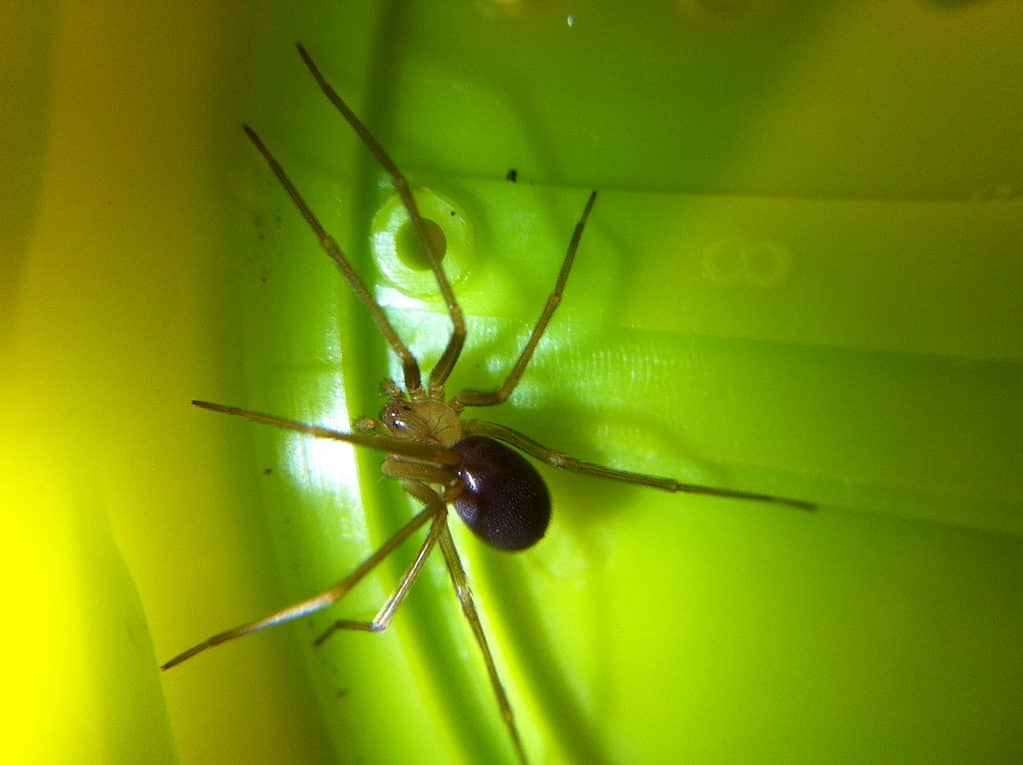
The Chilean recluse spider is highly venomous.
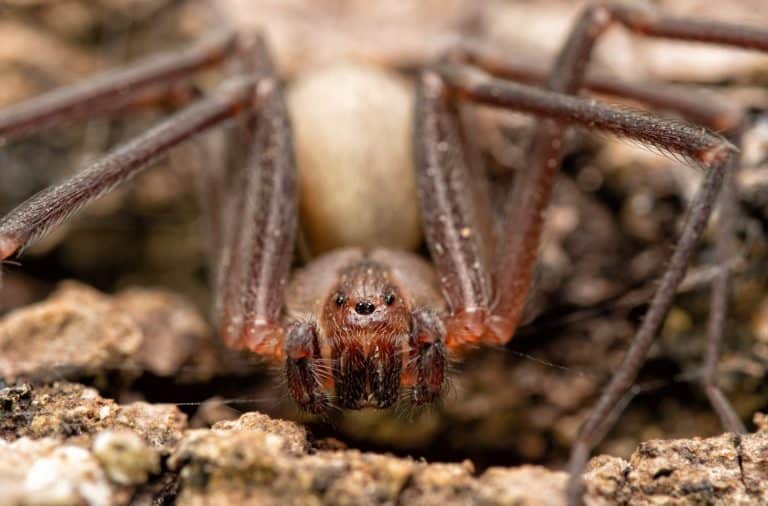
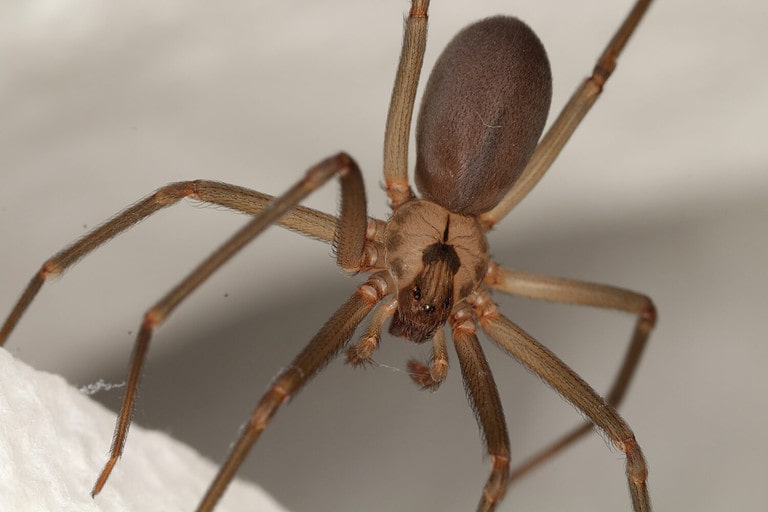
The Chilean recluse spider is a highly venomous spider belonging to the family Sicariidae. In some parts of the world, it’s called a “corner spider” or a “brown spider”. It’s also nicknamed the “fiddleback spider” or “violin spider” in English-speaking countries, though they are not the same as the brown recluse found in North America.
Size and Appearance
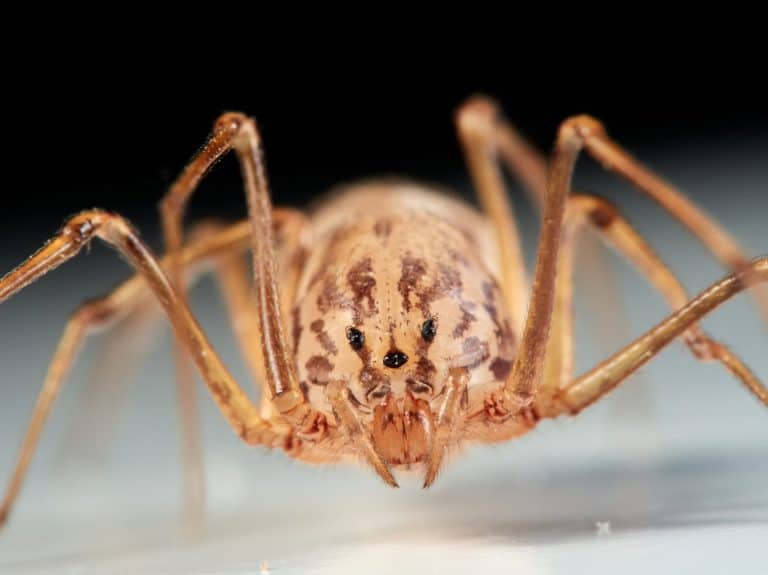
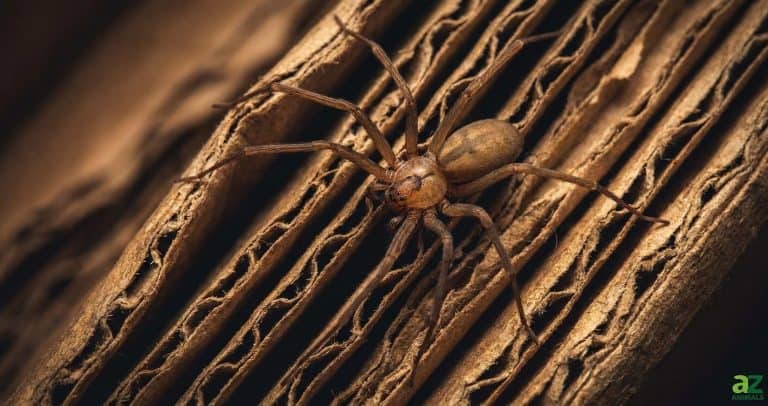
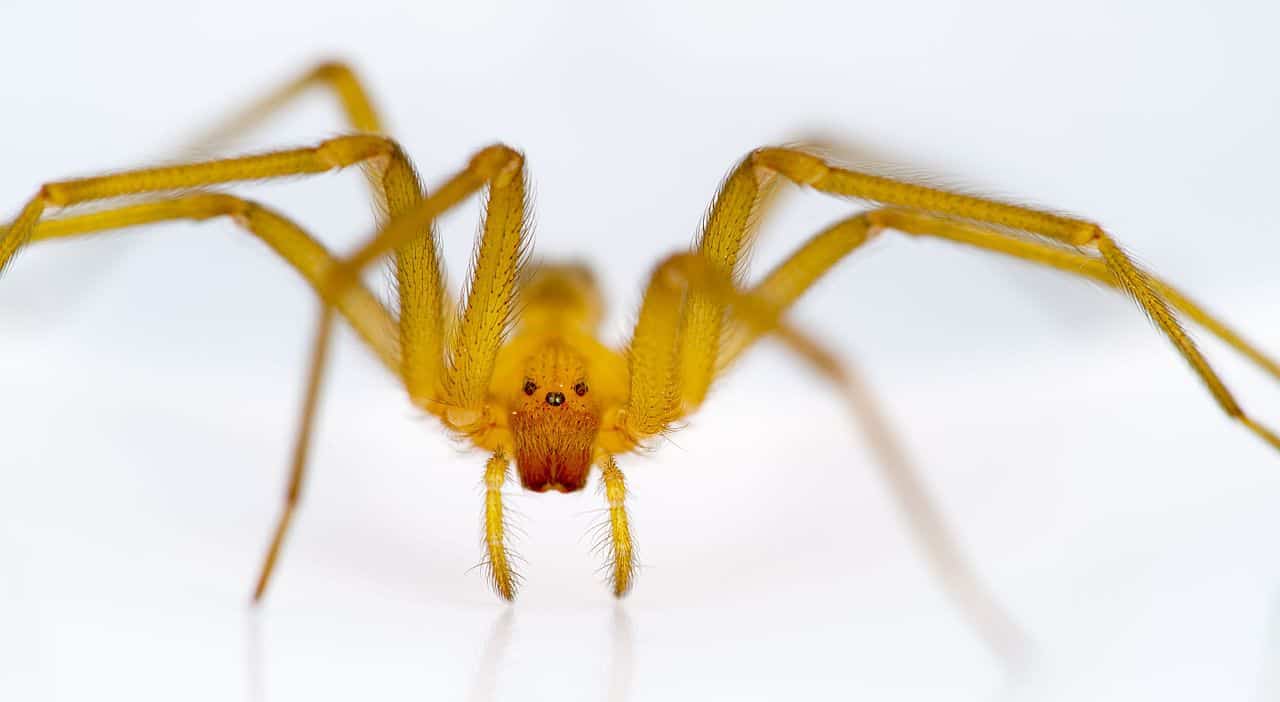
Chilean recluse spiders are one of the largest types of recluses. They can grow up to 40 mm long including their legs. They are easy to distinguish because of the markings on the dorsal side of their thorax. This spider is brown and has a long black line that makes it resemble a violin, though the marking isn’t always visible. Unlike other spiders, this species has six eyes in pairs.
Diet
These spiders have a unique way of hunting. They build nests and irregular webs with disorderly threads, which they leave at night. Chilean recluse spiders build nests in buildings, woodpiles, and garages. Interestingly, they can go for long periods without food or water. For instance, one experiment found that female Chilean recluse spiders could go up to 755 days without food or water after reaching maturity! They aren’t picky eaters and mainly consume soft-bodied insects. They are also cannibalistic and sometimes consume other smaller spiders.
Predators
Although Chilean recluse spiders are large, they still have natural predators. They are easy prey for praying mantis, blue jays, and other birds and crickets. Their natural predators vary depending on where they live. For example, some Chilean recluse spiders fall prey to wasps and lizards.
Distribution
Chilean recluse spiders are native to South America. They are most common in Chile, Peru, Uruguay, Ecuador, Argentina, and south and eastern Brazil. Although they can live outside of South America and are found throughout the world, they don’t thrive and typically stick to one confined location. They have an established presence in Los Angeles and infestations have been reported in Florida, Kansas, Massachusetts, Australia, and some Canadian cities.
Bite and Venom
Although Chilean recluse spiders are the most venomous of all recluses, they rarely bite. Instead, most run away when in contact with a human. They hide quickly and only bite when provoked. Chilean recluse spiders mainly bite when trapped against clothing; for example, if you are putting on shirt a spider was hiding in, you may get bitten when the spider becomes confined. As venomous as they are, they only cause death 3-4% of the time. Instead, their bites are more dangerous for small children and the elderly. If you suspect you’ve been bitten, use an ice pack on the area. This can slow down the effects. Usually, the venom only causes mild skin irritation.
The Strange Arctic Museum Infested with Mysterious Venomous Spiders
Surprisingly, Chilean recluse spiders are all over the Finnish Museum of Natural History and have been there for over 50 years. While these spiders roam around the entire museum, they are most common in temporary exhibition spaces. Museum curators first became aware of the Chilean recluse spiders around 1963. By 1970, these spiders were everywhere. When they did a systematic search, they found an infestation. These spiders are in cupboards, desks, and behind pictures hanging on the museum walls.
The infestation was so large, that a scientific paper was published about it in 1972. They were especially common in the museum’s small kitchen room. This room was demolished during renovation, but still, an infestation persists. Although no one is 100% sure how the recluse spiders made their way to the museum, the most common theory is that they came in a delivery of apples from Argentina. Others, however, believe that the spiders came from a rat enclosure containing woodchips in the 1960s. This box filled with live rodents may have transported the spiders to the museum from South America. In over 50 years of infestation, the museum has only reported one bite and it wasn’t harmful.
Up Next
- Black Widow Spider vs Brown Recluse Spider: 5 Differences
- Banana Spider vs Garden Spider: What Are the Differences?
- Joro Spider vs Banana Spider: What Are the Differences?
- Garden Spiders in Texas: 29 Common Spiders in Gardens