
Deep lakes are fascinating geological or man-made features; the deeper they go, the more riveting they become. Asia is the Earth’s largest continent, and it contains a vast array of immense lakes, but which one is the deepest? This article will discover the deepest lake in Asia, how it formed, and what lurks in its depths.
What Exactly Is Asia?
Before we jump in and discover the deepest lake in Asia, let’s find out exactly where Asia is located because this will help us understand its deep lakes and ecosystems.
Asia is an area comprising 50 countries. Russia is the largest Asian country, followed by China. The smallest Asian country is the Maldives.
Over 4.5 billion people live in Asia. It’s the largest and most populated continent on Earth, with a wide range of climates and physical landscapes. As a result, it’s no surprise that Asia is home to the deepest lake in the world, plus the world’s largest lake by surface area.
What Is the Deepest Lake in Asia?
The deepest lake in Asia is Lake Baikal in rugged southern Siberia, Russia. It’s 1,642 meters deep.
Lake Baikal is an ancient lake in the mountains just over the Mongolian border. Experts believe it’s the deepest lake in Asia and the deepest lake in the world. However, its bottom wasn’t reached until 2008, so there may still be unplumbed depths to discover.
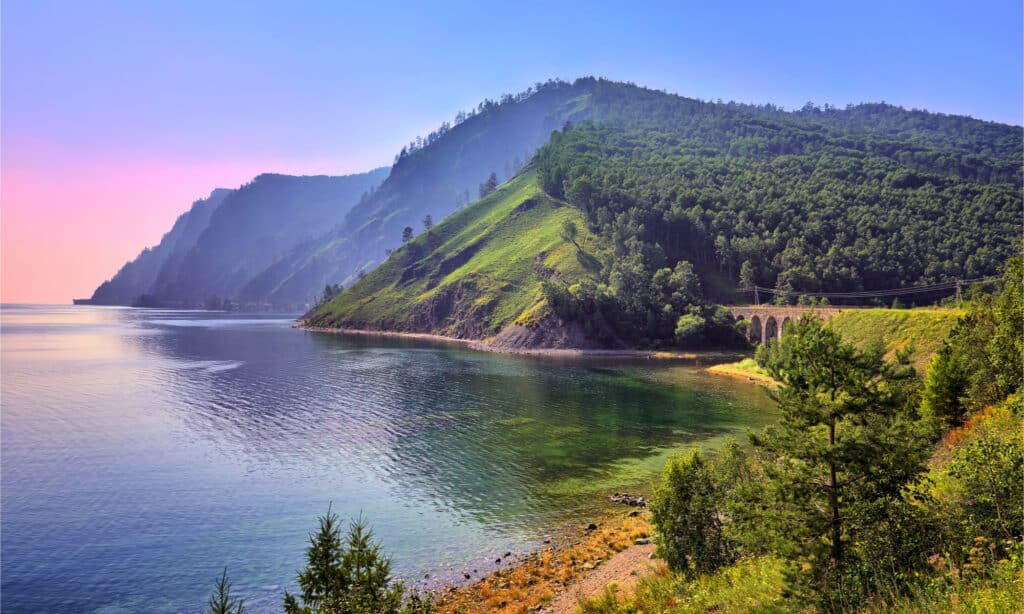
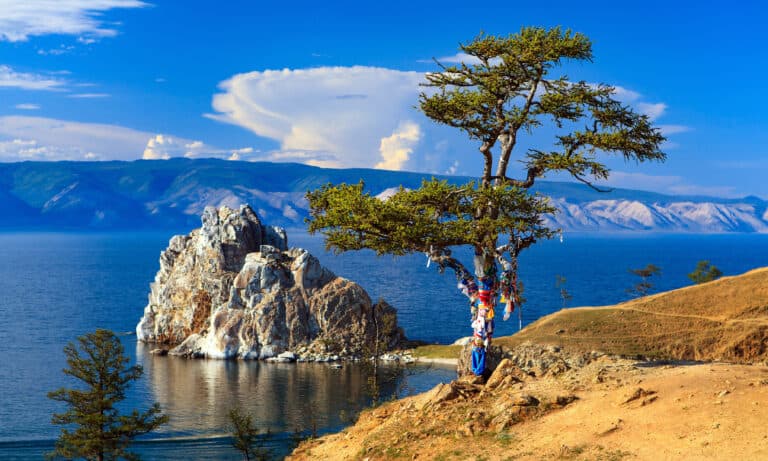
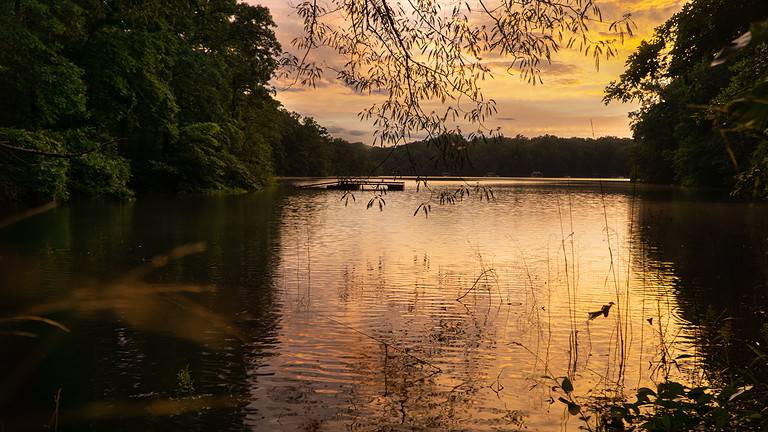
The deepest lake in Asia is Lake Baikal, at 1,642 meters deep.
©Nikitin Victor/Shutterstock.com
Lake Baikal: Vital Statistics
Lake Baikal, the deepest lake in Asia, is an ancient lake at least 25-30 million years old and the largest freshwater lake in the world. It contains more freshwater than all of the Great Lakes combined!
Lake Baikal is 395 miles long and 49 miles wide. It has 12,248 square miles of surface area, which only makes it the seventh-largest freshwater lake in the world by surface area. Its sheer depth makes it the largest. It actually contains an incredible 5,670 cubic miles of water, which is 22-23% of all the world’s fresh water.
The bottom of Lake Baikal lies 1,186 meters below sea level, with another seven miles of sediment below that. Experts believe it’s the deepest continental rift in the world. Because the lake is so huge, it’s divided into three basins. These are the North, Central, and South basins. The Central basin is the deepest section.

How Was Lake Baikal Formed?
The deepest lake in Asia is a rift lake. The Baikal Rift Zone is an area where the Earth’s surface is slowly separating. It’s still widening by 0.8 inches every year, which is roughly the same speed as South America and Africa drift apart. This leads some experts to claim Lake Baikal is an ocean being born.
The lake most likely began life as a river, but earthquakes and land fractures over millennia pushed its shores further apart. Geologists think a collection of lakes in the area eventually merged into one in the Pliocene era 5.3 to 2.58 million years ago, and melting glaciers helped fill the ever-widening and deepening space.
Lake Baikal is 25-30 million years old, which sounds ancient to us, but geologically it’s still young and active. Hot springs and earthquakes occur there regularly. Today, over 330 rivers drain into its depths, but only the Angara River drains out, eventually flowing down to the Arctic Ocean. It takes 383 years to replace all of Lake Baikal’s water completely. That’s twice as long as America’s Lake Superior takes.
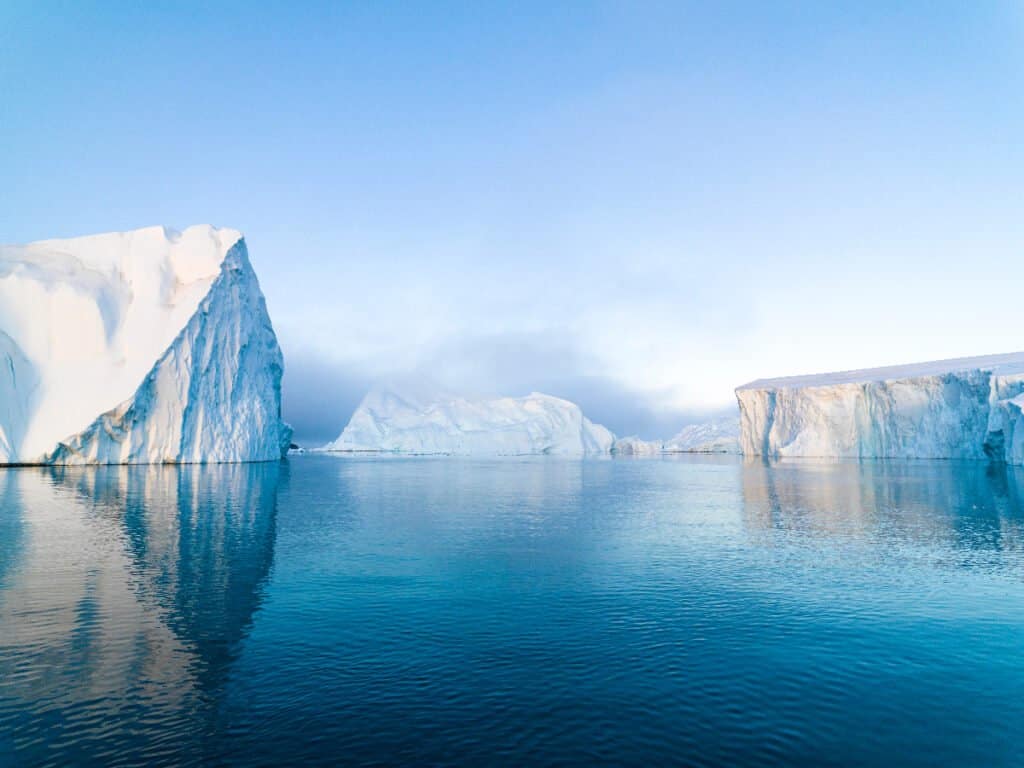
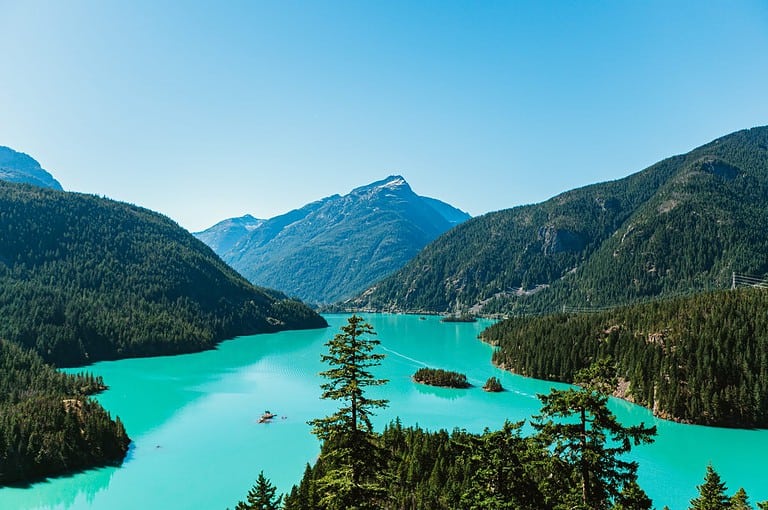
Lake Baikal drains into the Arctic Ocean via the Angara River.
©murattellioglu/Shutterstock.com
The Area Around Lake Baikal
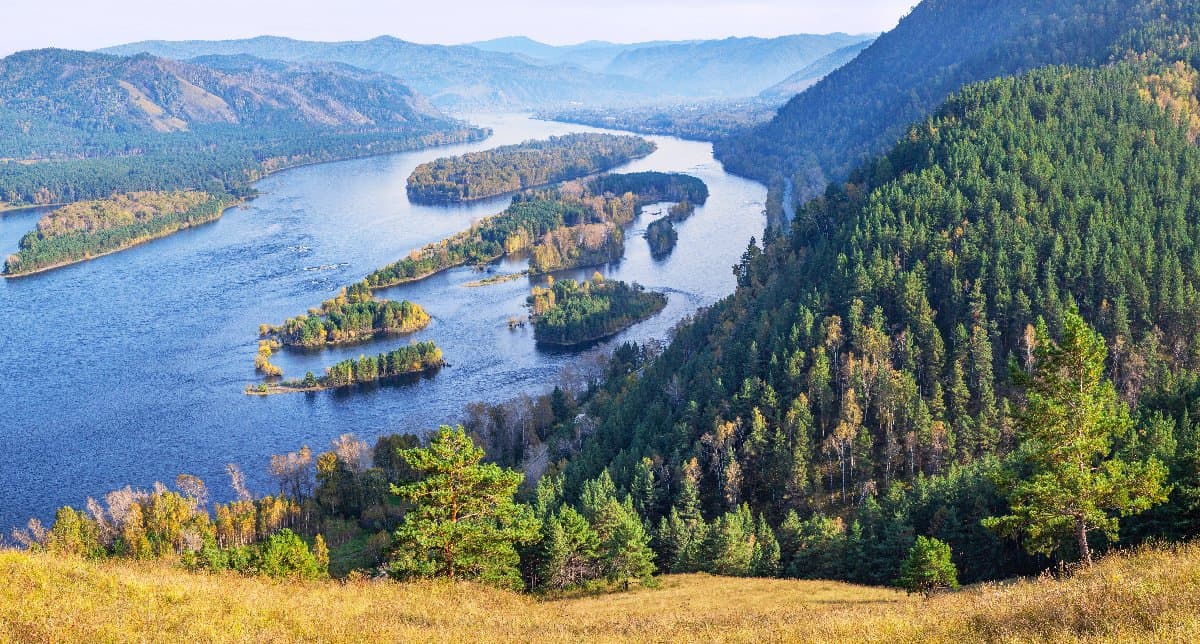
Lake Baikal is the deepest lake in Asia, and it’s surrounded by an astounding environment of nationally protected mountains, steppe, and taiga parks. In the lake, 27 islands break up the vast expanse of water, including Olkhon Island, which is 45 miles long.
As a result of these immense and varied ecosystems, incredible plants and wildlife make Lake Baikal their home.
Where Is Lake Baikal Located on a Map?
Lake Baikal is located in the southern region of eastern Siberia. It is between the federal subjects of Irkutsk Oblast to the northwest, the Republic of Buryatia to the southeast, and just north of the Mongolian border.
What Animals Live Near Asia’s Deepest Lake?
The UNESCO World Heritage Commission states Lake Baikal “contains an outstanding variety of endemic flora and fauna” and declared it a World Heritage Site in 1996. Lake Baikal is often referred to as the Galapagos of Russia because so many animals thrive there. It’s thought 80% of the resident species are endemic.
One endemic species popular with tourists is the Baikal seal, known locally as the Nerpa seal. Nerpas are the world’s only freshwater seal. They eat endemic cottoid fish and have a thriving population of over 100,000, but ecologists aren’t sure how these seals arrived at Lake Baikal because the ocean is over 100 miles away. A popular suggestion includes seals swimming down a prehistoric river that no longer exists.
Other animals living around Asia’s deepest lake include:
- Elk
- Reindeer
- Wild boar
- Siberian roe deer
- Eurasian brown bear
- Ermine
- Sable
- Eurasian wolves
- Polecats
- Red squirrel
- Mountain hare
- Red fox
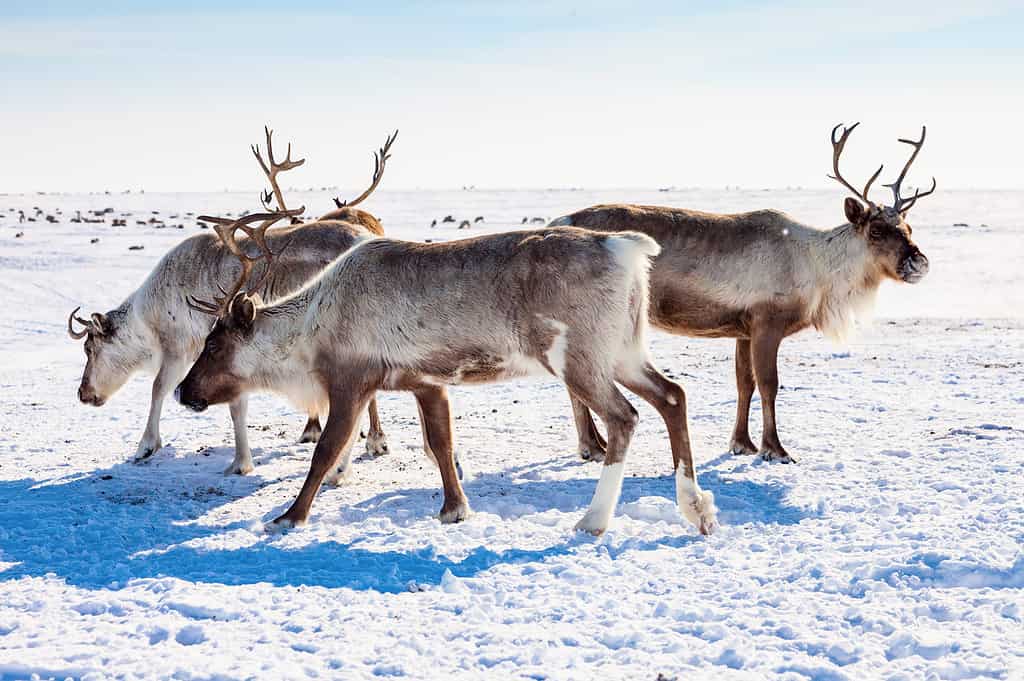
Reindeer graze tundra around Lake Baikal in Siberia.
©iStock.com/Artpilot
Fish in Lake Baikal
Of course, the deepest lake in Asia is filled with fish. Around 65 known fish species live there, and endemic fish species make up over half of this list, including deepwater Baikal oilfish and Baikal sculpins. Most notably, two endemic golomyanka species, which are translucent, live as deep as 1640 feet. They are one of the deepest freshwater fish species in the world. Anglers say they dissolve in sunlight, leaving only oil behind.
Indigenous Siberians believe the lake is also home to a giant dragon called Lusud-Khan, but no evidence of giant Lake Baikal dragons exists yet!
Alongside Lake Baikal’s fish (and potential dragon) live over 100 flatworm species, 700 anthropoid species, and 170 species of mollusks. Due to its rich oxygenated water, many grow to large sizes.
Lake Baikal Birdlife
Birdlife is wide and varied around the shores of Asia’s deepest lake. The Baikal teal and the Baikal bush warbler are common and live alongside the rarer Mongolian gulls, Red-breasted merganser, and Rufous-necked stints. In the mountainous areas, buzzards and booted eagles circle. It’s a popular place for bird-fanatic twitchers.
Lake Baikal is also home to the ethnic Mongolian Buryat tribe living on the eastern lake shores. These folk farm horses, camels, goats, and cattle as their ancestors did thousands of years ago.
Deepest Lake in Asia: Tourism
Lake Baikal is one of the world’s clearest lakes. In winter, it is possible to see 30-40 meters depth before it freezes for 4-5 months. It gets exceedingly cold in Siberia, so Lake Baikal’s ice freezes over two meters thick in places. During this period, tourists can drive vehicles over the crystal clear ice to view Olkhon Island and the lake’s frozen cave systems. Overnight yurts on ice and ice fishing are popular with thrill-seeking tourists too.
In summer and fall, water visibility falls to eight meters, and squalls can result in waves over 4.5 meters tall. At this point, the Baikal Range and Barquzan Range hiking trails open, and small boats take tourists on the water to view Nerpa seals and catch a glimpse of reindeer, bear, and golden fleeced sable.
Lake Baikal is usually too cold to swim (it rarely gets above 10 degrees C), but intrepid visitors can brave the chilly temperature in its numerous coves and sheltered beaches.
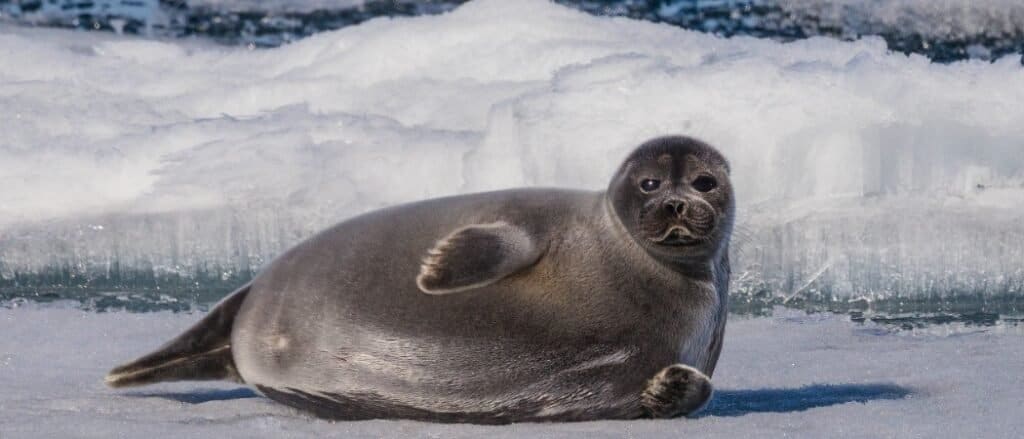
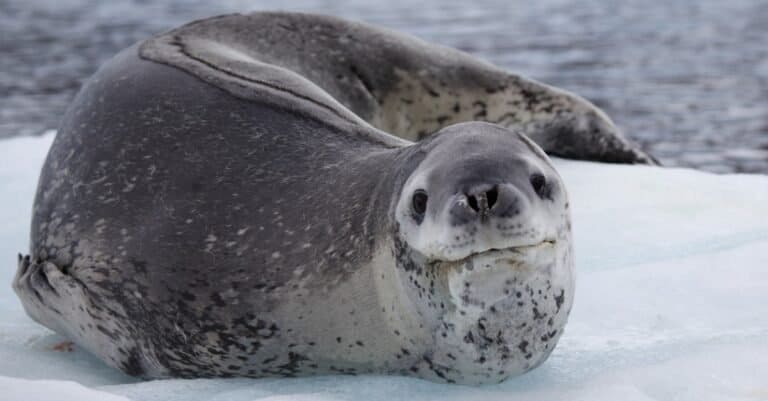
Nerpa seals live in Lake Baikal. They are the only species of freshwater seal in the world.
©iStock.com/Streluk
Biggest Lake in Asia
Lake Baikal is the deepest lake in Asia, but the largest lake in Asia by surface area is the Caspian Sea.
The Caspian Sea is the largest lake in Asia and in the world. It covers 143,000 square miles with shorelines resting in Azerbaijan, Turkmenistan, Iran, Russia, and Kazakhstan.
Discover the Deepest Lake in Asia: Recap
The deepest lake in Asia is Lake Baikal, a 1,642-meter-deep ancient lake in southern Siberia. Rifts, earthquakes, and glacier melt created this vastly deep lake 25-30 million years ago when mammoths, megalodons, and saber-toothed cats roamed the Earth.
Lake Baikal is growing in size today because the Earth’s surface is still pulling it apart. It’s incredible to think that Asia’s deepest lake is getting deeper every year.