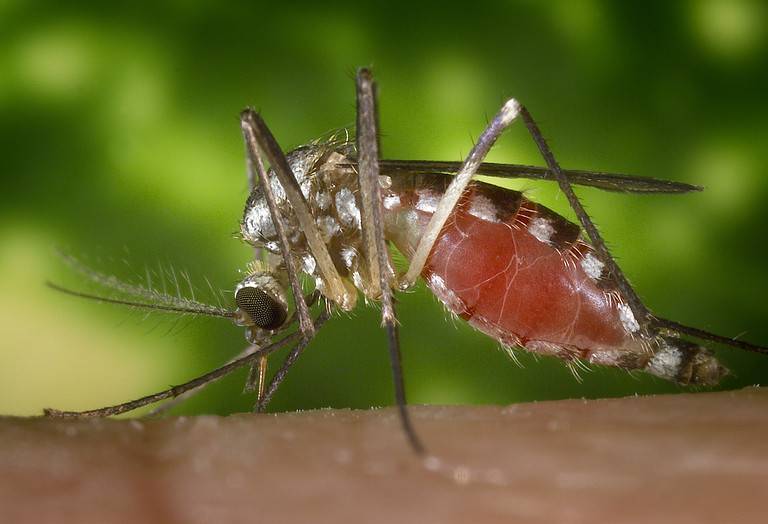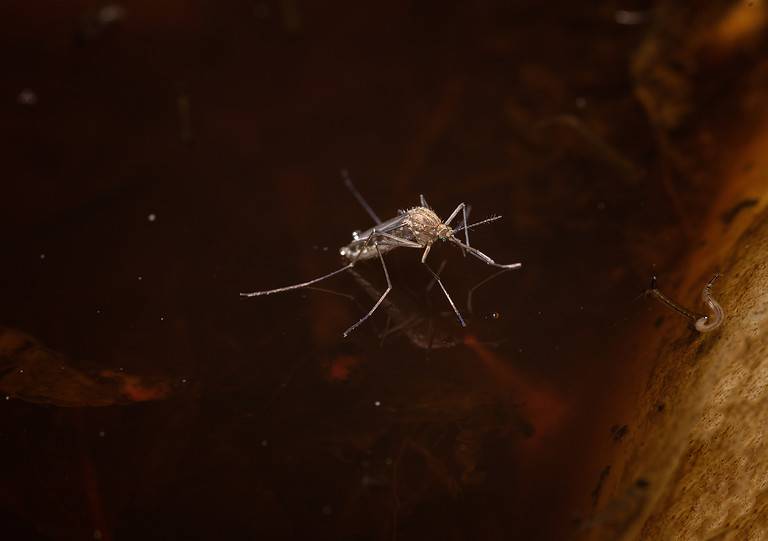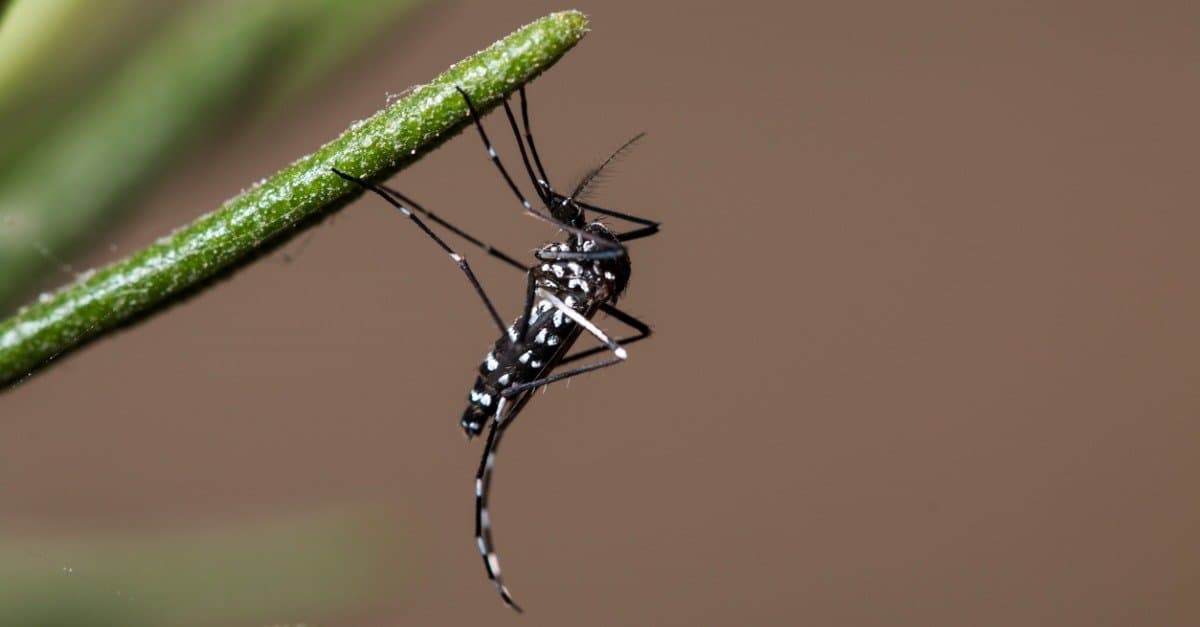

While most of us can’t wait for summertime BBQs and pool parties, a certain level of dread comes with warmer weather. After a long day of being outside, you may be scratching some part of your body for the next week. And due to Louisiana’s hot, muggy weather, mosquitos are especially a nuisance in this part of the country. If you’re a Louisianian, you might be wondering what mosquitos to expect this season. Discover the six common types of mosquitos set to invade Louisiana, including what times of the year these insects are the worst.
When is Peak Mosquito Season in Louisiana?
Because of Louisiana’s warm temperatures and rain, mosquito season lasts a while in the state. Mosquito season in Louisiana runs from the beginning of spring until late fall. You will start to notice a decrease as temperatures cool. And they are most active at dawn and dusk. They tend to avoid direct sunlight, preferring to venture out around sunrise and sunset or well into the night. And you will notice an increase in these pests after heavy rains or around bodies of water.
There are at least 68 mosquito species in the state. Here are the six most common types of mosquitos set to invade Louisiana.
1. Southern House Mosquito
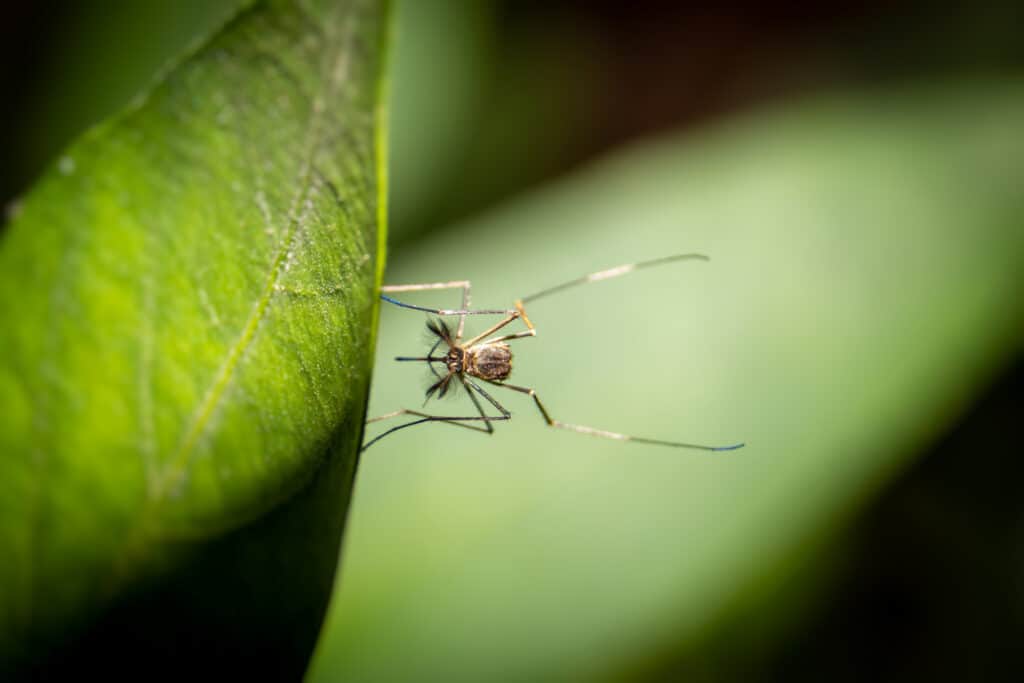
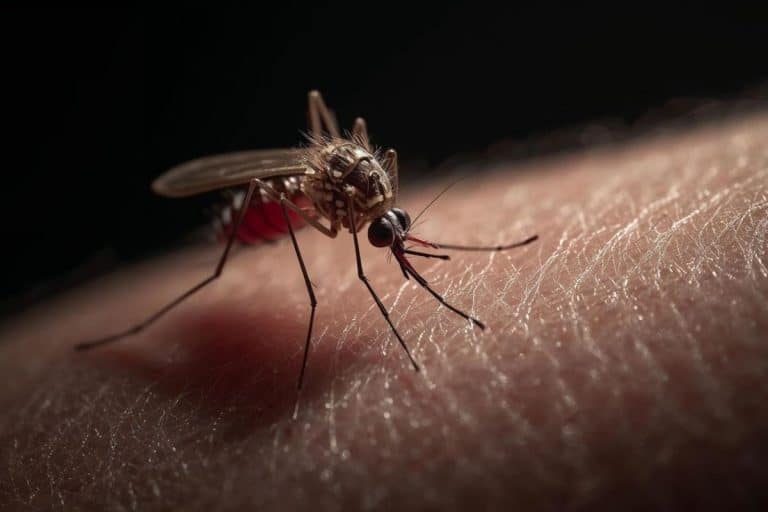
Southern house mosquitos are one of the most common types of mosquitos set to invade Louisiana.
©iStock.com/Arnav Ray
The southern house mosquito is one of the most common types of mosquitos in Louisiana. And unfortunately, they are also the main vector for serious diseases, such as West Nile, dog heartworm, and encephalitis. They are medium-sized and brown and found throughout the tropics and lower temperate regions. This species is prevalent around human populations, but they are also attracted to roadside ditches, ponds, basins, water-filled containers, or any other standing water with organic matter.
2. Floodwater Mosquito
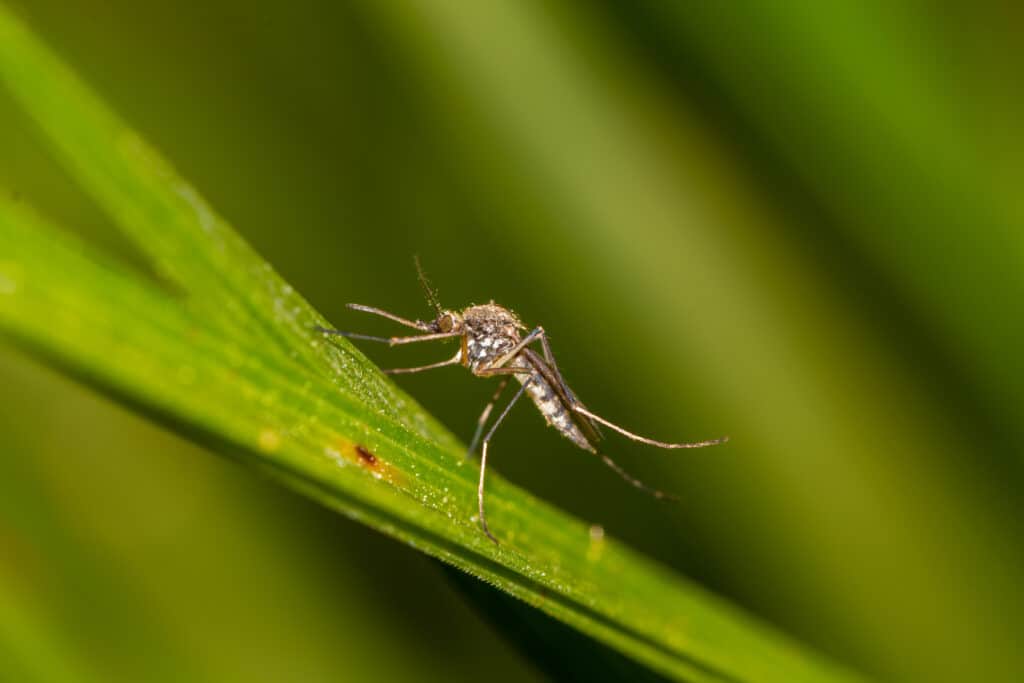
Floodwater mosquitos are common in the state after flooding and heavy rains.
©Roziline/Shutterstock.com
The floodwater mosquito has a cosmopolitan range and is relatively common in Louisiana. True to their name, these pests are prevalent after heavy rains and flooding. They are usually the first mosquitos to invade an area after a hurricane or tropical storm, where they swarm and breed in large groups. Floodwater mosquitos are so drawn to water they will travel up to 40 miles outside of their normal range. And once they lay their eggs in the water, they can all hatch simultaneously. Thankfully, these mosquitos do not spread viruses.
3. Asian Tiger Mosquito
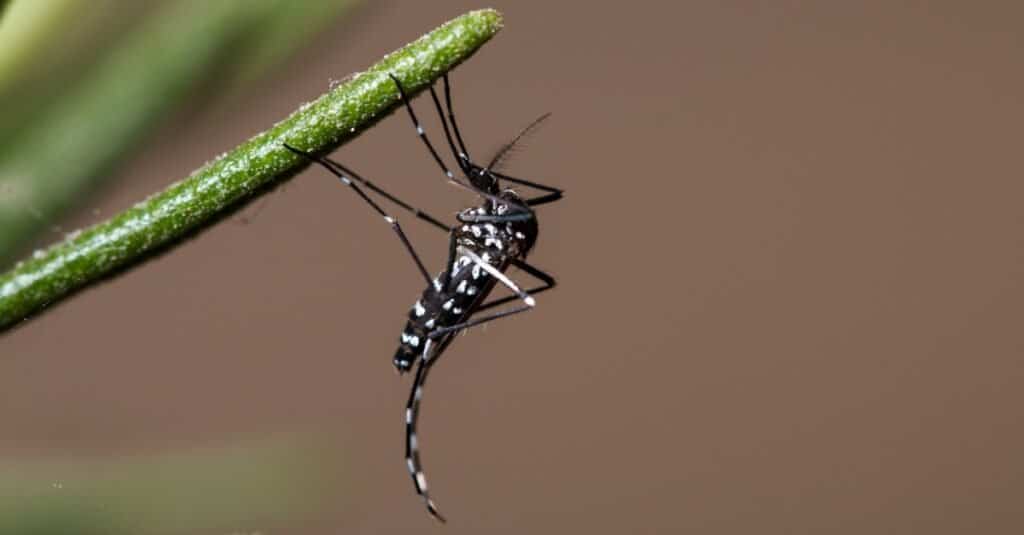
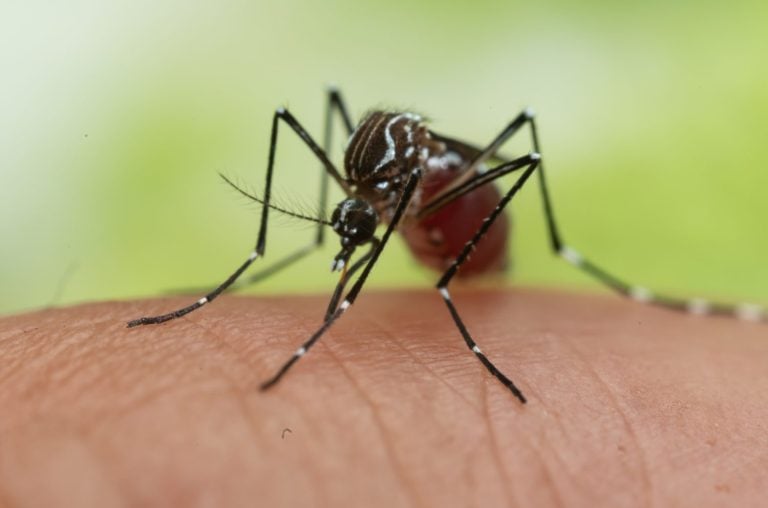
The Asian tiger mosquito is responsible for transmitting several diseases, including the West Nile virus.
©Oliver Spiteri/Shutterstock.com
The Asian tiger mosquito has an increasing range in Louisiana and is one of the easiest species to spot. They are large mosquitos with distinct white and black stripes. And you are likely to find them around your property, especially near items that collect water. You may find them around ponds, bird baths, gutters, buckets, or anything else that has standing water on it after a rainstorm. These mosquitos can spread viruses, such as West Nile, encephalitis, and Zika. And if you are seeing a lot in one place, you likely have an infestation because they don’t travel far.
4. Woodland Mosquito
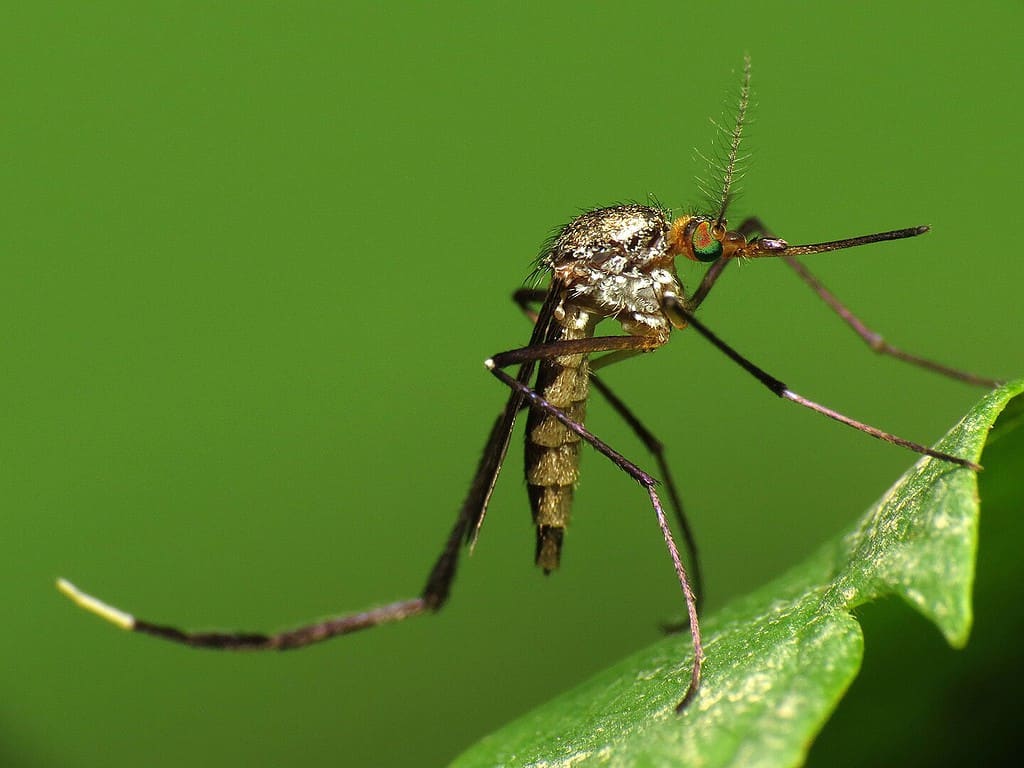
The woodland mosquito is an aggressive daytime biter.
Woodland mosquitos are known for their aggressive daytime biting and are notorious crashers of summer pool parties. And they also tend to attack the upper torso, leaving their victims with itchy facial welts. You can recognize them by their bluish-purple scales and white-tipped legs. They are also very common in wooded areas, where they feed on hunters. You may experience an increase in these ferocious mosquitos after heavy rains near wooded lots. They are potential vectors of the West Nile Virus.
5. Malaria (Marsh) Mosquito
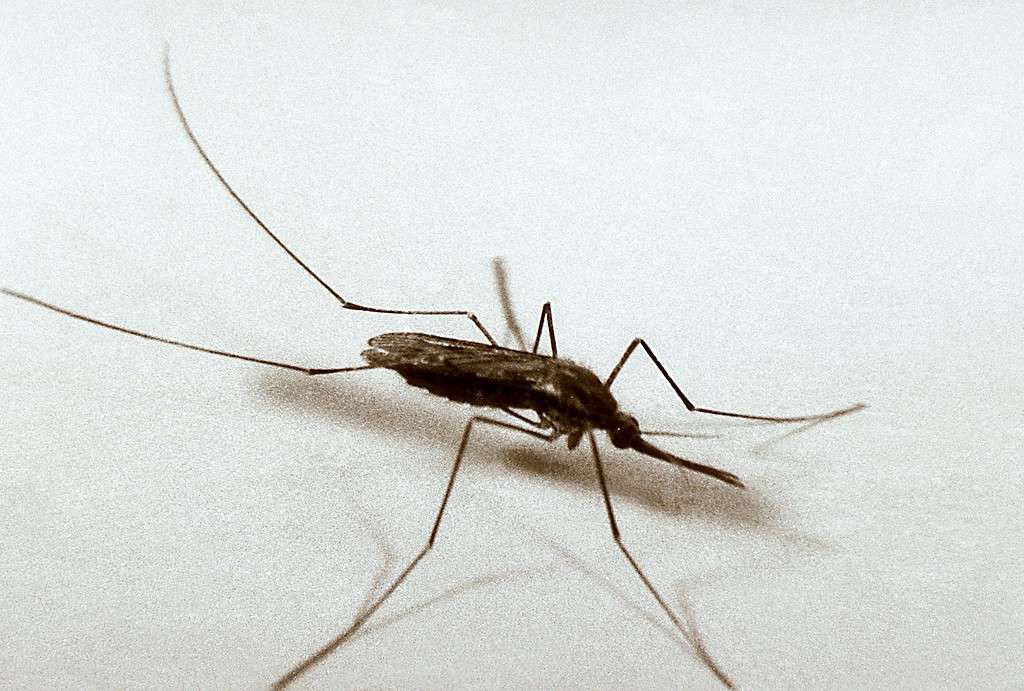
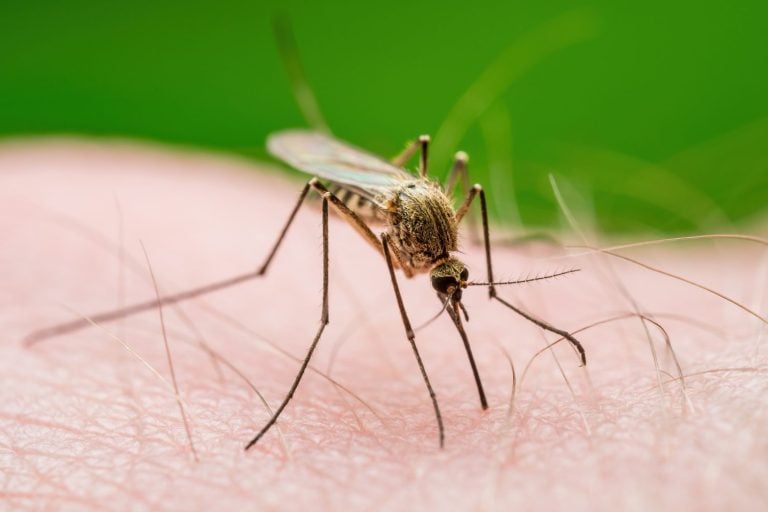
These biters prefer to feed on large mammals and lay their eggs on clean water surfaces such as slow-moving rivers and marshes.
©https://pixnio.com/fauna-animals/insects-and-bugs/mosquito/close-up-photograph-of-an-anopheles-quadrimaculatus-mosquito-on-white-background# – Original / License
East of the Rocky Mountains, the Malaria mosquito is the primary vector for, you guessed it, malaria. They can also spread West Nile and dog heartworm. This species is also called the marsh mosquito due to its propensity to live around marshes, swamps, and other wetland habitats. You can recognize them by their large appearance and brown bodies with dark wing spots.
6. Dark Rice Field Mosquito
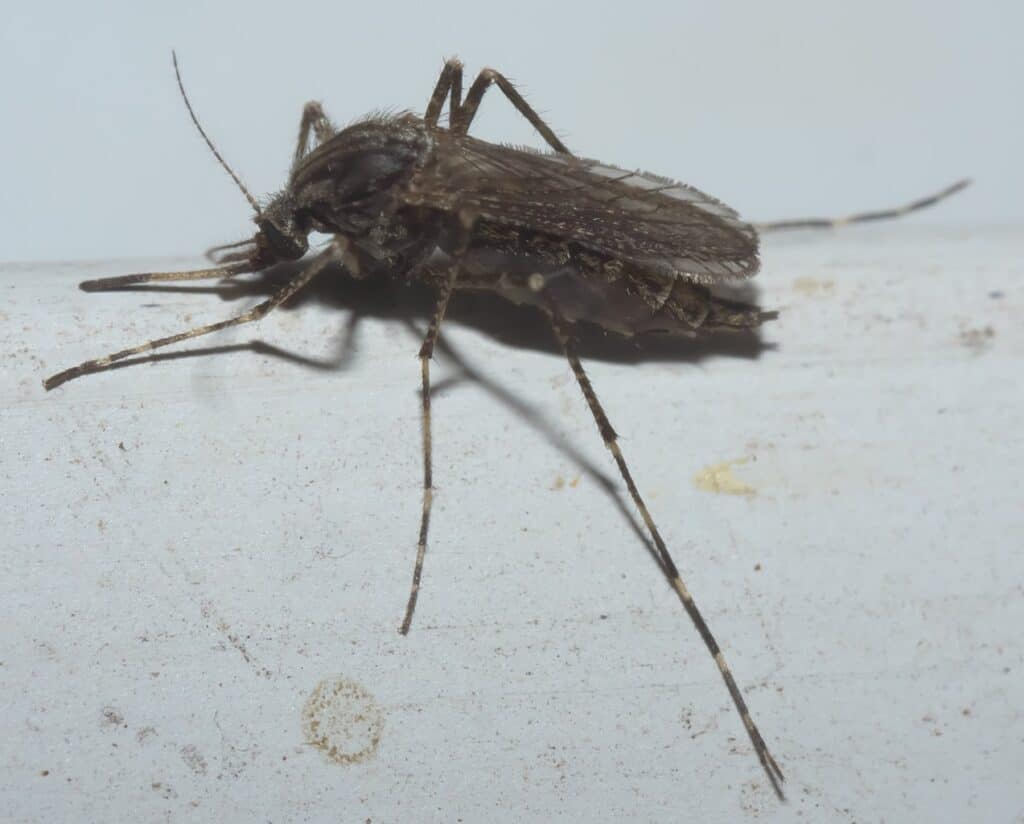
Dark rice field mosquitos are found in flooded areas and rice-growing regions in the south.
These dark-colored mosquitos can be found around rice-growing regions in Louisiana and Florida. But they also swarm areas after recent flooding and heavy downpour. They can travel up to ten miles and are known for their fierce and persistent bite. The dark rice field mosquito will attack day or night, and they can bite in groups, sometimes even killing livestock in extreme cases. This species can also spread West Nile and encephalitis.
Other Insects Set to Emerge in Louisiana
While mosquitos are a problem enough in the Bayou, here are a few more insects set to emerge in the state this spring and summer.
- Bees
- Wasps
- Cicadas
- Spiders
- Ants
- Lace bugs
- Ticks
- Centipedes
- Roaches