
Quick Take
- The yard spray most homeowners trust as a "safe" option may be doing more harm than good, and the reason has nothing to do with toxicity. See why spraying backfires →
- Mosquitoes have a hidden biological trick that lets them not just survive chemical attacks but actually come out stronger on the other side. Explore the resistance mechanism →
- The neighborhoods investing most in mosquito control may be accidentally building the worst problem, a pattern that is hard to ignore. See the neighborhood pattern →
Growing up, many people heard their parents say that the healthiest immune systems come from getting sick. This logic stemmed from the belief that taking medicine would actually hinder the immune system, depriving it of the ability to create antibodies that fight back. It turns out that there is some truth to this, particularly when it comes to being exposed to something that makes you sick.
Cells can build up a tolerance to many things, which is why vaccines are so effective. But in nature, this immunity is an unintended consequence. Research shows that common pesticides used in yard treatments for mosquitoes may be too effective. As a result, these mosquitoes are rewiring their systems to survive in areas of heavy spraying.
As Pesticides Get Stronger, So Do Mosquitoes
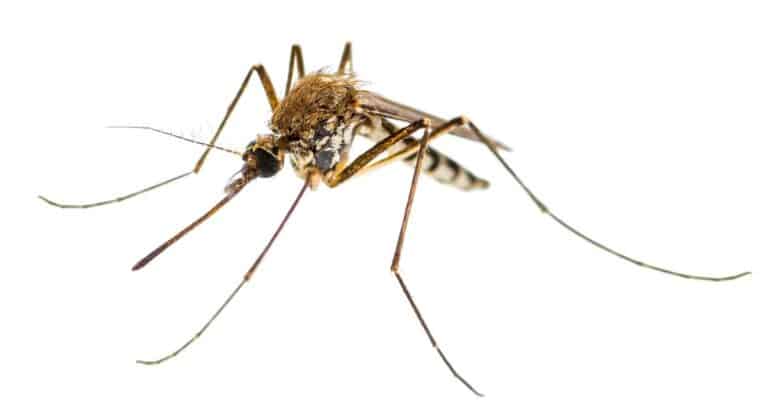
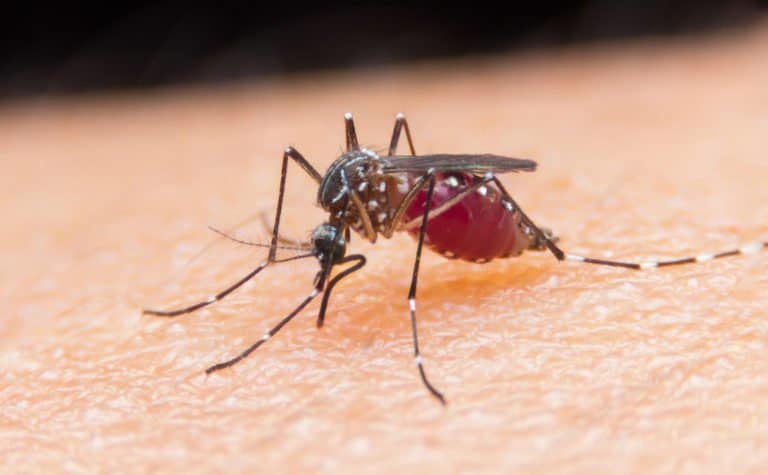
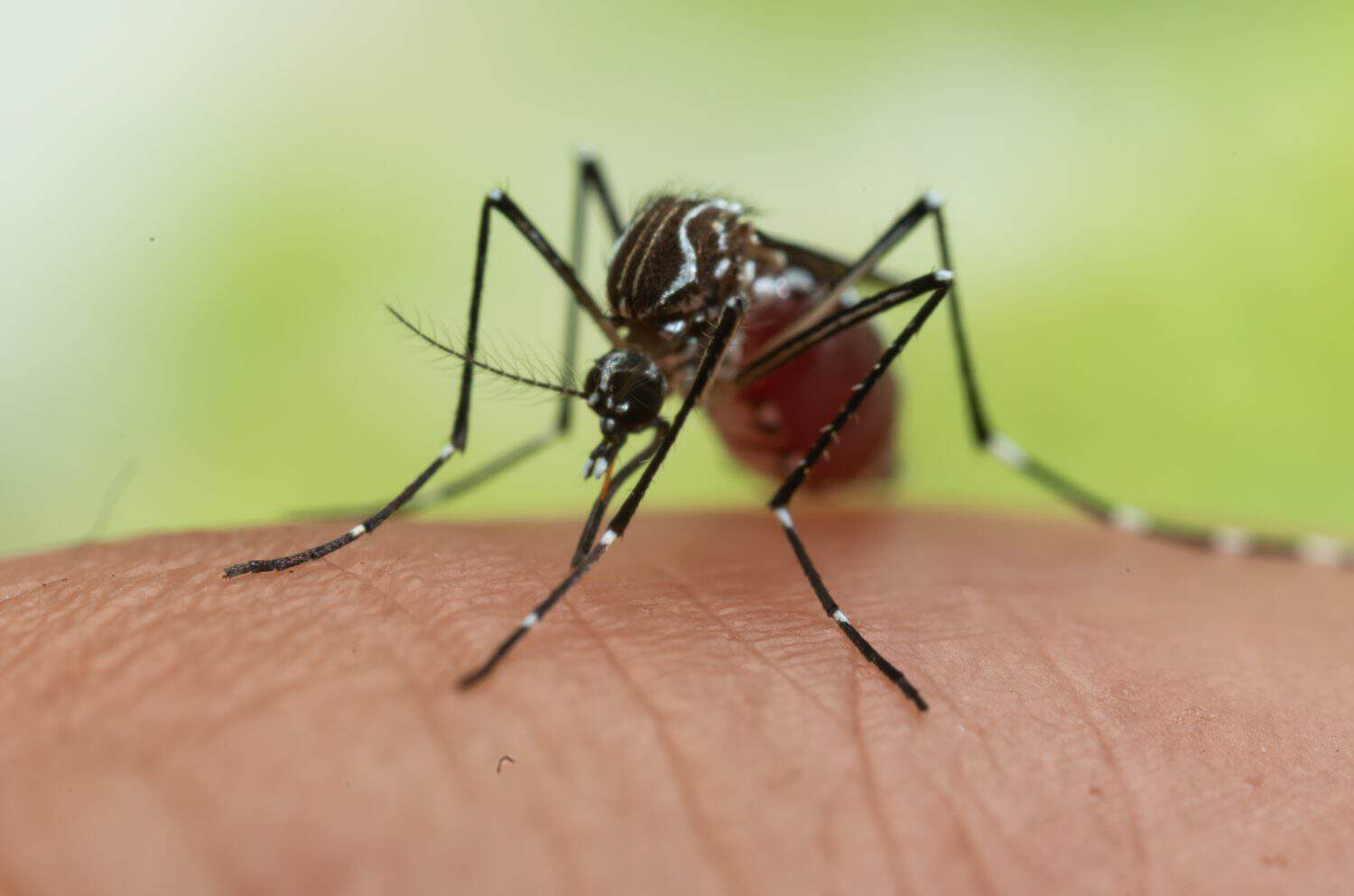
Asian tiger mosquitoes (Aedes albopictus) are found in as many as 30 U.S. states. This makes them predominant throughout most communities. They can carry dengue fever, chikungunya, Zika, and West Nile virus, which makes them a significant summertime threat. With at least 48 reported West Nile cases as of June 2026, homeowners are investing more than ever in keeping their yards mosquito-free. And while pesticide sprays are effective, new evidence shows this mosquito species may have developed a new tolerance.
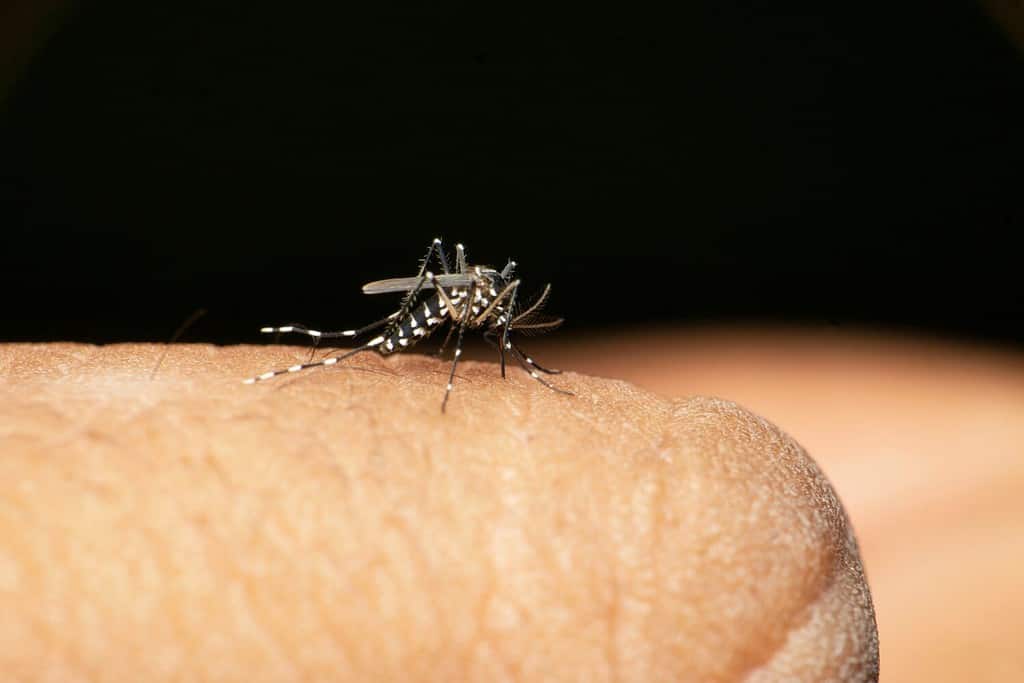
Asian tiger mosquitoes can carry up to four potentially deadly diseases.
©RealityImages/Shutterstock.com
Two new studies by North Carolina State University analyzed archived mosquito samples from 2018 and 2024. During their analysis, they found that pesticide-resistant mutations were not seen often prior to 2018, but became increasingly apparent in later years. Some of the mosquitoes in question showed a disturbingly high resistance to pyrethroid-based insecticides.
The problem with this resistance is that for many years, pyrethroids were a pet- and family-safe alternative to stronger pesticides. It was also effective at killing adult mosquitoes, which are responsible for transmitting potentially deadly diseases. According to researchers, these safer insecticides will eventually cease to be effective if mosquitoes continue to build up a tolerance. But how, exactly, can an insect biologically outsmart a weapon intended to kill it?
Knockdown Resistance Is Evolutionary Survival in Action
Mosquitoes are a tough species with plenty of adaptations to ensure their survival. One of these evolutionary skills is known as knockdown resistance. It causes mosquitoes, such as the Asian tiger species, to have cells that genetically mutate to develop new immunity. It begins slowly, with tiny changes throughout the insect’s nervous system, and eventually causes it to be unaffected by pesticides such as pyrethroids.
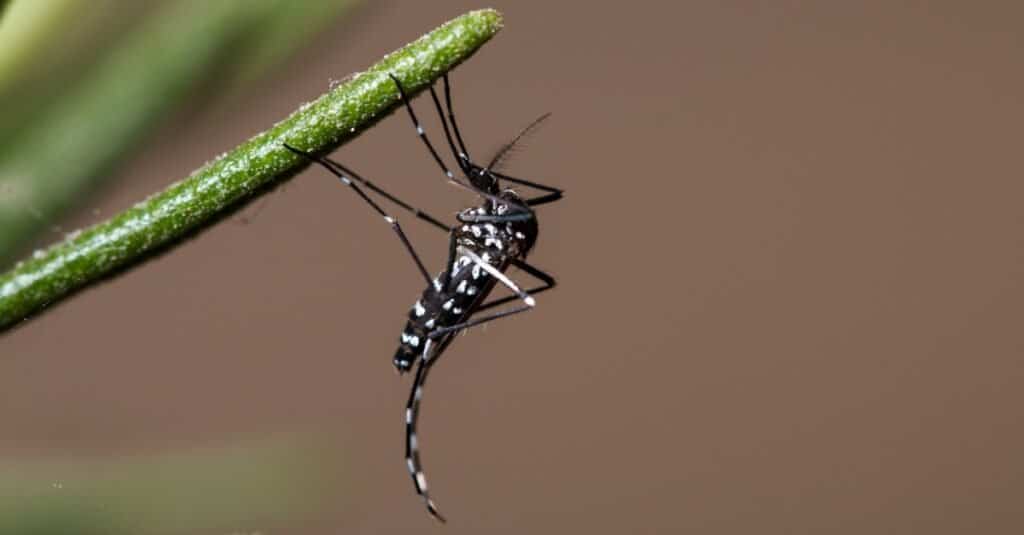
Genetic mutations can make certain species resistant to common “safe” insecticides.
©Oliver Spiteri/Shutterstock.com
When their knockdown resistance has reached its limit, the cells exposed to pesticides — voltage-gated sodium channels — continue to work despite the presence of a deadly chemical. On average, according to Science Direct, this can cause a single mosquito to be over 100 times more resistant, though resistance levels vary widely. After only one small genetic mutation, a member of the Asian tiger species can survive, and even thrive, in a treated environment.
In the North Carolina State University study, mosquitoes from Wake County showed that knockdown resistance had increased dramatically by 2023. Researchers recorded genetic mutations across 84% of the residential blocks studied. Of these, 39% of mosquitoes carried the genetic mutation making them resistant to pyrethroids.
What Does This Mean For Future Pest Control?
In short, the level of knockdown resistance in Asian tiger mosquitoes is not good news for homeowners. North Carolina State University’s study also analyzed the locations in Wake County where these mutations were most prevalent. They found that resistance was higher in neighborhoods with higher property values.
The conclusion was that neighborhoods with wealthier homeowners tend to invest more in pesticides and prevention treatments. As a result, more mosquitoes carrying genetic mutations were appearing in areas of high pesticide use. Based on an area map, this formed the central location, or ground zero, for Asian tiger mosquitoes with increased knockdown resistance.

In the long run, pesticides may not hold the answers we’re looking for regarding pest prevention.
©In The Light Photography/Shutterstock.com
According to researchers, more studies are necessary to determine if this is a pattern or simply a coincidence. But the early findings are clear: more diversified pest control methods are necessary. Prevention begins before spray starts hitting the air, with eliminating things such as standing water. “A reliance on just chemical insecticides is never the best way to control a pest. We really want to integrate pest management practices that look at the whole lifecycle of the pest,” said Burford Reiskind, associate professor of biological sciences at North Carolina State University and corresponding author of the papers.