
Quick Take
- Male-dominated leadership had years to stop the destruction of Afi Mountain, so why did it take a group of self-funded village women to finally turn things around? See why men failed →
- The collective's most powerful enforcement tool was neither a fine nor a patrol. It was a single cultural threat that forced local officials to cancel illegal logging deals on the spot. Discover the cultural threat →
- A conversation at a burial ceremony set this entire conservation movement in motion, though the women weren't even talking about the forest at the time. Trace the burial ceremony moment →
- Over half the communities surrounding the sanctuary are now copying Ulom's model, yet the women doing it still can't afford basic boots. See the spread and struggles →
Deep within southeastern Nigeria’s Cross River State, the 39-square-mile (100-square-kilometer) Afi Mountain Wildlife Sanctuary shelters one of the country’s last surviving rainforests. This rich ecosystem provides a crucial haven for rare species, including Nigeria-Cameroon chimpanzees, gray-necked rockfowl, drills, and blue duikers. In fact, the broader Afi landscape protects roughly a third of the world’s remaining critically endangered Cross River gorillas, while its surrounding grasslands host one of Africa’s largest seasonal roosts for European barn swallows.
Despite its global ecological importance, the sanctuary has suffered years of relentless pressure from illegal logging, river pollution, poaching, and agricultural expansion — threats made worse by weak government enforcement.
Refusing to wait any longer for official action, a group of women from the village of Ulom took matters into their own hands in 2023. Led by 42-year-old Mary Ofre, they formed the Ulom Women’s Conservation Collective. Today, this self-funded, female-led patrol actively combats environmental crime in the sanctuary, inspiring neighboring communities to step up and defend their shared environment.
Why Afi Mountain Needed Saving
Despite receiving official protection in 2000, Afi Mountain has endured years of severe neglect and lax law enforcement. Illegal hunting and snares have decimated wildlife, while logging, agricultural expansion, and seasonal bushfires steadily erode critical habitats. In some cases, fishers dumped toxic chemicals directly into the Afi River. This poisoned aquatic life and contaminated drinking water for neighboring communities and wildlife alike.
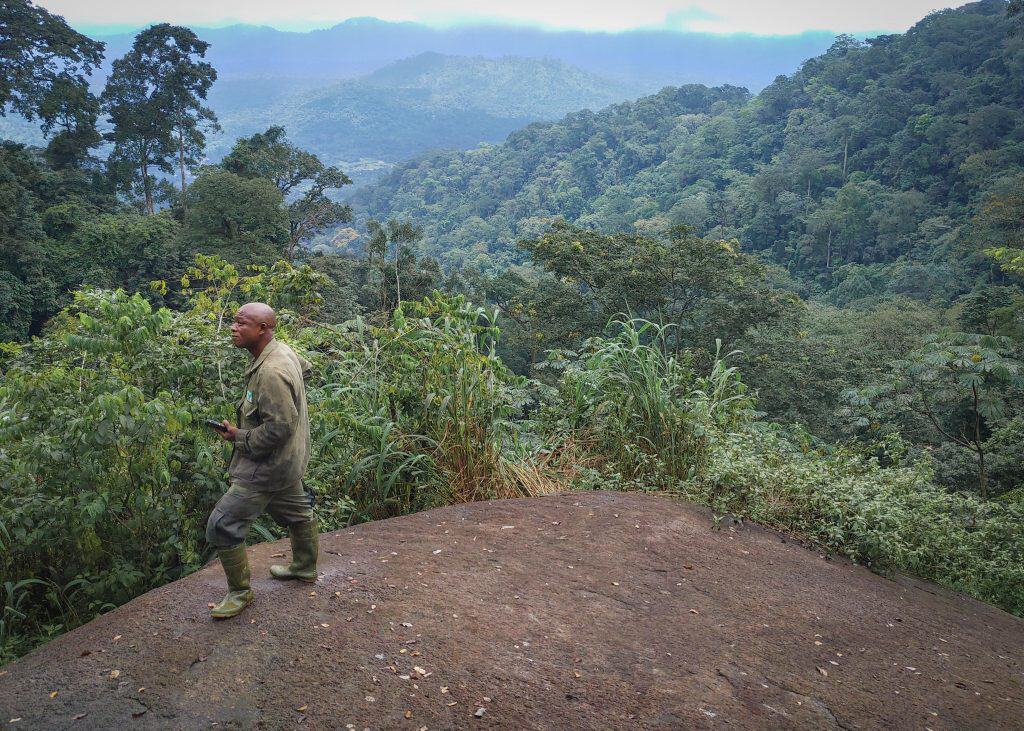
Afi Mountain Wildlife Sanctuary was established in 2000.
© Dotun55, CC BY-SA 4.0, via Wikimedia Commons – Original / License
Traditional, male-dominated leadership proved ineffective against the destruction. Local leaders routinely struggled to hold offenders accountable — particularly when the perpetrators were friends or family — and secret deals with outside logging companies further undermined conservation efforts. Watching their vital natural resources slip away, many of the local women realized they could no longer afford to stand by while the forest disappeared around them.
From Village Meeting to Conservation Movement
The movement sparked unexpectedly during a burial ceremony in nearby Bamba, where local women gathered to tackle the toxic river poisoning and destructive fishing practices in their community. Those conversations quickly led to a larger realization: protecting the rivers was impossible without also protecting the surrounding forest.
Driven by this realization, Mary Ofre founded the Ulom Women’s Conservation Collective. What started as an effort to restore the waterways quickly grew into a full-scale campaign against illegal logging, poaching, and habitat destruction.
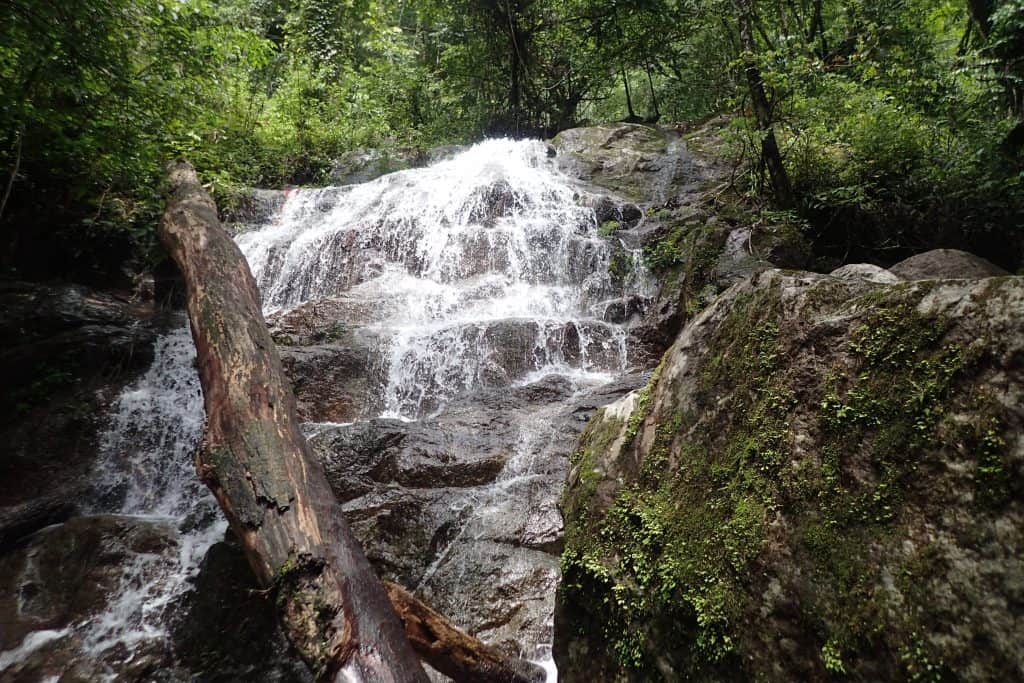
Afi Mountain Wildlife Sanctuary is located in Southern Nigeria’s Cross River State in the Boki Local Government Area.
©Charles Emogor, CC BY-SA 4.0, via Wikimedia Commons – Original / License
For the collective’s members, the mission is deeply personal. Some joined after human-caused wildfires destroyed their farms. Others were driven by childhood memories of thriving forests they hope to preserve for future generations. Refusing to wait for outside intervention, the women stepped in to lead where traditional authorities had failed.
How the Women Protect the Forest
The collective combines routine patrols with direct, nonviolent enforcement. Members gather twice a month to plan operations, conducting scheduled patrols and surprise off-hour inspections for chainsaws, gunfire, or smoke. When necessary, they collaborate with village elders, state forestry officers, local task forces, and conservation groups.
At the heart of their mission is strict equality: every offender faces the same consequences, regardless of family ties or social status. Violators face steep fines, equipment confiscation, or even community exile. To curb river poisoning, the group imposed a 500,000-naira ($356) fine and actively rehabilitates waterways by building temporary dams and draining contaminated pools.

Cross River gorillas are critically endangered and one of the rarest gorillas in the world.
©Kit Korzun/Shutterstock.com
When formal channels fall short, the women leverage collective social pressure. Since 2023, they have disrupted secret logging deals between by setting up roadblocks to prevent timber from leaving the village. They also used a powerful cultural tactic — threatening nude protests against non-compliant leaders — which effectively forced officials to cancel the agreements and uphold conservation laws.
Signs the Forest Is Recovering
Around the sanctuary, the collective’s efforts are paying off with clear, visible results. River poisoning has dropped dramatically, and degraded forest patches are naturally regenerating. Signs of wildlife — from nesting sites and fresh tracks to the calls of endangered Nigeria-Cameroon chimpanzees — are also returning.
This impact reaches far beyond the tree line. Through targeted community outreach, the women have persuaded families to stop consuming endangered bushmeat. They have also guided young people away from poaching and illegal logging. Traditional leaders who once turned a blind eye now openly praise the collective, recognizing the women as the sanctuary’s most effective defenders.

Nigeria-Cameroon chimpanzees are only found in a few fragmented forests.
©Martin Pelanek/Shutterstock.com
A Model Spreading Beyond Ulom
What began in a single village is now reshaping conservation across the entire region. Over half of the 16 communities surrounding Afi Mountain Wildlife Sanctuary are forming their own women’s conservation groups. Leaders from Ulom, Buanchor, and Katabang actively mentor neighboring villages by sharing patrolling tactics and organizing strategies — a model that has already helped new groups to halt illegal logging in their own areas.
However, the movement continues to face steep challenges. Operating entirely without external funding, members frequently lack basic gear like boots, GPS devices, protective clothing, and reliable transport. Many also navigate domestic opposition from husbands or families, forcing some women to step back.
Despite these heavy personal and financial tolls, the collective remains steadfast in its mission to protect the sanctuary for generations to come.
A Blueprint for Community Conservation
The Ulom Women’s Conservation Collective demonstrates that effective conservation doesn’t need to start with governments or large international organizations. Through relentless patrols, consistent enforcement, community outreach, and nonviolent resistance, these women have reversed years of environmental destruction and restored their community’s commitment to the land.

Blue duikers are a tiny antelope species that weigh less than 20 pounds.
©Roger de la Harpe/Shutterstock.com
As neighboring villages adopt their approach, the collective offers a powerful blueprint for community-led conservation across West Africa. Their success underscores a fundamental truth: when women are empowered to protect their homeland, forests can recover, wildlife can return, and entire communities can transform into stewards of their natural heritage.