
Quick Take
- Indonesia's elephant population has collapsed by over 40%, a devastating decline. See the surprising culprit →
- 70% of the Sumatran elephant's habitat vanished in just one generation, and the vicious cycle behind that stat is still actively repeating itself today. Explore the habitat collapse →
- The last official elephant conservation plan quietly expired years ago with no replacement, and what that gap cost Indonesia's elephants is staggering.
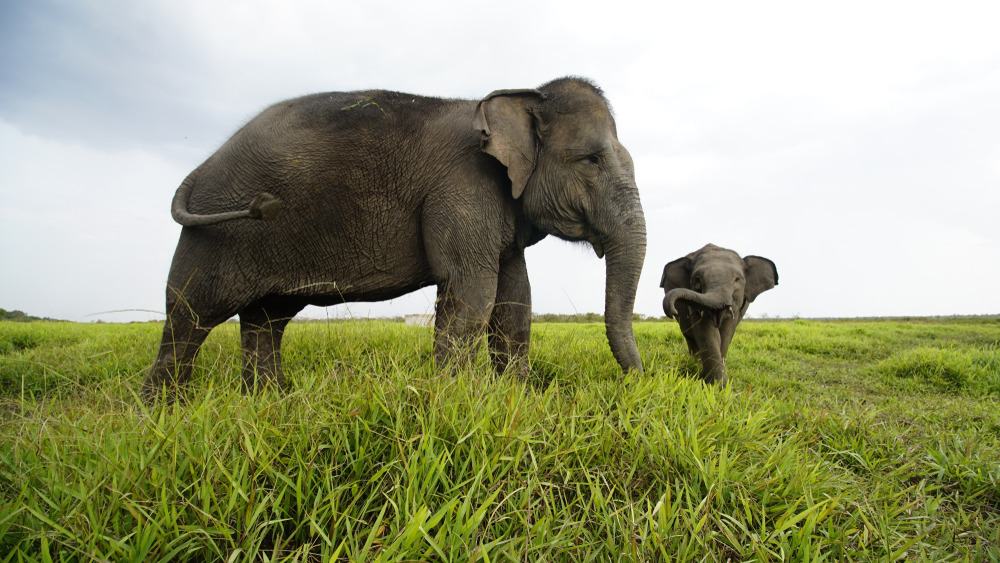
Indonesia is home to two main elephant types, both of which are declining in population. The Sumatran elephant (Elephas maximus sumatranus) is a critically endangered subspecies of the Asian elephant (Elephas maximus). Additionally, the country has a small number of Bornean elephants (Elephas maximus borneensis). For the past few decades, the total population of elephants in the country has decreased at an alarming rate. This has triggered the need for more extensive conservation efforts.
The country’s 2026-2036 elephant conservation plan reveals that the country’s wild elephant population is estimated at 1,325 to 1,648 individuals. For reference, it was previously at 2,400 to 2,800 individuals in 2007. The over-40% decline highlights the urgent need to protect the critically endangered elephants in Indonesia. This primarily consists of the Sumatran elephant but also includes the few Bornean elephants in the country.
Here’s what you should know about the declining elephant population in the country, including contributing factors and current conservation efforts.
The Declining Elephant Population in Indonesia
According to a study by WWF-Indonesia, about 70% of the Sumatran elephant’s habitat has been destroyed in a single generation.
“That’s a relatively short amount of time, about 25 years,” says Dr. Iddi Lipende, a veterinarian and wildlife researcher affiliated with the Tanzania Wildlife Research Institute and a wildlife consultant at Altezza Travel. “The Sumatran elephant was classified as Critically Endangered in 2012, following a severe population decline and extensive habitat loss.”
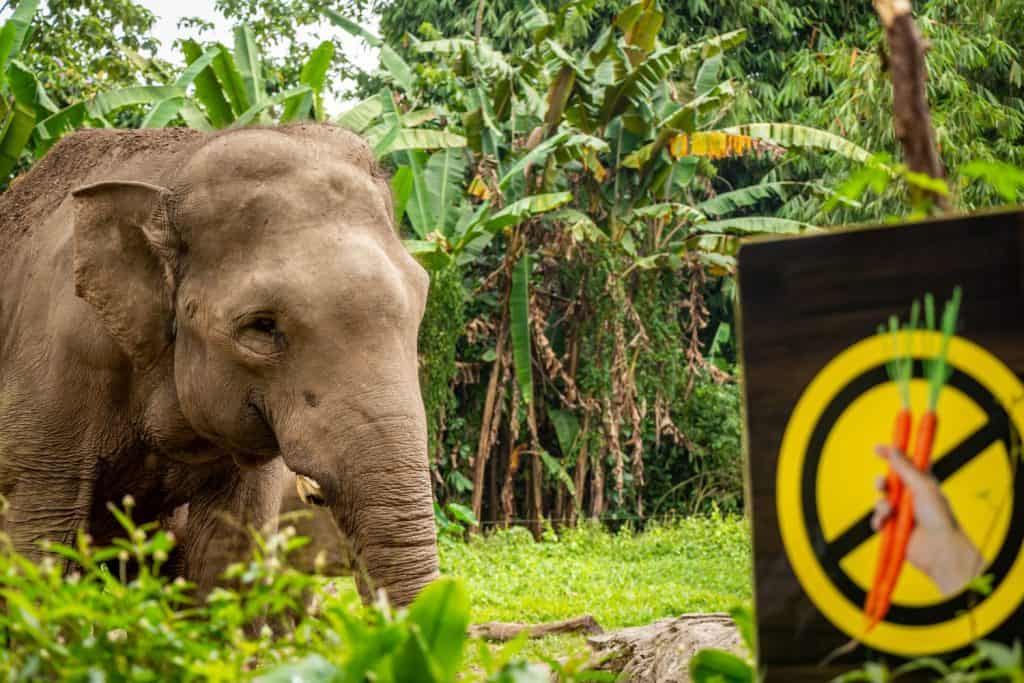
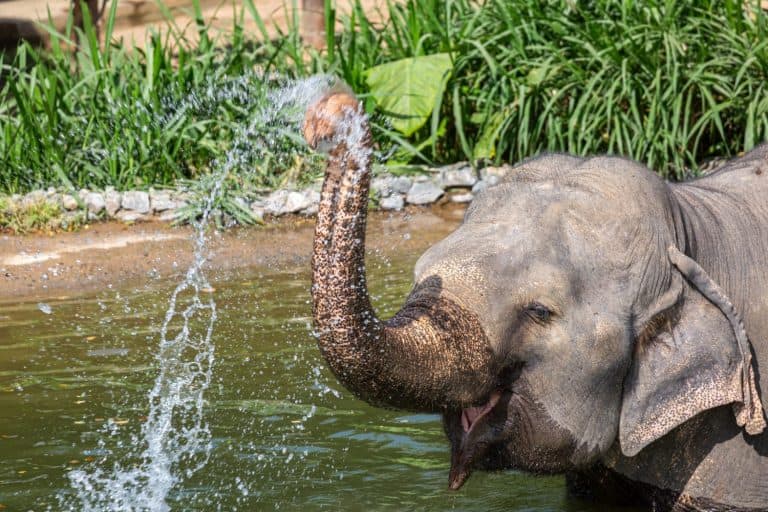
The Sumatran elephant is native to the Indonesian island of Sumatra.
©SnapTPhotography/Shutterstock.com
Unfortunately, the Sumatran elephant isn’t the only one facing a rapid decline in population. However, it is the most prevalent subspecies in the country.
“While [the Sumatran elephant] is the most prominent example of the decline of wild elephants in Indonesia, the country is also home to a small population of Bornean elephants in Kalimantan,” Dr. Lipende states. “The Bornean elephant was recognized as a distinct subspecies and assessed as Endangered by the IUCN in 2024, so its situation is also worth mentioning.”
What’s Driving the Decline?
Various human activities have contributed to the declining elephant population in Indonesia. These include environmental destruction, human-wildlife conflict, habitat loss/fragmentation, poaching, and more.
“Indonesia, like many other areas worldwide, made the mistake of prioritizing profits over preserving the habitats needed to support local biodiversity,” says Dr. Lipende. “This has led to unimaginable declines in wildlife populations, including the sharp decline of elephants in Sumatra.”
Over time, the issue has only become more pressing. The over-40% decline is a massive loss to the elephant population.
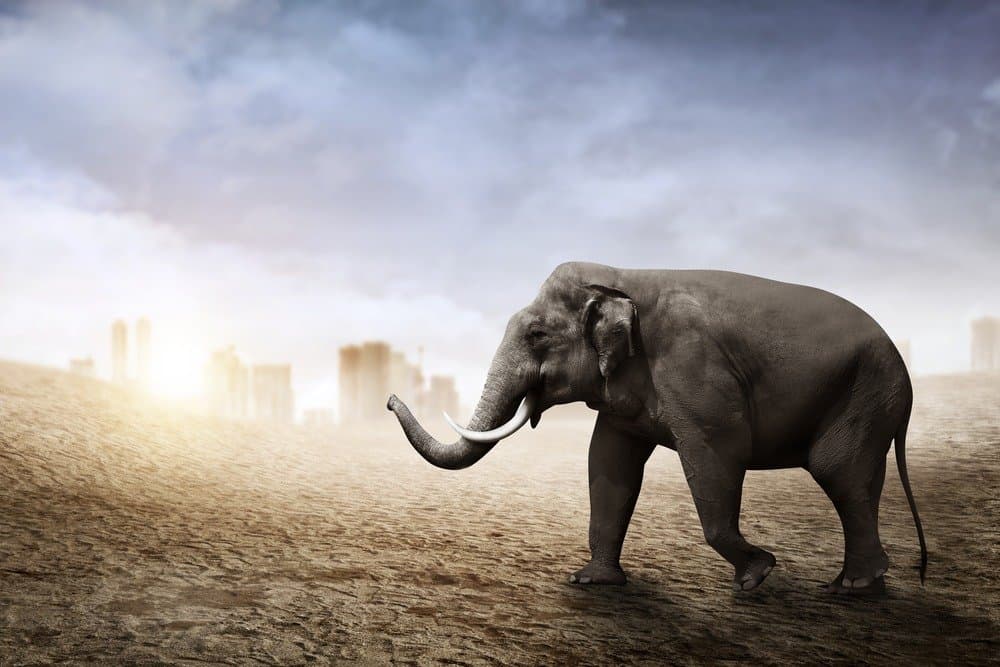
Habitat loss and human-wildlife conflict are two of the major concerns these elephants face.
©leolintang/Shutterstock.com
“The primary culprit is the expansion of oil palm and pulpwood plantations, which continues to this day,” Dr. Lipende continues. “As monocrop fields replace the diversity of native forests, elephants can no longer use their preferred movement corridors and are forced to move closer to human settlements. With this change comes the destruction of local farmers’ crops, as elephants search for food in agricultural areas.”
As a result, violent and oftentimes deadly human-elephant conflicts have escalated
“This is a vicious cycle that humans tend to create over and over again, without realizing the long-term damage it’ll do,” Dr. Lipende states.
Indonesia, like many other areas worldwide, made the mistake of prioritizing profits over preserving the habitats needed to support local biodiversity. This has led to unimaginable declines in wildlife populations, including the sharp decline of elephants in Sumatra.
Dr. Iddi Lipende, a veterinarian and wildlife researcher affiliated with the Tanzania Wildlife Research Institute
Conservation Efforts
With this rapid decline in the elephant population in Indonesia, you’re likely wondering what’s being done to combat this issue.
“The good news is that conservation efforts have been happening for years, including establishing protected areas, using GPS collars to track elephant movements, creating movement corridors, and working to reduce human-elephant conflict,” says Dr. Lipende. “Indonesia recently released a 10-year conservation strategy for both Sumatran and Kalimantan elephants, with the goal of further strengthening those efforts through restoration, education, and data collection.”
This updated plan has been a long time coming. The last one was implemented in 2007 and expired in 2017. A successor plan was drafted in 2017 for the years 2019-2029 but was never officially finalized by the government.
Thankfully, the Indonesian government released the 2026-2036 elephant conservation plan in August of this year. Their mission is to protect the critically endangered Sumatran elephant and the Bornean elephant through a series of efforts. These include habitat protection, human-wildlife conflict mitigation, and monitoring.
“A more coordinated GPS collar monitoring system should reveal elephant movement patterns, helping to further define priority areas for habitat restoration,” Dr. Lipende says. “The goal is to reduce human-elephant conflict, prevent unnecessary deaths, and give remaining populations a better chance of recovering naturally. The only question now is whether the strategy will be fully implemented, since experience shows that such initiatives are rarely fully executed.”
Conservation experts hope this 10-year plan will help restore the elephants’ habitat and reverse the population decline.