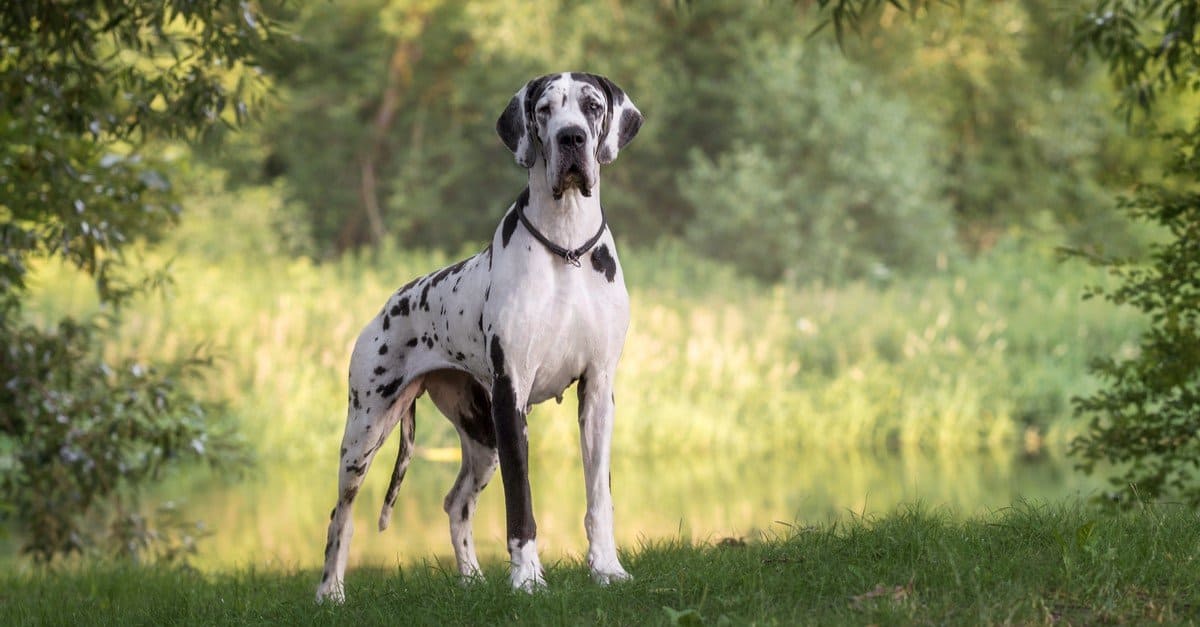

The Great Dane is one of the most adorable dogs in the world. Famed for being a gentle giant, they are loving, affectionate, good with kids, and they’ll protect their home, too. Getting a dog is a commitment, so it’s important to know everything about the breed first, including the lifespan. In this article, we’ll discover how long Great Danes live and if they have any health concerns. Let’s get started!
How Long Do Great Danes Live?
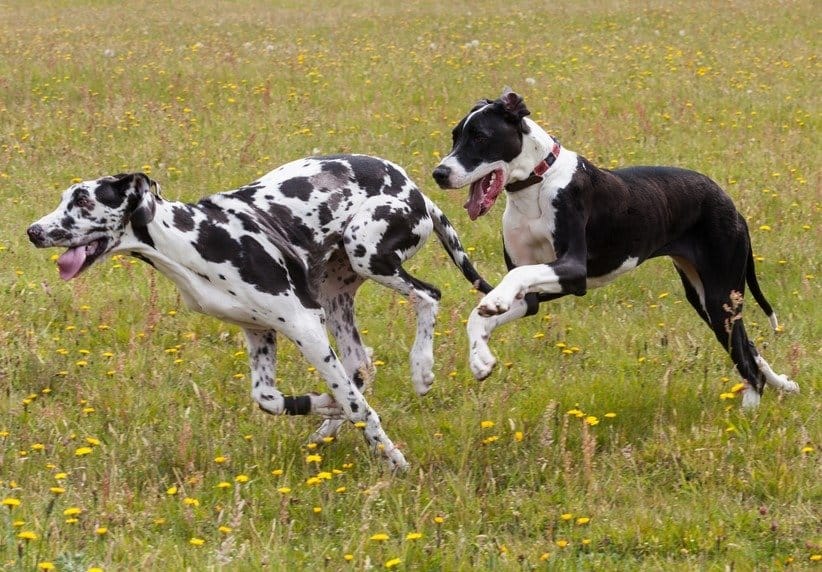
Great Danes have an average life expectancy of about nine years.
©Claire Plumridge/Shutterstock.com
Compared to other large breeds, Great Danes suffer a raw deal when it comes to lifespan. The Great Dane’s lifespan is eight to 10 years, but may be as short as six or seven years. Rarely, some live up to 12 years.
While elephants and whales are extremely large animals, they are among the longest-living species in the natural world. So, why are dogs so different? Does their size affect how long a Great Dane lives? How long do Great Danes live if provided with every advantage? Let’s explore these concerns below.
Why Do Great Danes Have Such a Short Lifespan?
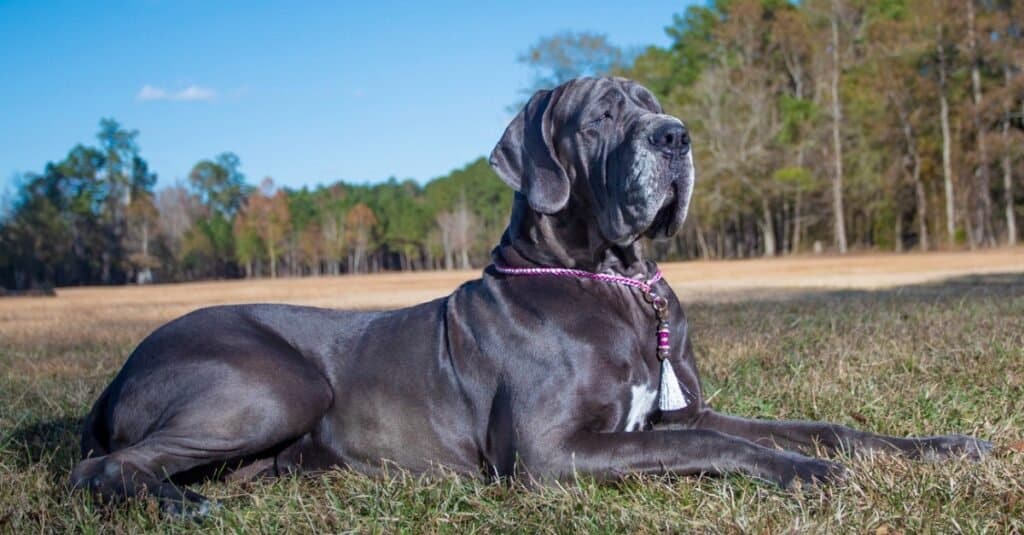
Scientists don’t know why, but they do know that huge dogs seem to age faster than tiny ones.
©iStock.com/gsagi
Unfortunately, scientists have found that larger dogs seem to age faster than smaller ones, although they’re not certain why. However, aside from scientific uncertainties, Great Danes are susceptible to several health issues that can also reduce their lifespan. We cover a few of them below.
Bloat
The Great Dane is prone to bloat, a potentially fatal illness caused by stomach twisting and the blood supply being cut off. Bloat recurrence is common in dogs, and symptoms include a hard, swollen belly, restlessness, and retching without vomiting. So, if your Great Dane exhibits any of these symptoms, then it’s important to seek veterinary help immediately.
Cardiomyopathy
The term “large heart” has a darker, more literal meaning when it comes to Great Danes. Cardiomyopathy, a condition of the heart muscle that causes the heart to expand, is common in Great Danes.
Joint & Bone Disease
With their massive proportions, Great Danes are prone to joint and bone problems, such as hip dysplasia and osteoarthritis. These illnesses often develop gradually, requiring owners to make decisions concerning their dog’s quality of life.
Thyroid Problems
Additionally, Great Danes are at risk of developing thyroid issues. Hypothyroidism in Great Danes is frequently caused by autoimmune thyroiditis. Fortunately, your dog’s thyroid levels may be checked by your veterinarian using simple blood tests, and the disease can be treated and controlled with medication.
How To Help a Great Dane Live Longer
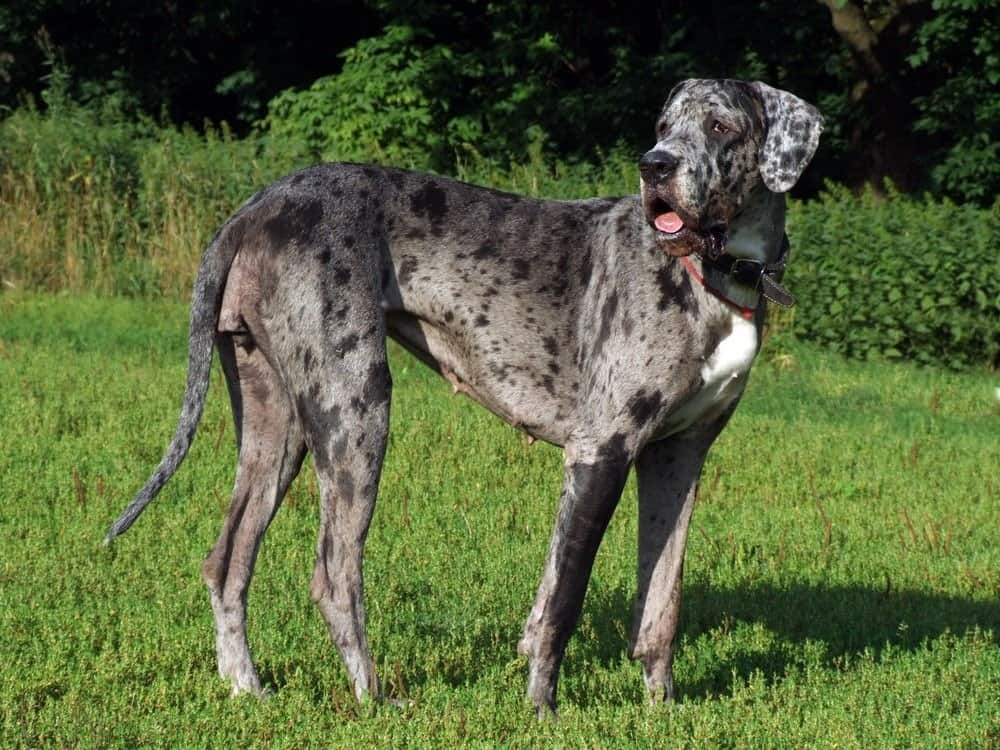
A balanced healthy diet, regular exercise, and vet visits can help your Great Dane live a full and happy life.
©velora/Shutterstock.com
Fortunately, there’s a few things that you can do to help your Great Dane live a long and happy life.
Balanced and Healthy diet
Feeding a healthy and balanced diet is imperative, especially when considering that bloat can be a problem for Great Danes. Therefore, puppies should typically be fed three times per day, but this can be reduced to two once they’re around a year old. Ideally, you should feed your Great Dane breed-specific food to ensure that they receive a balanced diet.
Regular Physical Activity
Keeping your Great Dane fit and active can also help them to lead a long and healthy life. Regular exercise will help them burn off excess energy while also preventing them from becoming overweight. However, you should avoid exercising your dog immediately after it has been fed.
Regular Vet Visits
Regular veterinary visits to check on the dog’s health are advised. If the dog’s activity, diet, or mood changes, the vet will investigate the cause. Veterinarians can create a specific care plan just for your Great Dane. In addition, the vet can check for any other latent ailments that your dog may have.
Breeding
Great Danes, according to experts, need to clean up their breeding records. When it comes to breeding your Great Dane, exercise caution. The risk of hereditary illnesses in Great Danes must be considered while breeding to avoid any further issues for the breed.
Are Great Danes Good Companions?
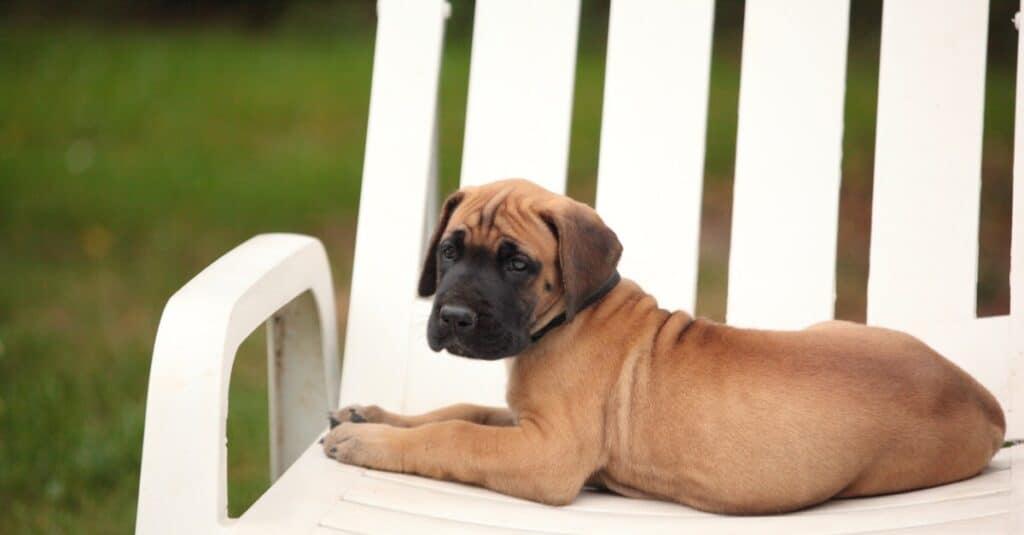
Great Danes have a gentle, sweet temperament.
©iStock.com/Jesus Manuel Souto Blanco
Although they do not live as long as other family dog breeds, they are a fantastic companion for people who can accept their loss when the time comes. Great Danes are quick learners but have a sweet and affectionate temperament. Great Danes are usually good with kids, although proper socialization when they are pups is imperative to ensure that they don’t become too rambunctious with the younger members of the family.