Quick Take
- A healthy-looking bird can still be carrying this infection, and you can't spot it by looking. Spot silent bird carriers →
- Your parrot isn't the only feathered suspect, and a recent European surge confirmed it. See the European surge →
- The symptoms look like a common illness, and one detail you tell your doctor could change the diagnosis. Check the symptoms →
- One cleaning habit most bird owners swear by may be quietly raising their risk. See how infection spreads →
It may surprise you that parrot fever is not just a problem for parrots. People can also contract this disease, and in some cases it can be serious. We investigated the link between parrot fever and psittacosis in humans and outline some practical steps to reduce the risk of catching the disease from your feathered friends.
What Is Parrot Fever?
The medical name for parrot fever is psittacosis. It is a zoonotic disease, which means that it can be passed from animals to humans. The illness is caused by bacteria called Chlamydia psittaci, which are found in birds more often than in people. In birds, it is also called avian chlamydiosis, and it is not limited to the parrot family! Chlamydia psittaci also infects 465 species of domestic and wild birds. Nevertheless, it is found most often in caged birds (such as the psittacine species), colonial nesting birds such as egrets and herons, and in ratites (e.g., emus) and raptors (e.g., hawks). In domestic flocks, it is most common in turkeys and ducks.
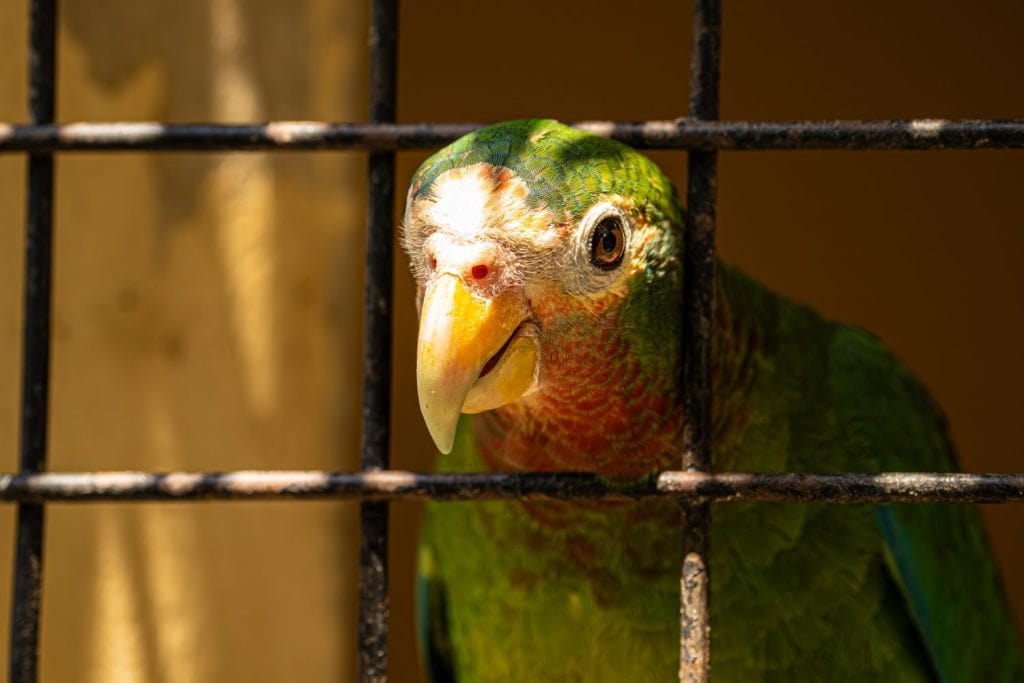
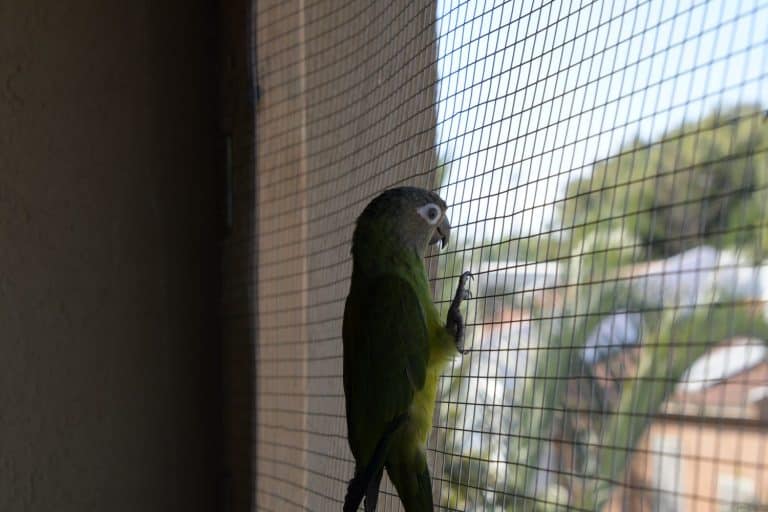
Not all birds with psittacosis look sick.
©Daniel Urrutia Carlos/Shutterstock.com
Transmission between birds is via the fecal-oral route (ingesting poop) or via inhalation. Inside the bird’s body, the bacteria produce a special life stage called elementary (or elemental) bodies. These are excreted in respiratory discharge and feces and can survive in the environment for months, especially when among organic debris such as litter and feces. Airborne particles also spread the infection.
465
species of domestic and wild birds infected by Chlamydia psittaci
How Sick Do Birds Get?
Not all birds with the infection get sick – some are asymptomatic. You can’t tell from looking at the bird whether it is infected or not. The Psittacine species (parrots) are most likely to show symptoms. Hence the name ‘parrot fever’. The infection is widespread in commercial turkey flocks, but they get only mild symptoms and outbreaks are rare.
Symptoms in birds generally include nose and eye discharge, inflamed eyes and sinuses, green to yellow-green, soft to watery droppings, and weakness.
How Can People Catch Psittacosis?
Most human psittacosis infections are caused by breathing in powdered bird secretions or droppings containing Chlamydia psittaci. When the droppings and secretions dry, it’s easy for them to become airborne. Occasionally, people are also infected via bites or direct beak-to-mouth contact. It is possible to get psittacosis from another person, but this is very rare.
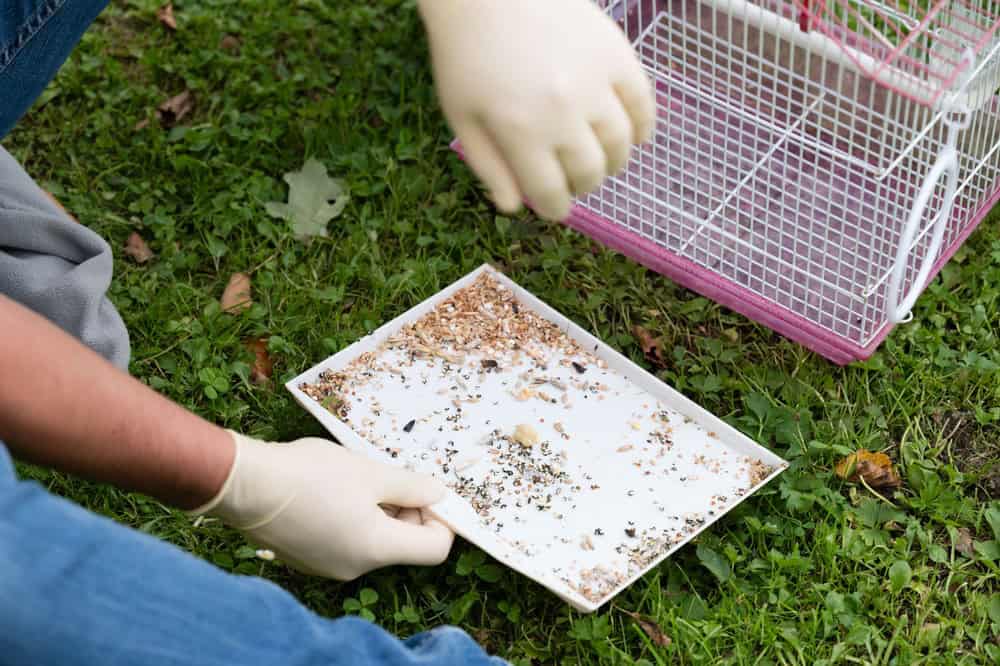
You get psittacosis from breathing in powdered bird secretions or droppings.
©Andrii Anna photographers/Shutterstock.com
Anyone can get the disease, but it is most common in adults and in people in contact with birds. This could be people with pet birds, aviary and pet shop employees, veterinarians, and people working on poultry farms or processing plants.
How Does Psittacosis Make You Feel?
Most people start to get sick between 5 and 14 days after the bacteria enters their body. You will feel very similar to when you have a respiratory illness. Symptoms include a dry cough, headache, fever/chills, and muscle aches.
The illness is difficult to diagnose and is not always suspected by health professionals. Therefore, if you have these symptoms, tell your healthcare team if you’ve been in contact with birds. A positive diagnosis can be made through blood or sputum samples or a throat swab. Antibiotics are effective for treating this bacterial infection, and most people make a full recovery. However, there can be serious complications such as pneumonia or inflammation of the heart valves, liver, nerves, or brain. With appropriate antibiotic treatment, fewer than one in 100 cases is fatal. You can get psittacosis more than once, and there is no vaccine currently.
Psittacosis Outbreaks
During 2023 and the beginning of 2024, several European countries experienced an increase in human psittacosis cases. In all of the countries involved, psittacosis is a notifiable disease, so the authorities noticed that there were a higher number of cases than normal. The countries were Austria, Denmark, Germany, Sweden, and the Netherlands. Epidemiological investigations were launched to try to find the cause. Many, but not all, cases reported contact with domestic birds and wild birds (primarily via bird feeders).
How Can Bird Owners Reduce the Risk of Psittacosis?
The best way to reduce your risk of contracting the disease is through hand washing. Do this thoroughly and with soap and water after you have handled the birds, their droppings, their cages, or any other items in their cage.
Also, use water or disinfectant to wet surfaces and cages before cleaning. This cuts down on dust. Dry sweeping and vacuuming will create more dust and should therefore be avoided. If your birds are infected, use gloves and appropriate masks when handling them or their cages.
Finally, only obtain your birds from reputable sources. Check that the birds are not overcrowded in cages stacked on top of each other. The cages should be clean, and sick birds should be immediately isolated and treated. WHO recommends quarantining newly acquired birds and contacting a veterinarian if any of your birds are sick. Positioning cages so that droppings cannot spread among them and avoiding overcrowding will also help.