
Parrots make great pets because they are sensitive and highly intelligent creatures. That keen intelligence, however, is intimately linked to a parrot’s emotional acuity. They live remarkably long lives and can require far more attention, care, and concern than other pets. Even when living in ideal environments, full of love and attention, parrots can get stressed. It isn’t necessarily a mark against you as an owner, but it’s still important to understand the signs that your pet parrot might be upset.
A parrot’s intelligence and status as a prey animal make them more cautious and less openly expressive than other household pets. Birds of most varieties are good at hiding their unhappiness, but parrots are masters at it. There are several types of parrots commonly kept as household pets, but the majority of them exhibit similar stress symptoms. That said, if your parrot is stressed, it may not show any signs of dissatisfaction until its stress becomes severe. That’s why we’ve created a list to help you discover six signs that your parrot is distressed.
Appetite Changes
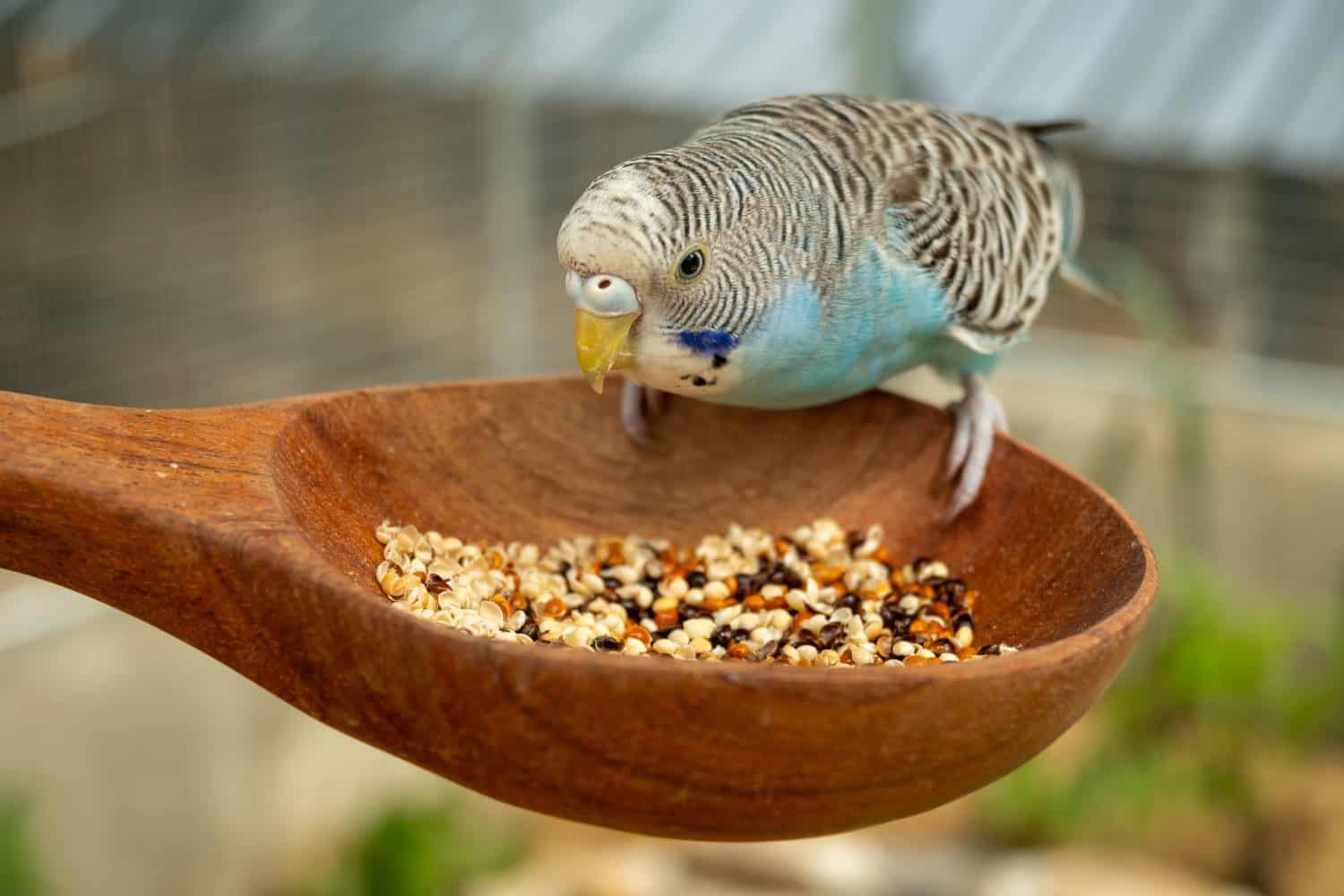
Parrots often stop eating when they feel stressed.
©ploypemuk/Shutterstock.com
One of the most common signs that your parrot is stressed is changes in its appetite. When upset, parrots will refuse food, even if it’s a favorite. Not only will you notice untouched food like fruit or seeds in their cage, but you’ll also probably notice them getting skinnier over time. Stress is one of the main causes of this type of food refusal, but abstract emotional distress isn’t the only culprit.
When parrots are moved to a new environment or have their routines interrupted, especially concerning food, they can get very stressed. Another possibility is that your parrot’s stress, as manifested in food refusal, is a sign of an underlying health or dental issue.
Luckily, there are several ways to combat their stress and get them eating regularly again. Parrots, like most creatures, thrive on routine, especially when it comes to feeding. Be sure to feed them every day at a regular time in an area free of threats or too much stimulation. Parrots want to eat in peace. They may also be vitamin-deficient or require deworming. If these strategies don’t seem to work, try introducing new types of food to their diet. This might make dinner more appealing to them.
Different Vocalizations
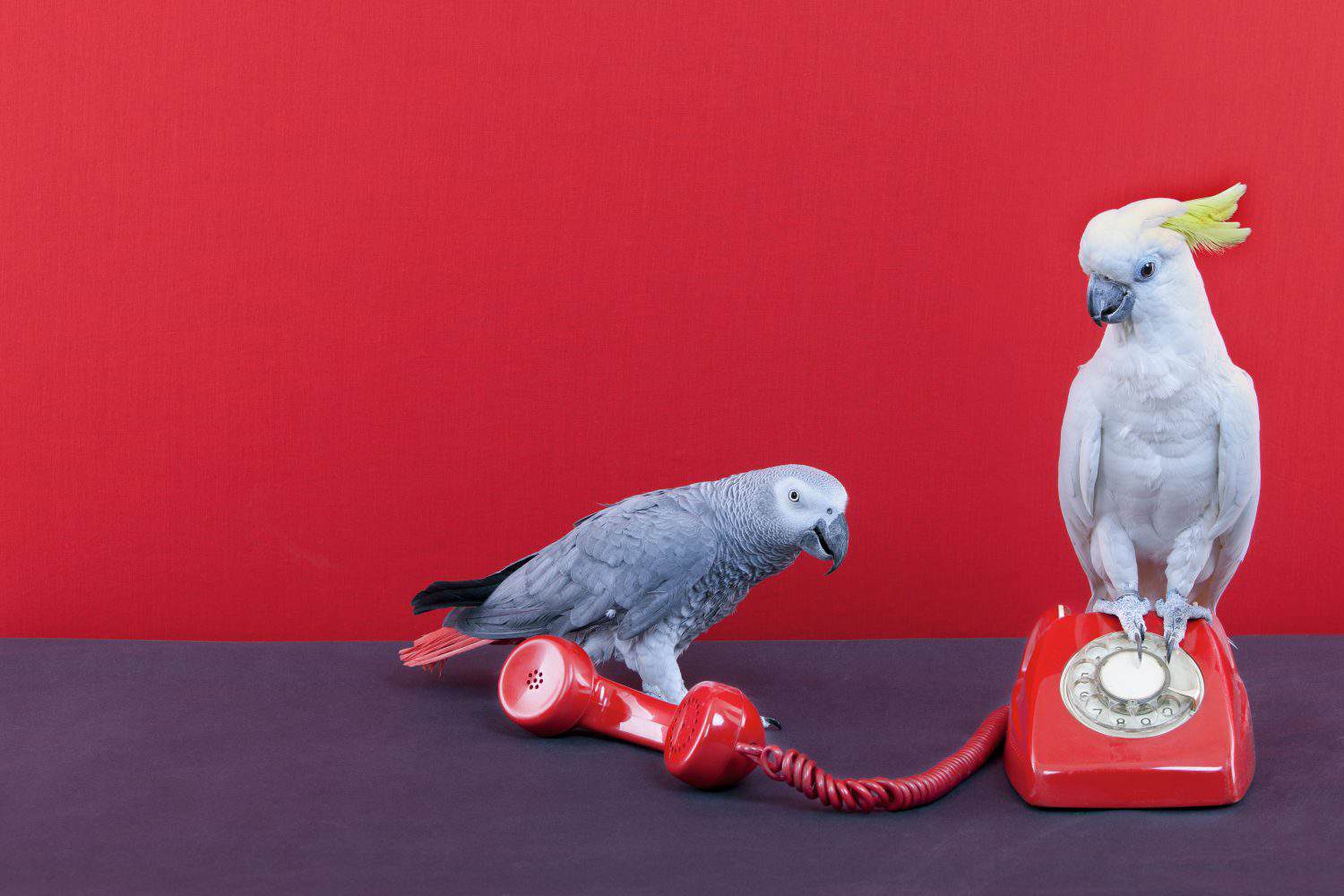
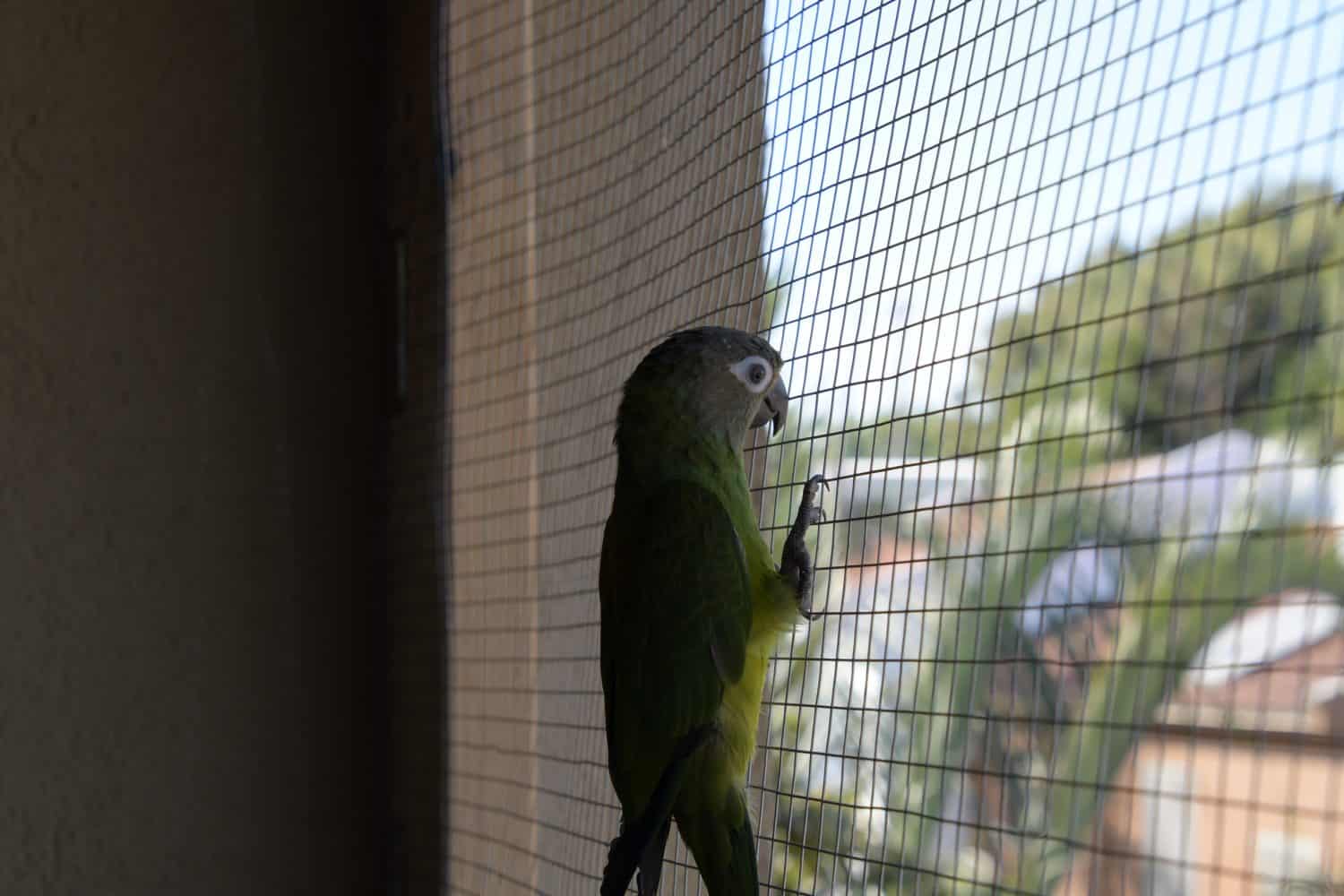
Parrots are big talkers, so a lack of vocalizations is a cause for concern.
©Roger costa morera/Shutterstock.com
Parrots are well known for their vocalizations, which can be so eerily similar to human voices that they are sometimes mistaken for people. Beyond that, they can produce some cool songs, shouts, and sound effects. That said, if your parrot starts screaming or screeching at an increased rate, it is probably distressed or needs your help. Conversely, if your parrot becomes unusually quiet, it may indicate a problem.
A complete lack of vocalizations could be a sign of severe stress. Environmental changes will make them stressed enough that they don’t let out their signature calls. Also, if there’s a noticeable change in your house, like a new guest, your parrot will probably get quiet. Their lack of talking could also be a sign of illness. As explained in this parrot advice article, pet parrots being too quiet for too long might be a sign of parrot fever. If your parrot is quieter than usual, check their surroundings and consider spending more quality time with them so they don’t feel lonely. In terms of environment, introduce new elements or people gradually, so they don’t get overstimulated.
Excessive Grooming
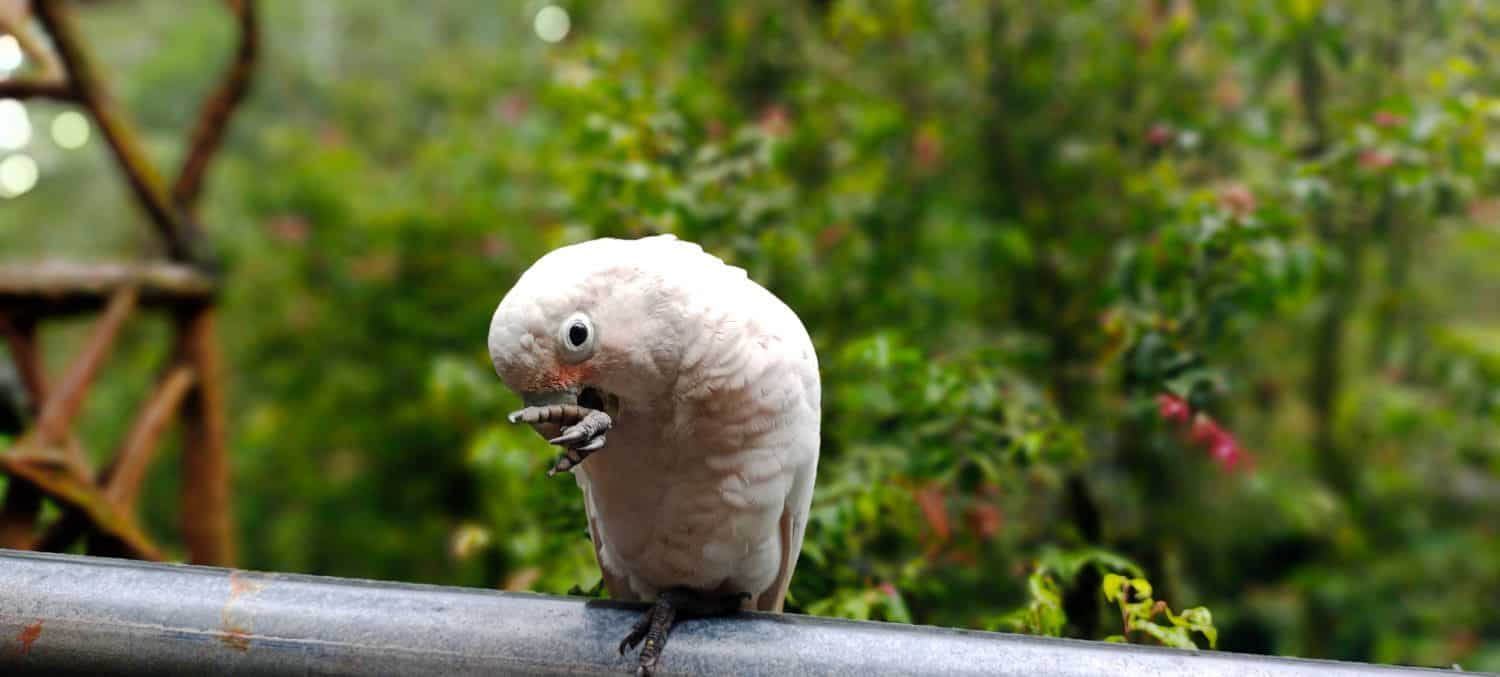
Parrots groom often, but too much grooming can be a sign of discomfort or illness.
©Satrio Halim/Shutterstock.com
Another telltale sign that your parrot is stressed is over-grooming and feather plucking. Think of it like a person pulling their hair out; stress makes creatures look for self-soothing mechanisms that are often self-destructive. Excessive grooming is one of the most common signs of stress in parrots, and can have consequences. It’s normal for them to groom, but if they are doing it all day and to a neurotic degree, something is probably wrong.
This kind of behavior is a sign of some kind of bad emotional state. While environmental stressors produce over-preening in parrots, it might have to do with discomfort, boredom, or depression. An under-stimulated parrot without any toys will likely start picking at itself. If your parrot is suffering from allergies, or nutrition deficiencies, or is unable to cope with changes in routine, they will also over-groom. Be sure to rule out simple things, too, like other pets being in the room that make them feel threatened.
To combat excessive grooming behavior, provide your parrot with fun and excitement in the form of toys. Perhaps check the humidity in your house. If those strategies fail, review your parrot’s basic needs: ensure they have a consistent routine, a balanced and nutritious diet, and plenty of social interaction. As with any sign of stress, contact a veterinarian if your parrot gets worse and worse.
Waste Changes
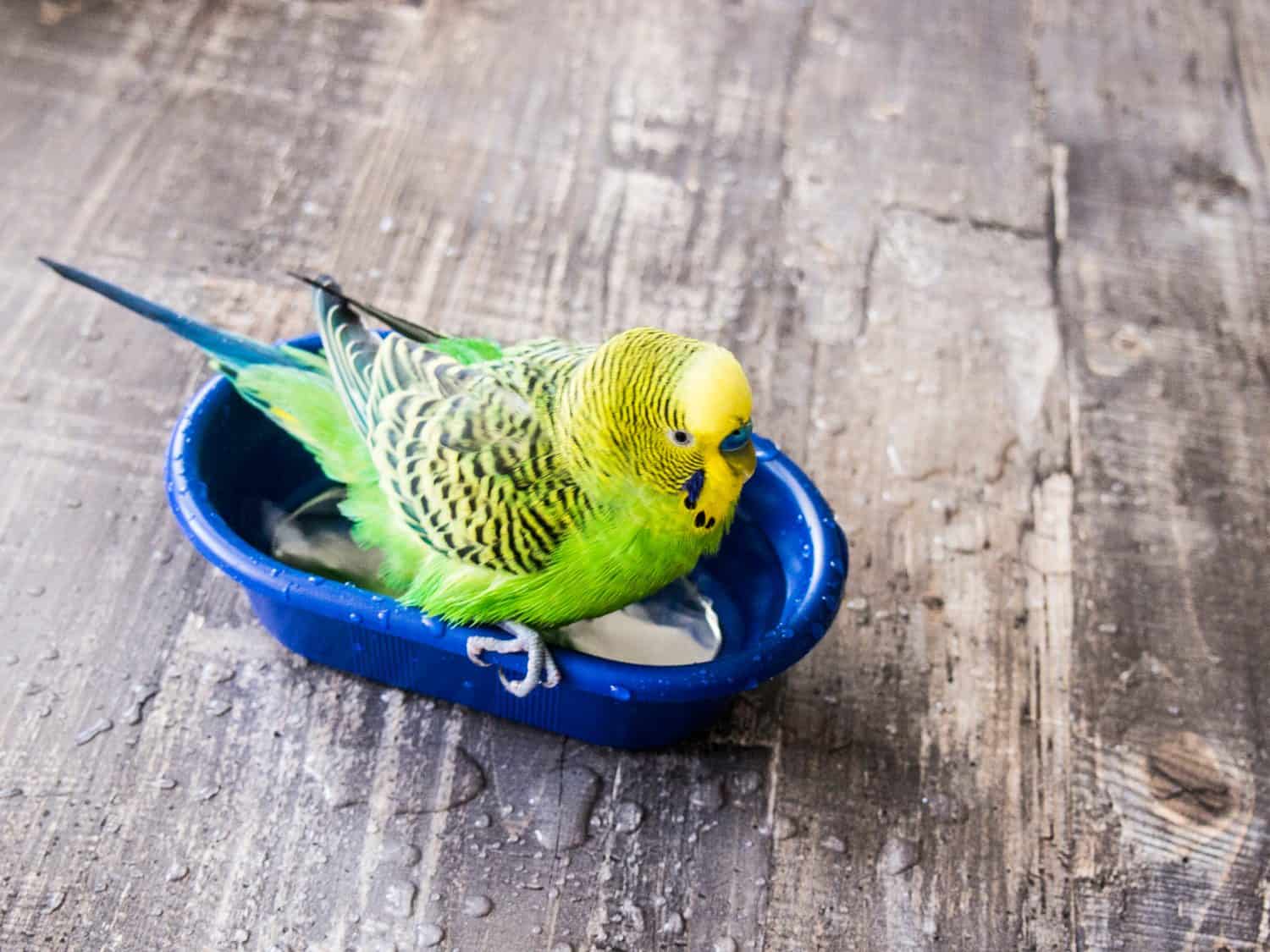
Parrot droppings have a certain look to them. If they change, it could be a sign of stress.
©Darya T/Shutterstock.com
Another sign that your parrot is more stressed than normal is noticeable changes to their waste. Without going into too much gory detail, parrot waste has a certain look to it that you’ll get used to the longer you keep one as a pet. If their droppings change in color or consistency, however, it could be a cause for concern. Anything from health problems and a new diet to simple stress can change the look of your parrot’s waste.
Different “shapes,” colors, and patterns could be a sign that something is wrong. Also, parrot waste typically doesn’t smell. If it suddenly develops a smell, it could be in danger. There’s several infections, parasites, and diseases that commonly affect pet birds, including Avian Gastric Yeast, Trichomoniasis, and Pacheco’s Disease, and, most notably in 2025, the ongoing H5N1 avian influenza (bird flu) outbreak. While it’s more likely that waste changes are due to changes in diet or stress, it’s important to be aware of the more severe causes. That said, if your bird’s droppings have changed due to disease or infection, it’s likely followed by other symptoms, including weakness, loss of appetite, and weight loss.
Repetitive Movements
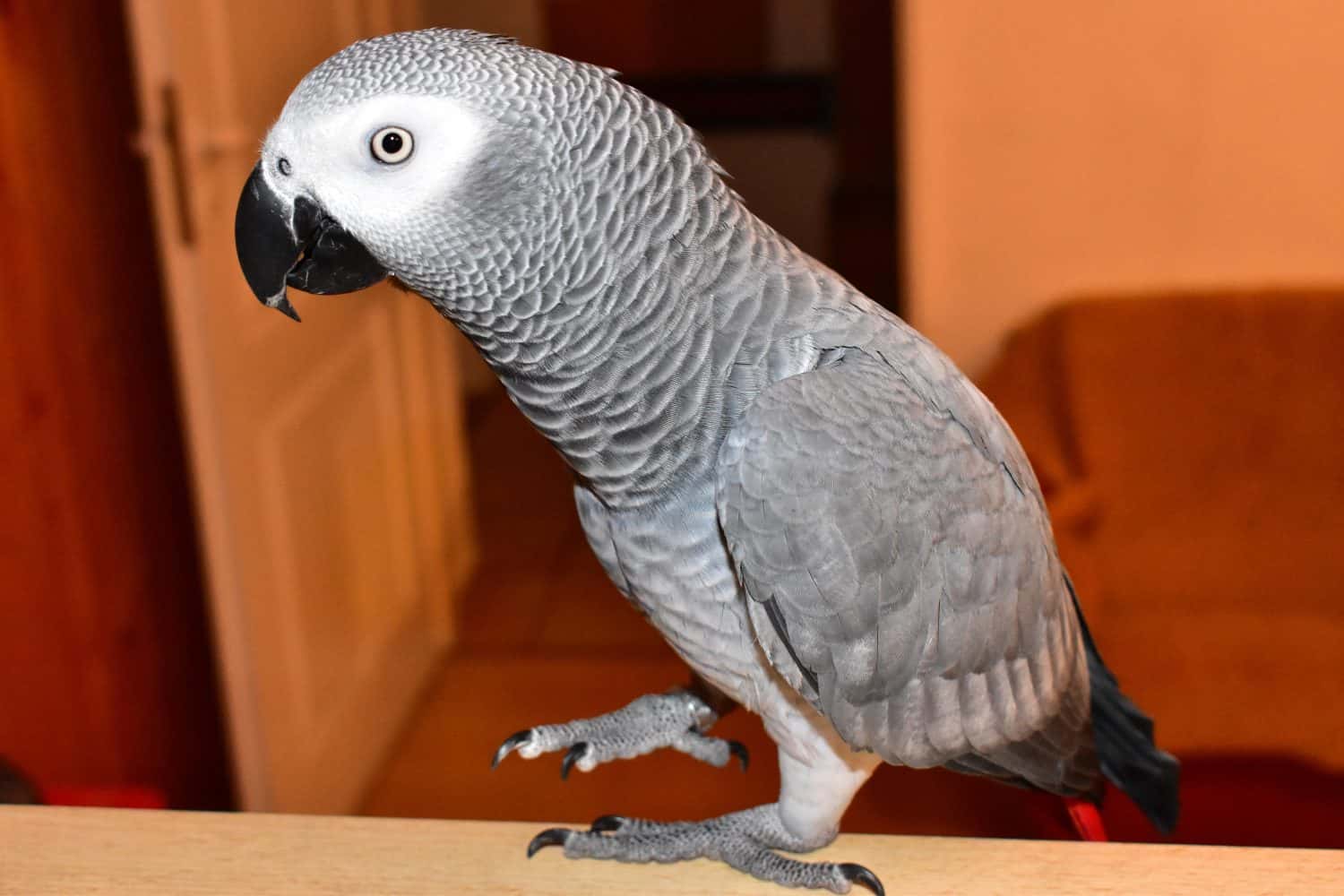
If your parrot is pacing back and forth, it probably needs more stimulation.
©Roman Urbansky/Shutterstock.com
If you notice your pet parrot pacing back and forth, it’s probably a sign that it’s stressed. Parrots are incredibly smart creatures that require a lot of social activity and stimulation. If they are lacking in that department, they might resort to pacing or head-bobbing. Both behaviors suggest some type of anxiety or restlessness.
This type of pacing or inability to sit still can be caused by boredom or anxiety, both of which prompt self-soothing activities. More rarely, however, repetitive movements can be a sign of some type of neurological condition. If this repetitive behavior happens all the time, it’s best to contact a veterinarian.
If the repetitive behavior is occasional, your parrot is probably just bored. Try providing new toys, installing a new perch, or offering more foraging opportunities. Be consistent with stimulation, too; parrots will engage in repetitive behaviors if they don’t get enough daily activity. Like humans, they thrive with a full schedule.
Aggression or Fear
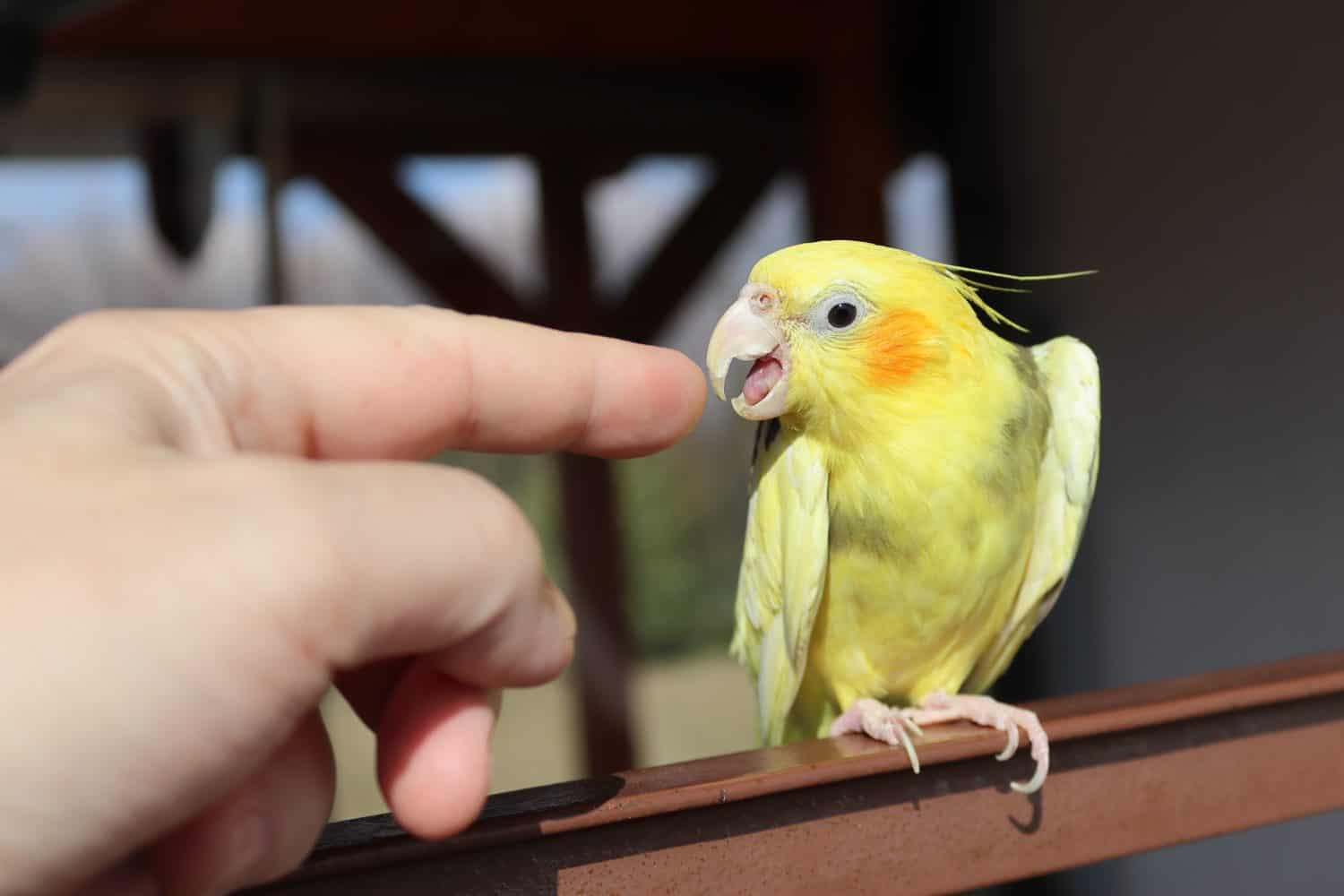
An aggressive parrot is a fearful parrot.
©libor.pal/Shutterstock.com
Another telltale sign of your parrot being stressed is aggressive or fearful behavior. Whereas other activities or behaviors on this list can have more ambiguous origins, biting or retreating are pretty clear-cut signs of discomfort. A parrot will fluff up its feathers if it’s feeling upset. It will bite when it feels threatened or put on the defensive, usually as a last resort. If it’s truly scared, it will hide in a corner.
If your parrot exhibits any of these behaviors, there’s something that is bothering it. Possible causes include new people or pets in their environment, a history of negative experiences, or simply not enough exposure to different people or situations.
Changing this behavior means addressing each type of behavior one by one. Make sure they have a quiet, safe place to retreat to if they are scared. Get them more used to new people or experiences by slowly introducing them. Finally, don’t punish them for bad behavior. Instead, reward them for acting calm. Parrots are remarkable creatures and rewarding pets, but they require care, consistency, and kindness to thrive.