Quick Take
- The real H5N1 risk at your bird feeder isn't the food or the feeder itself. The actual culprit is something most people never consider. See how feeders spread disease →
- Infected birds often show no visible signs of illness, and that invisible threat changes how dangerous your feeder actually is. Understand the invisible risk →
- Your instinct to fill the feeder generously could be the very thing putting birds at greater risk. Why less food helps birds →
- Skipping one CDC-recommended step after touching your feeder matters a lot more than most backyard birders realize. See the CDC-recommended steps →
For many people, putting a bird feeder near their home is the best way to bring a bit of nature to their back door. But what if that nice outdoor oasis was really a path to a dangerous disease? That’s what the experts began to ponder. A recent article in Science Daily spotlighted the potential for your backyard bird feeder to cause more harm than good.
The idea stems from the recent health issue in Australia, where the ongoing H5N1 virus outbreak has many people wondering about the safety of bird feeders around the globe. This doesn’t mean you can’t have a feeder at all; it just means taking the proper precautions. The following information will settle any fears and provide a proper path forward.
How Your Backyard Bird Feeder Could Spread Bird Flu
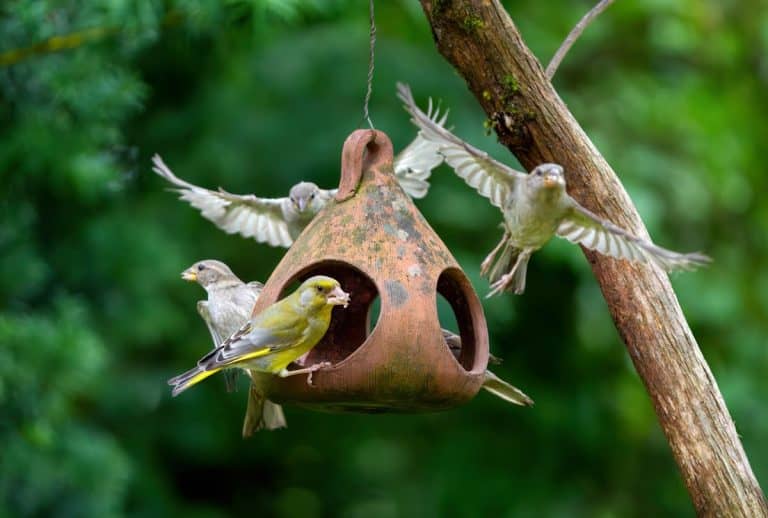
The potential issue with your backyard bird feeder isn’t necessarily the food or the feeder itself. Instead, it’s all about concentration. If countless birds come across your feeder and one is sick, it could contaminate the feeding area. That’s a big issue because birds may land on the same surfaces and eat from the same openings, so they can also get sick.
This is a dangerous situation in areas where the H5N1 virus is circulating. Some wild birds can carry avian influenza viruses without appearing obviously sick, making it even easier to transmit the sickness to new areas.
It’s worth noting that you are unlikely to get the virus from the birds. Even if you frequently birdwatch and sit out in the yard, just being near the birds is unlikely to put you in danger. Guidance from the Centers for Disease Control and Prevention says human infections with H5N1 have generally occurred after close or prolonged exposure to infected animals or contaminated environments.
Should You Take Down Your Backyard Bird Feeder?
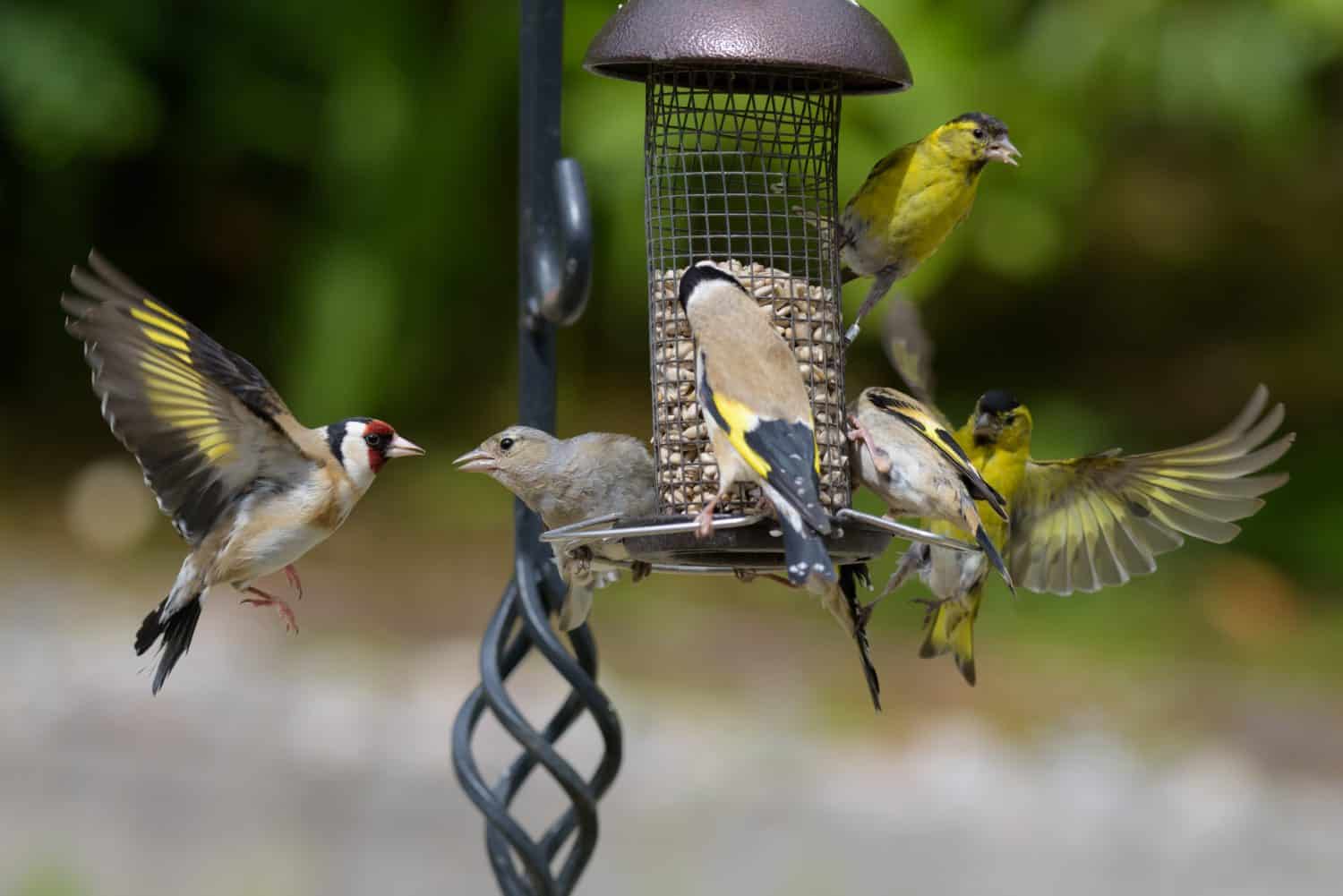
You don’t necessarily need to remove your bird feeder, but you should take precautions.
©Lian Na Rose/Shutterstock.com
The answer to this question is to do your research. Keep an eye on the news and the updates from the CDC. If you know that you’re living in an area that is experiencing significant H5N1 activity among wild birds, then temporarily removing feeders can be a reasonable precaution. However, if you think your area is clear of the virus, you can still take action.
Keep the Feeder Clean
If you believe you’re in an area where the bird flu may be a possibility, then you need to clean your backyard bird feeder regularly. Feeders can accumulate old seed, bird droppings, feathers, moisture, and other debris. Those materials can create an environment where infectious organisms may remain and be transferred among visiting birds.
The CDC recommends regularly cleaning bird feeders and birdbaths and wearing disposable gloves when doing so. It also advises washing your hands with soap and water immediately afterward.
Also, do not add fresh seed on top of old, wet, or contaminated food. Instead, empty the feeder and clean it appropriately. Follow the manufacturer’s instructions for the feeder material and any applicable recommendations from local wildlife or public-health authorities.
Reduce the Amount of Food
An easy step to reduce the possibility of spreading illness is to consider how much food you provide at a time. If there’s less food, fewer birds will congregate there at one time. Don’t worry that the birds will go hungry if you follow this step. Backyard birds have evolved to find natural food sources such as insects, seeds, and berries. A feeder supplements that diet rather than replacing it.
Keep Yourself and Pets Away
Finally, avoid contact with birds whenever possible, especially if you’re in a target area. It may be exciting to try to feed birds from your hands, but you don’t want to put your own health at risk. Also, make sure your pets don’t chase the birds or otherwise interact with them, so they don’t risk getting sick.
The Bottom Line
In these uncertain times, you must be cautious with your backyard bird feeder. Research the spread of H5N1 in your area, take the proper precautions, and you can enjoy the birds without causing them unnecessary distress.