
Obesity is a growing problem with dogs – and it’s completely preventable. Today, more than 50% of dogs in the United States are obese or overweight. Sadly, there are many health problems dog obesity causes, shaving years of a dog’s potential lifespan.
Typically a dog is considered overweight if they are 10% – 20% heavier than they should be. Obesity occurs when a dog is over 20% above their ideal weight. For smaller dogs, this may be only a pound or two. For very large dogs, it may be 20 pounds or more.
Some dog breeds are more prone to obesity than others. However, obesity can be prevented with exercise and diet management. If obesity isn’t prevented, here are some of the problems your dog may run into:
1. Arthritis
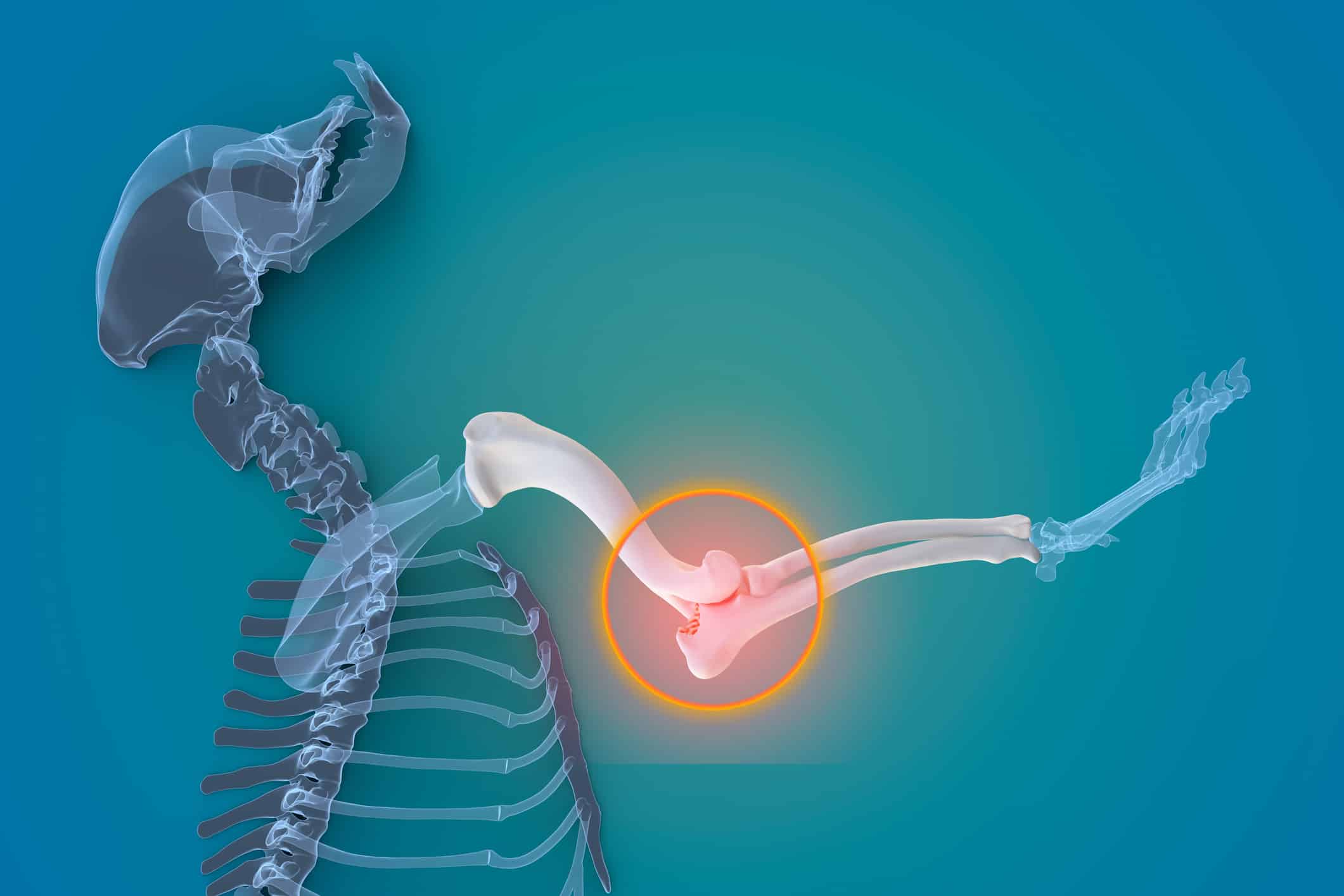
Arthritis can affect any joint, but the elbows and hips are the most common.
©humonia/iStock via Getty Images
Obesity is caused by excessive body weight, and this extra weight does a number on a dog’s joints. They have to carry around all the extra fat, causing excessive wear. In many cases, this leads to arthritis – even at a very early age.
Arthritis causes inflammation, mobility problems, and pain. It can sometimes be managed with medication. However, it’s often progressive, worsening with time. It also isn’t curable. Once your dog has arthritis, they will have it for the rest of their lives. Arthritis is one of the more common health conditions dog obesity causes.
Of course, if your dog loses weight, they’ll need to drag around fewer pounds. Due to this, many dogs experience a reduction in arthritis symptoms if they lose weight, and its progression may be slowed. However, the arthritis will never go away completely.
2. Intervertebral Disc Disease

Dogs with long backs, like dachshunds, are particularly prone to IVDD.
©CBCK-Christine/iStock via Getty Images
Intervertebral disc disease occurs when a dog’s vertebrae (the individual bones in the spine) slip out of place. The spinal column can no longer deliver messages from the back legs to the brain, causing pain and paralysis. Treating this disease is also a hit-or-miss. Some dogs recover with crate rest; others remain paralyzed even after invasive surgery.
Obesity puts more pressure on the spine, especially in dogs with longer backs and shorter legs. Therefore, it increases the chance of this condition.
3. Cruciate Ligament Rupture
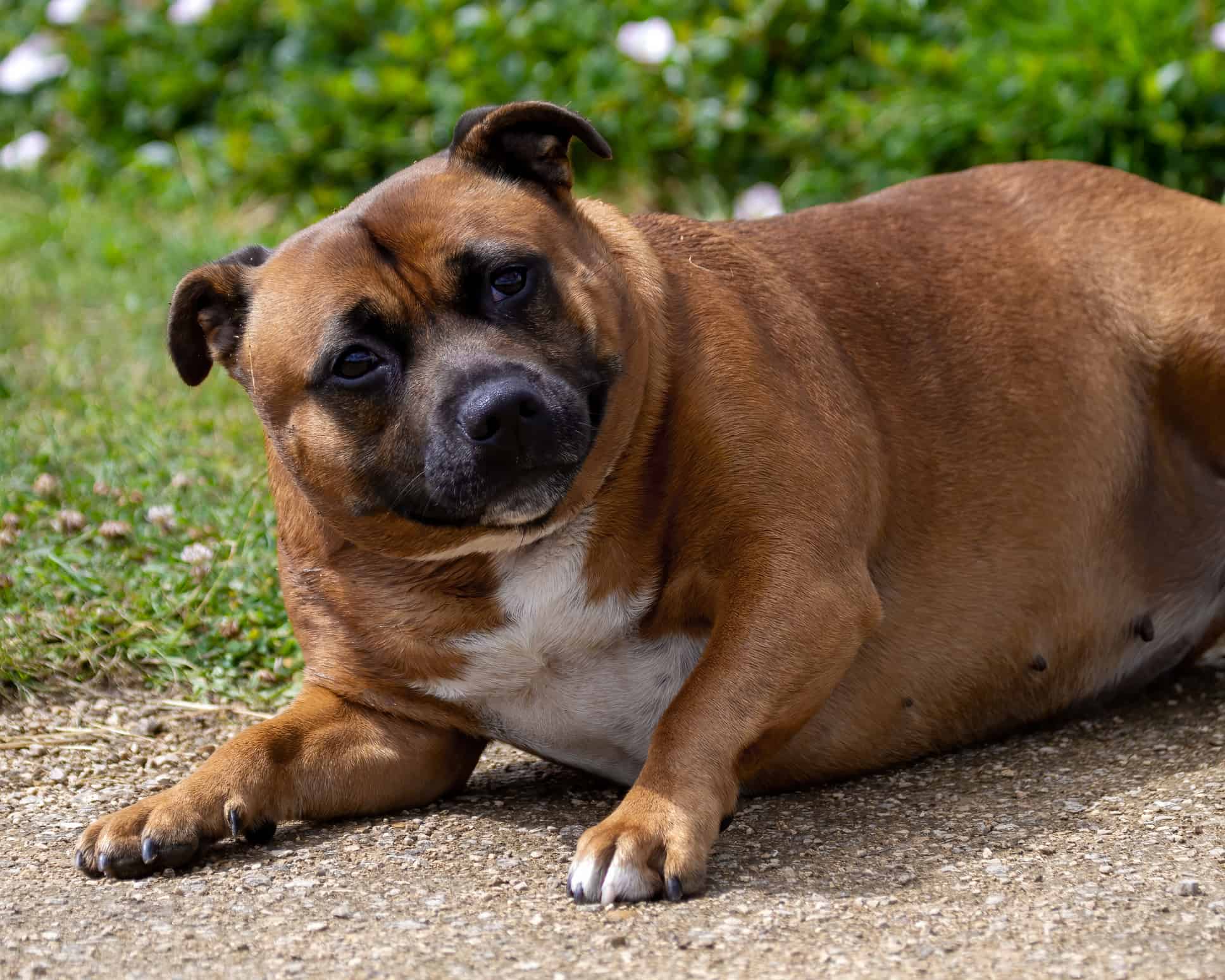
The more obese a dog is, the higher their chance of developing any of these health conditions.
©Sue Thatcher/iStock via Getty Images
Cruciate ligament ruptures occur when the ligament in the knee joint tears. Often, this condition requires long periods of crate rest and surgery. Because obesity puts extra weight on the joints, it increases the chance of this condition. Your dog is much more likely to and wrong or take a bad tumble.
4. Brachycephalic Syndrome

All dogs with shortened snouts have brachycephalic syndrome, but being overweight can make it even worse.
©fongleon356/iStock via Getty Images
Today, many dog breeds have shortened snouts (think pugs and bulldogs). While these dogs are often cute, they all have brachycephalic syndrome. This means they cannot breathe properly because their snout is deformed. Their inability to take in enough oxygen causes all sorts of issues, from gassiness to an increased chance of surgery complications.
While obesity doesn’t cause this condition, it can worsen it. If your dog is overweight, they need to breathe more when moving. They already cannot breathe properly, making them even more out of breath.
They’ll also be more prone to heat stroke and exhaustion – both of which can be deadly.
Sadly, these breeds often have a low tolerance for exercise due to their shortened snouts, which can make keeping the pounds off challenging.
5. Diabetes

Diet is an important part of managing diabetes – and it can help your canine lose weight!
©Jaja Fekiacova/Shutterstock.com
Obesity is also linked to diabetes, just like it is in humans. If a dog is overweight or obese, their chance of insulin resistance increases. Simply put, the dog’s body is no longer responding to insulin at the correct rate, which leads to too much sugar in the bloodstream.
Usually, this condition is managed with the help of a special dog food. Some dogs do okay on medication, while others require daily insulin injections. It can be a complicated and expensive disease to manage.
Sometimes, if the dog loses weight, the condition corrects itself. Sadly, this isn’t always the case. There also isn’t any other cure for diabetes. Most vets will recommend that the canine lose the excess weight, but it isn’t a sure fix. Prevention is far more straightforward.
6. Heart Disease
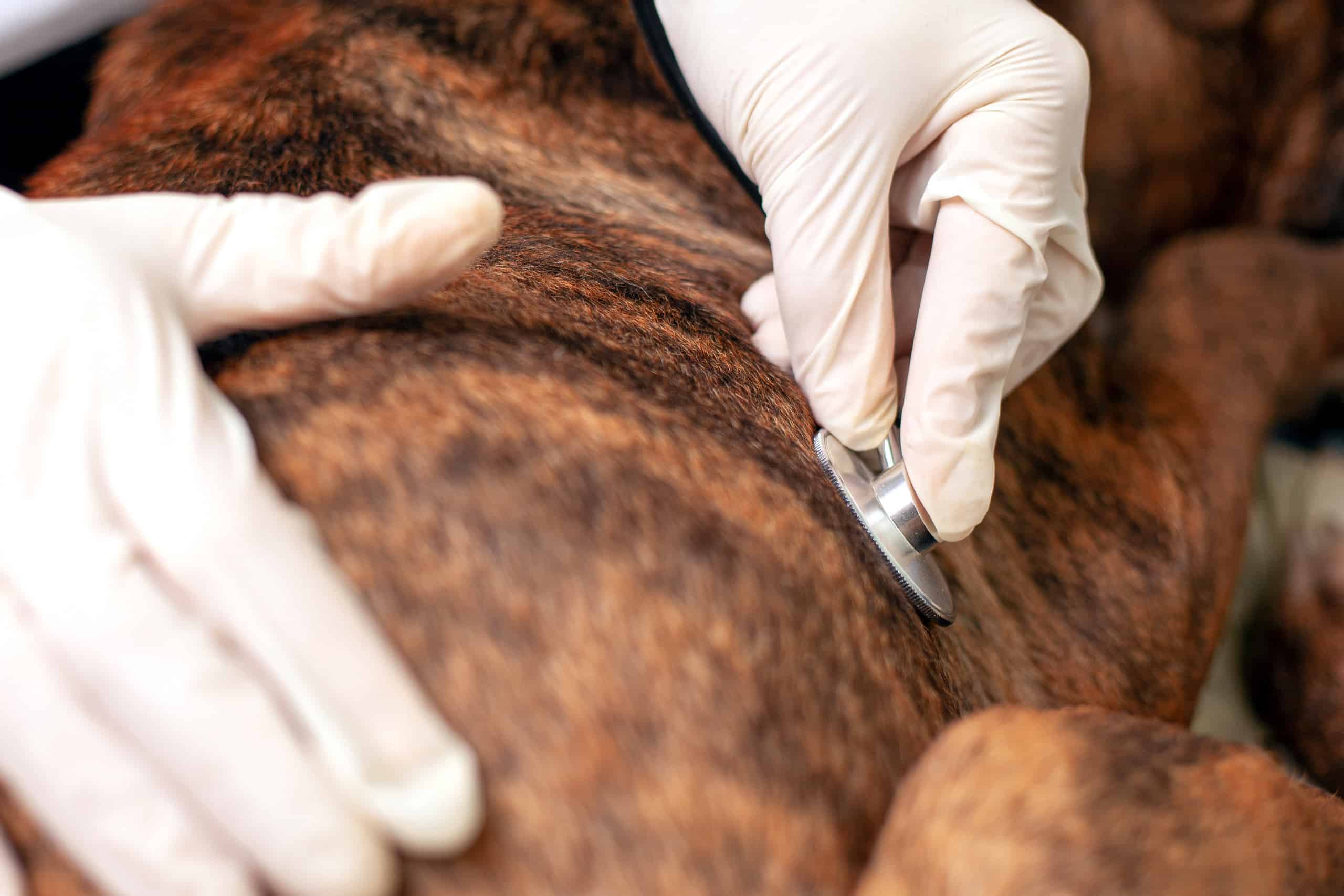
Regular veterinary checkups can help catch heart conditions early, allowing for earlier treatment.
©fukume/Shutterstock.com
Heart disease can be a very serious, deadly condition. This category covers many different specific heart conditions, such as congestive heart failure and arrhythmias. Treating heart disease is challenging. Medication can often slow it down, but it isn’t cureable. (There are rare exceptions, such as when the heart condition is caused by a nutritional deficiency.)
Obesity puts extra strain on the heart. In many cases, it’s also linked to increased blood pressure and abnormal cholesterol. Both of these factors increase the dog’s chance of heart disease.
It’s important to get your dog checked for heart issues regularly, as medication works best when started early. However, preventing obesity is also an important step.
7. High Blood Pressure
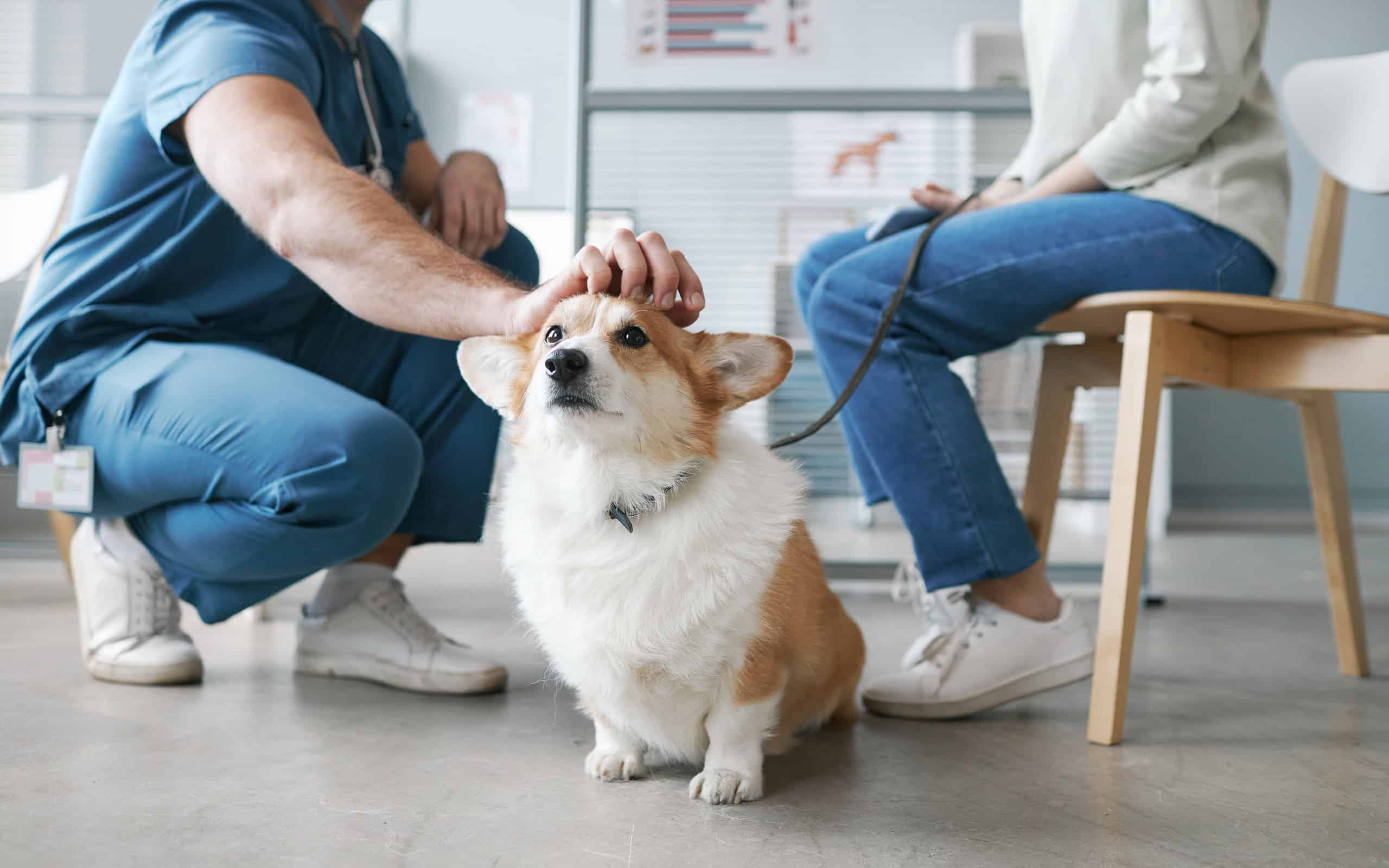
Your vet will likely want to keep a closer eye on your canine if they have hypertension.
©SeventyFour/ via Getty Images
Hypertension, or high blood pressure, occurs when the blood pushes too hard in your dog’s arteries. Several factors, including obesity, can cause this condition. If your dog has too much body weight, it increases their blood volume. More blood filling the same space leads to high blood pressure.
High blood pressure can damage the heart, causing heart disease. However, it can also damage the kidneys, eyes, brain, and practically every other organ. It can lead to very serious complications and even death.
Medication can help control it, but your dog will also need to lose weight. Luckily, as your dog loses weight, their blood pressure typically falls, too.
8. Skin Problems
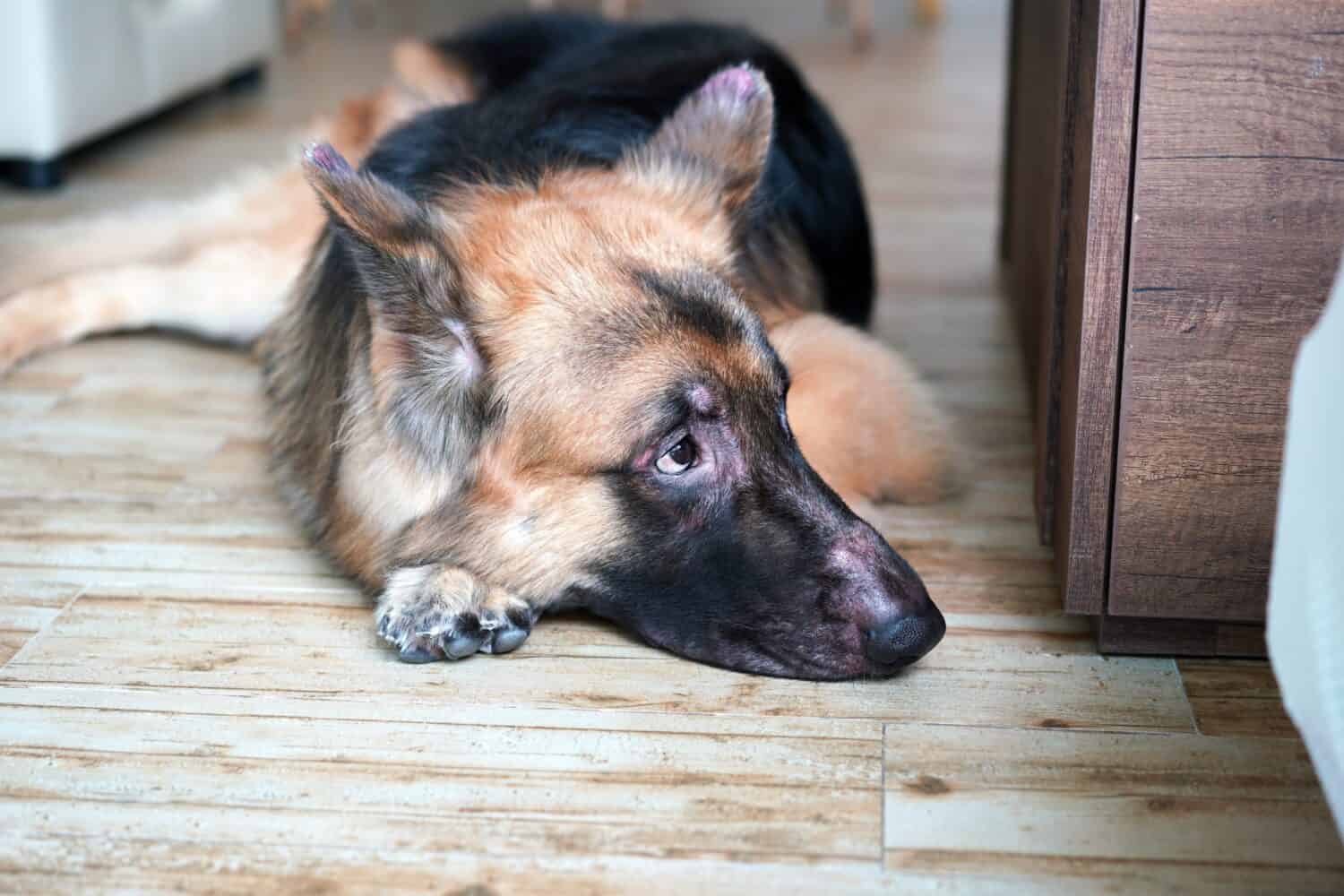
While skin problems may seem minor, secondary infections can cause serious complications.
©Vach cameraman/Shutterstock.com
Obesity can also do a number on your dog’s skin. The stretching required for the skin to accommodate the excessive fat can be significant. The skin may also trap moisture, creating a breeding ground for yeast and bacteria. Infections and inflammation can show up regularly for even minorly obese dogs.
Skin infections are itchy. Unlike a person, your dog doesn’t know not to scratch them. Many dogs will scratch them so much that they cause tears in the skin. Because they continue to scratch, these lesions never heal. Without treatment, further infections are very likely.
Sometimes, this bacteria may go to the dog’s bloodstream and travel to organs. Dogs typically do not die from skin infections, but they can die from the secondary infections that come with them. This is one of the sneakier health conditions dog obesity causes.
9. Cancer
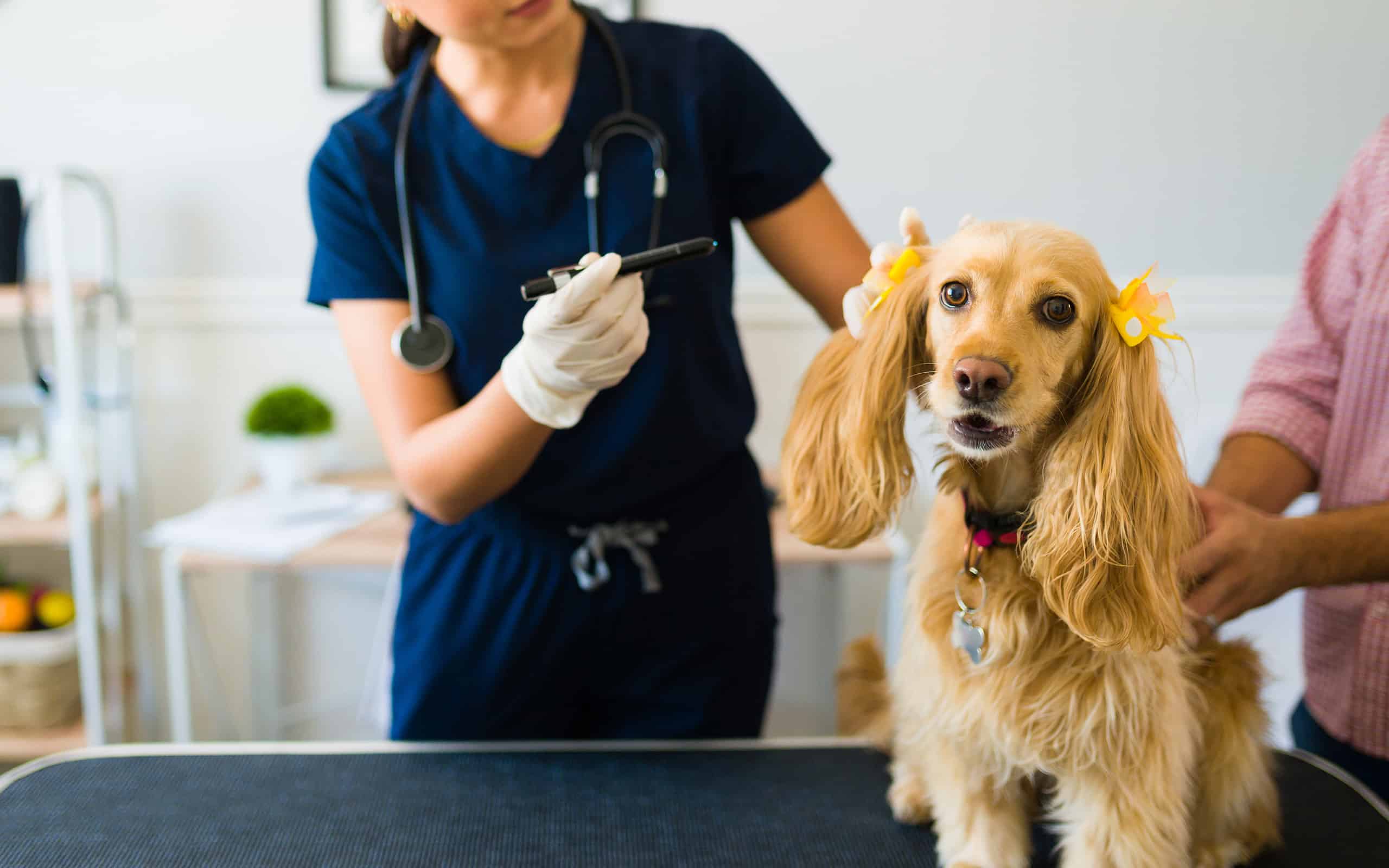
Taking your dog to the vet regularly can help you catch cancer early when it is the most treatable.
©Antonio_Diaz/iStock via Getty Images
While we still don’t understand why, overweight and obese dogs are more prone to cancer than healthy-weight dogs. Some theorize this is because obesity causes inflammation, which may be a driving force in the development of cancer. Extra body weight can also lead to hormonal changes, causing cancer.
Of course, dogs with more body fat also have more cells in their body. This fact may increase the chance of one cell turning cancerous. There are simply more cells around to go bad.
It does seem that obesity leads to an increase in particular types of cancer, as well as an overall increase. In other words, the chance of cancer itself increases, but the cancer of certain types goes up a lot. These include mammary gland tumors, mast cell tumors, and lymphoma.
Cancer treatment in dogs is very hit or miss. Surgery and medication are often required, but we haven’t come as far with canine cancer treatments as human cancer treatments. Therefore, many types of cancer are still very deadly for dogs.