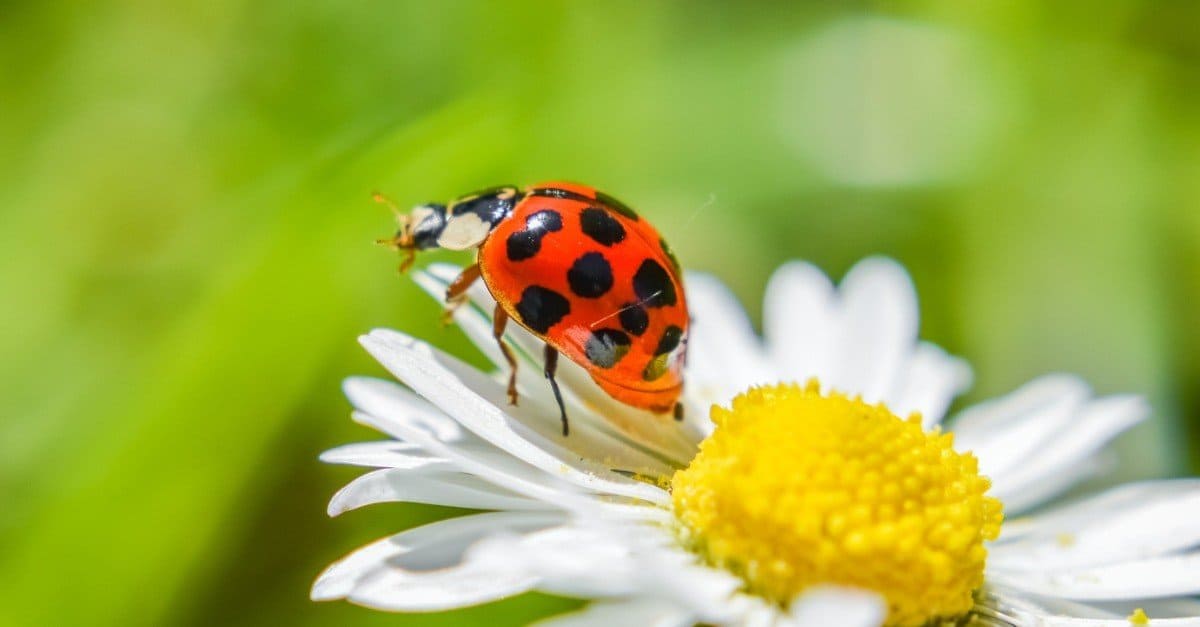

An extremely popular beetle throughout the world, ladybugs are often a sign of luck if you happen to see one in your garden. But how long do ladybugs live, and what exactly is their life cycle like? Many bugs have similar life cycles, but is that also true for ladybugs?
In this article, we will discuss what a ladybug goes through, from egg to adulthood, as well as how their life cycle compares to another popular insect. If you have been waiting to learn more about ladybugs, now is the time! Let’s get started.
How Long Do Ladybugs Live?
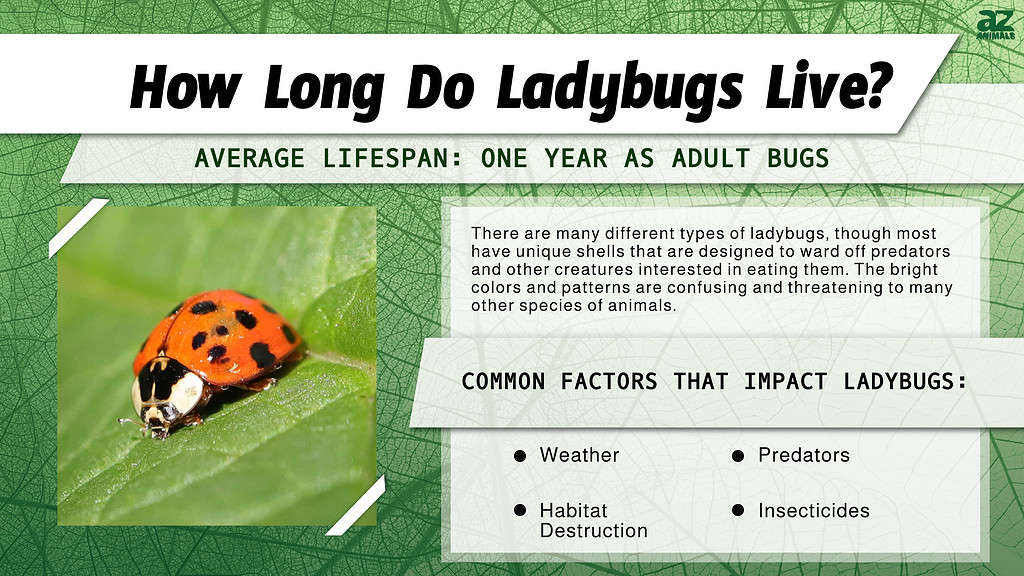
Ladybugs live roughly one year as adult bugs. They go through a complicated larval and pupa stage which could be considered an additional amount of lifespan time. However, these beginning stages are relatively quick, lasting roughly two months.
A ladybug’s lifespan can be affected by a variety of factors. It can be impacted in the wintertime due to its ability and desire to hibernate. Ladybugs refuse to fly if the temperature is lower than 50 degrees Fahrenheit. If they choose to hibernate, ladybugs can survive the winter on stored fat and food reserves.
Ladybugs are obviously prey to many different species of animals, such as birds and other bugs. However, they have many unique defense mechanisms, such as retreating their head should they sense danger, and excreting an unpleasant smell if threatened. They are also impacted by a number of issues affecting their environments, such as habitat destruction and insecticides.
The Average Ladybug Life Cycle
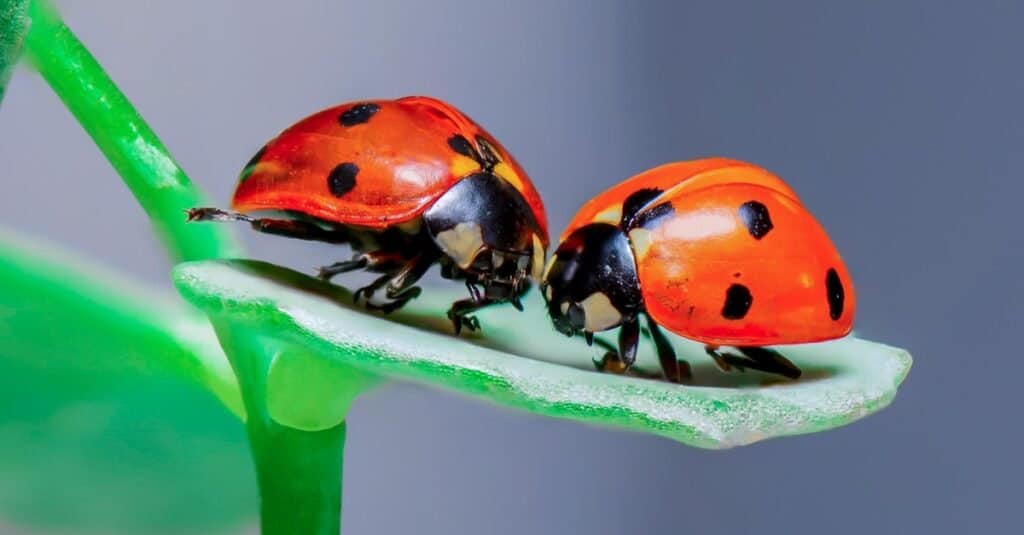
Ladybugs live roughly one year as adult bugs.
From egg to adulthood, the ladybug lives a very interesting life cycle. If you are here to learn more about what a ladybug goes through during this time, read on!
Eggs and Larvae
A female ladybug can lay over 200 eggs in a single sitting, and it only takes less than a week for them all to hatch. You will recognize ladybug eggs in your own garden if you happen to see a cluster of yellow balls near an aphid colony. This is a female ladybug’s way of ensuring her offspring will have food the moment they hatch.
Once the eggs hatch, the larvae will immediately feed on the aphids nearby, given that they can’t travel very far at this young age. However, the larval stage is only the beginning, and it lasts less than a month. From egg to larval stage, a ladybug eats for roughly twenty days before entering its next stage of life.
Pupae
After almost a month, larva ladybugs enter their pupa stage. This is similar to a butterfly’s cocoon, and the ladybugs will undergo extreme transformations in their pupa shell. Ladybug larvae don’t look anything like their adult counterparts, black and spiny. The pupa stage is when they develop into the bugs we know and love.
Ladybug pupae are yellow with their trademark ladybug black spots, and you may find these resting on a variety of plant matter and leaves. Ladybugs try to pupate in a relatively protected and safe environment. The entire pupating process takes two weeks or less.
Adult Ladybugs
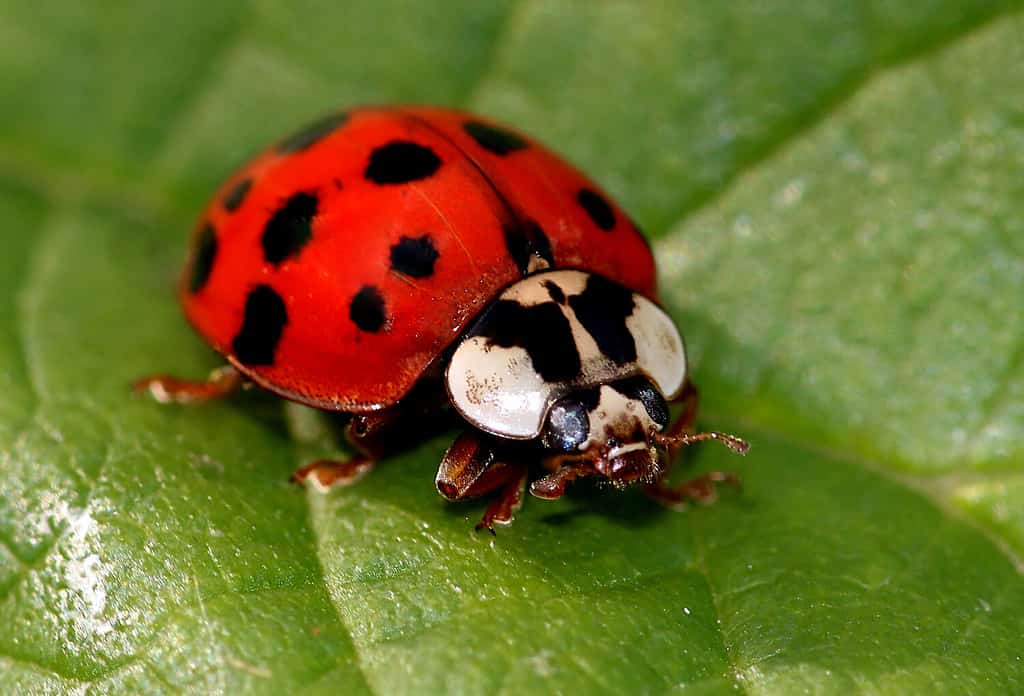
Adult ladybugs are easily distinguished from juveniles by their color.
©Ger Bosma Photos/Shutterstock.com
An adult ladybug emerges from its pupa after these two weeks as a fully grown ladybug. They have their red shells and black spots at this point in time, and they use this unique shell to ward away predators. Why might this be?
There are many different types of ladybugs, though most have unique shells that are designed to ward off predators and other creatures interested in eating them. The bright colors and patterns are confusing and threatening to many other species of animals. You can tell an adult ladybug from a larva ladybug easily, given their very different coloring and patterns.
Adult ladybugs can live up to a year, and this includes the time they spend hibernating in the winter months. Ladybugs can mate soon after emerging from their pupa case, and they immediately seek out aphids. This is their main source of food.
Factors Affecting the Lifespan of a Ladybug
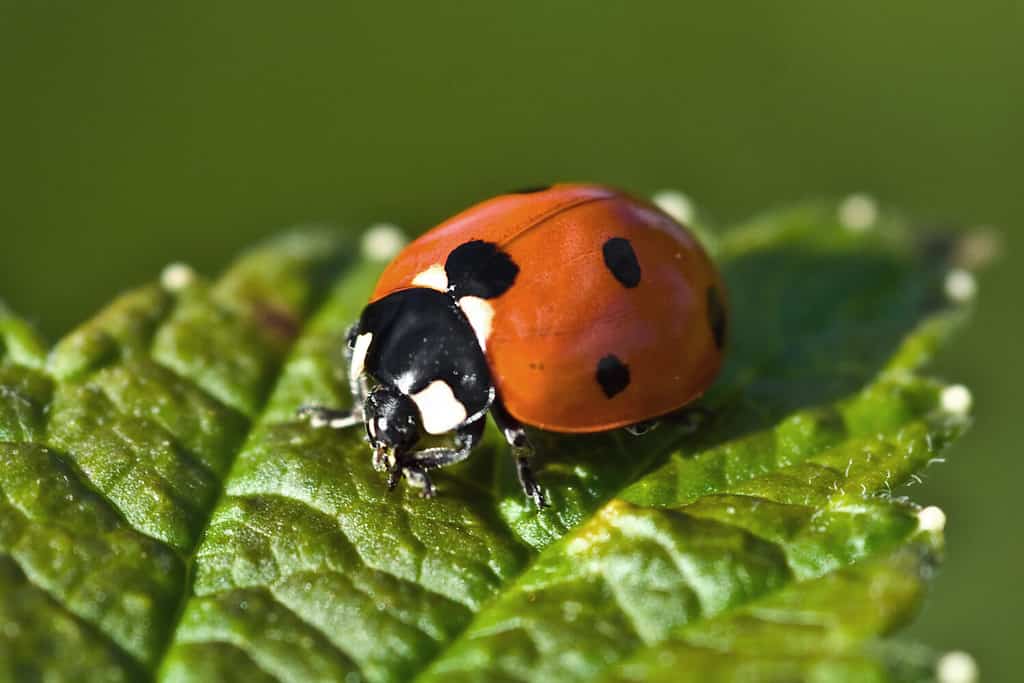
There are several factors that can affect the lifespan of a ladybug.
©denlog82/Shutterstock.com
There are a few factors that affect the lifespan of a ladybug. Let’s take a quick look at them.
Climate
Many species of ladybugs hibernate in the winter, often refusing to fly once the temperature drops below 50 degrees Fahrenheit. Ladybugs hibernate in places such as crevices between rocks, crevices in buildings, underneath tree bark, and even in the leaf litter. They will often hibernate in groups and may even hibernate in houses if they are attracted by the warmth. However, if the weather is unseasonably warm in the winter then they may wake up before spring. If this happens, then the ladybug may starve as there’s insufficient food for them to prey on.
Predators
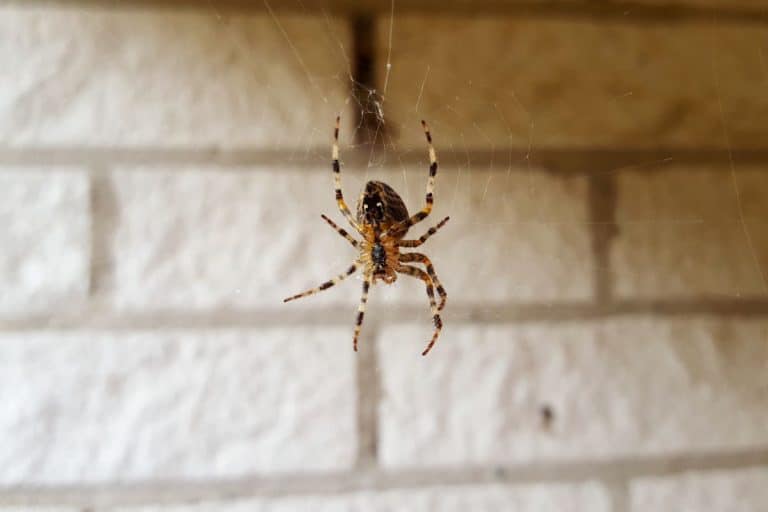
One of the main factors that affects the lifespan of a ladybug is predators. As such small beetles, it’s unsurprising that ladybugs have many predators. These include spiders, birds, frogs, dragonflies, and even larger beetles.
Environmental Conditions
Ladybugs are highly beneficial animals as they prey on a variety of aphids, which are considered pest species. However, when pesticide is used to try and deal with these aphids, it has a knock-on effect on the ladybugs, as they are also often killed by the pesticide.
Habitat Destruction
Unfortunately, ladybugs are also affected by habitat destruction. This can occur when land use is changed or climate change affects their habitat. As well as removing the places where they live, it can also affect the populations of their prey.