
It’s hard to believe that up to 200 species go extinct every day. Going even further, up to 73,000 species go extinct throughout an average year! Why does this happen? Do we have any chance of turning back the clock? Let’s take a look into extinction, what causes it, and what we can do to slow it down.
Can Plants Go Extinct?

A variety of plants are finding it difficult to stay alive in their environments as a result of rising temperatures and changing patterns of rainfall.
©Oksana Lyskova/Shutterstock.com
Although they can occasionally appear to be an unimportant component of daily life, plants are in fact essential to all existence on the Earth. Plants are a significant source of nourishment for people as they are the first component of the food chain.
The extinction of a plant species may have repercussions on entire ecological systems. Sadly, as plant life is becoming more endangered by the results of climate change, extinction is happening more frequently.
A variety of plants are finding it difficult to stay alive in their natural environments as a result of rising temperatures and changing patterns of rainfall. Climate change is in certain instances causing the extinction of entire plant species.
This is extremely risky because even a small loss of a few kinds of plants can significantly affect an ecosystem.
How Do Animals Go Extinct?
When there are no longer any living members of a species of animal or organism, it is said to be extinct. “Endangered” animals are those that are in danger of going extinct. Some creatures are thought to be extinct in the wild.
This indicates that there are no other individuals of the species left, and if there are, they all reside in captivity. Numerous factors can cause an animal to go extinct. Because of the influence of humans, many creatures are either at risk of extinction or are already extinct.
There are two main things that cause animal extinction. These categories can also be applied to plants in many circumstances.
Environment Issues
The loss of habitat is one of the biggest concerns facing animals today. This is a result of human population growth, particularly due to agriculture. Natural ecosystems are being destroyed as enormous tracts of land are developed for food production.
A lot of the life cycles required for organisms to thrive and for biomes to flourish can be destroyed as a result. A species might become extinct due to human pollution as well. This is particularly valid for freshwater biomes like lakes and rivers.
The water might be contaminated by sewage and runoff from industrial facilities. If a single species is harmed, other species may also go extinct, setting off a chain reaction and upsetting the ecosystem’s delicate equilibrium.
Throughout history, a great number of species have disappeared. This is a normal aspect of the procedure. Climate change. rivalry with other organisms, a lack of food, or any one or more of these factors may cause a species to go extinct.
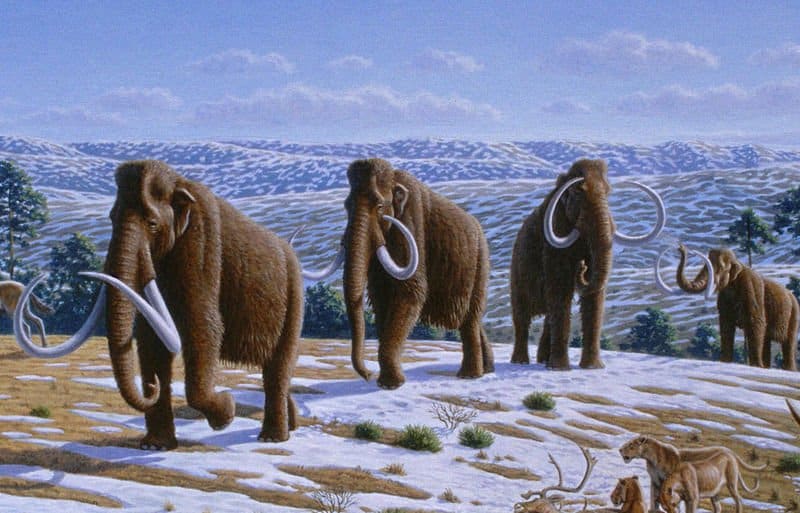
The majority of natural extinctions are sporadic occurrences that take place across a sizable amount of time. Yet, some are significant occurrences that may occur quickly and result in mass extinctions. The demise of the dinosaurs, which possibly was brought on by a huge meteorite striking Earth, is perhaps the most well-known of them.
Human Disruptions
Today, a lot of conservationists worry that human interaction will lead to the extinction of certain species. This is happening because extinction rates have risen above what would typically happen in nature as a result of human contact. Further extinctions minimize the diversity of the environment and may be harmful to all life on Earth.
Several species have either been killed to extinction or severely endangered status. Before the arrival of the Europeans, the North American Great Plains were home to millions of bison. Only a small number of animals remained when the animals gained protection because of vigorous hunting. They are no longer threatened since they have lived on farms and ranches, and their hunting has decreased.
Wildlife are frequently hunted for purposes other than food, such as their fur, feathers, or horns. Such creatures can have a small starting population because they are the greatest predators, such as lions. These species are susceptible to rapid extinction by hunting simply for parts.
What Can We Do to Prevent Extinction?
Animal extinction might be prevented, but it cannot be reversed. As humans, we must take action right away. Everyone has the power to alter anything, no matter how small, in order to safeguard not just the environment but also the future of the planet and everything that calls it home.
Careful What You Buy on Vacation
When you’re on vacation, avoid purchasing anything made with animal products. We know, the shark tooth necklace may seem cool, but there are fake ones available that don’t cause an animal extreme pain.
Even though it might not seem so, when you make that investment in a souvenir made from a real animal, you truly are raising the rate of extinction. These goods are fraught with brutality and suffering for the animals involved in their creation.
Consider a faux alternative.
Reduce, Reuse, Recycle
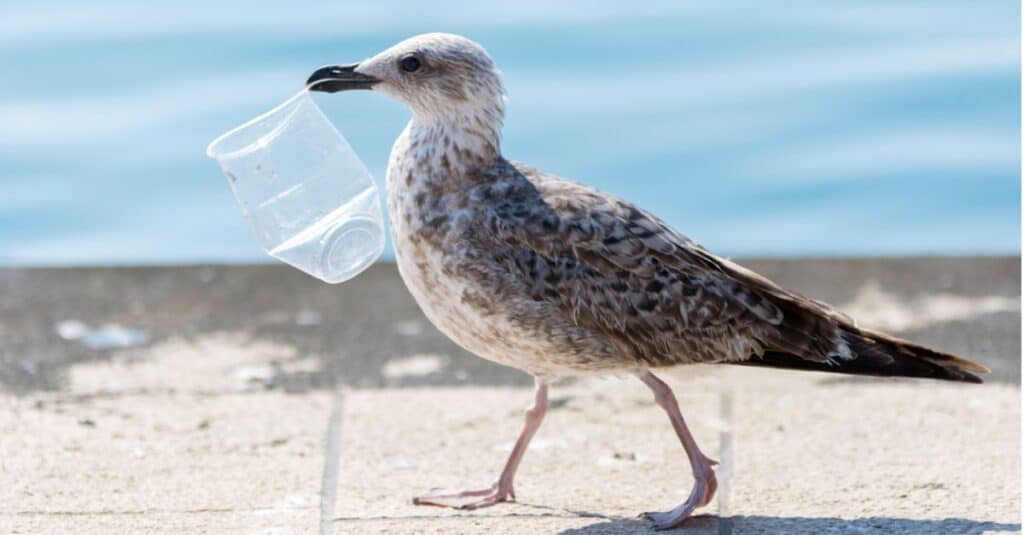
The buildup of plastic debris on the Earth’s surface is an imminent danger to the environment.
©iStock.com/Robert Pleško
Sort and handle the solid waste left over from the production of new products. Recycling materials such as metal, plastic, glass, newspaper, cardboard, and everything else to make new, wonderful products. Instead of buying wrapping paper every holiday season, consider using old newspapers.
Gift something new in a previously used gift bag! Take out the old wax from a candle and use the jar to store cotton swabs. The opportunities are endless.
The buildup of plastic debris on the Earth’s surface is an imminent danger to the environment. In addition to being a serious environmental contaminant, it can have a detrimental effect on wildlife habitat, regardless of whether it be in the wild or near water.
Watch Your Meat Consumption

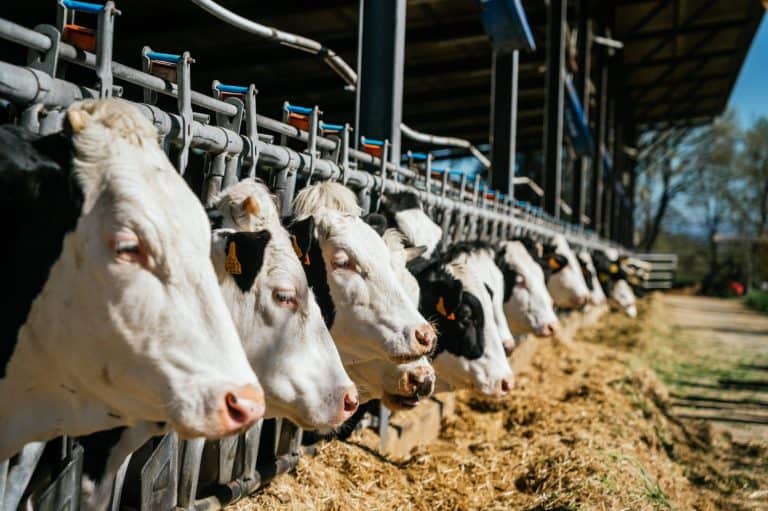
Our endless desire for cattle, dairy products, and fish is destroying animals and possibly endangering human life.
©Artit Wongpradu/Shutterstock.com
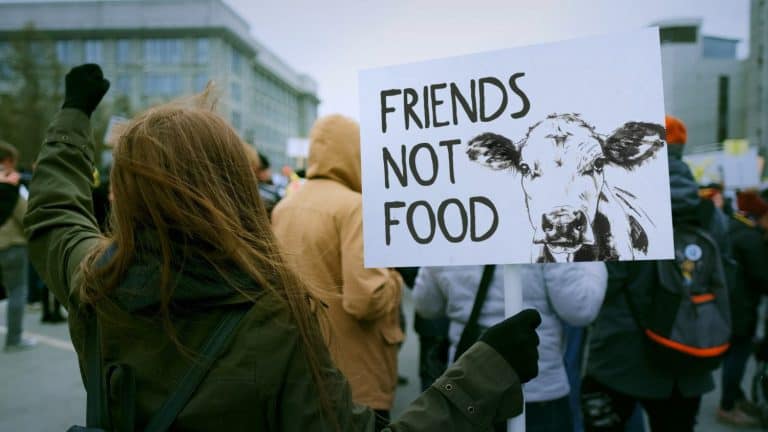
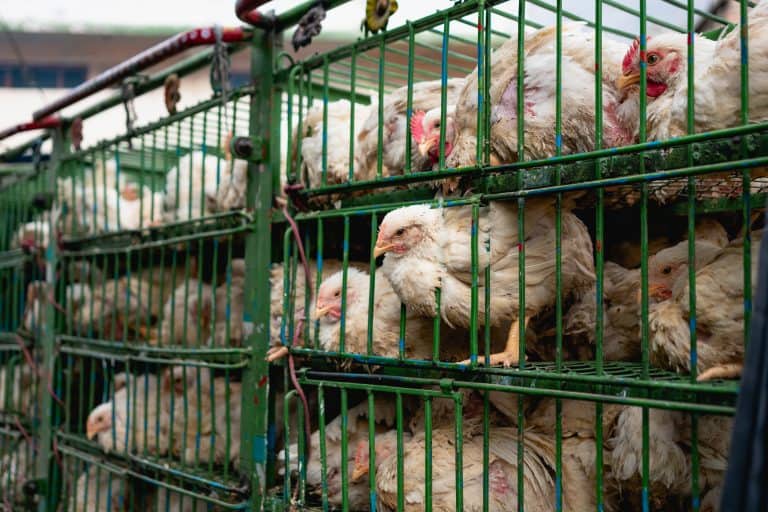
The meat industry harms wild animals as well as domesticated ones, particularly those that are in danger of going extinct. According to studies, those who consume meat are hastening the demise of all creatures globally.
Our endless desire for cattle, dairy products, and fish is destroying animals and possibly endangering human life. This has a connection to the overfishing, pollution, and habitat destruction brought on by land clearing.
Additionally, a lot of professionals have looked into the connections between current farming practices and other problems like pollution and climate change, which ultimately cause animal extinction.
Thankfully, there are more alternatives now than ever before. Consider replacing one of your meat-centric meals with an alternative such as Beyond Meat, tofu, or a tasty creation of your own! There is no shortage of environmentally friendly options available.
Opt for Eco-Friendly Options
Carefully avoid purchasing particularly dangerous products for the environment, such as those made by major companies that use materials or manufacturing techniques that have a negative influence on animals, particularly those that are endangered.
Additionally, always verify that the manufacturer of any product you purchase, whether it be food, clothing, or containers in general, works in a way that promotes sustainability. Animal habitats, particularly those of species that are threatened, will be saved as a result. You’ll help stop the extinction of animals by doing this.
Get Involved in Your Community
Speak with your loved ones and friends about what you’ve learned about extinction and what you can do to help. At the very least, make an effort to alert them and increase their awareness of their activities if you can’t persuade them to modify their behavior.
Begin by educating others about the benefits of consuming less meat, reusing packaging, and shopping for eco-friendly goods. Something easy and free you can do is use social media to advocate for endangered animals by sharing posts and videos and tagging your followers.
The internet is a fantastic resource for information gathering and ultimately for more immediate engagement. Support animal rights! Collectively, we can prevent the extinction of animals and plants from getting worse than it already is.