
Quick Take
- Dozens of trained searchers spent days combing the woods, yet a single drone found the missing in under 90 minutes. Here's why that gap exists. See how drones changed search →
- Michael says the drone is only half the job, and the other half surprises most people. Discover the other half →
- One dog was found alive after two days, though the drone that located it turned out to be the easy part. Read Benjamin's full rescue →
- Every heat source in the environment can fool a thermal camera, so what is it that separates a successful rescue from a failed one? See what separates success →
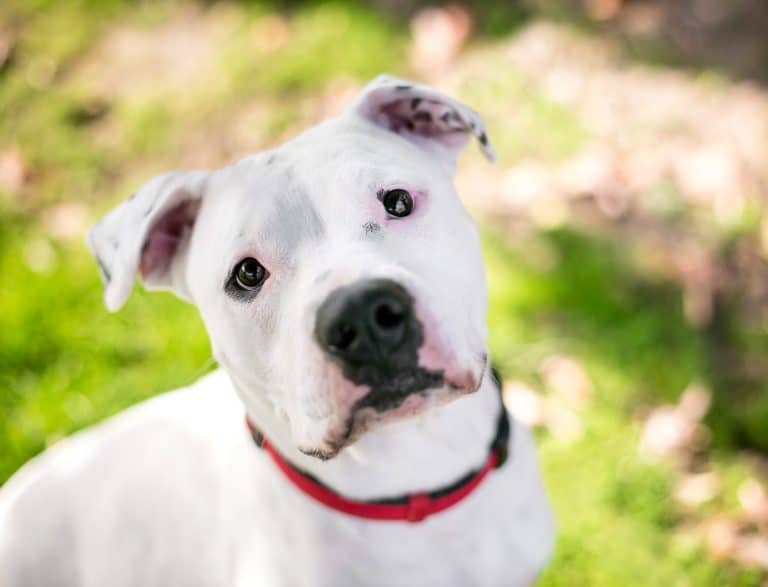
A lost family dog is constantly on the move. That’s the first thing Michael Parziale wants you to understand. A missing pet rarely stays put. It travels, hides during the day, moves at night, gets trapped in thick brush or tangled in briars far from home. And when a family has spent days searching every field and tree line with no luck, they’re often out of options.
That’s usually when they call Michael Parziale.
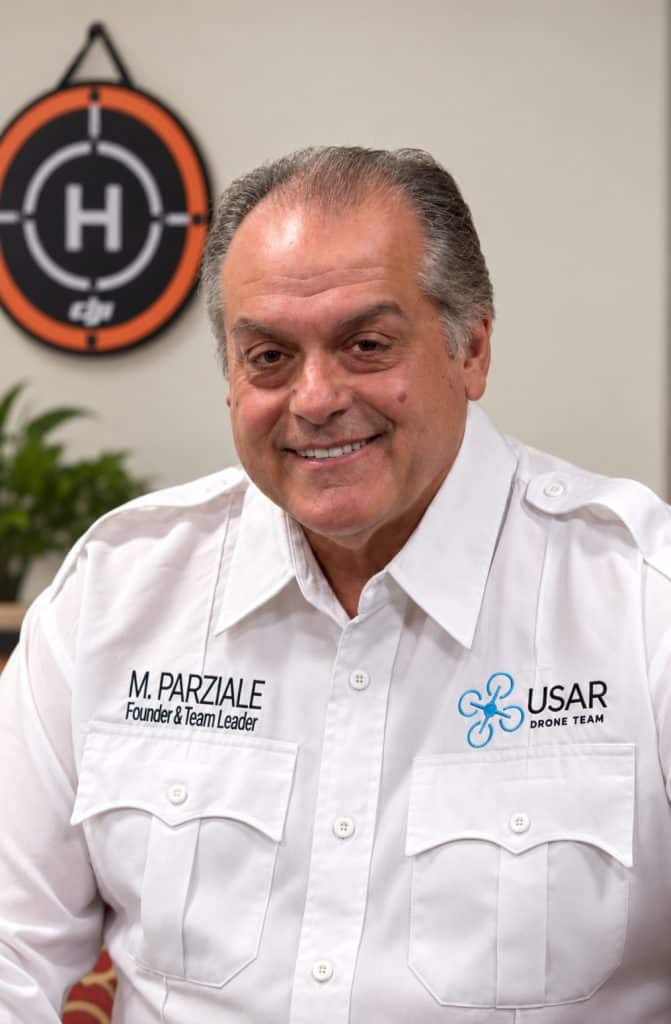
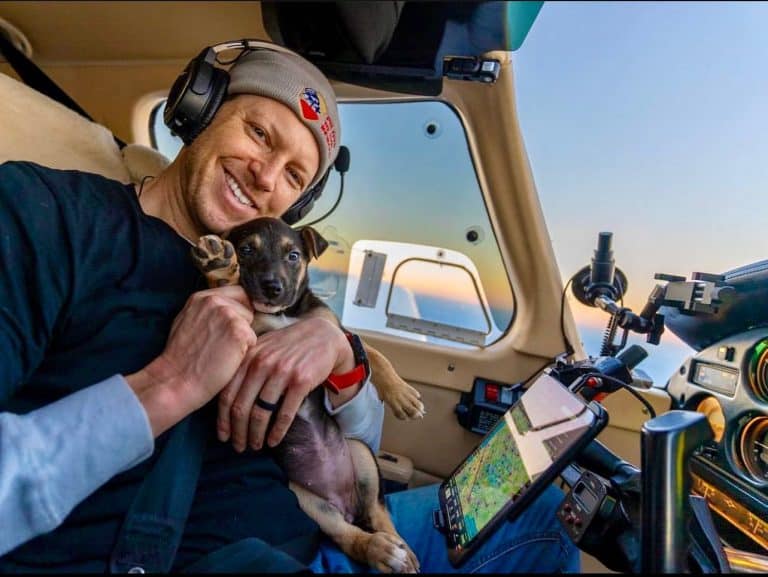
Michael Parziale, the Drone Ranger, uses drone technology to find lost pets.
©USAR Drone Team, a veteran-based nonprofit – Original / License
He’s the founder of the USAR Drone Team, a veteran-based nonprofit that uses thermal drone technology to find people and animals who can’t be found any other way. What started as serious search-and-rescue work has grown into something Michael never fully expected: a dedicated mission to bring lost pets home. So far, he’s helped reunite 153 animals with their families, with an additional 30 to 40 assists on cases across the country.
From Search and Rescue to Second Chances
Michael’s story doesn’t begin with pets. It begins with people.
“My background with drones began well beyond pet rescue,” he says. Through the USAR Drone Team, he’d already gone deep into search and rescue, aerial surveying, thermal imaging, and using unmanned aircraft for public service.
The moment that changed everything came in Toms River, New Jersey. An elderly man had wandered into the woods and disappeared for more than three days. Over 60 first responders had already combed the area with no success. Then Michael put his thermal drone in the air.
He found the man in about an hour and 17 minutes.
“He was located lying down in a swamp, completely soaked in 40° weather and missing a shoe. He was severely hypothermic,” Parziale recalls. “If we didn’t find him, he most likely would have succumbed to the elements.”
That rescue opened his eyes. If a thermal drone could locate a person hidden deep in the woods that dozens of searchers had missed, what else could it find? The answer, he soon realized, was animals — creatures that are notoriously hard to track down.
“What started as using the technology to help in searches developed into a dedicated thermal-drone pet rescue capability,” he says. “The goal has always been very simple: use the technology and our experience to give families another chance to bring their pets home.”
Today, the whole operation runs on volunteer power. Any proceeds go straight back into the nonprofit to train veterans and expand its search-and-rescue reach.
Learning That the Drone Is Only Half the Job
Ask Michael what’s changed since those early days, and he’ll tell you the technology was never the hard part.
“Every search teaches you something,” he says. “Early on, the focus was primarily on getting the drone into the air and looking for a thermal signature. With experience, we’ve learned that the technology is only one part of a successful rescue.”
The rest comes down to understanding the whole picture — animal behavior, terrain, weather, time of day, wind, vegetation, water, and the exact circumstances of the disappearance. Now, before a single flight, Michael works closely with the owners.
“We work with the owners to understand exactly where the pet disappeared, where it was last seen, what direction it may have traveled, and what its normal behavior is,” he explains. “Then we use the aircraft and thermal sensors strategically rather than simply flying around hoping to see something.”
He’s also learned to stay flexible mid-search. “A search can change completely once we understand the terrain or get information from a sighting.” After hundreds of hours of thermal searching, he’s developed an instinct for where a frightened animal is likely to be — and how to get there fast.
What started as using the technology to help in searches developed into a dedicated thermal-drone pet rescue capability. The goal has always been very simple: use the technology and our experience to give families another chance to bring their pets home.
Michael Parziale, founder of the USAR Drone Team
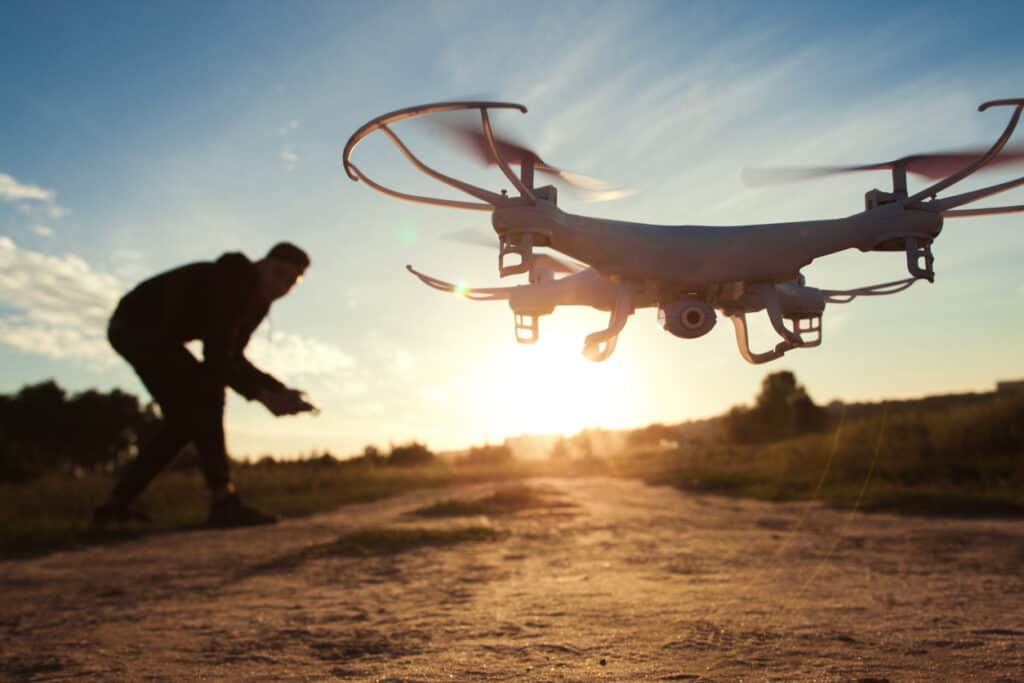
Drone technology used by experts.
©iStock.com/golubovy
Seeing What Human Eyes Can’t
The real power of a thermal drone is simple: it sees heat, and it sees from above.
“A dog can be 40 feet inside a hollow tree, buried in thick vegetation, or hidden somewhere that would take a search team hours or even days to physically inspect,” Parziale says. “From the ground, you may walk right past an animal without ever knowing it is there.”
Two rescues show exactly what he means.
The first was Benjamin. His family had searched for more than two days during a winter storm, trying food and treats, doing everything they could think of. When Michael located Benjamin’s thermal signature, the situation turned out to be far stranger than anyone imagined.
“He was eventually detected approximately 40 feet up inside a hollow, leaning dead tree,” Parziale says. Finding him was only the beginning. A tree-rescue team had to climb up and carefully bring him down.
The second was Riley, a dog who bolted after a bird while still attached to a 30-foot check cord. Riley had been gone more than 48 hours. Michael drove over two and a half hours from New Jersey to help.
“Riley was ultimately located more than 1.2 miles away, tangled in thick briars,” he says.
Neither dog would have been found by walking the woods. “We’re not just looking for an animal visually,” Parziale explains. “We’re looking for the animal’s heat signature and using that information to direct the physical rescue.”
The Hardest Parts of the Job
Thermal cameras are powerful, but Michael is quick to point out they aren’t magic.
“You have to understand what you’re looking at and distinguish an animal from the many other heat signatures around it,” he says. Rain, wind, cold, dense vegetation, water, buildings, and other heat sources can all throw off a search. Add in battery limits, flight planning, and safe aircraft operation, and every mission becomes its own puzzle. Above all, he says, the job demands patience.
But the toughest challenge isn’t technical. It’s emotional.
“When we’re called, the family is usually exhausted and scared,” Parziale says. “They’ve often spent hours or days searching, and their pet is a member of the family. You have to remain calm and methodical even when everyone around you is understandably emotional.”
Then comes the moment that makes it all worth it.
“When you finally get that thermal hit and realize, ‘That’s the dog,’ everything changes,” he says. “At that point, the search becomes a rescue.”
The One That Stays with Him
Michael has plenty of stories he’ll never forget, but Benjamin’s rescue holds a special place.
“His owners had been looking for him for more than two days. They had tried everything they could think of,” he says. And the discovery — a dog 40 feet up inside a leaning dead tree during a winter storm — reshaped his whole view of the work.
“That changed the entire situation. Finding him was only the first step. We then needed the right people and equipment to actually get him out safely.”
That, he says, is the real lesson. “The drone didn’t physically rescue Benjamin. It gave us the information we needed to find him, and then people with the right skills were able to complete the rescue.”
It Was Never About the Drone
For all the impressive technology, Michael keeps coming back to a single idea. The drone is a tool. Nothing more.
“That’s what I think is most important about this technology,” he says. “It’s not about the drone. It’s about using the drone to help people and, ultimately, to bring someone’s family member home.”
That mindset — rooted in his veteran background and his years of search-and-rescue work — is what turns hours of careful flying into moments of pure relief. Behind every one of those 153 reunions is a family who thought they’d lost a piece of their heart, only to get their beloved pet back.
And as long as pets go missing and families keep searching, Michael and his team will keep putting their drones in the sky, giving one more family another chance to bring their loved one home.