
Quick Take
- Your instinct to help a baby turtle you stumble across may be the worst thing you can do for it. When to intervene →
- Even a perfectly healthy baby turtle can send you to the hospital, and most people who handle them have absolutely no idea this is the case. Salmonella risks explained →
- The color of your porch light bulb could be the difference between a baby sea turtle surviving its first night and never reaching the ocean. How porch lights affect hatchlings →
- A balloon release, a loose plastic bag, and a surgical mask all share one dangerous thing in common, and baby sea turtles pay the price. Plastic dangers to hatchlings →
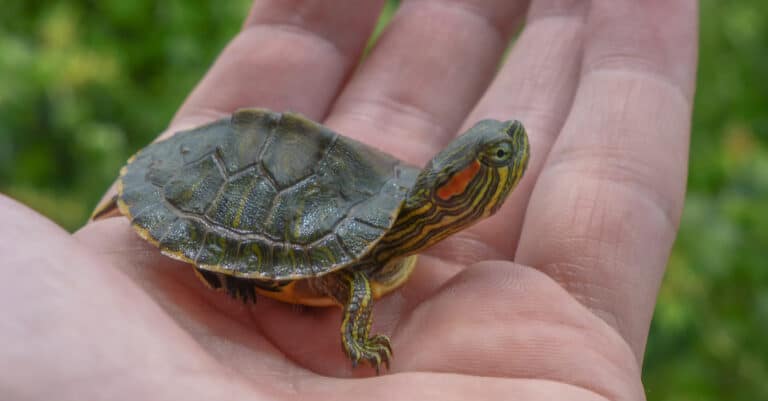
If you spot a baby turtle while hiking in the mountains or walking on the beach, you might wonder what you should do. Has it lost its way? No. Does it need help? No. Should you keep it as a pet? Absolutely not. If you spot a baby turtle, leave it exactly where you found it. Mother turtles abandon their young before they even hatch, and hatchlings are fully independent. Even though you can’t take a baby turtle home as a pet, there are still many ways you can help care for them. Continue reading to discover the different ways you can help care for baby turtles.
What Should You Do If You Find a Baby Turtle?
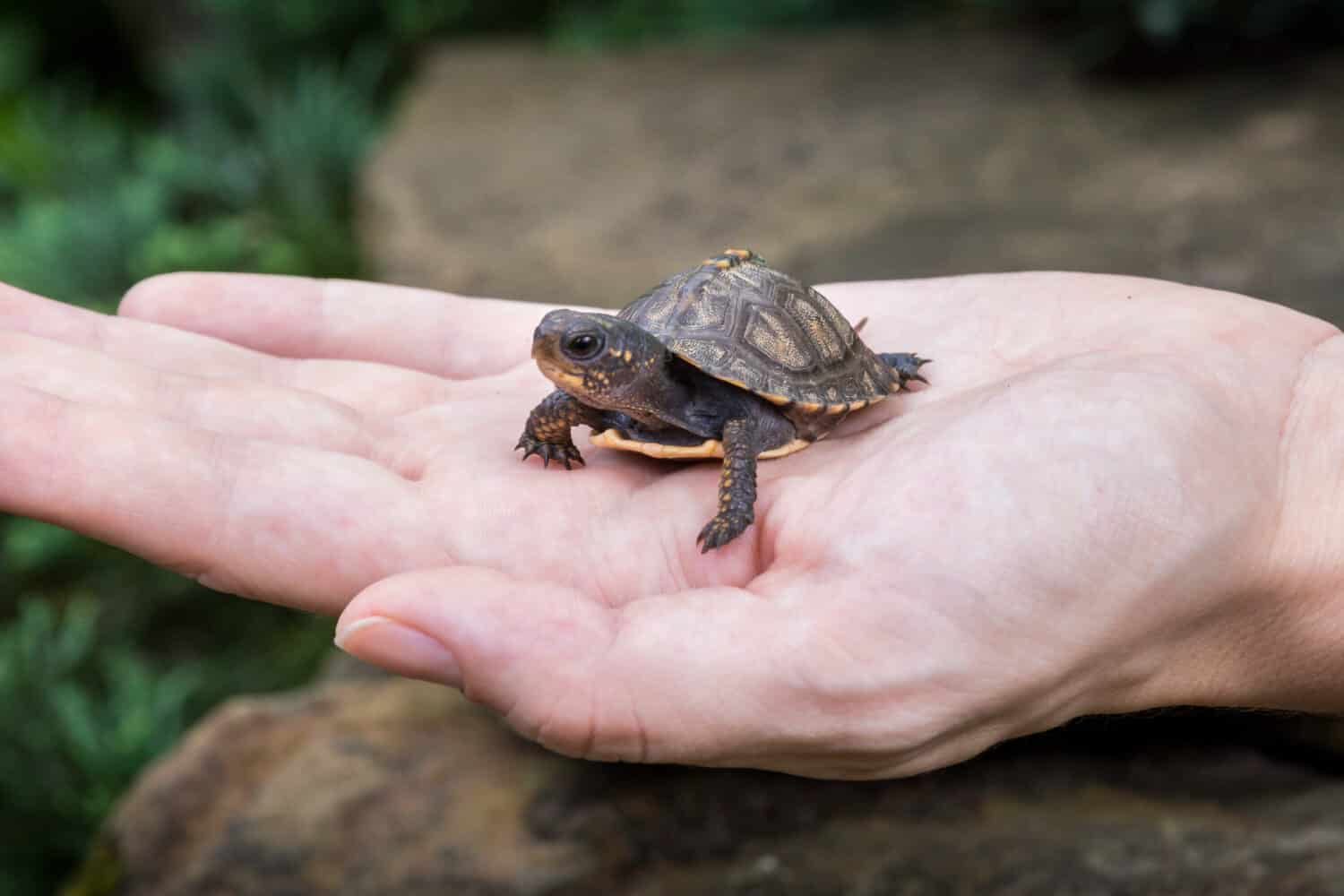
Unless a baby turtle is in danger or showing signs of distress, leave it where you found it. If the baby turtle is tangled in debris or netting, has been flipped over, or is crossing a busy highway, you can help the turtle by freeing it. Once the baby turtle is out of danger, leave it where you found it.
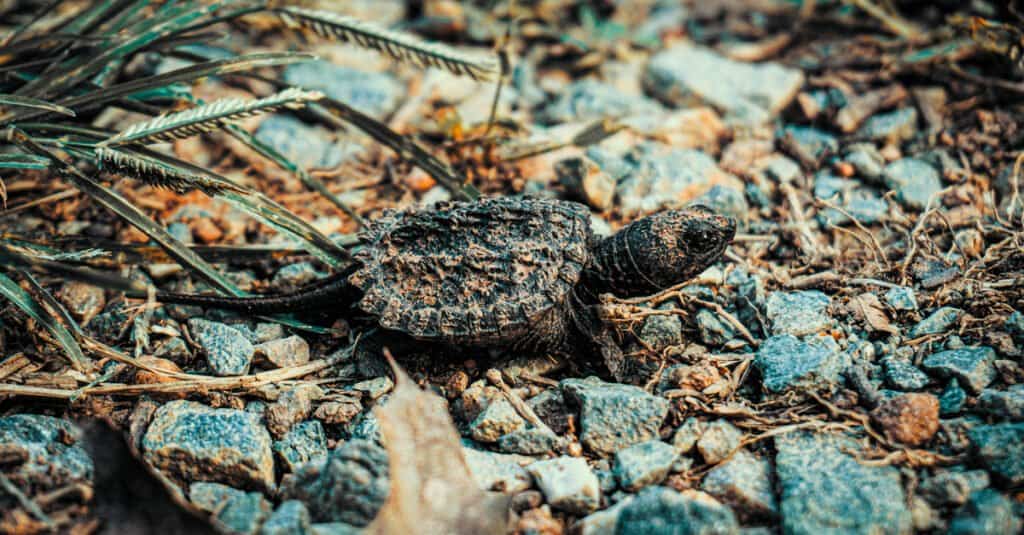
A baby turtle in the wild isn’t automatically lost, confused, seeking its mother, or in need of your help. In most cases, you should just leave the turtle alone and keep on your own path.
©Hoth Cook/Shutterstock.com
f you handle a baby turtle, you must wash your hands because baby turtles can carry Salmonella and other diseases. Even healthy-looking turtles shed the bacteria in their droppings, contaminating their bodies, tank water, and any surface they touch. Because of this risk, handling them can cause severe illness.
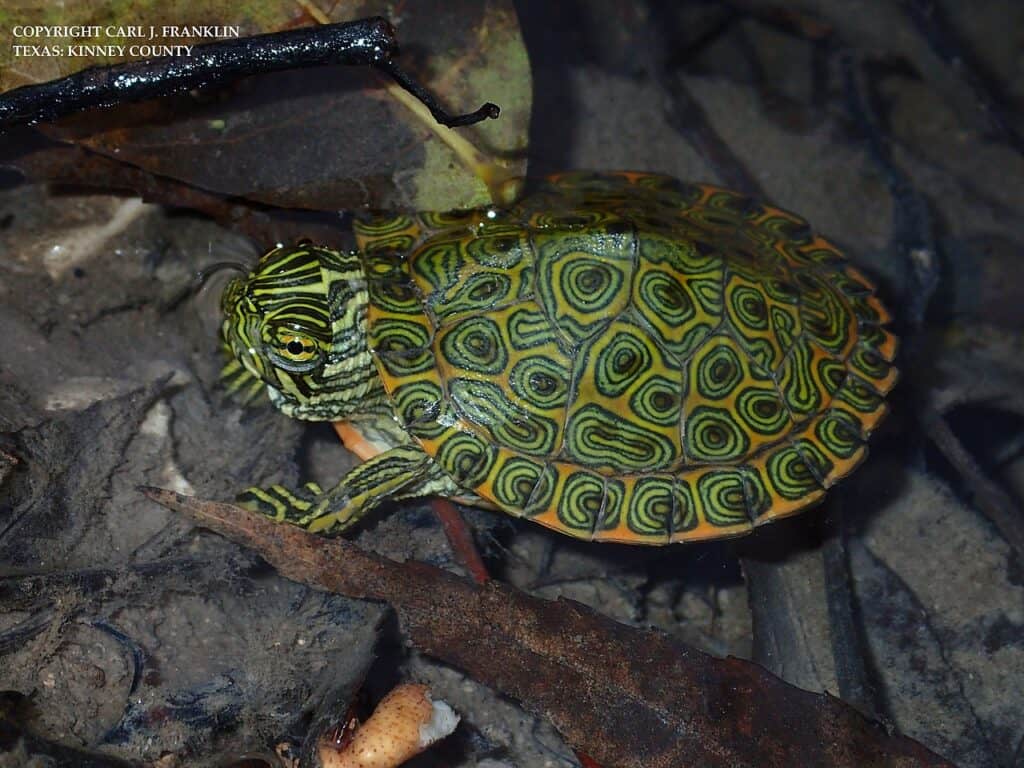
All turtles, regardless of age or size, naturally harbor Salmonella in their droppings and can intermittently shed it on their bodies.
The most effective ways to help baby land turtles, such as box turtles or tortoises, revolve around improving their environment rather than interacting with them directly. Instead of relocating or keeping them, focus on backyard safety and habitat enhancement. Remaining entirely wild is critical to their survival.
Raising mower blades, avoiding pesticides, and creating and maintaining natural habitats are some ways to show you care for baby turtles.
What are the Best Ways to Care for a Sea Turtle?
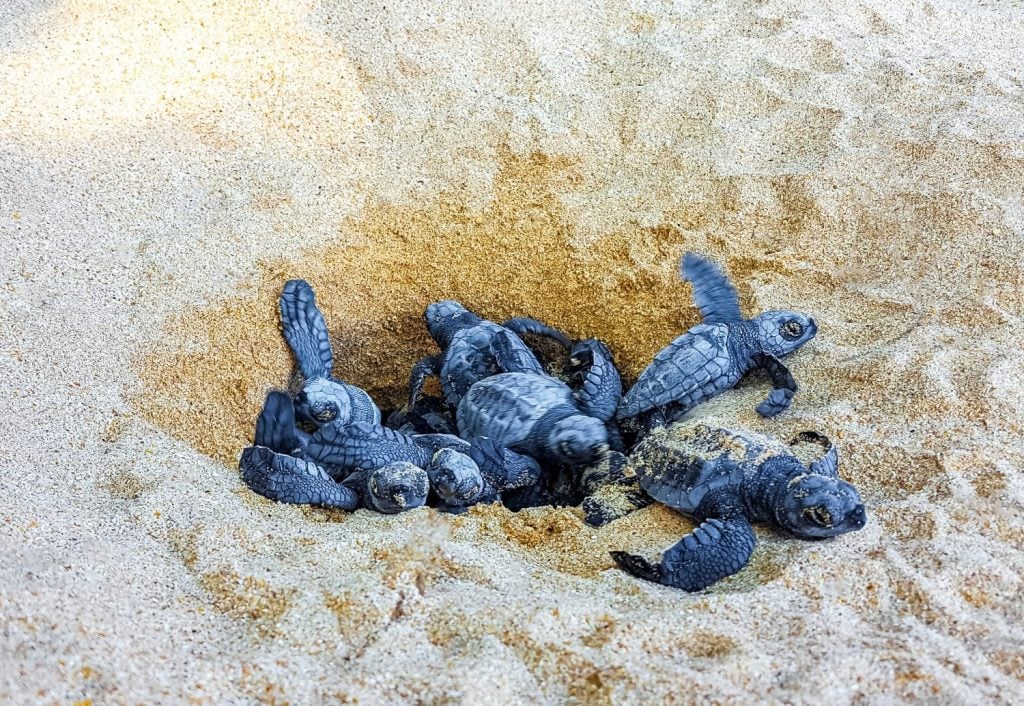
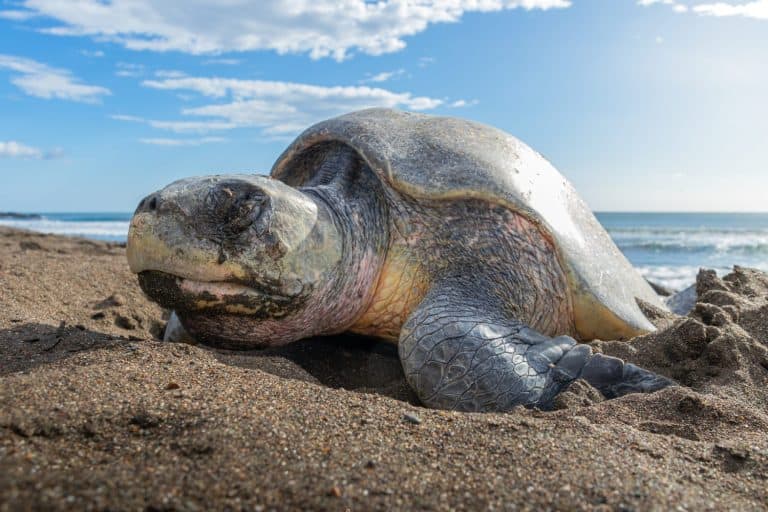
It is illegal to keep a baby sea turtle as a pet.
©Arkadij Schell/Shutterstock.com
It is illegal to possess, harm, or harass sea turtles of any age in the United States and many other countries. In the US, it is also illegal to touch or disturb sea turtles under federal and state laws.
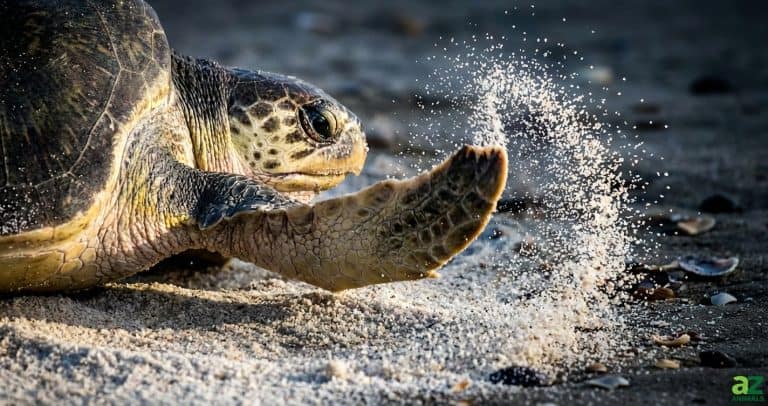
If you find a baby sea turtle, the best thing you can do is leave it alone. It will make its way out to the ocean and begin its healthy life there. Never, under any circumstances, should you attempt to relocate it or bring it home.
There are seven extant species of sea turtles, all of which are protected by the Endangered Species Act, which means they may not be touched or otherwise interfered with. If you find a baby sea turtle, contact your local wildlife rescue organization to report the sighting. They will proceed from there.
However, in most cases, the best way to help baby turtles is to address less obvious threats, such as light pollution and plastic pollution.
How Does Light Pollution Affect Baby Sea Turtles?
Light pollution is especially disorienting to baby sea turtles.
If you live near a beach, choose exterior light fixtures that are low to the ground and shielded downward. Use long-wavelength bulbs that emit amber or red light. Turtles cannot easily see these wavelengths, whereas white and blue lights can instantly disorient them.
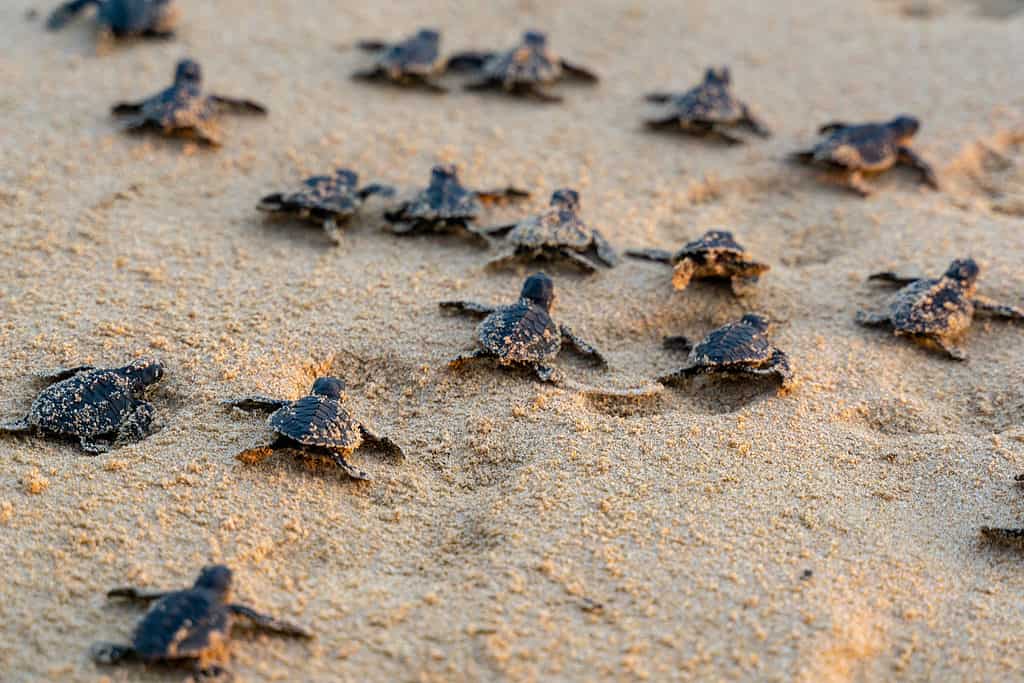
Baby sea turtles instinctively move towards the ocean.
©Julian Wiskemann/Shutterstock.com
Indoor lighting passing through windows creates sky glow that lures turtles off course. Draw your drapes or blinds closed at night if your property faces or sits near the ocean.
When walking on a nesting beach at night, avoid using cell phone lights, flashlights, or taking flash photography. Rely purely on natural night vision and moonlight.
Environmental Dangers
Humans often litter the natural world with plastics. Plastics can be very dangerous to baby sea turtles.
Discarded fishing line is deadly because it can entangle baby sea turtles and cut their flippers. Never toss fishing line in standard trash cans without a lid. Always use dedicated monofilament recycling bins found at boat ramps and piers when discarding used fishing line.
Find other ways to celebrate achievements. Mass balloon releases are a significant source of marine debris. Deflated helium balloons float in the water, mimicking the jellyfish that sea turtles eat, causing fatal intestinal blockages. Floating plastic bags also resemble jellyfish, so it is best to cut them open before disposing of them.
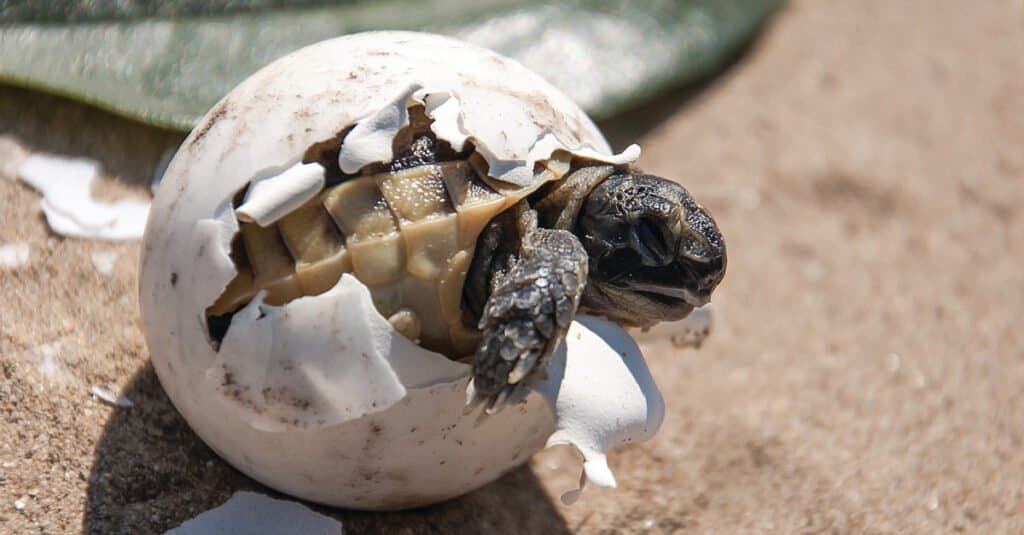
Baby turtles are precocial, meaning that they don’t require parental care.
©Attila N/Shutterstock.com
Cutting plastic six-pack rings and flattening aluminum cans are other ways to help protect baby sea turtles.
Intact plastic six-pack rings can act like miniature nooses in the ocean. Baby sea turtles swim through them, get caught around their necks or flippers, and become trapped as they grow, causing deep wounds or strangulation. Use scissors to snip every loop of a plastic ring before throwing it away or recycling it. This includes the smaller inner loops.
When possible, choose brands that use cardboard boxes or newer biodegradable eco-rings made from compostable plant material.
Like six-pack rings, the elastic ear loops on disposable surgical face masks can easily entangle small marine life. Always snip both ear loops before disposal.
When opening a tin can (such as for tuna or soup), leave the metal lid attached and push it down inside the can before recycling to prevent injury to wildlife. Loose, detached metal lids are razor-sharp and can easily fall out of trash bins, washing into waterways where they may injure sea turtles.