
Quick Take
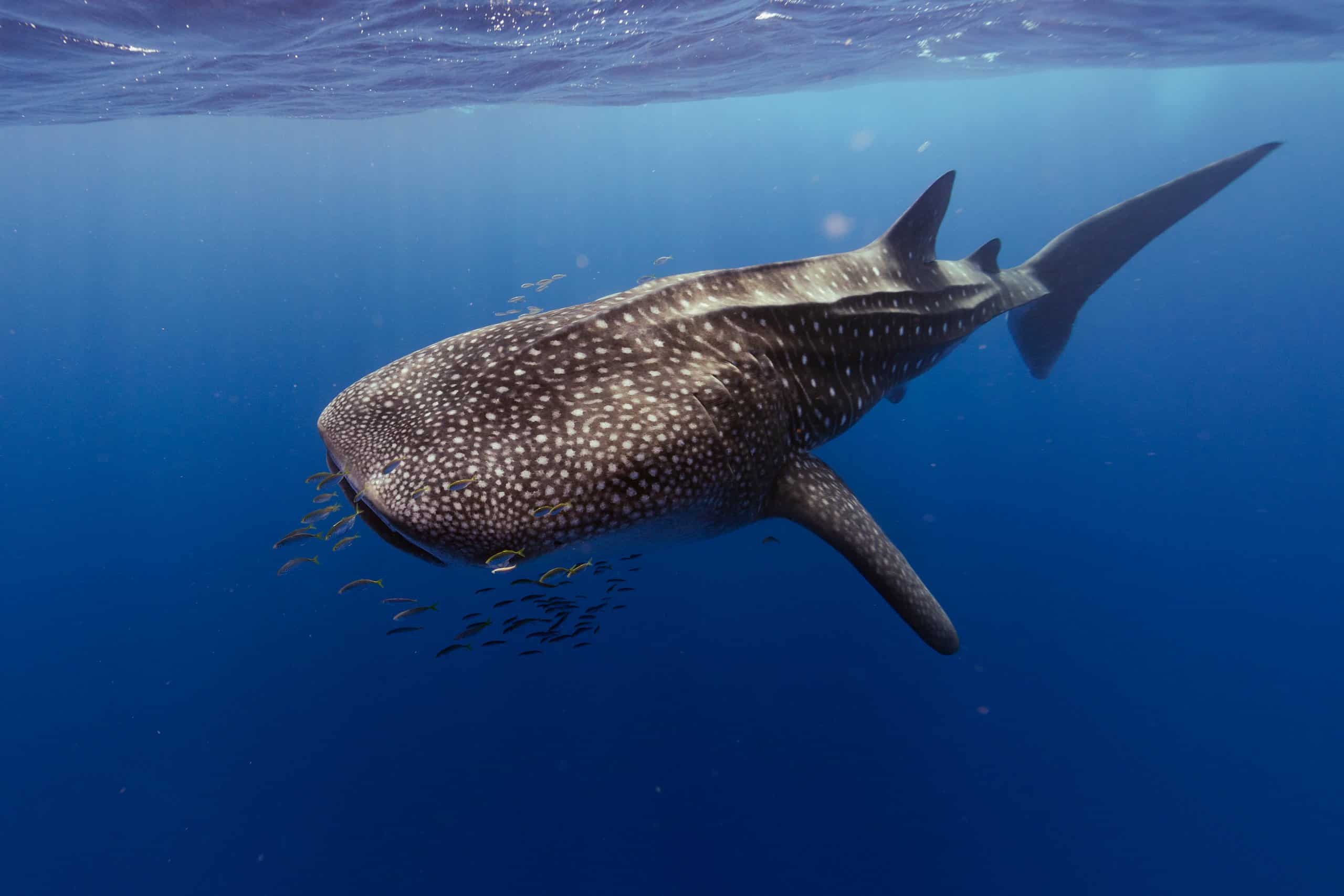
- One member of this bottom-dwelling shark order grows to 60 feet and lives nothing like its relatives, and it happens to be one you've definitely heard of. Meet the giant exception →
- These sharks are called 'carpet sharks,' and the reason why is stranger than it sounds. Discover the carpet shark name →
- One species in this order is so common in aquariums you've almost certainly seen it without knowing what it was. See the aquarium favorite →
Did you know there are various shark orders, each with multiple species—some of which you’ve likely never even heard of? One such order is called Orectolobiformes, which consists mostly of medium-sized sharks characterized by five gill slits, two dorsal fins without spines, and an anal fin. Here’s what you should know about this unique order.
Continue reading
What Is the Orectolobiformes Order of Sharks?
Orectolobiformes, commonly called “carpet sharks,” are a diverse group of sharks with patterned bodies. Their markings help them camouflage and hide from predators or ambush prey on the ocean floor.
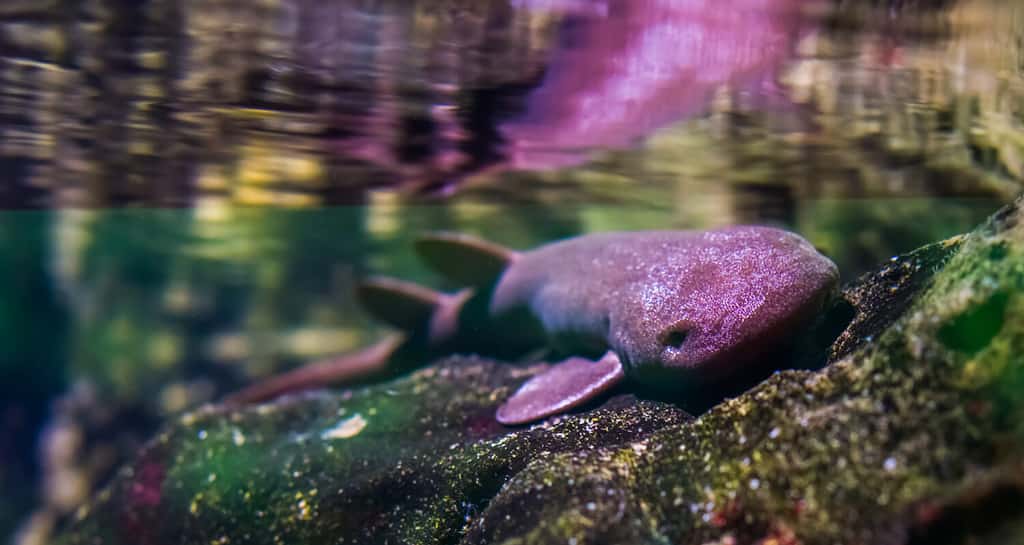
Carpet sharks live up to their names by spending time resting and blending in with the ocean floor.
©Charlotte Bleijenberg/Shutterstock.com
According to Maggie Winchester-Weiler, shark biologist and senior manager of Ocean Conservancy’s Florida conservation program, “Order Orectolobiformes is known as the ‘carpet sharks’ because many species in this group are found on the seafloor in tropical or coastal environments.”
These bottom-dwelling creatures live mostly in warm, tropical, subtropical, and temperate waters. They inhabit the Atlantic, Pacific, and Indian Oceans.
Types of Orectolobiformes Sharks
As mentioned earlier, Orectolobiformes is a diverse order that includes a variety of shark species.
“This group includes nurse sharks, tasseled wobbegong sharks, and the charismatic whale shark, though it breaks the mold as a more open-water and active species,” Winchester-Weiler says.
Here are a few of the most common species in the order Orectolobiformes.
Bluegrey Carpet Shark
The bluegrey carpet shark (Geteroscyllium colcloughi) is a small, rare species that primarily lurks on the ocean floor, consuming small fish. It prefers the shallow waters around East Australia and only grows to a few feet in length. While adults are grey in color with a white underbelly, younger bluegrey carpet sharks have black markings on their bodies, which eventually fade as they mature.
Epaulette Shark
The epaulette shark (Hemiscyllium ocellatus) earned its name for sporting black, white-rimmed spots (similar to an ornamental shoulder patch) on its flank behind its pectoral fins. This small shark reaches a maximum of 3.5 feet in length and boasts dark spots along its body and down its tail. It mostly eats small fish, worms, and crustaceans. This fish prefers the shallow, tropical waters off Australia and New Guinea, in the western Pacific Ocean.
Nurse Shark
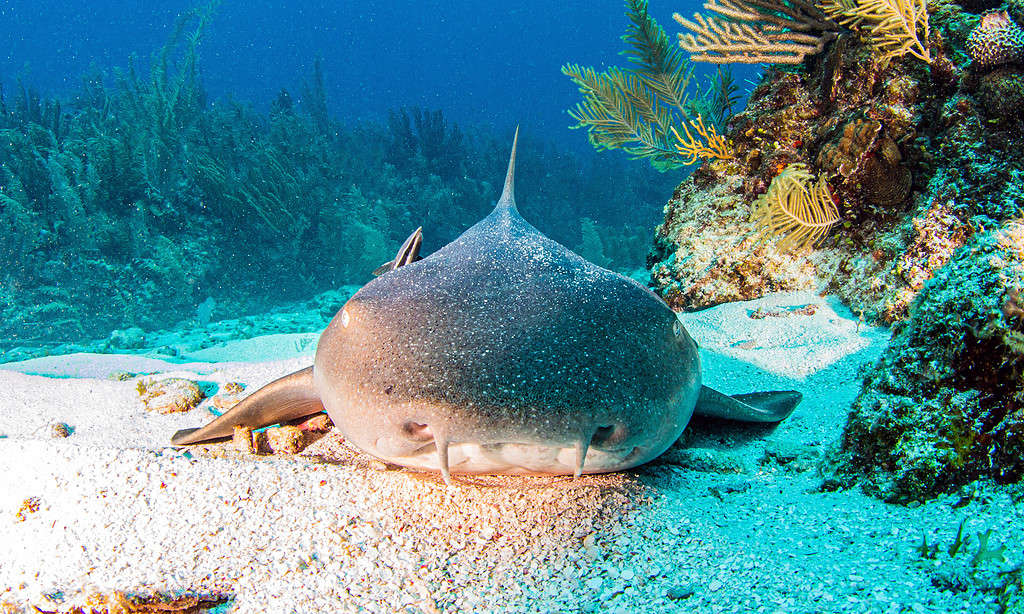
Nurse sharks are a popular species with massive heads.
©Divepic/ via Getty Images
A common shark species, the nurse shark (Ginglymostoma cirratum) is an active nocturnal shark that inhabits the Western Atlantic and Eastern Pacific Oceans. Like others in this order, it prefers warm, shallow water, near rocks and coral reefs. The large-headed shark is gray-brown, yellow-brown, or brown in color and is typically under 10 feet in length, though it can sometimes grow larger.
Spotted Wobbegong
The spotted wobbegong (Orectolobus maculatus) is the epitome of a carpet shark. Endemic to Australia, this nocturnal species has dark camouflage markings along its pale, wide, thick body and flattened head. Typically, it grows to around 4 feet in length. This fish is common in the Western Pacific Ocean, near New Guinea and northern Australia. During the day, it rests near the ocean floor; at night, it lurks among the reef.
Tawny Nurse Shark
The tawny nurse shark (Nebrius ferrugineus) comes in different shades of brown and reaches a maximum length of around 10.5 feet. It inhabits the Indian and Pacific Oceans, spending most of its time near the ocean floor. This vulnerable species feeds on octopus, crustaceans, squids, sea urchins, corals, and small reef fish.
The whale shark is a filter feeder that filters plankton, larvae, and coral eggs from the water column to fuel its massive body size.
Maggie Winchester-Weiler, shark biologist and senior manager of Ocean Conservancy’s Florida conservation program
Whale Shark
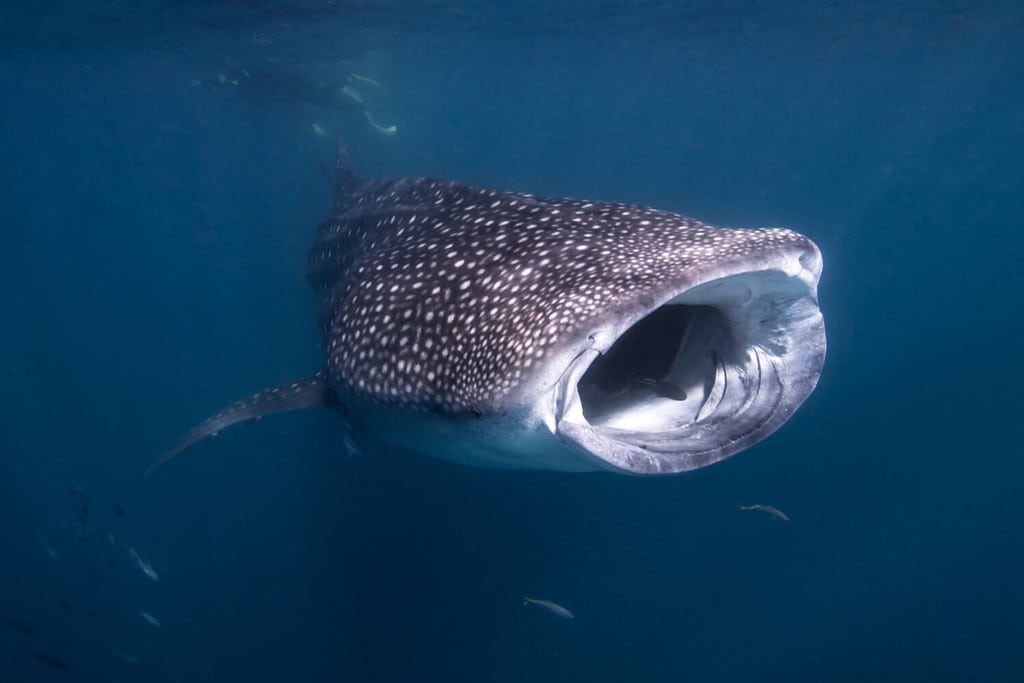
Whale sharks are the largest fish species in the world.
©Sean Steininger/Shutterstock.com
Most species in the Orectolobiformes order are small- or medium-sized. However, according to Winchester-Weiler, “The whale shark is the largest fish species in the world and reaches as large as 60 feet in length.” Unlike the other sharks in this order, it also “makes long migrations for feeding and reproduction.” The whale shark (Rhincodon typus) inhabits warm, tropical, and subtropical waters in the Atlantic, Indian, and Pacific Oceans.
“The whale shark is a filter feeder that filters plankton, larvae, and coral eggs from the water column to fuel its massive body size,” says Winchester-Weiler.
Whitespotted Bamboo Shark
The whitespotted bamboo shark (Chiloscyllium plagiosum) is a small fish with spots down its dark body. Its maximum length is around 3 feet. It lurks in the inshore waters of the Indo-West Pacific and preys on bony fish and crustaceans. This nocturnal species is commonly featured in aquariums.
Zebra Shark
The Zebra shark (Stegostoma fasciatum) is a large shark species with a long tail. It can reach a maximum length of over 11 feet. As its name suggests, it has zebra-like markings on its yellowish body. The shark spends most of its time lurking in coral reefs in the Indo-West Pacific waters, preying on small bony fishes, crustaceans, and mollusks. Unfortunately, this species is considered Vulnerable on the International Union for Conservation of Nature (IUCN) Red List.